
Tarik Saleh’s Eagles of the Republic — a slick satire about fame as an instrument of state control
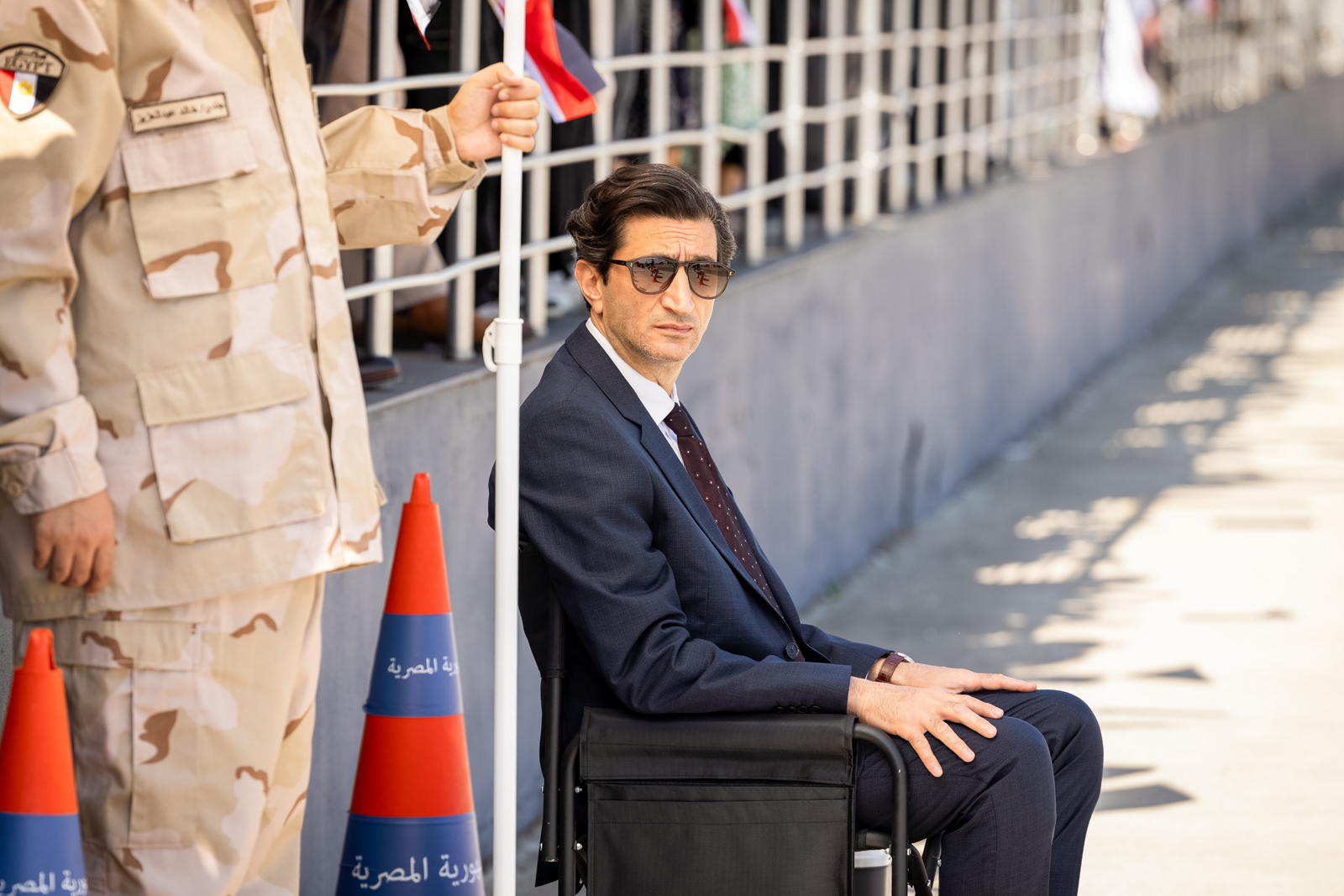
The Swedish-Egyptian director examines the uneasy relationship between artists, propaganda and authoritarianism

What does it mean to be Egypt’s most famous actor when fame itself becomes a trap? That is the question posed with increasing menace in Tarik Saleh’s Eagles of the Republic — a slick, dark satire about celebrity as an instrument of state control, and the slow horror of realising you have been performing someone else’s script all along.
The Swedish-Egyptian film-maker has spent the better part of a decade dissecting Egypt with a razor-sharp precision that harks back to the work of its great auteur, Youssef Chahine. Saleh’s The Nile Hilton Incident (2017) followed a corrupt Cairo detective investigating the murder of a pop star discovered with her throat slit in a luxury hotel room, only to find the trail leading to one of Egypt’s most powerful men. Cairo Conspiracy (2022), also known as Boy From Heaven, sent a fisherman’s son to study at Al-Azhar, the most prestigious university for Islamic learning, where he becomes unwittingly caught between warring factions of the security services fighting to control who becomes grand imam.
With Eagles of the Republic, Saleh completes his unofficial Cairo trilogy by focusing on the film industry itself, examining the uneasy relationship between artists, propaganda and authoritarianism.
At the centre of the story is George Fahmy, played by Saleh’s regular collaborator Fares Fares with a mix of vanity, charm and growing panic. George is Egypt’s most famous actor, nicknamed “The Pharaoh of the Screen”, a man whose face appears on billboards across Cairo.
He enjoys a carefully cultivated life of luxury: younger girlfriends, gilded apartments, whisky-fuelled evenings and the insulation and ego that comes with immense celebrity. George believes that fame and privilege buffer him from consequences of rising authoritarianism and Saleh delights in disavowing him of that illusion.
After George makes an offhand remark deemed disrespectful to religion and the state, his comfortable existence begins to unravel. Productions are interrupted, government officials appear on set and shadowy figures quietly remind him that success in Egypt comes with conditions.
Before long, he is pressured into starring in a lavish state-sponsored biopic of current Egyptian president Abdel Fattah el-Sisi. The message is made brutally clear: if he wants to preserve both his career and his family’s safety, he will cooperate.
The film’s central conceit has already inspired comparisons to an absurd Hollywood nightmare — George Clooney forced into playing Donald Trump in a reverential patriotic epic sounds like an episode of South Park. Yet Saleh treats the premise with menace. What initially feels like a broadly comedic industry satire mutates into a paranoid political thriller and Fares anchors those transitions with a subtle, mercurial performance.
The film also fits comfortably within a long cinematic tradition exploring artists entangled with fascist or authoritarian power. From István Szabó’s Mephisto to Rainer Werner Fassbinder’s Veronika Voss, cinema has repeatedly returned to the spectacle of performers seduced by political proximity. Saleh updates those themes for the age of social media and corporate image management, presenting celebrity not as freedom but as another mechanism through which governments can exercise control.
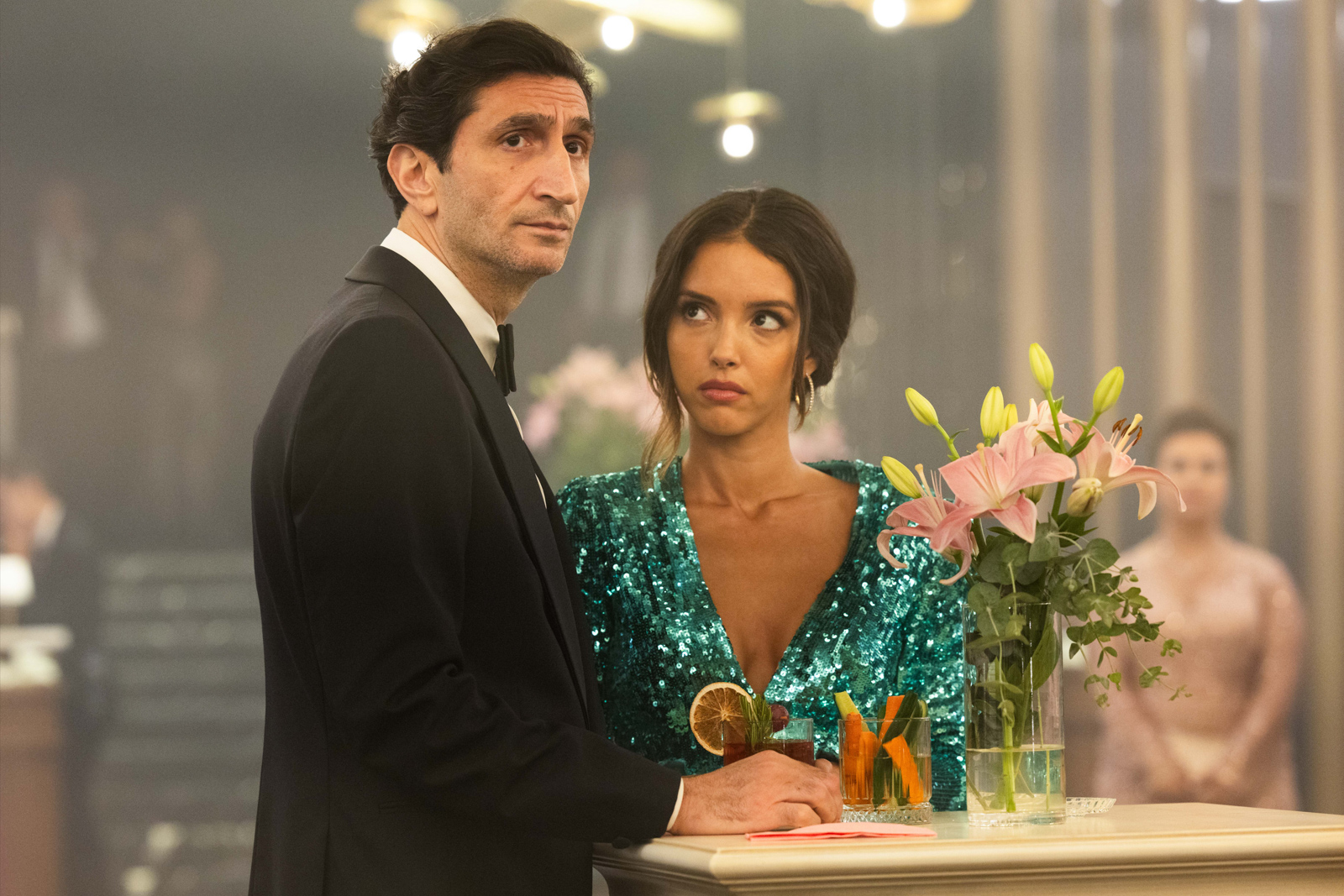
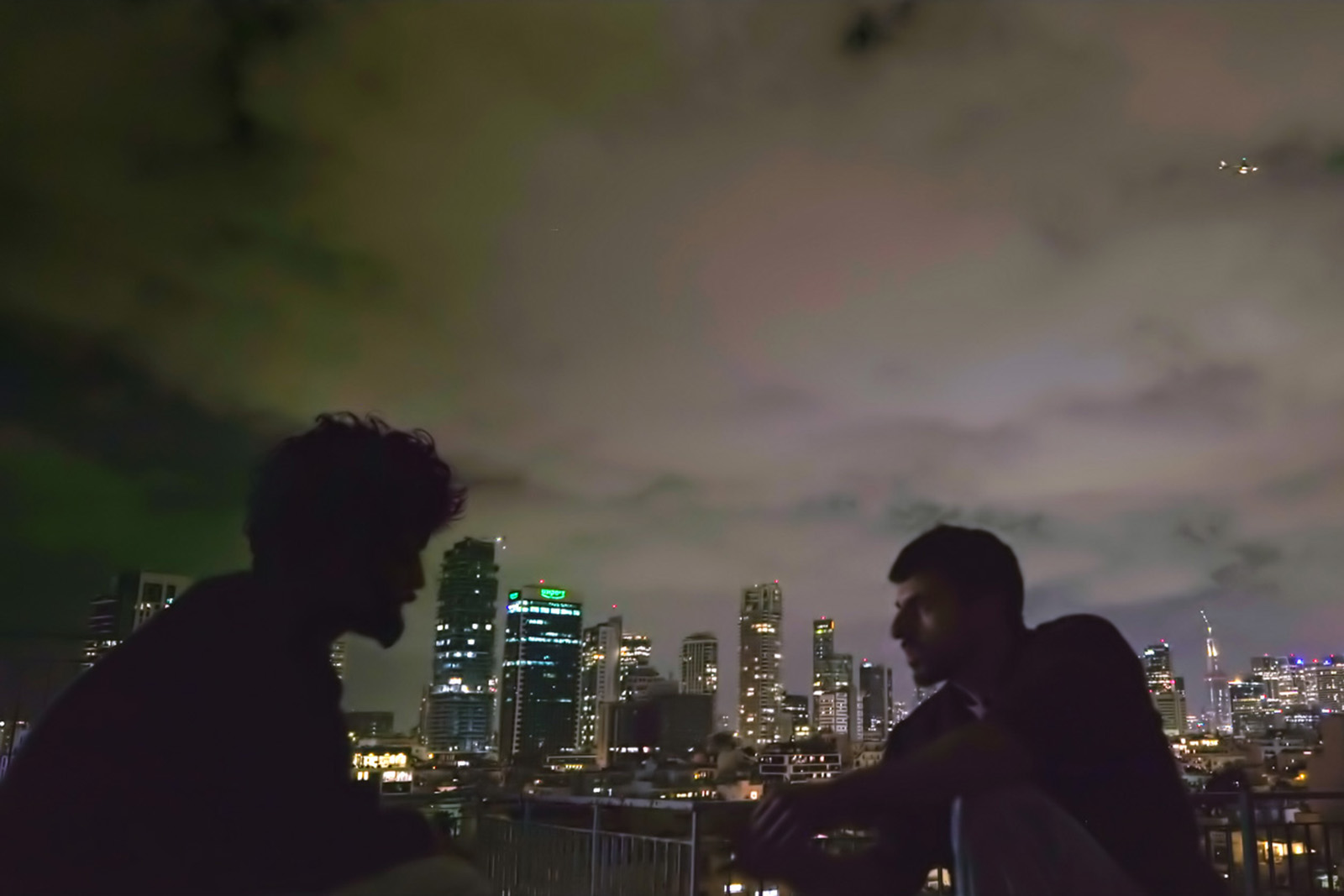
Visually, Saleh frames this relationship between power and spectacle with deliberate grandeur. Cairo is rendered as a city of gleaming penthouses, luxury hotels and towering architecture that evoke modern pyramids. The protagonist moves through these spaces like royalty, yet the film constantly reminds us that there are larger powers looming.
Dr Mansour, the quietly terrifying state overseer played by Amr Waked (Lucy, Salmon Fishing in the Yemen), barely raises his voice throughout, but his presence hangs over every interaction like imminent violence just biding its time.
There are moments where Eagles of the Republic struggles to fully reconcile its competing modes. Some supporting characters, particularly the women orbiting George’s life, feel underwritten once the thriller elements intensify. At times, Saleh becomes too eager to emphasise the escalating danger rather than unpacking the emotional impact of George’s complicity.
Still, the film remains fascinating because its central anxieties are painfully contemporary. It is not simply about Egypt, rather the fragile relationship between art, individual freedom and power everywhere.
The story carries additional weight because Saleh himself has been unable to film in Egypt since he was effectively exiled during pre-production on The Nile Hilton Incident, with Eagles of the Republic shot largely in Turkey. That displacement gives an added layer of melancholy. Saleh is reconstructing Cairo from exile, making films about a country in which he cannot safely make art. Rather than appease the powers that be, both Saleh, and his largely Egyptian team, boldly doubled down and made a film that directly takes on the incumbent president’s propaganda machine.
Eagles of the Republic leaves George somewhere between complicity and tragedy, stripped of every illusion that made his life bearable. Yet Saleh’s final, chilling insight is not just that authoritarianism destroys artists, it is that it is aided by the self-destructive idiocy of celebrity. The spotlight may stay on, but the cage becomes harder to see and, eventually, impossible to escape.