
Seemab Gul on Ghost School: ‘Education is about questioning everything around us’
The director’s debut feature film offers a haunting meditation on the place of women and girls in Pakistani society

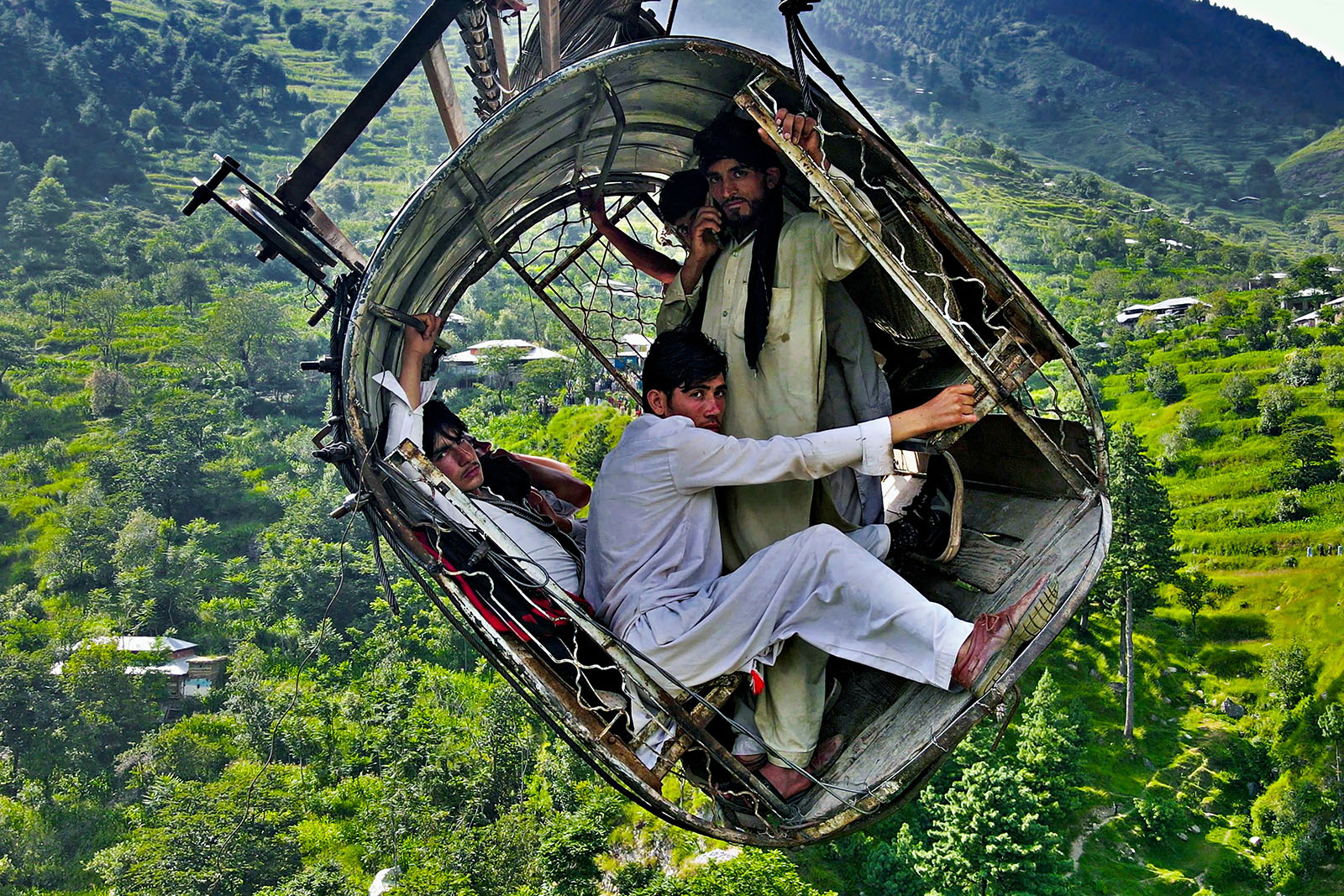
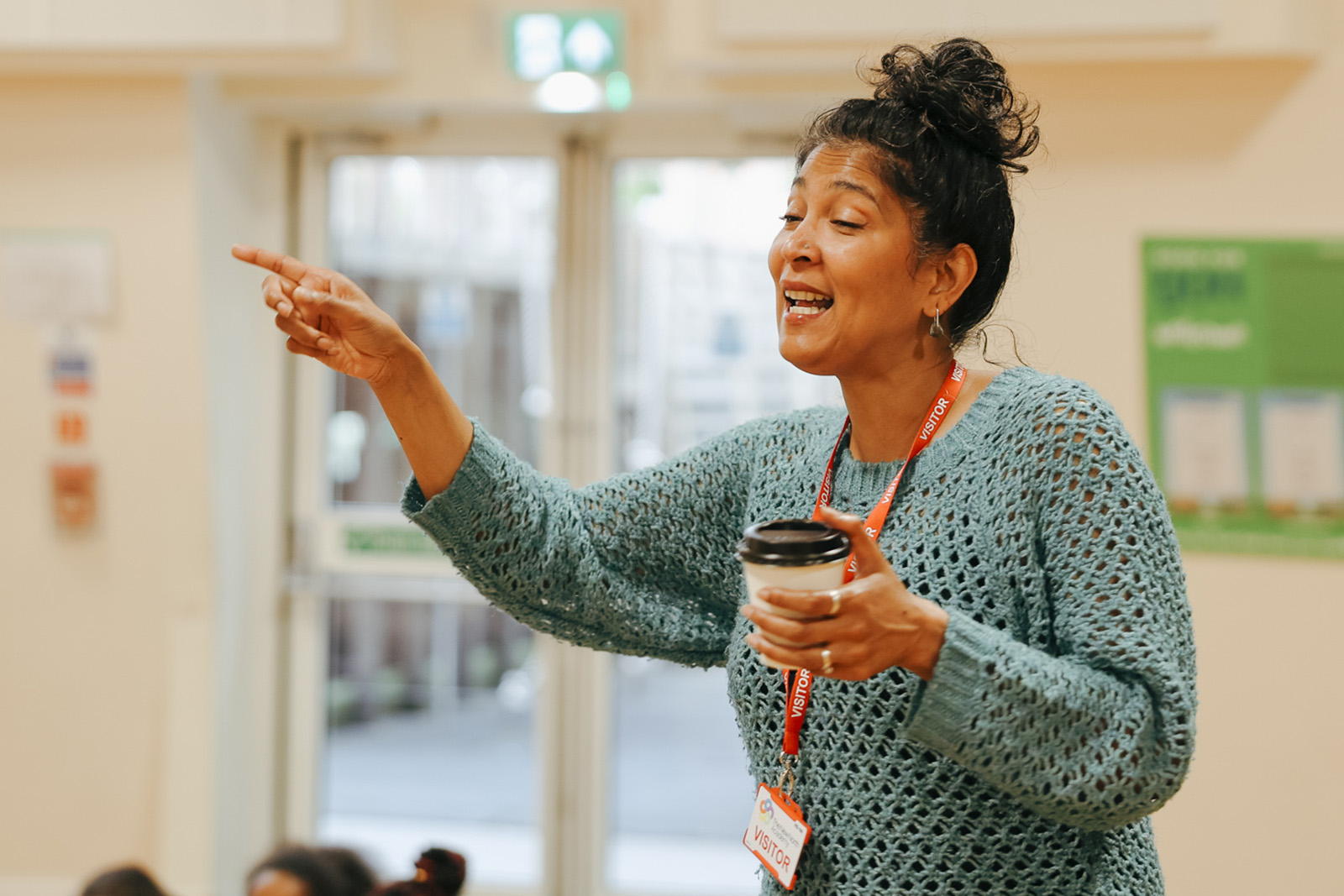
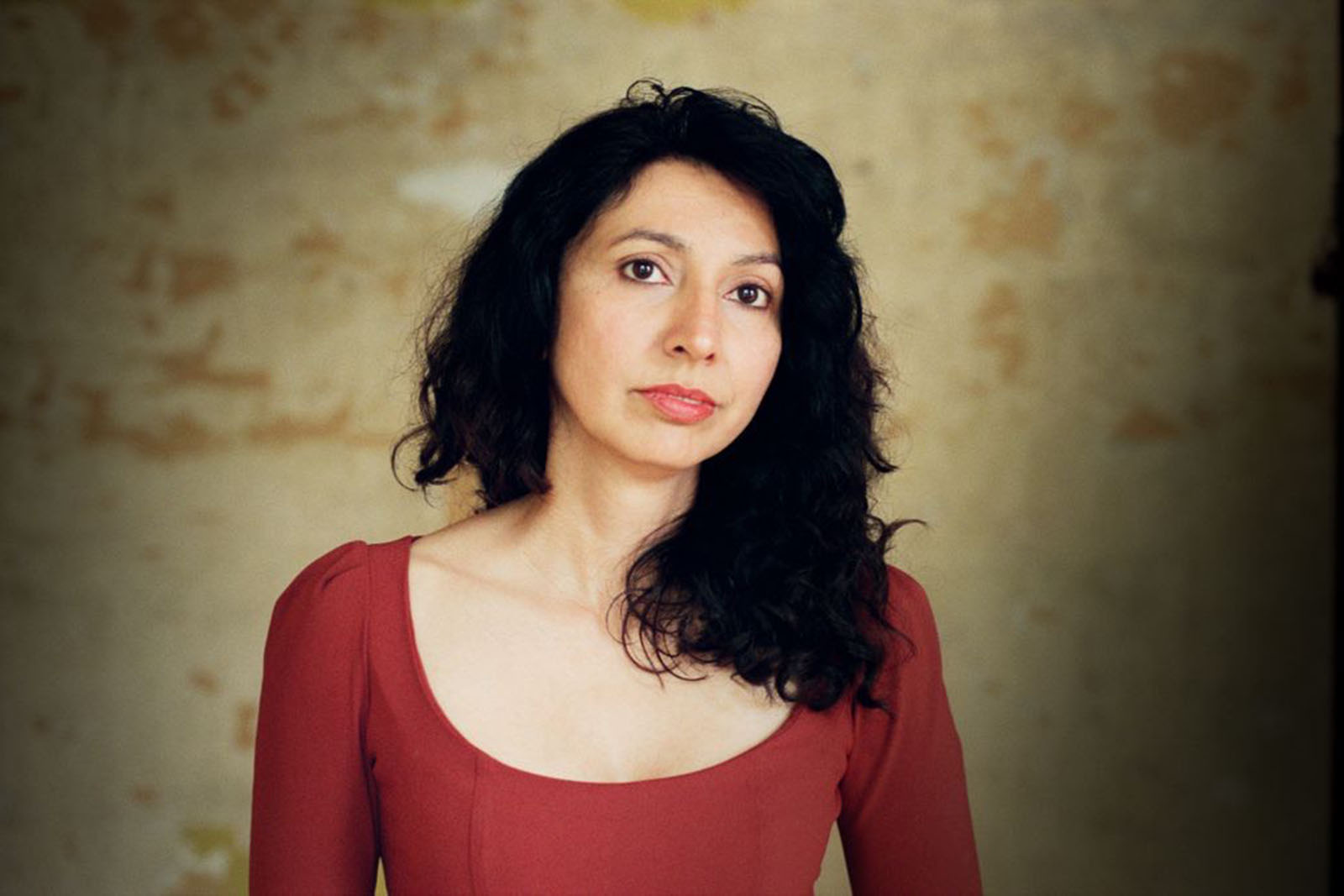
In late 2022, Seemab Gul was travelling around her native country of Pakistan, making short films for Greenpeace International about the devastating floods that had swept across the country that summer and autumn. More than 1,700 people had been killed and an estimated £30 billion damage caused. The work took her to rural areas in the provinces of Sindh and Balochistan, which had been particularly hard hit.
While there, her attention was drawn to another issue. “Ghost schools” are educational institutions that exist only in name. Their buildings stand empty and unstaffed, while corrupt officials pocket government funding and teaching salaries. An estimated 30,000 such schools are spread across Pakistan and around 7,000 of them are in Sindh. The phenomenon is part of a national crisis in education. According to Unicef, 25.1 million children in Pakistan aged five to 16 do not attend school.
Related content
“It really saddened and angered me,” Gul says. “When I asked the locals, what are the buildings used for, they said they were used for barns for feudal lords, but no-one would name anyone.”
Gul — a British-Pakistani filmmaker who grew up in Karachi, Sindh’s largest city, and moved to the UK for A-levels in her late teens — had heard of ghost schools before. But seeing the empty classrooms and children with nowhere to learn was something else. Even her friends and family were vague about the severity and scale of the problem.
“I came across many brick walls, with people either denying the existence of these schools, or telling me not to expose something that may shame Pakistan,” she recalls.
Gul has a long history of political activism and studied fine art before doing a master’s degree in filmmaking at the London Film School. She thought hard about how best to tell this story, knowing that she wanted to balance the political message with a compelling visual and narrative structure. She landed on the idea of a fable told from a child’s perspective that plays with the idea of ghosts, djinns and the supernatural.
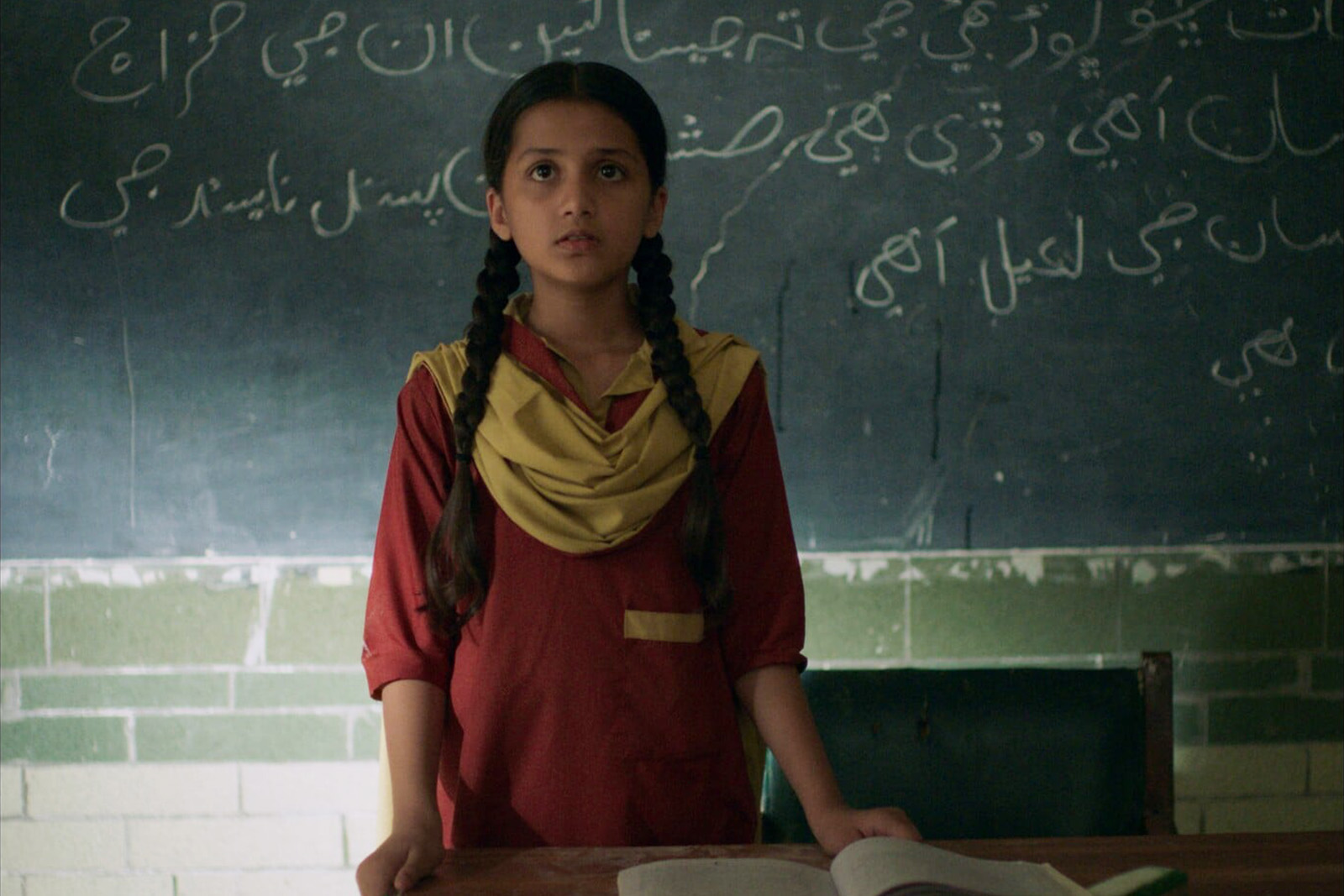
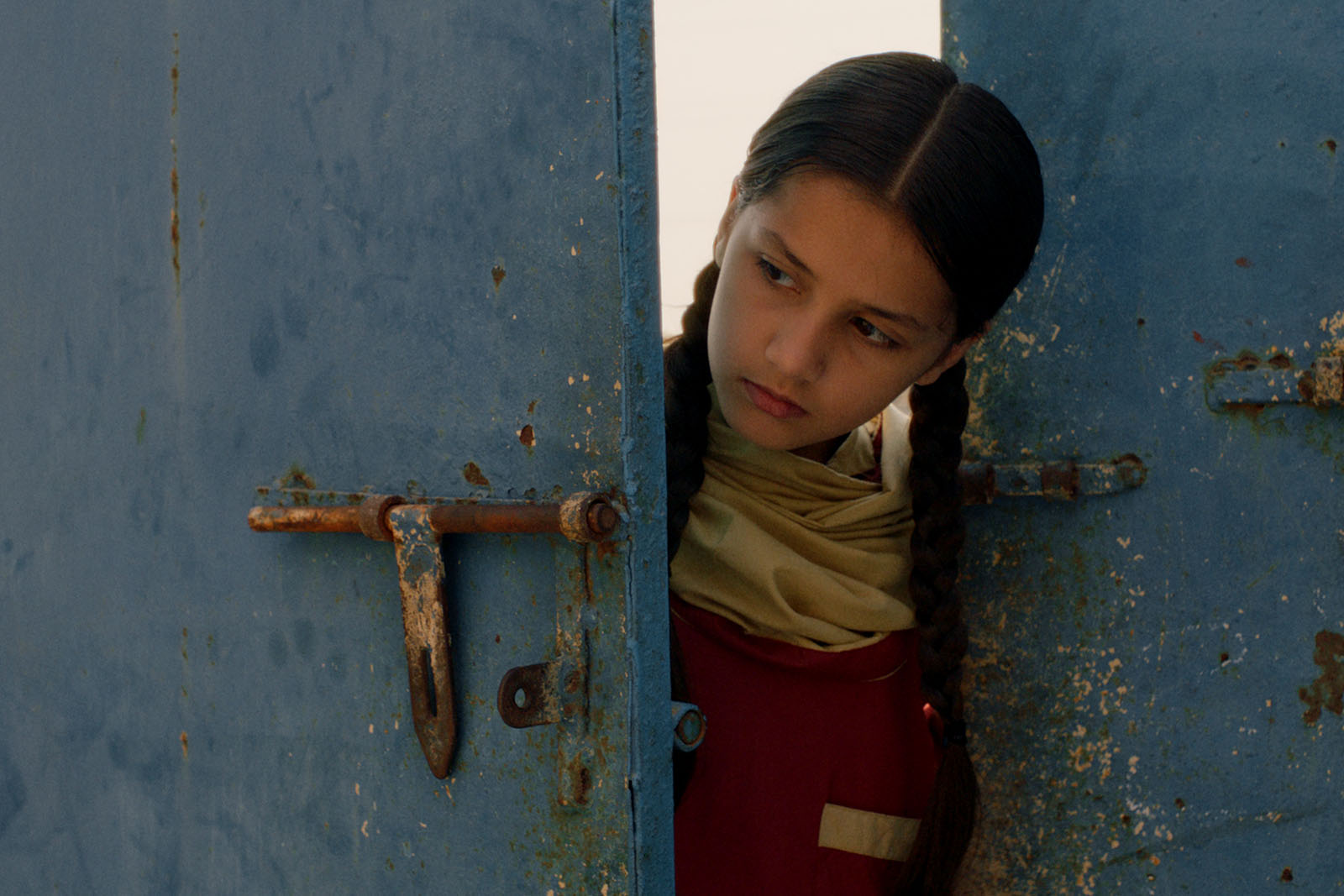
The result is Ghost School, a haunting feature film that centres on a 10-year-old girl in rural Sindh, who arrives at school one morning only to find the gates are shut. Over the course of an hour and a half, Rabia, played by the magnetic child actor Nazualiya Arsalan, persistently asks the adults around her why the school has closed.
As rumours that the building is haunted and the teacher possessed by a djinn swirl around the village, Rabia learns the truth: a more prosaic story of local corruption, entrenched inequality and uncaring bureaucracy. Her refusal to be dismissed acts as the film’s moral core, her childish innocence exposing the brutality of the situation. In one particularly affecting moment, Rabia asks a local official what the word “bribery” means.
Ghost School, which Gul funded herself, was produced in a frenzy. She wrote eight drafts of the script in less than 10 weeks, then shot it over the next three. “I was the writer, director, producer and financier,” Gul says. “I was actually writing to shoot, which was an incredible experience.”
At first, Gul intended to make a social realist film, drawing on her documentary background and inspired by Iranian filmmakers such as Abbas Kiarostami. But, as the project progressed, she decided to introduce an element of magical realism.
“The reality is so sad, with so many children out of education and a dire illiteracy rate, but I didn’t want a sad ending,” she says. “I had this freedom and that allowed me to find a solution.”
The result is a patient, observational piece of cinema, in which small gestures carry enormous weight, all filtered through the folklore and landscape of rural Pakistan.
The film has proved a huge success, debuting at the 2025 Toronto Film Festival before a run of global festival screenings. On 1 May it will air on the opening night of the UK Asian Film Festival 2026, held at the BFI Southbank. It is an exciting moment for Gul, but navigating the industry as a British-Pakistani director has not always been straightforward.
“After film school, people advised me to make films about Pakistani women and their struggles, and I didn’t like the idea of being pigeonholed so I avoided those subjects,” she says. “There’s nothing wrong with championing my own culture or heritage, but I don’t understand why people from more privileged backgrounds feel they can make films anywhere in the world, but I, as an immigrant to the UK, can only make films in the region where I come from. It’s a false and deluded way of thinking.”
Despite that frustration, Gul has still found herself drawn to stories about Pakistani women. Her short film Sandstorm, which premiered at the Venice Film Festival and was also shown at Sundance in 2022, tells the story of a young girl who sends a video of herself dancing to her virtual boyfriend, who then uses it to blackmail her.
Ghost School, filtered through the perspective of a young girl, is full of quietly devastating moments that illustrate the place of girls within Pakistani society. While the boys in the film have the option of going to a school in another village, a neighbour casually talks about the marriage prospects of Rabia and other prepubescent girls as they play nearby.
Gul’s next drama, Haven of Hope — a project that was already in the works when she wrote and filmed Ghost School — tells the story of three women in a Karachi shelter for women who are living with mental illness, unhoused or have otherwise been rejected.
“Funnily enough, after at first avoiding it, my films have been mostly set in Pakistan and focused on the female experience,” she says. “I’ve completely embraced telling the story of women’s struggles, because they really are close to my heart.”
Women’s education within the country is a particularly personal subject. Both of Gul’s grandmothers were unable to read or write and never had the chance to go to school. While her mother did, she later had to drop out of university to get married.
“Then, after another generation, I came to do a bachelor’s and a master’s,” Gul says. “It was a fight all the way financially, mentally, emotionally.”
Making Ghost School was also a battle. Gul has spent her life savings on the project and is still deeply in debt, but she has no regrets.
“That’s how much it matters to me,” she says. “Education isn’t about going to school and getting fancy degrees. Education is about questioning everything around us and that is more important than ever before.”