
Weekend with Tahar Rahim: ‘It starts with a coffee and cigarette’
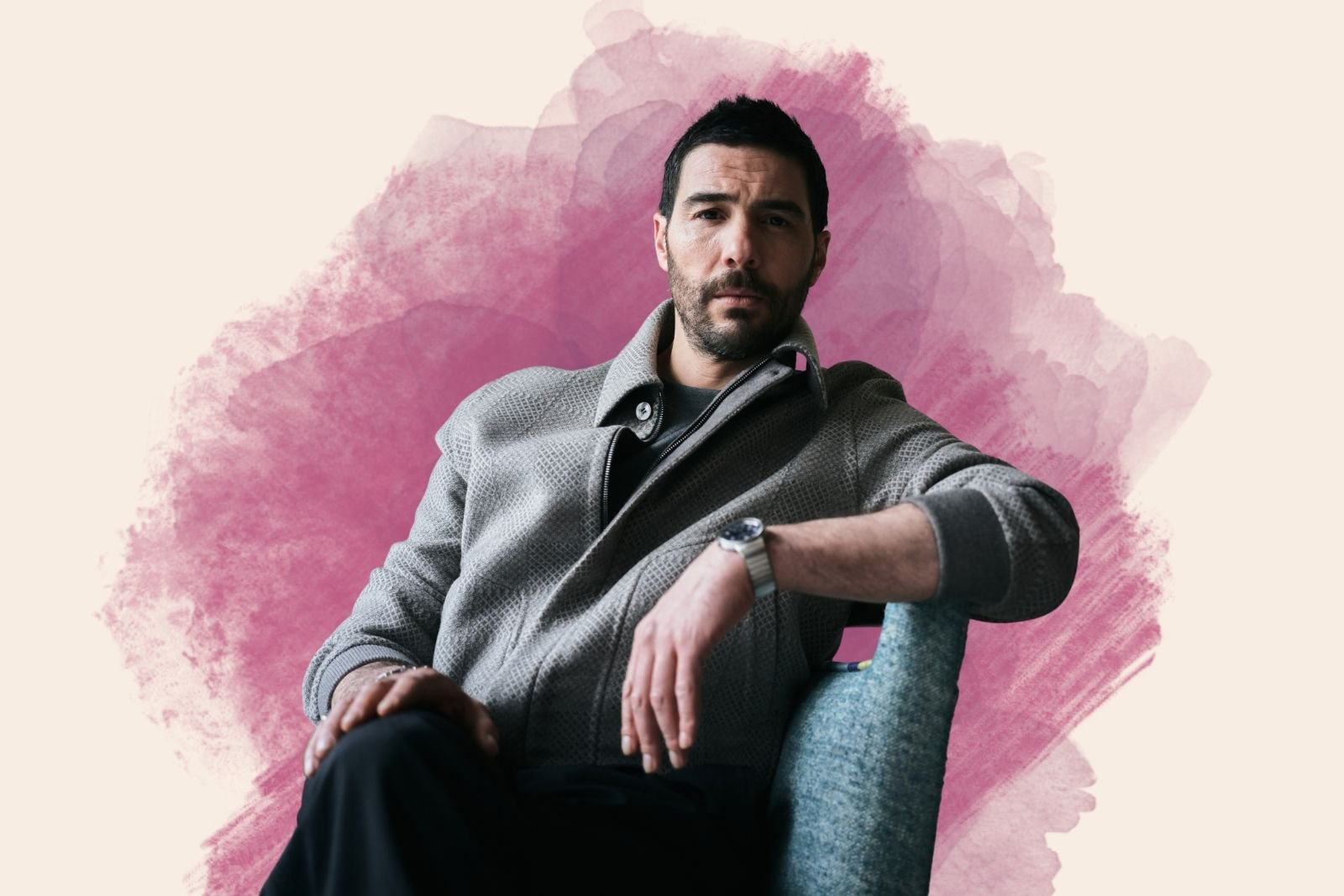
The actor on people watching in a French brasserie, movie nights with his children and his new role in the Sky thriller Prisoner
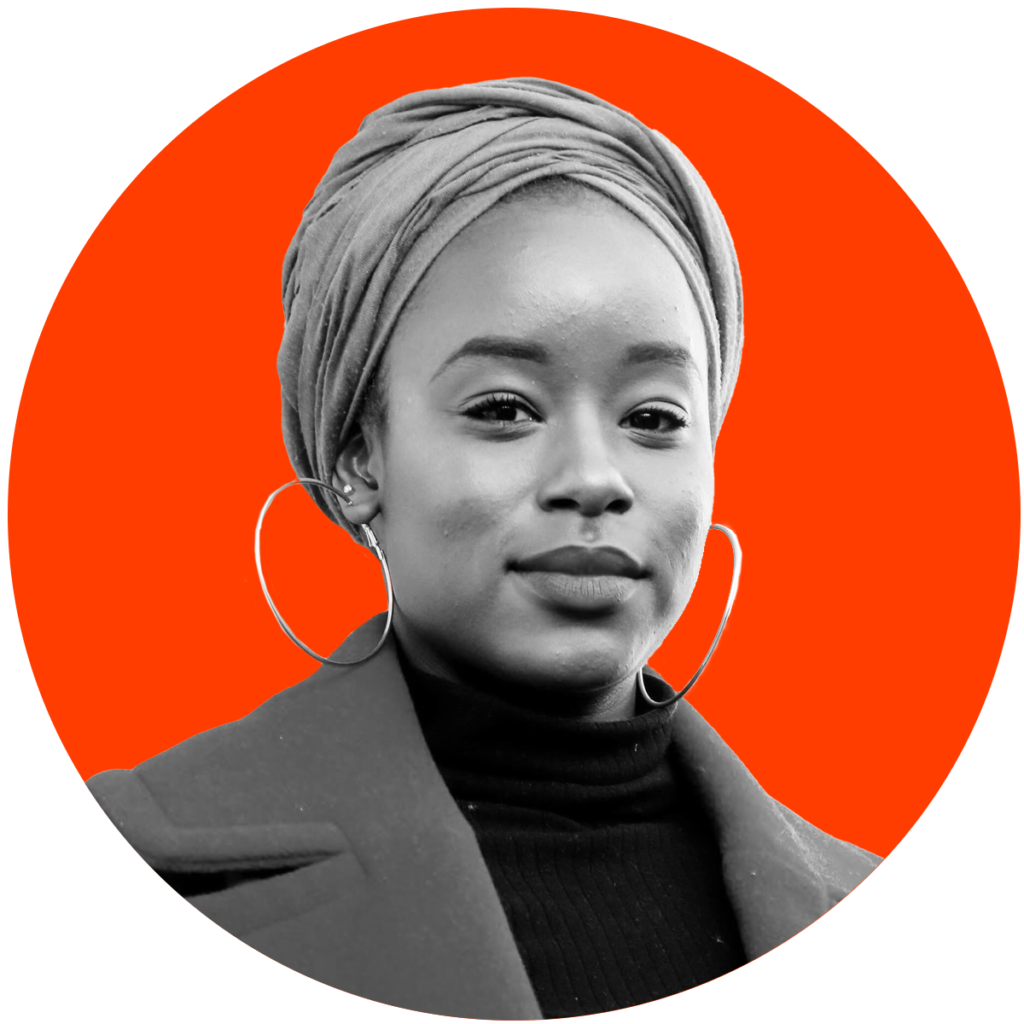
French-Algerian actor Tahar Rahim made his breakthrough in Jacques Audiard’s 2009 prison drama A Prophet, for which he won a César. He has since performed in leading roles in The Mauritanian and the BBC/Netflix series The Serpent, both of which earned him a Golden Globe nomination, as well as Ridley Scott’s Napoleon and the recent Charles Aznavour biopic.
Rahim stars alongside Izuka Hoyle (Boiling Point) in a new six-part thriller Prisoner on Sky, following a prison officer and a trained killer who become the target of a deadly manhunt.
Rahim lives in Paris with his wife, the actor Leïla Bekhti, and their four children.
How do you start your weekend?
Coffee and a cigarette, either at home or at a French brasserie. I like watching people while the city wakes up. That’s the moment I really like — just after fajr.
Favourite area in Paris?
The fifth arrondissement. There’s a good mood, beautiful parks, not too crowded, not much traffic. The 18th is great too.
Where do you like to eat?
A small brasserie called Pradel in the 18th arrondissement. I get a steak and salad, and they do this avocado and prawn starter that’s amazing. And the meat is halal.
How do you spend weekends with your children?
Related content
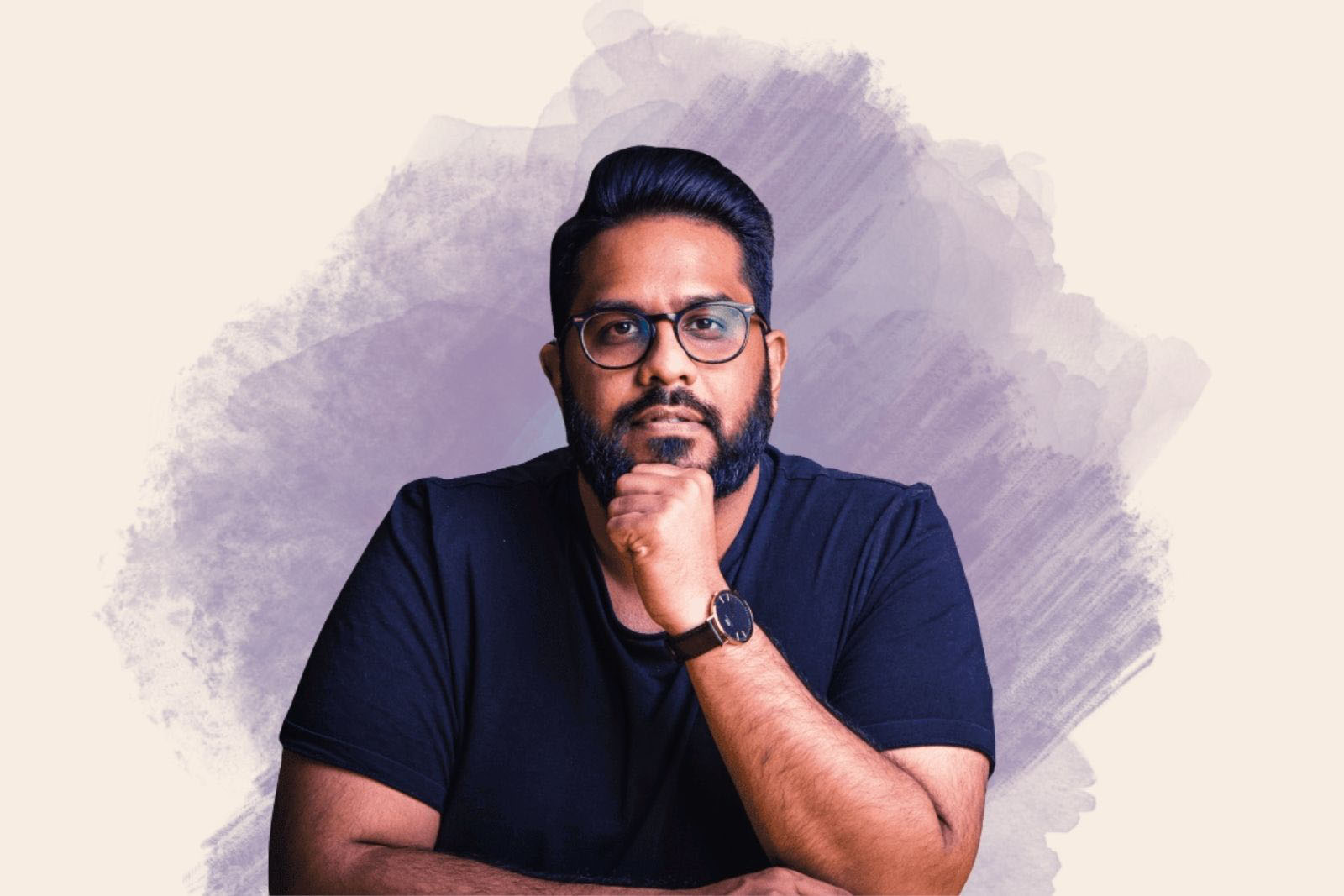
We play football, draw, play Uno. Like every parent, I guess. We have a cinema club every Saturday evening at home.
What was the last thing you watched together?
Jack with Robin Williams. He plays this boy who grows too fast and doesn’t know how to fit in. It’s really moving.
And what are you watching yourself?
I rewatched A Streetcar Named Desire recently. I’m in a Marlon Brando phase — I want to watch everything.
What films do you always go back to?
Taxi Driver. It’s a masterpiece. I also love a good Jim Carrey film just to relax, and old black-and-white French films. And of course, The Godfather.
Describe your perfect Sunday
Sleeping in, staying in pyjamas until noon, then taking my motorcycle, getting a coffee, seeing friends I don’t have time to see during the week and ending with a good film.
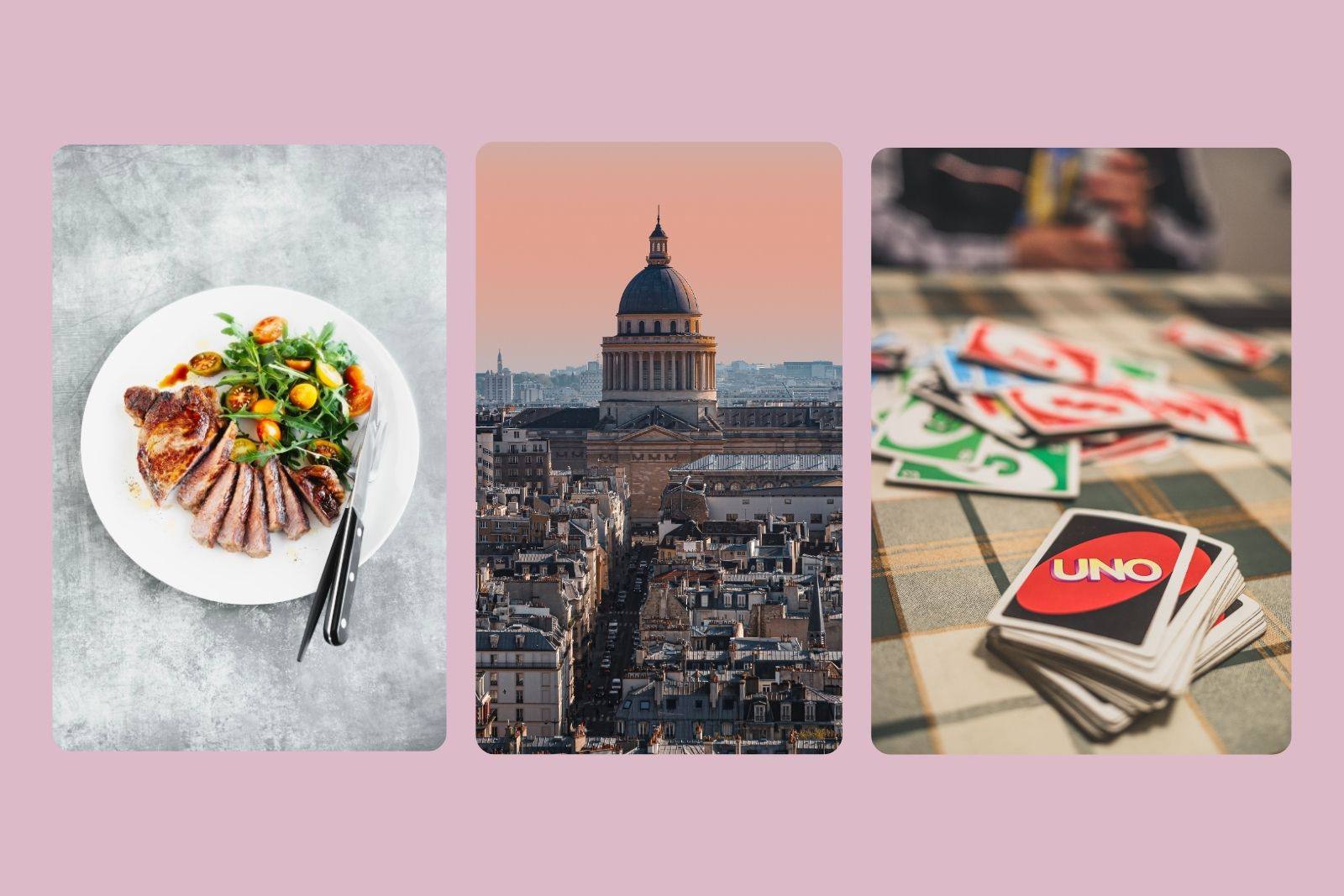
You’re in London for the Prisoner press tour — what do you like about the city?
I love London. I come with my wife and my kids to see musicals and just wander around. I think it’s a beautiful city and people are really connected. I love walking in the streets and taking in the energy. It feeds me a lot.
How does London compare to Paris?
So different. When I first moved to Paris, I walked a lot too. I don’t know street names, but I could draw Paris just by walking around it. I do the same thing in New York or Bangkok — those big cities.
You grew up in Belfort in eastern France. How did that shape you?
I grew up in a suburb, all concrete, but surrounded by nature. My childhood was the best period of my life. We were all mixed — north African, African, Asian, French, Romani — and very united. That’s where my love for other cultures comes from.
It all started in my building. We couldn’t afford plane tickets, so I’d press the elevator button and travel to different countries through my neighbours.
You’ve spoken before about avoiding stereotypical roles. Has your faith influenced the projects you choose?
Not really, but I have such a strong faith that it’s automatically connected to my choices. If a film is depicting something I don’t like — especially the way Muslims are portrayed sometimes — I won’t do it.
When I first started working abroad, especially in America, I got offered a lot of terrorist roles, and I refused them. I told my agents: “I’m never going to do this because it’s not going to help change people’s minds.”
Then The Mauritanian came along, and I thought it was important to do because it was beyond cinema. I felt like it could help that man and I think it did.
What made you say yes to Prisoner?
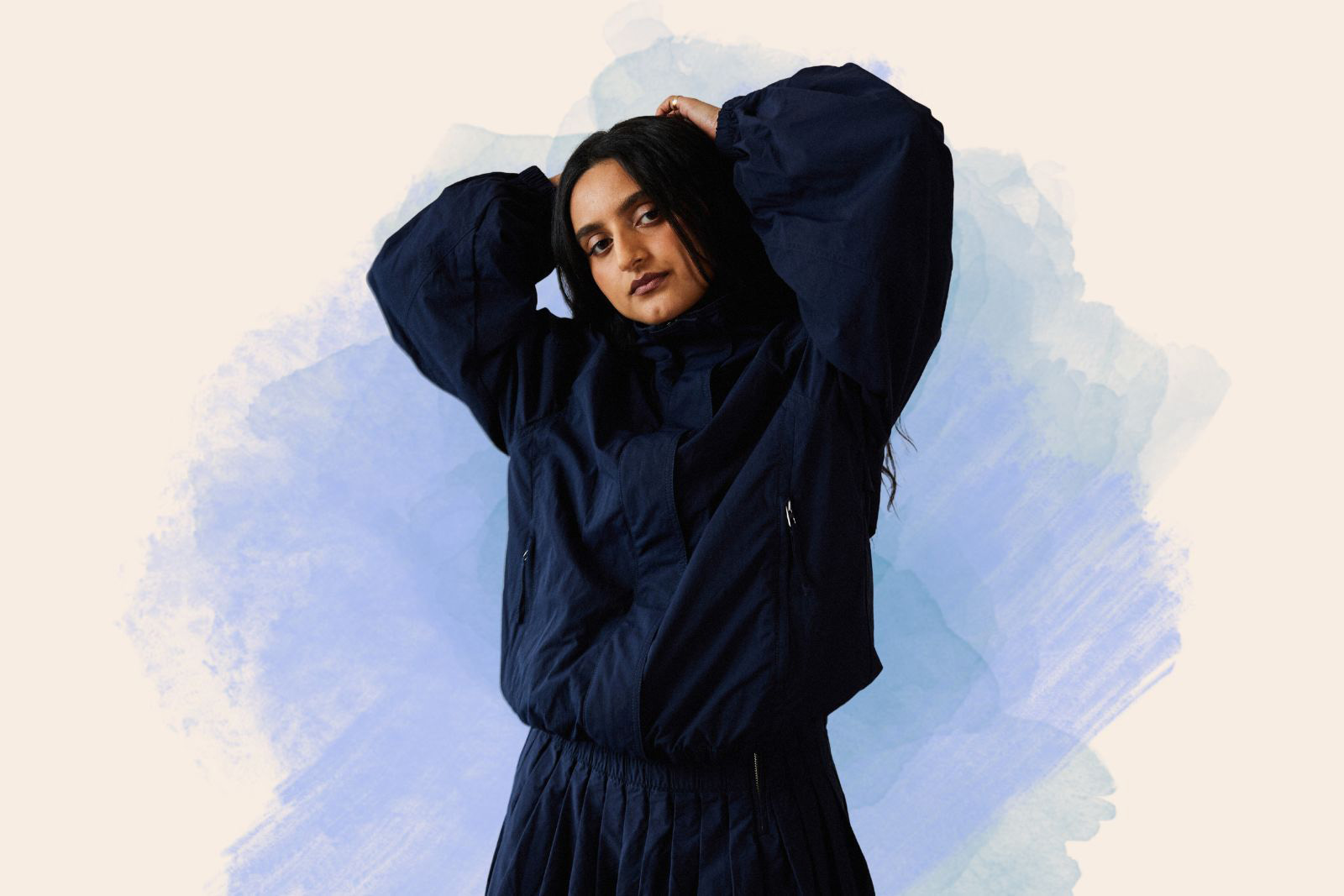
The whole concept. Two antagonists on opposite sides of the law, forced together. I always wanted to do action, but not action for action’s sake. It needed to mean something. The action in Prisoner is rooted in drama.
How did you prepare for the role?
I worked with a psychologist on the script. We talked a lot about the difference between a sociopath and a psychopath. I don’t think anyone is born evil. The important thing for me was that the character develops empathy over the course of the story.
Is there a genre of film you’d still love to do?
A proper western. It’s a childhood dream. I grew up watching them with my dad and brothers.
What advice would you give to young Muslim or north African actors?
Keep dreaming, keep working and believe in yourself. No one will do it for you if you don’t do it yourself.
All episodes of Prisoner are available on Sky Atlantic and NOW.