
Pearls of Islam’s tour is a way to thank Allah for 20 years in music
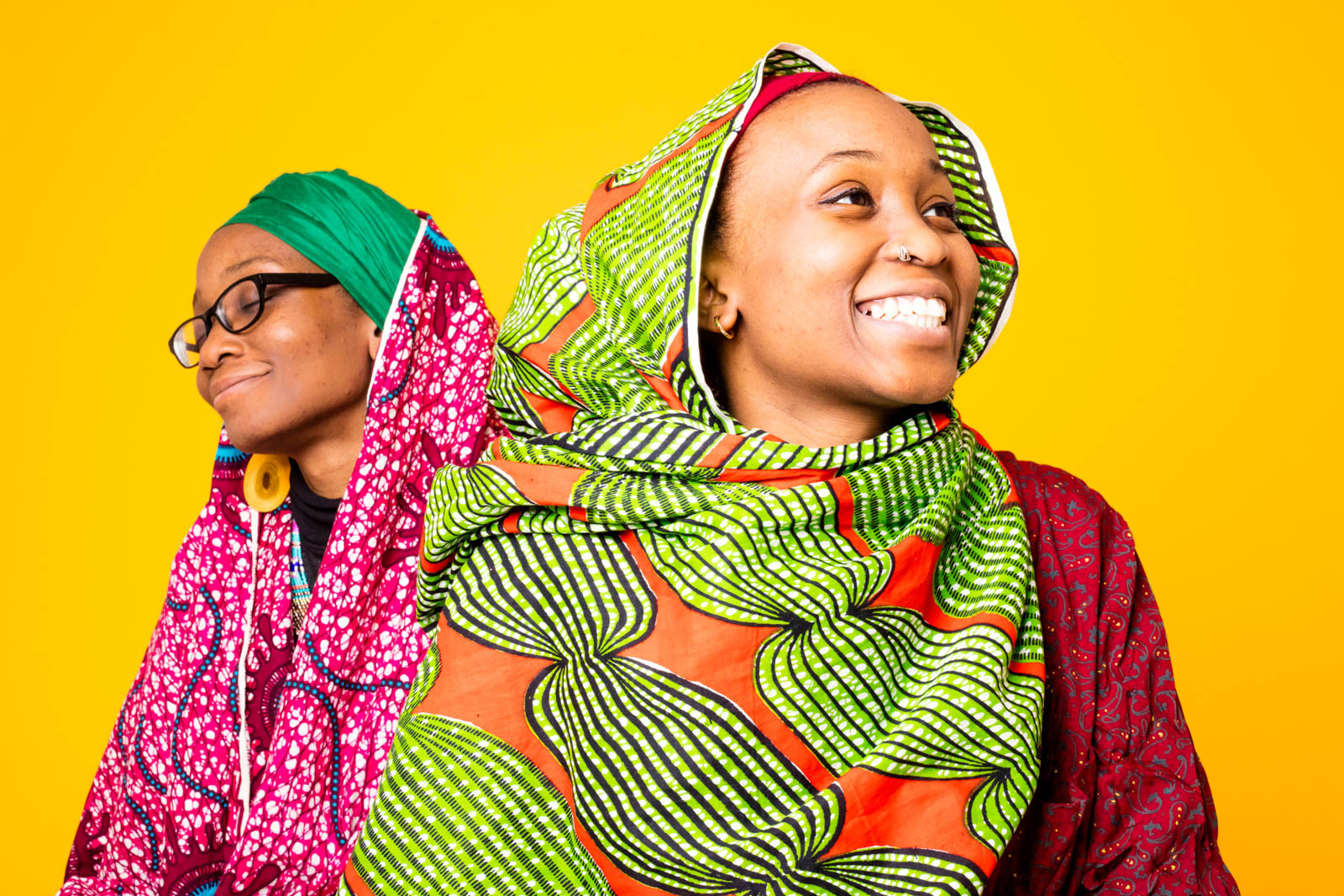
The sisters go back to the small venues and intimate vibes that kicked off their two-decade career
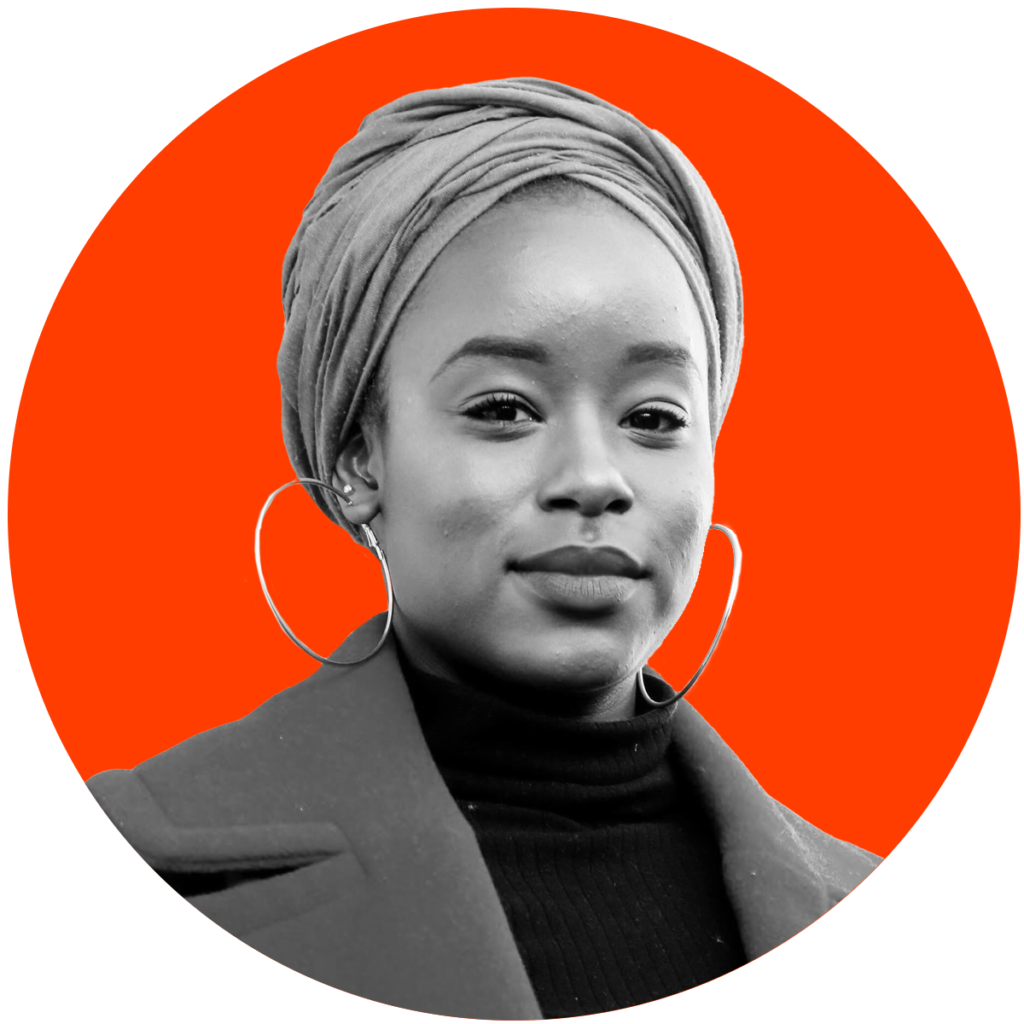
“Our journey has never been planned. You make an intention and Allah opens up the way, and I feel like the journey of Pearls of Islam is definitely a reflection of that,” says Sakinah Lenoir.
That approach has guided Lenoir and her sister Rabiah Mali throughout their musical journey. The pair never set out to become performers, but over the past 20 years the duo have become known for blending traditional nasheeds and Islamic poetry with acoustic instrumentation. Now, they are celebrating that anniversary with an intimate coffee shop tour that has sold out across the UK.
Related content
The sisters see the anniversary as an opportunity to pause, give thanks to their supporters and return to where it all began. The tour is deliberately small, taking place in Muslim-owned, community-focused venues, from cafes to farms.
“We wanted to bring it back to how we started — in very intimate spaces, at the back of coffee shops, community centres, people’s homes,” says Mali. “If we could invite people to our home, then that’s what we would do.”
As Pearls of Islam, they have spent the past two decades creating spaces of connection through devotional song, storytelling and community-building. Bringing people together has always been as important as the music itself.
“We wanted to do the coffee shop tour to really sit in a space of gratitude and thank Allah for all these years,” says Lenoir.
The sisters, whose parents converted to Islam, grew up as British Caribbean Muslims in London without an inherited Muslim cultural tradition. As a result, creativity offered a way to explore and express their faith. Their mother, for instance, would rewrite nursery rhymes, giving them an Islamic twist.
“She would take London Bridge Is Falling Down and put an Alhamdulillah in there,” says Lenoir.
Both parents encouraged their children to embrace singing, telling stories and making art as expressions of faith, while visiting religious teachers exposed them to devotional poetry and nasheeds from around the world. Sheikhs from Malaysia, Singapore and beyond brought drums and songs with them, creating an environment that showed the sisters the richness and diversity of Islam.
The seeds of Pearls of Islam were planted at a Caribbean community Eid event in 2005, where the sisters performed a poem called The Muslim Woman. They were teenagers at the time and had little idea that they were taking the first steps on a journey that would continue to this day.
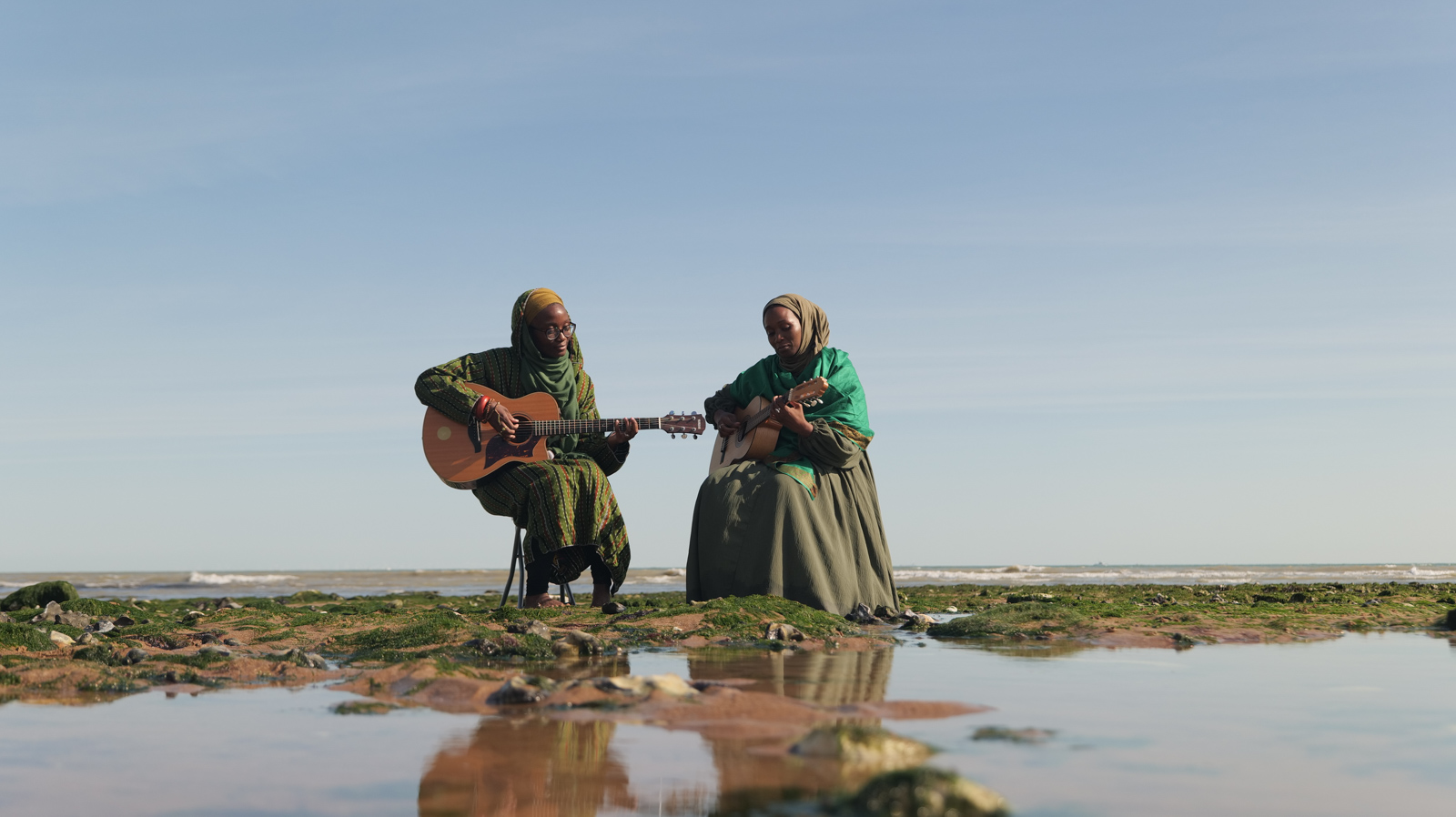
“Islam is such a beautiful religion, but it’s also a religion of so much joy, of community. This is something we grew up with,” says Lenoir. “At that age, being able to stand on stage and speak about our experiences as Muslim women, that was really the foundation of Pearls of Islam.”
Over the years, the sisters have drawn influence from traditional Islamic poetry, known as qasaid, and their African-Caribbean heritage. Among their inspirations are singer-songwriters Dawud Wharnsby and Yusuf Islam, who have both made devotional music feel more accessible to a younger generation of British Muslims.
Pearls of Islam emerged during a particularly challenging moment for British Muslims. The group’s early years unfolded during the aftermath of 9/11 and the 7/7 London bombings, a time when Muslim communities were under intense scrutiny and the subject of fierce public debate.
“A lot of our intention was about the representation of Muslim women and the representation of blackness within Islam,” says Mali.
At the time, there were few visible Muslim women artists — and even fewer Black Muslim women — occupying creative spaces. Now, the picture is somewhat different.
“Alhamdulillah, we are no longer the only ones out there,” says Mali. But Pearls of Islam’s journey has never been solely about music.
Travelling across the country and meeting Muslim from all walks of life gave the sisters an insight into crucial the needs of the communities they were visiting. Over the years, they have launched an array of initiatives including the Rabbani Project, women’s retreats, a drumming school and a healing collective — all spaces where women can come together, reflect and connect.
“One of the core parts of this is actually sisterhood,” says Mali. “I think that term can sometimes conjure up this image of friendship and spending time with people, but I’m speaking about this deep spiritual system of upholding one another.”
Those ideas are at the heart of the anniversary tour. “The intention is for it to be a space of community, of storytelling, of poetry, of song,” says Lenoir.
Drawing on a hadith, the sisters hope each venue becomes “a little garden of Jannah”.
“We hope people leave with their heart feeling a little bit lighter and their tongue having recited a little bit of dhikr or learned something new,” Lenoir adds.
The first show of the tour, played at Willowbrook Farm in Oxfordshire at the end of June, was emotional, with many attendees sharing stories of how Pearls of Islam’s music has helped them through difficult periods of their lives and accompanied them on their own spiritual journeys.
Related content
As they look towards the future, the sisters are thinking about how they can continue to learn, teach and serve their community. They speak with excitement about the next generation of Muslim artists and the new forms of expression that will inevitably emerge.
“It’s going to sound different because it has to reflect this new generation that’s coming,” says Mali.
When asked about legacy, it’s clear that fame and acclaim are not the goal for either Lenoir or Mali.
“My only concern is that when I leave this world, Allah is happy with what I’ve done,” says Lenoir.
For Mali, it’s about their songs continuing to offer comfort and joy long after they are both gone.
“If one person listens to one of our songs and says, ‘This has made me fall back in love with Islam,’ then that’s the biggest legacy.”
Pearls of Islam’s Coffee Shop Tour 2026 continues in venues around the UK, concluding with an online gig on 12 July.