
Liverpool Arab Arts Festival is a celebration of culture and community
The long-running event’s 2026 edition hosts a diverse range of musical performances, plays, workshops and discussions
Every summer since 2002, the city of Liverpool transforms into a hub of Middle Eastern music and culture. Under the banner of the Liverpool Arab Arts Festival, artists from across the Arab world and its diaspora present performances, plays, workshops and talks aimed at bridging the gap between the city’s diverse communities. As it celebrates its 24th edition with a lineup encompassing 12 performances across 10 days, organisers see the event’s existence as more important than ever.
“With our increasingly divided political climate, it’s vital that we keep spreading our heritage and challenging the negative images that people might associate with the Arab world,” says festival chair Afrah Qassim. “Sometimes we’re put in a box that we shouldn’t be put in and I want our community to be proud, because when I was young I wished I was someone else.”
Qassim’s father Taher moved to Liverpool from Yemen in the early 1990s to complete a master’s degree in public health. He quickly noticed that, despite Yemenis being one of the city’s largest and longest-established Arab communities, they often faced prejudice, distrust and isolation from the wider population.
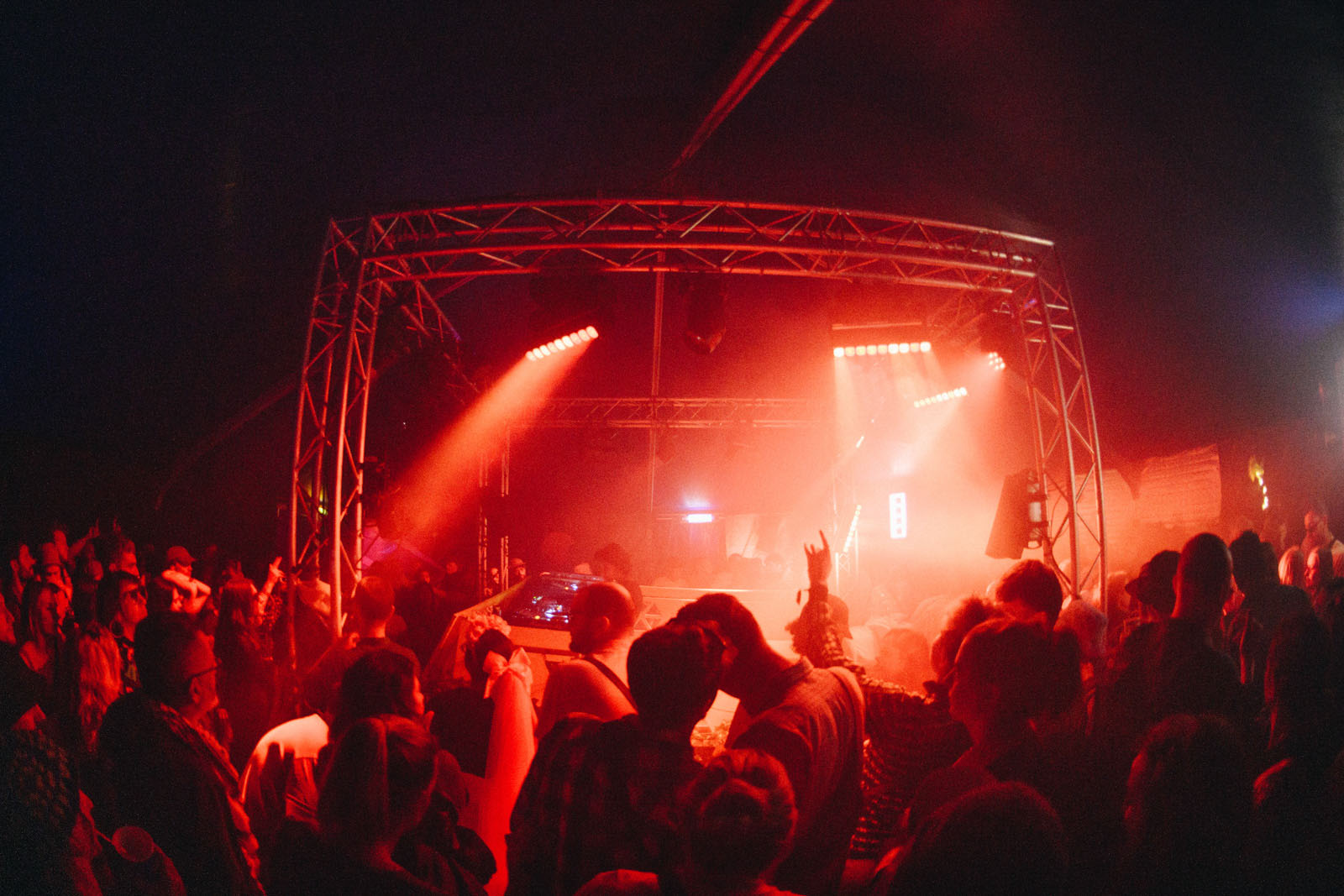
“He felt like culture could help break those barriers and build bridges, so he decided to link with local groups like the city arts centre The Bluecoat to hold a weekend-long celebration,” Qassim says. “He didn’t have any previous experience in putting on events but after that first edition in 2002 it has been growing ever since — all because my father wanted us to be proud of our background.”
Now 73, Taher remains a festival board member and is involved in the event’s cultural outreach programme, in which Arab artists perform workshops in local schools, while his daughter Afrah took the reins in 2020.
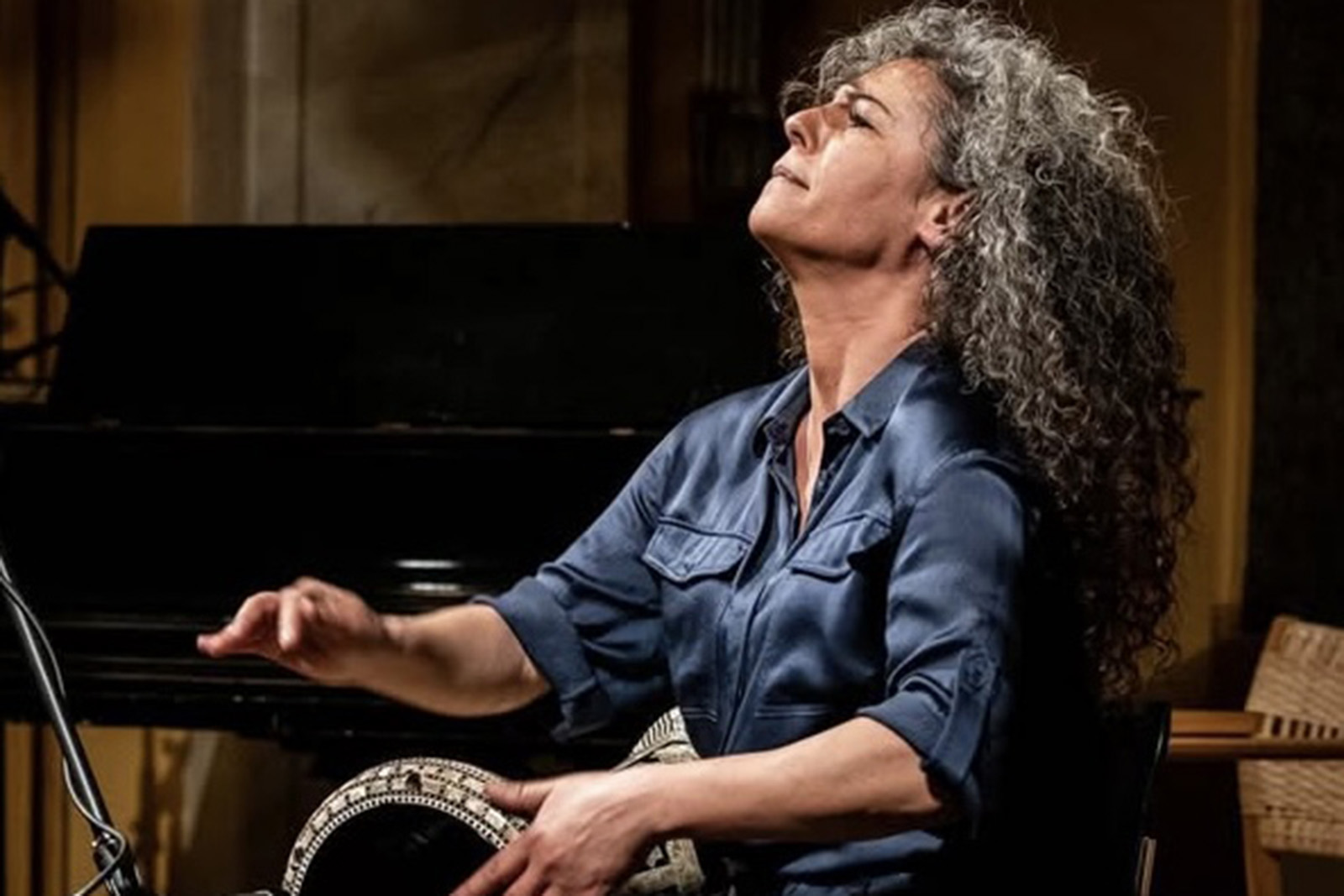
Over the years, the pair have championed a number of artists such as poet Amina Atiq and Syrian composer Maya Youssef, as well as instituting various community building programmes. Qassim mentions the annual Family Day, which features free music, arts and crafts and food stalls celebrating the city’s Arab communities, as well as the Yemeni night, which provides a platform for performers from the country. Regular performing artists, meanwhile, include the Scottish-Egyptian duo the Ayoub Sisters and Palestinian darbuka player Simona Abdallah, whose appearance on the 2026 lineup marks her third time at the festival.
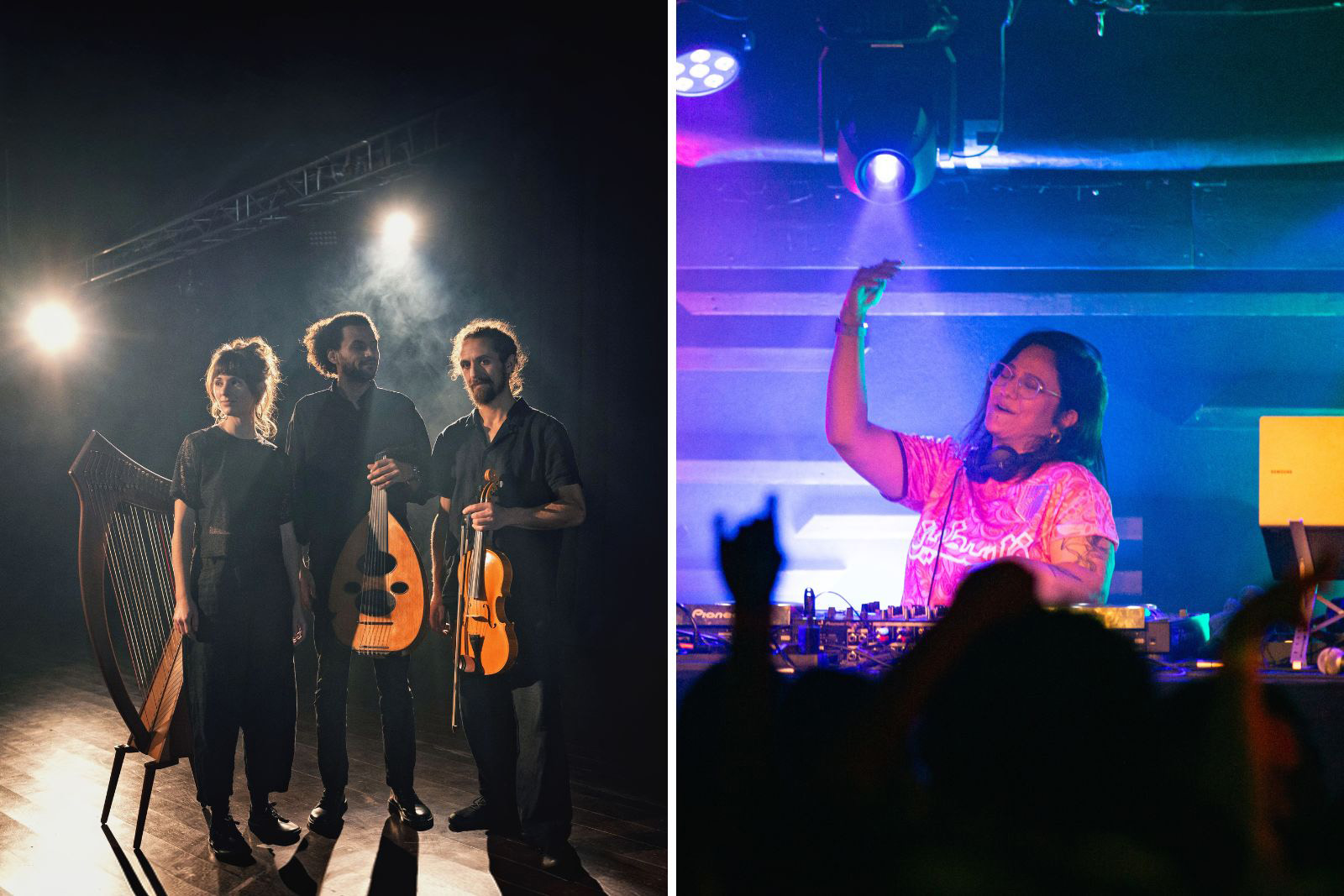
“Playing here makes me feel proud to be an Arab,” Abdallah says. “It brings all nationalities and generations together and it makes it so heartwarming to be a performer. We’re bridging so many differences together through the music and I’ve only ever been received with love and acceptance and curiosity.”
On Saturday 25 July Abdallah will present a talk exploring her three-decade career and a new musical collaboration at Rough Trade Liverpool. “It’s important for me to be able to share my story, since the darbuka is traditionally seen as a male instrument and I have faced a very long struggle for the freedom to play it,” she explains. “The musical performance will express a fusion of modern and traditional cultures, which is exactly what my life has been like.”
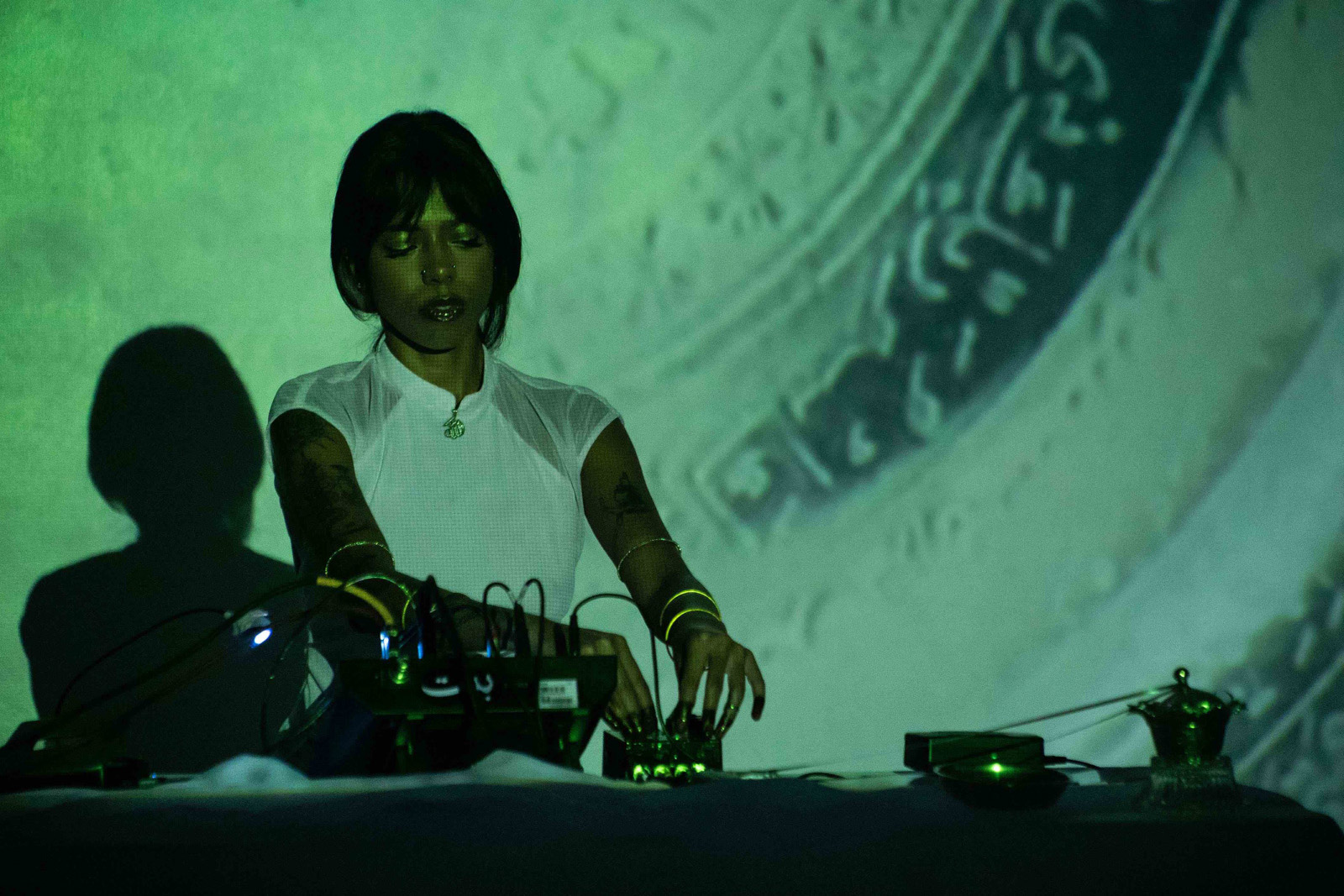
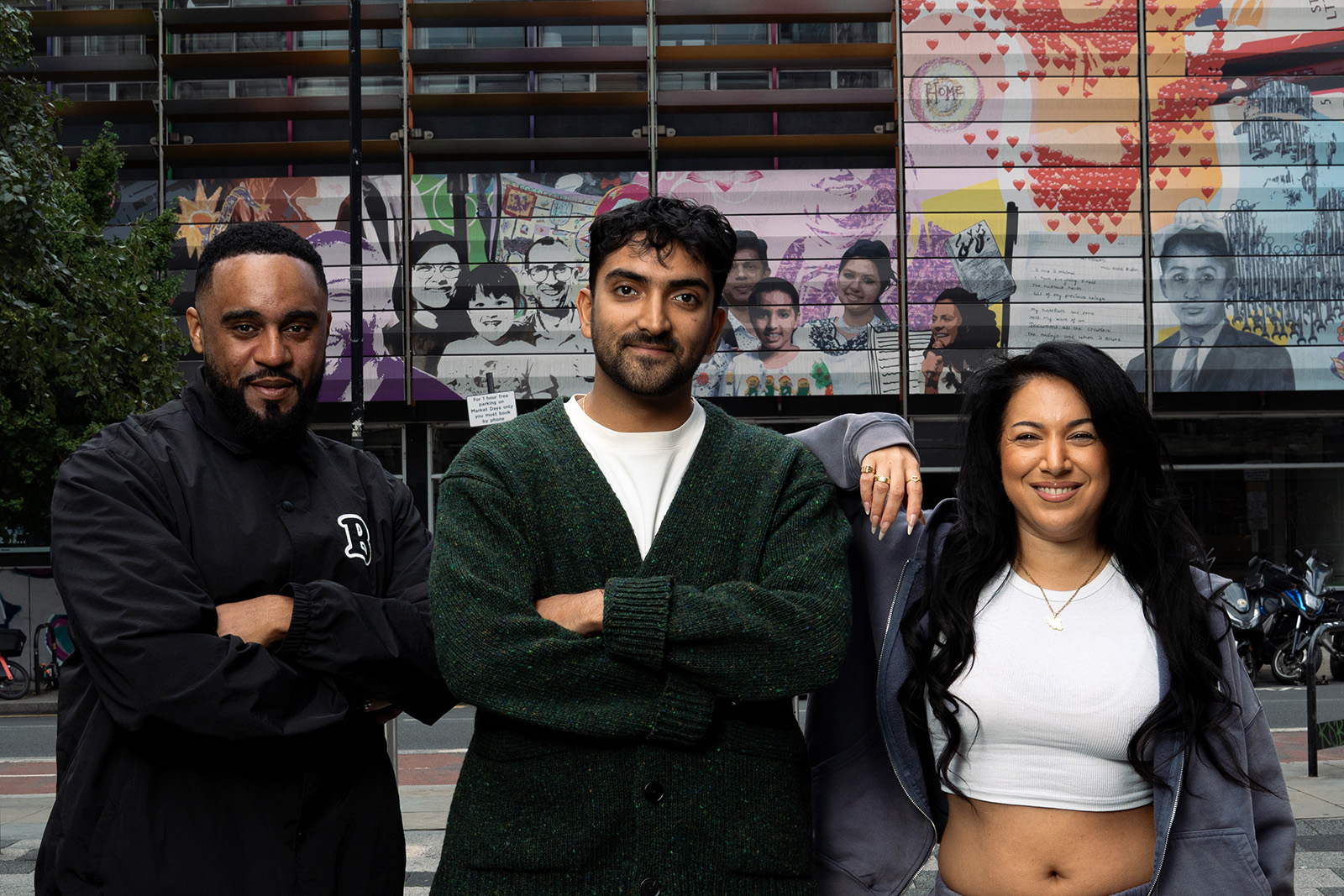
Playing with Palestinian DJ Hiba Salameh and Jordanian producer Yasmeen Soudani, Abdallah will be combining improvised folk rhythms with electronic productions and live turntable mixing, creating new fusions in real time.
“I have no idea what to expect so I’ll be freestyling and syncing with their music,” she says. “In this time of war and horror, it’s so important to be able to connect with each other and play music. You need that shared collaboration to find hope and feel alive still.”
Related content
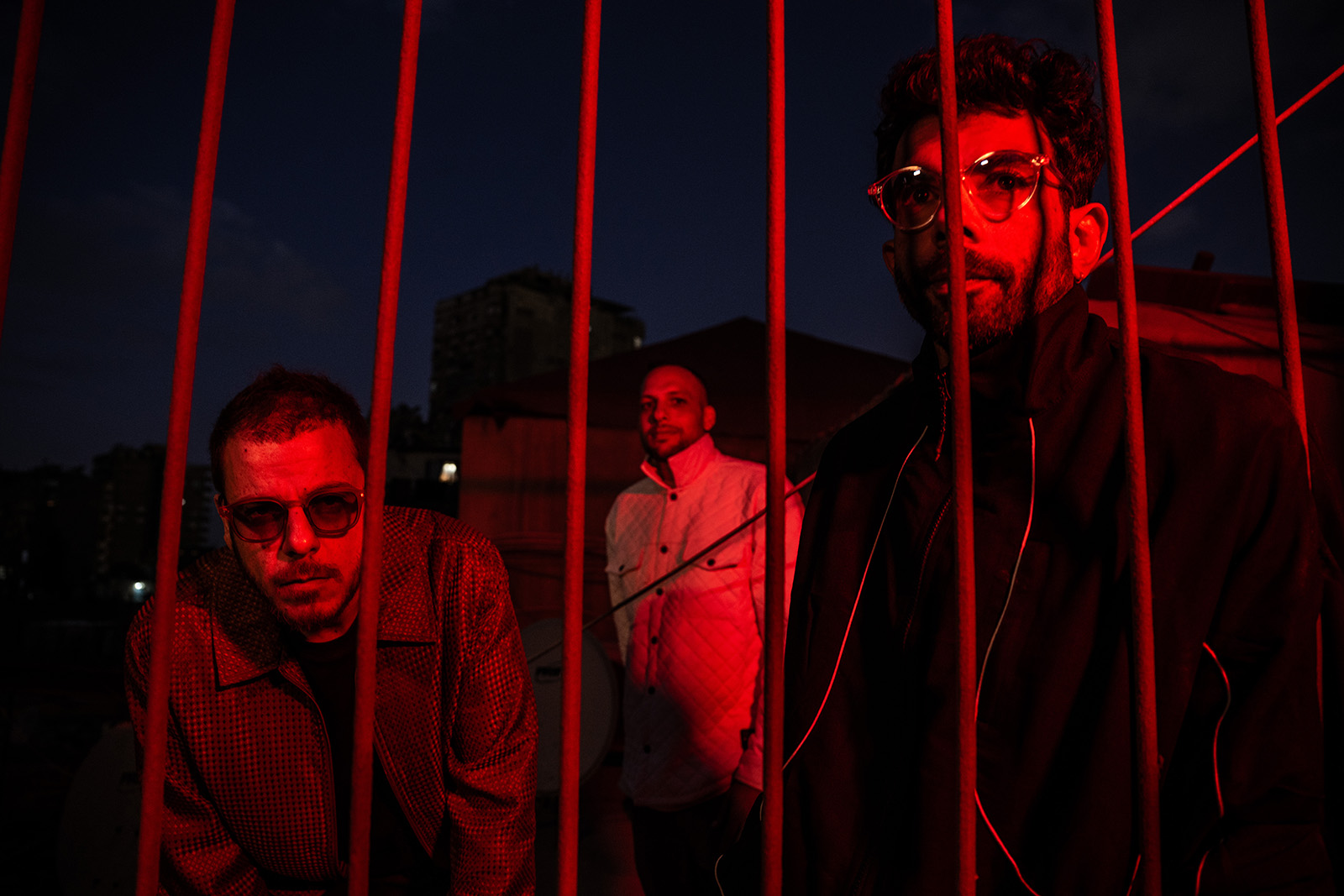
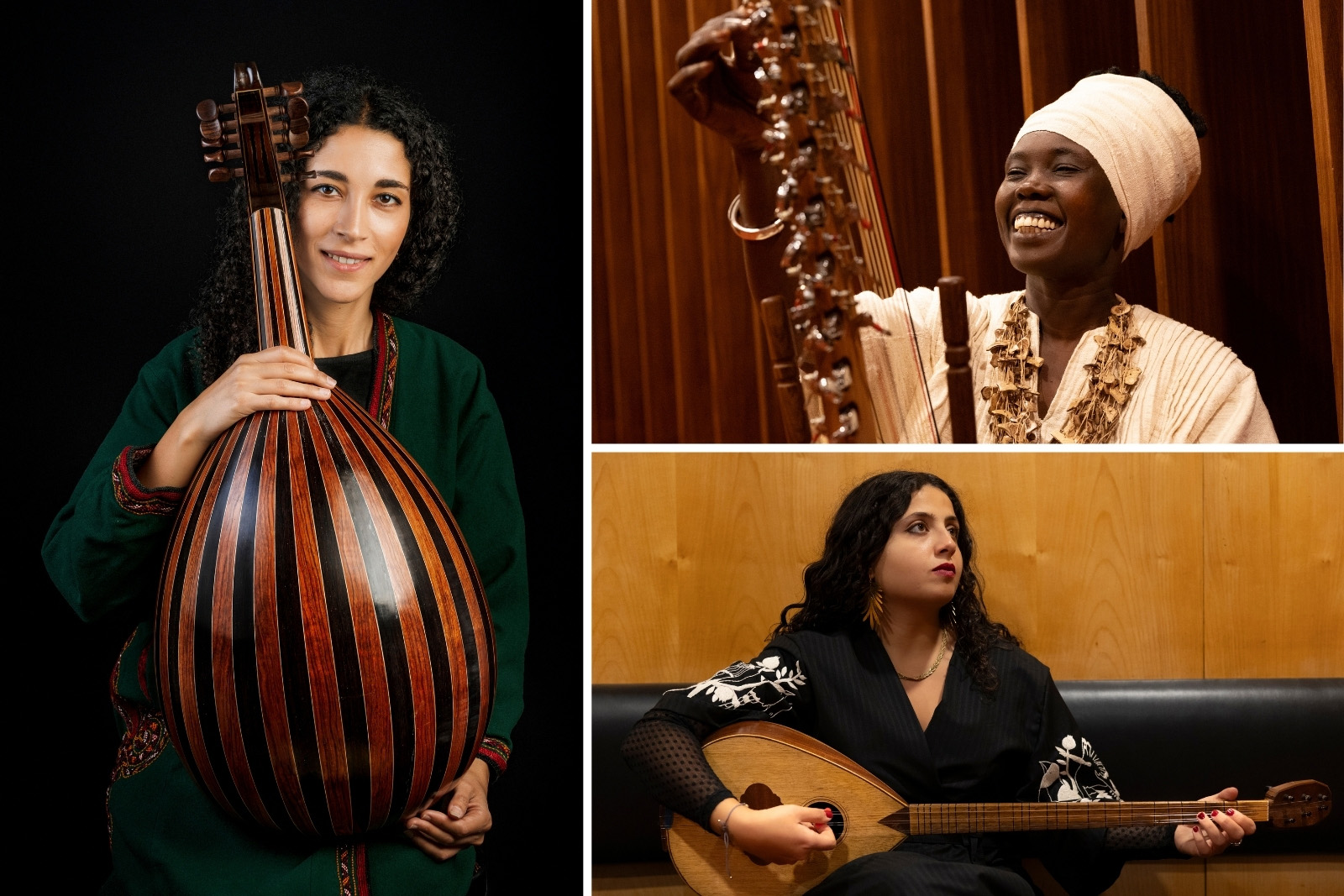
Another cross-cultural collaboration comes courtesy of British folk artist Tamsin Elliott and Egyptian oud player Tarek Elazhary. Their debut at the festival, on Friday 24 July at the Philharmonic Music Room, will present compositions from their acclaimed 2023 debut album So Far We Have Come and unreleased tracks from their forthcoming record.
“We’re both coming from traditional folk backgrounds in different cultures, which is why it works perfectly,” Elazhary says. “We try to find the similarities and meeting points between us while being rooted in our existing knowledge.”
For their second album, which will premiere at the festival, the duo expand those cultural bridging points by incorporating a classical string quartet adapted to play the quarter tones needed for Arabic music.
“It’s amazing to work with a quartet that is quarter-tone capable because it means they can play the nuances of Arabic music and also subvert a western classical format,” Elliott says. “We’re really excited to perform this music on stage for the first time at an event that celebrates the richness that different cultures give us. It’s amazing it exists and long may it continue.”
The festival’s 24-year history hasn’t been without challenges. Funding and ticket sales are never a foregone conclusion, Qassim explains, while early editions faced some pushback from conservative Arab communities who were not keen to participate in music and dance or who would approve only of male attendance.
The current search for a new CEO has also meant the 2026 edition has slightly fewer planned events than usual. Yet, Qassim is hopeful that a milestone 25th edition in 2027 will cement the future of the festival for decades to come.
“We’re planning a bumper edition next year and that will make us quite possibly the longest-running Arab arts festival in the UK, which is a huge achievement,” she says. “Over the years we’ve seen the Arab community growing in Liverpool and becoming more integrated, and we’re excited to keep reflecting the changing face of the city. We have people from all walks of life and backgrounds attending each year now. We’re showing the world that London isn’t everything. We have plenty to celebrate here too.”
The Liverpool Arab Arts Festival runs from 17 to 26 July in multiple venues