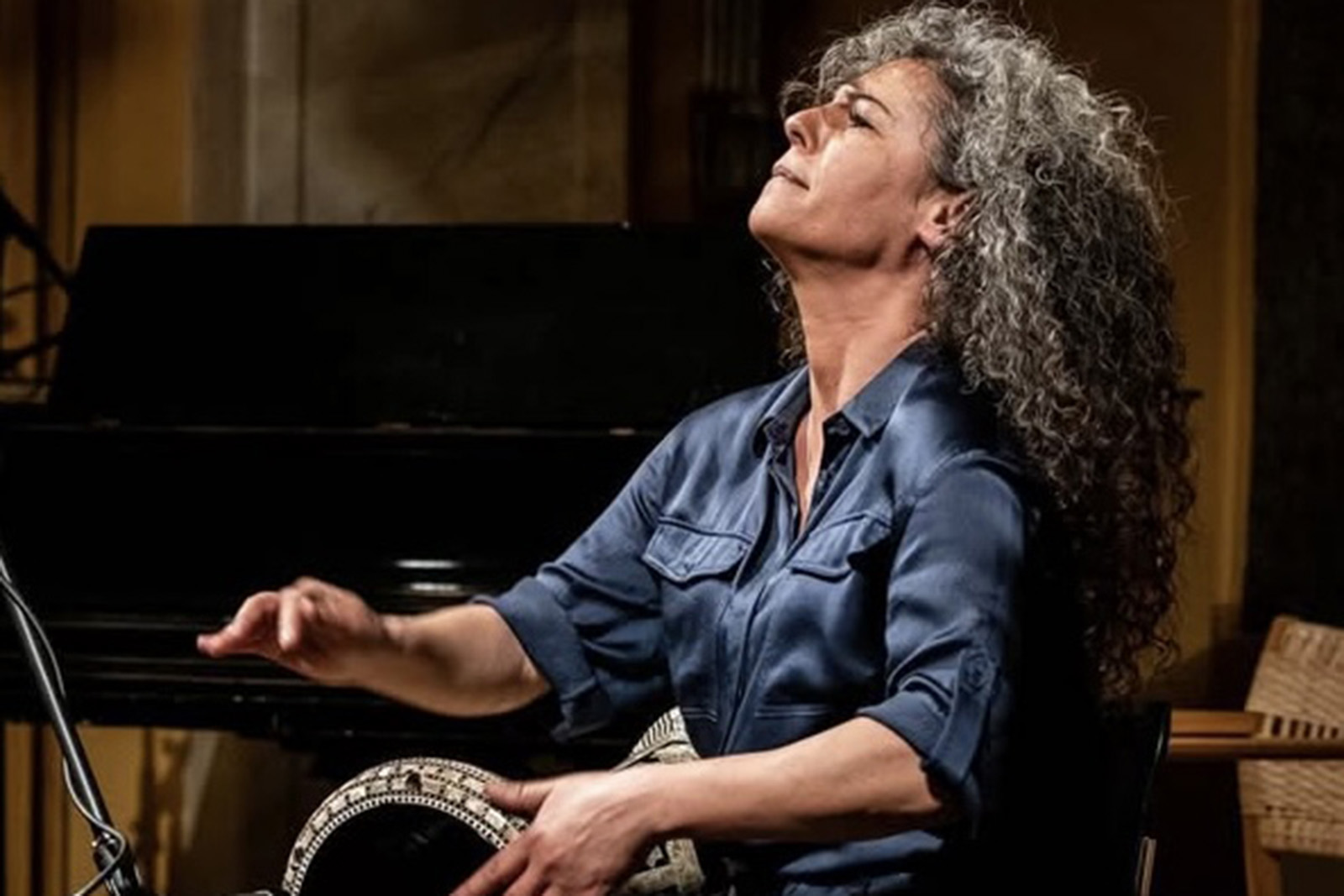


‘Mauritanian music deserves to be known’: Noura Mint Seymali on her desert funk sound
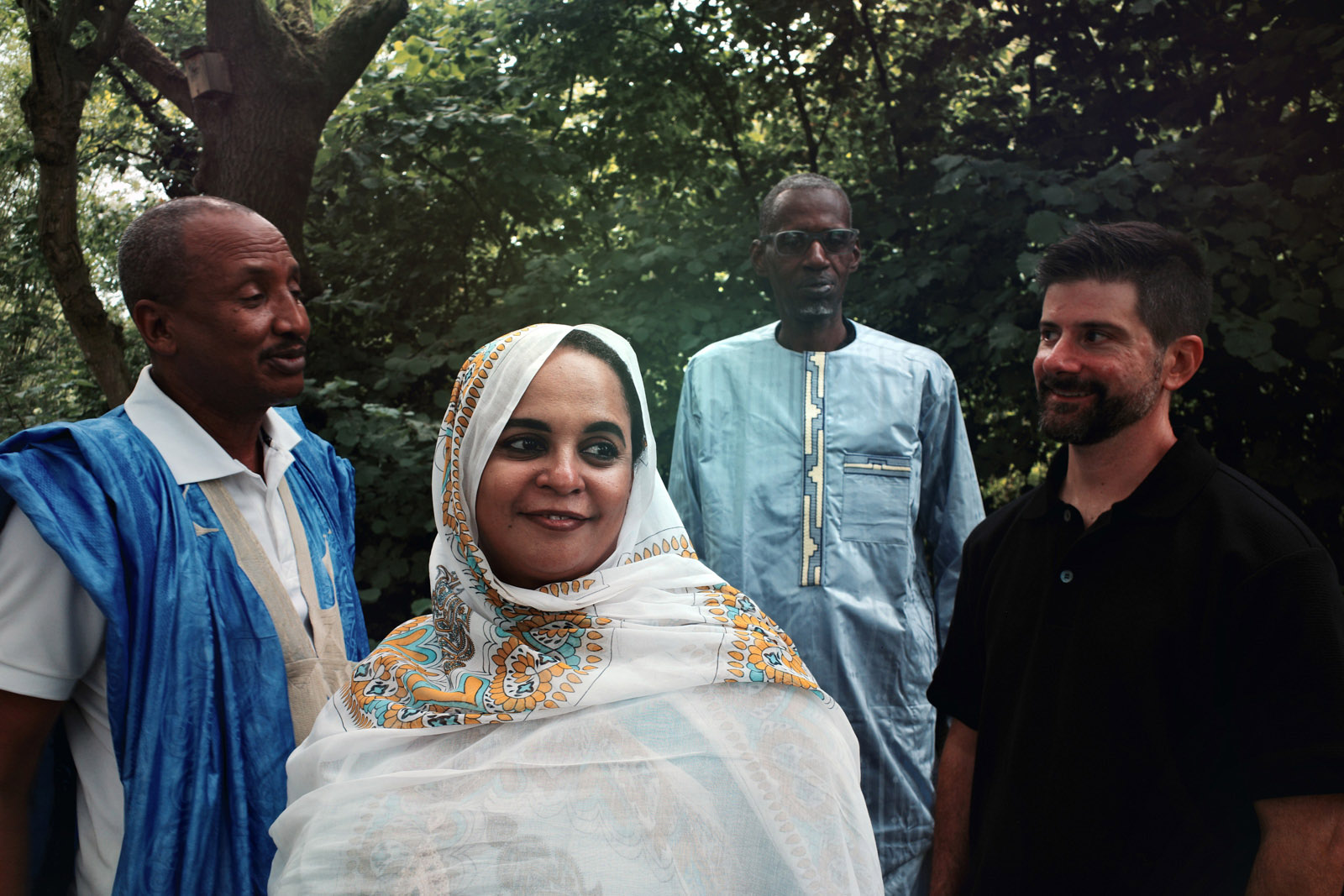
Ahead of her return to the UK as part of a wider European tour, the Mauritanian singer talks about blending traditional music with modern sounds

Noura Mint Seymali has spent more than two decades introducing audiences to Mauritanian music.
Following the release of her latest album, Yenbett, one of Mauritania’s biggest female stars is back in the UK in July for her first performances here in almost ten years, with dates in Falmouth, Womad festival in Wiltshire and at London’s Jazz Café as part of her European tour.
Related content
“Our music isn’t as well known in the rest of the world but it’s very rich,” she says through her drummer and producer Matthew Tinari, who translates our conversation from French.
“I love my country, I love our music. It deserves to be known,” Seymali adds.
Music has been part of the singer’s life for as long as she can remember. Born into a prominent griot family in Nouakchott, Mauritania’s capital city, she grew up surrounded by a rich musical history that had been passed through generations.
Griots are west African musicians and storytellers, dating back to the 13th century, who use music and oral performance to preserve history, poetry and cultural traditions.
As a child, Seymali’s grandmother taught her how to play the ardine — a Mauritanian harp traditionally played by women and believed to have been developed between the 12th and 14th centuries.
Musical talent ran deep in her family. Her late stepmother, Dimi Mint Abba, was known as the diva of the desert, and is credited with being one of the first to bring Mauritanian music to global audiences. And her father, the composer Seymali Ould Ahmed Vall, encouraged her to see tradition as something that could continue to grow and evolve, rather than something fixed.
“Ever since I was very small, I knew I wanted to have a life of music,” says Seymali, who sings in Hassaniya, a language primarily spoken in north-west Africa, including Mauritania. “I’m very lucky to have been born into one of these great griot lineages and was fortunate to grow up around great musicians who were also doing fusion music at the same time.”
One of her earliest memories of performing goes back to when she was around 11 years old. As her voice began to change, her older brother encouraged her to stop holding back. “He really encouraged me to sing loudly and to scream to stretch the vocal cords,” she says.
After years of performing at weddings across Mauritania, Seymali and her husband, guitarist Jeich Ould Chighaly, formed a fusion band in 2004, modernising their sound by blending blues, jazz and rock with traditional Mauritanian music.
Their music combines traditional melodies and instruments like the ardine and the tidinit — a four-string instrument often only played by men — with bass, drums and electric guitar. But this experimental sound wasn’t welcomed by all Mauritanians when they started out.
“Before, many Mauritanians didn’t accept modern music,” she says. “They wanted tradition.”
For Seymali, experimenting with new sounds has never meant completely letting go of the past. “I always keep the traditions. We can’t be 100% modern,” she says.
That balance runs through Seymali’s latest album, Yenbett, which was released in November 2025. Unlike its two predecessors, which were recorded while the band was touring, Yenbett was recorded in Seymali’s home in Nouakchott.
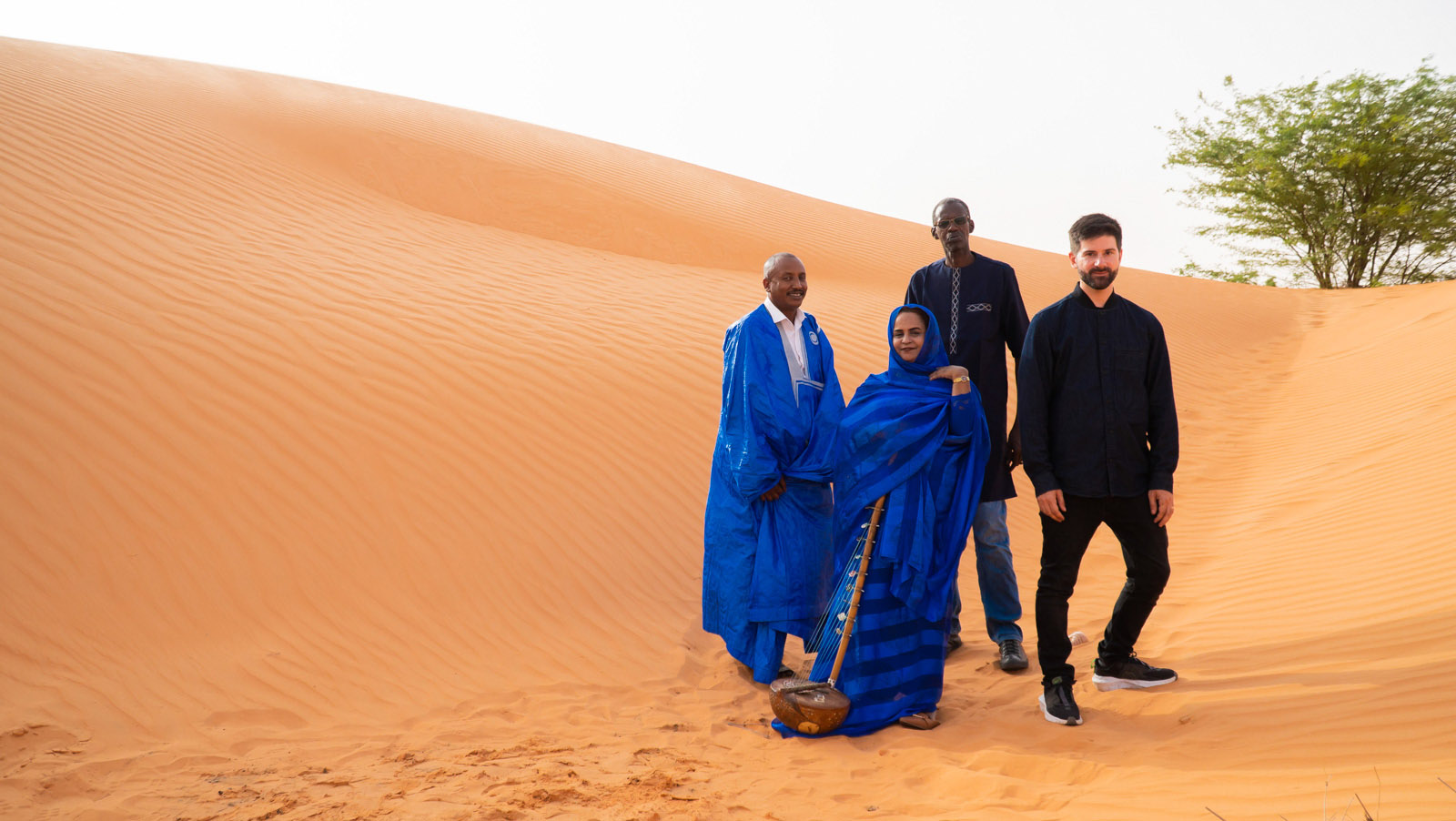
“Yenbett means to grow and evolve, so recording at home was sort of an evolution in the production process,” says Tinari, who produced the album. Recording at home gave the band more time to experiment and invite family musicians into sessions, he explains, something that would have been difficult to do during tightly scheduled studio recordings overseas.
“One of the major differences with the last few albums is that there are some experimental interludes on there,” explains Tinari.
For Seymali, the willingness to experiment goes beyond the sound itself. Her songs have explored subjects ranging from love, faith and spirituality to public health and social affairs.
One of the most personal, Arbina, the title track from her last album, was inspired by her mother’s struggle with breast cancer.
“It’s from the heart. My mother died from this disease,” she says. “I felt I had this role of being able to do public messaging and I just thought: ‘Why not?’ This is a message that people need to hear and I’m in a position to do it.” The song encourages women to seek breast cancer screening, something she hopes might help save lives.
Related content
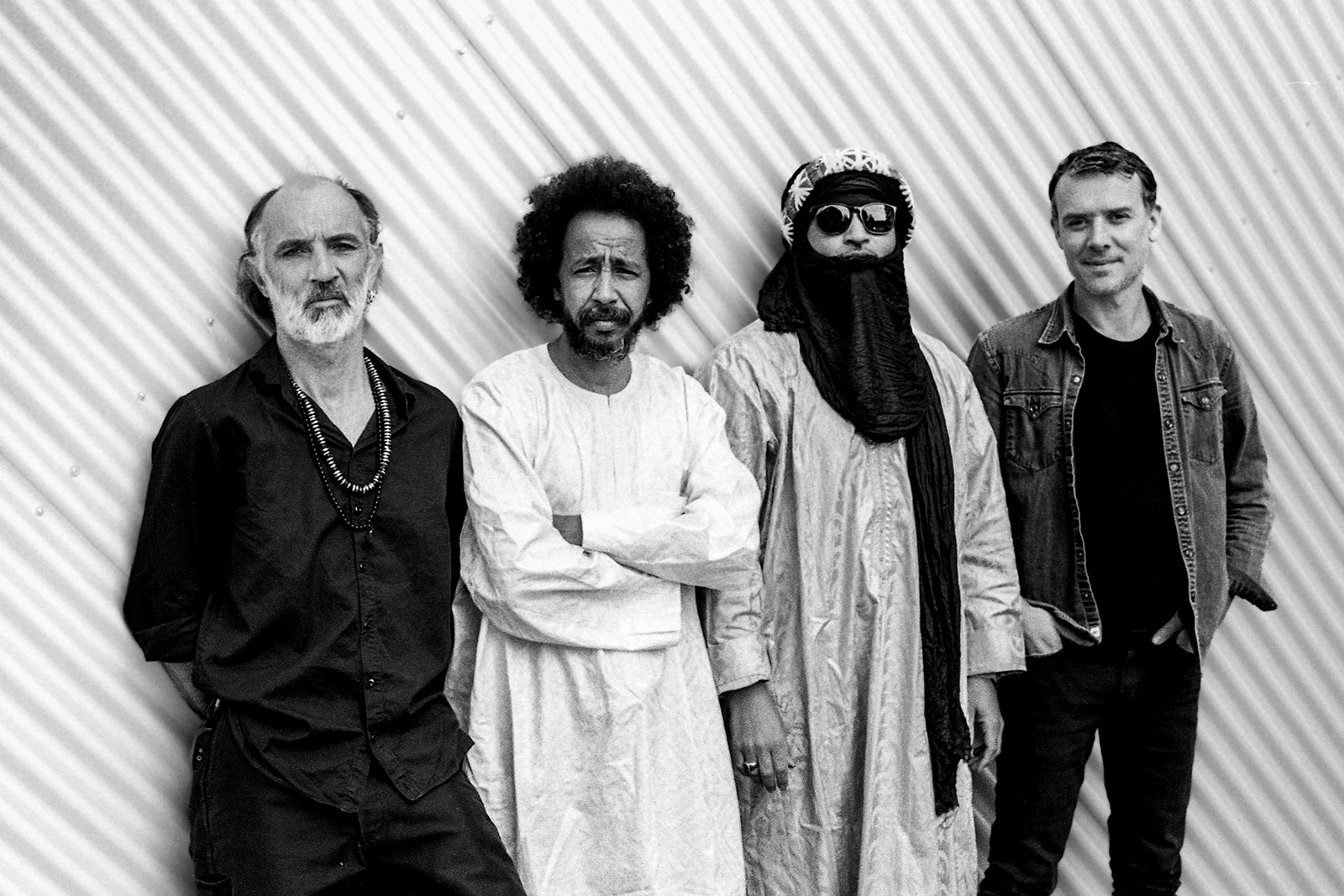
Seymali believes the band’s willingness to experiment with its sound has helped it connect with younger generations. “For many years I was collaborating with rappers, and across ethnic lines and genres, which in Mauritania, was not a given at all for artists from my traditional music world. But I also sing in certain modes that I know are for an older crowd — I can play to the traditionalists and also to those who like the experimental sound.”
In 2025, Seymali won the Womex artist award, which recognises craft and creative achievement.
Rather than following the same setlist every time, Seymali says she tries to study the audience before deciding which songs to perform. “I always look at the audience before choosing the songs,” she says. “I have many songs and I choose the ones that feel right.”
Asked what she hopes British audiences — particularly those who haven’t heard her music yet — will leave with after her UK shows, Seymali is not bothered about reviews or album sales.
“I want them to feel the music,” she says. “Whether they speak Hassaniya or not.”
Noura Mint Seymali is playing The Cornish Bank Summer Camp festival, Falmouth on 24 July, Womad on 25 July and the Jazz Café, London, on 26 July.