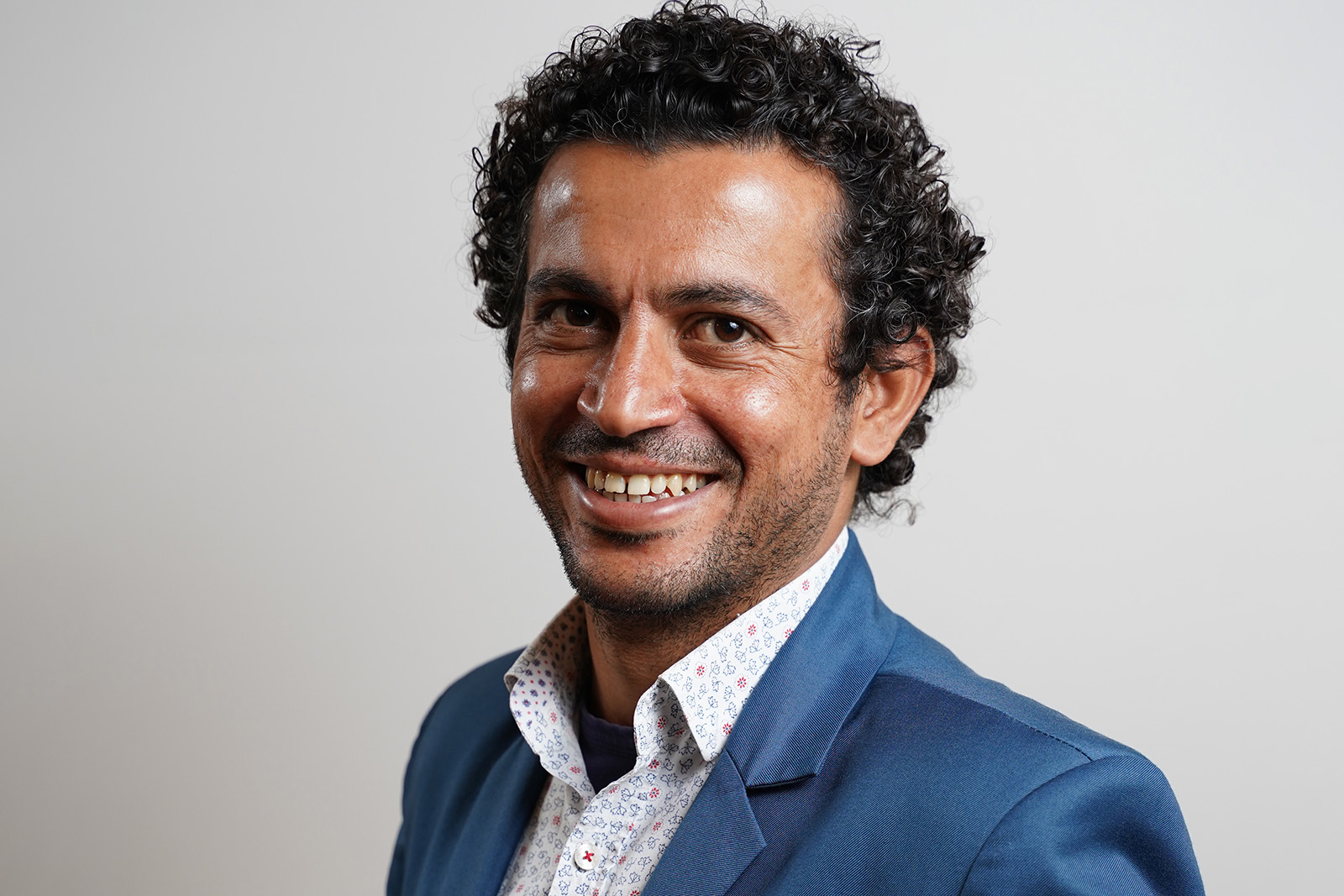

Dancer Omar Rajeh: ‘It’s not possible to repeat what I do’
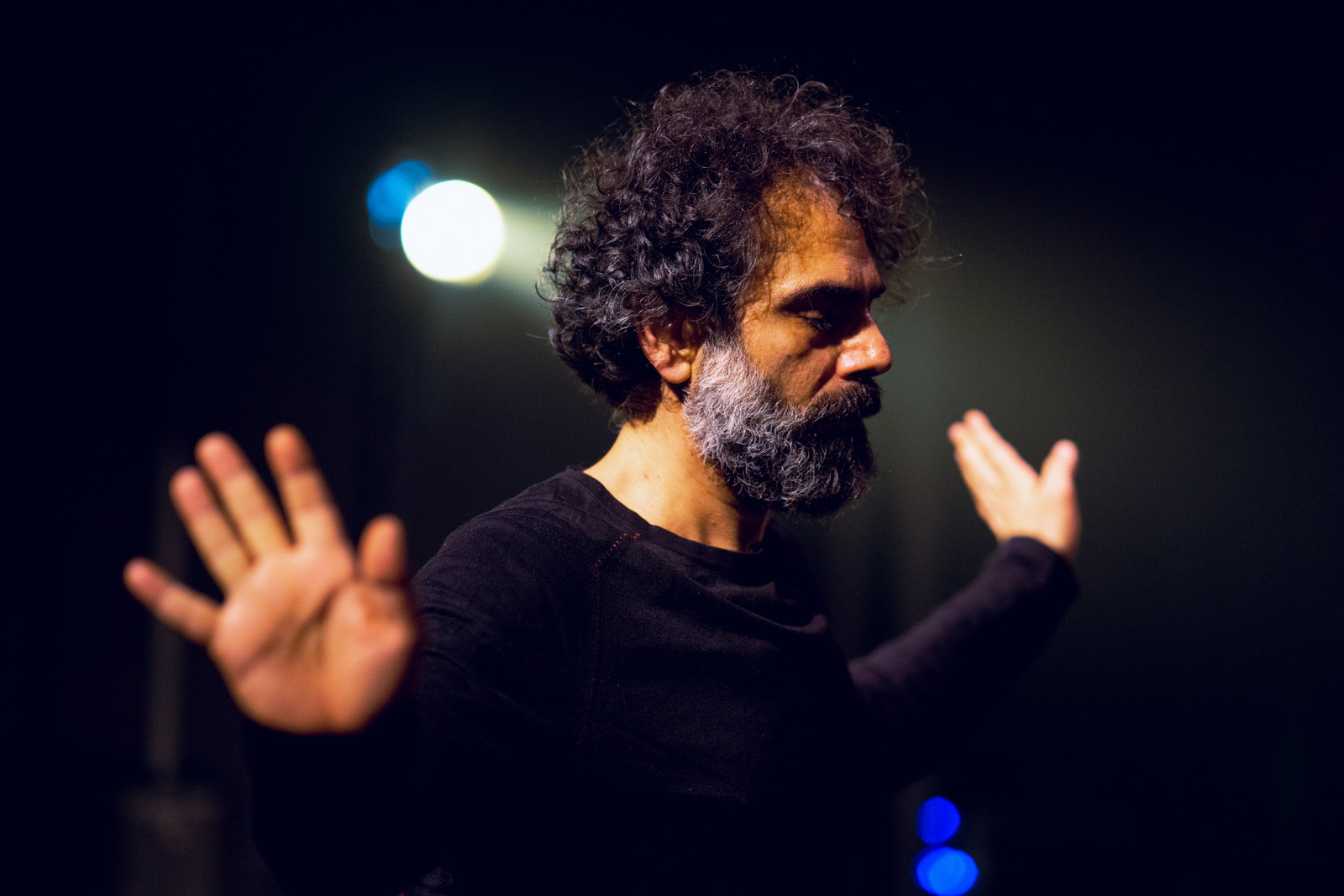
Rajeh will present his latest solo performance Dance Is Not for Us at the Barbican on October 16 and 17

Omar Rajeh never intended to become a dancer. He grew up in the mountains of the Chouf region in Lebanon and imagined that he would one day become a scientist. A group of friends were presenting a folk dance performance in the local town, when one of the dancers was injured. Rajeh, who was 16, stepped in as a replacement. A year later, he found himself choreographing for a company of 19 dancers. “My beginning in dance, it happened by chance,” he says.
In 2002, at 26-years-old, Rajeh founded his own dance company Maqamat. That year, he staged its first production, a work interrogating the experience of young people in Lebanon as they contend with politics, sectarianism and their dreams of the future.
Related content
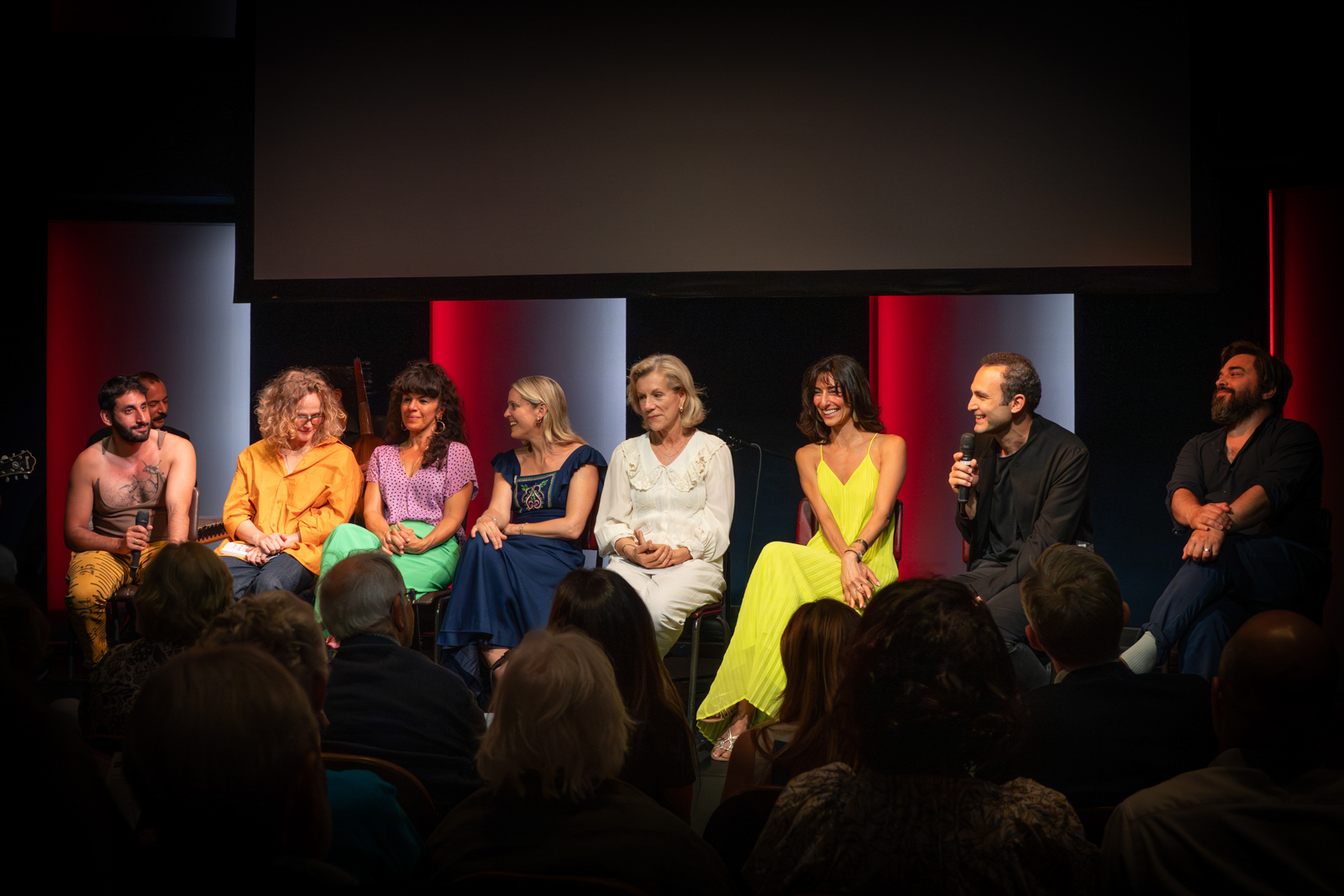
Rajeh, who is also founder of the contemporary dance festival Beirut International Platform of Dance, and a recipient of a Chevalier de l’Ordre des Arts et des Lettres, has presented more than 20 choreographic works internationally. Earlier in 2026, Maqamat, which Rajeh leads with his partner Mia Habis, performed at the Venice Biennale.
Taking to the Barbican’s stage on 16 and 17 of October as part of the Dance Umbrella Festival, Rajeh will present Dance is Not for Us. A solo performance, Rajeh’s latest work is a reckoning with his own past: his life in Beirut and the burdens of making art in that context, and his relocation to Lyon, France and the upheavals that led to that experience.
Describing himself as a dancer first and foremost, Rajeh is resistant to other labels. “It’s very much a capitalist way of thinking,” he says. “The intimacy of the creation is always wiped out with these big labels, nowadays, of religion and nationality or race.”
Rajeh’s style of choreography is also one that defies categorisation. As a student, he was obsessed with understanding technique. “This is the Graham technique, this is Limón, this is classical ballet, this is jazz,” he says. But over the years, as he staged new works and studied dance — beginning research towards a PhD in the subject — his perception of movement changed.
He found himself conceptualising dance in a new way, becoming interested in the possibility of the medium as a form of communication, reliant on rhythm rather than strict form. Rajeh calls his approach the “maqam practice”, or “circling”, in which his performances consist of instant creations in the moment. He is drawn to the spontaneity and urgency of movement, as opposed to dance that is safe, palatable.
“I call it a practice because it’s not a method. It’s more like a conceptual approach to the body,” he says. “Playing with these different centres of signification in the body — whether it’s the fingers, the wrist, the elbow, the shoulders, the chest, the knees.”
In abstract terms, he began to see the body as a system that rearranges and shifts constantly. In practice, the improvisational nature of his style means that each performance of a single work, though adhering to an outline, is somewhat unique. The composition is a proposal, but within it, things keep moving.
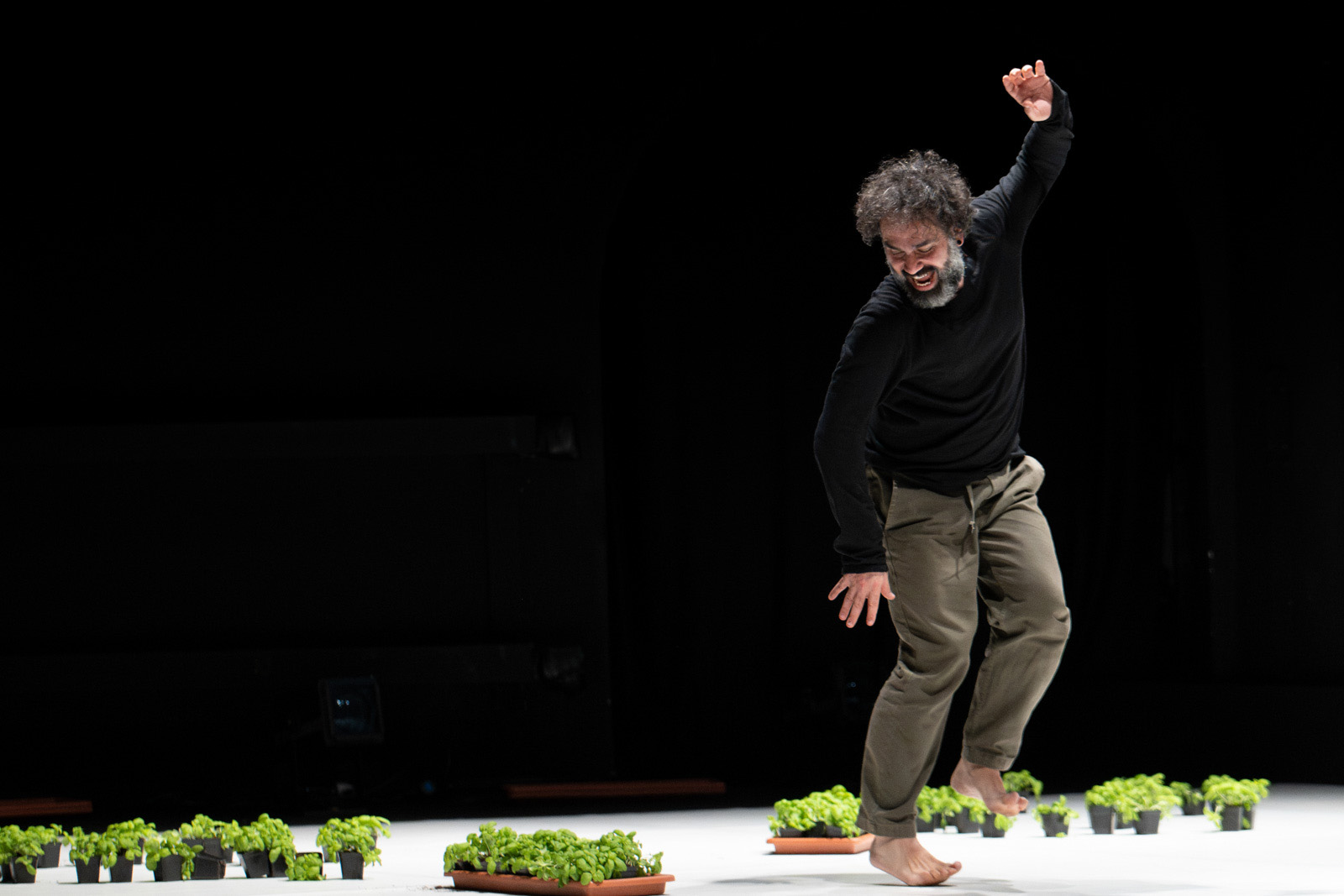
“It’s not possible to exactly repeat what I do,” he explains. “I stand, I lift my hands, I go down to the floor, I turn. I probably do all of these things, but it’s a continuous movement and the essence of the movement is not form. It’s the rhythm and the relationships between these centres of signification for each specific moment.”
Dance is Not for Us is rooted precisely in this approach. Described by Rajeh as both a political act and a memoir, the performance is motivated by questions that arose when he left Lebanon in 2020 for Lyon — a life change precipitated, in part, by the closure of the cultural centre Citerne Beirut, which he founded with Habis in 2017.
The pair were forced to dismantle the space in 2019 after the city’s municipal government refused to extend the necessary permits on its existing location while they looked for an alternative site.
Compounded by Covid-19, the Beirut port explosion in August 2020 and the closure of Citerne Beirut’s physical space, Rajeh found himself at a juncture. “Within your context, within your frame of life, you arrive at a moment where you feel you cannot continue anymore,” he says.
Related content
It was in that moment of collapse, Rajeh recalls, that his latest work began to take shape. “I was fed up with cliches, I was fed up with labels, I was fed up with supremacy,” he says. He began thinking about larger questions that became central to the performance’s conception. Who is allowed to dance? What is dance?
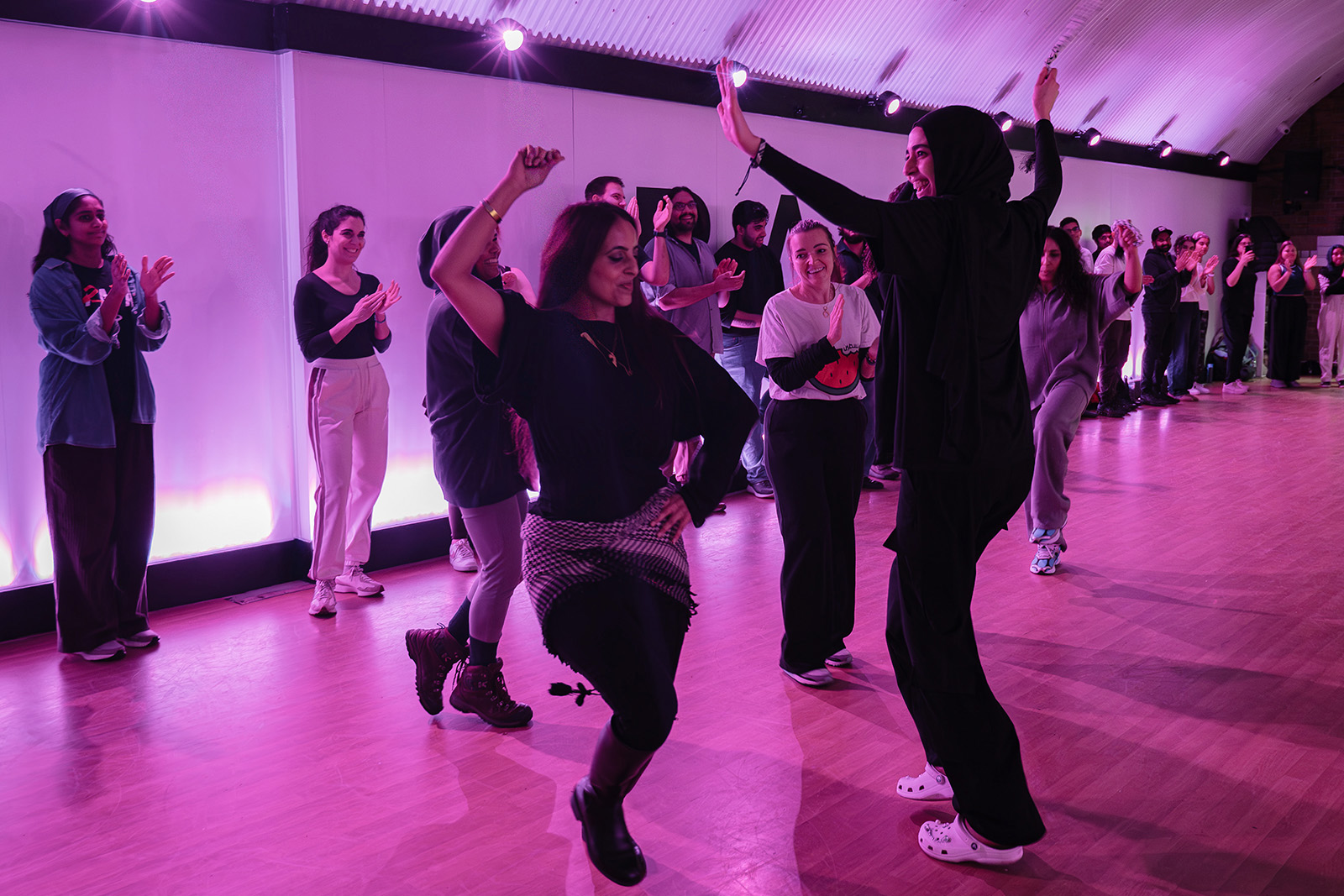
“When we say dance is not for us, who defines dance, or how is dance defined, and who are we also?” Rajeh asks. In one sequence, he draws on elements of Levantine dabke. The folk dance’s inclusion is Rajeh’s way of disrupting the hierarchies that are often ingrained in choreography. “Is dance only for rich people? Is it more for Europeans?” he says.
At the core of this latest work, Rajeh suggests, is a larger question of loss — of losing a past that no longer exists and a future that never materialised. “We lost Citerne Beirut, we lost the festival, we lost everything,” he says. “But when you lose, it’s part of the process also.”
If Dance is Not for Us references the past, it does so to highlight the immediate moment, Rajeh explains. “Remembering is an act of doing. It’s not nostalgia, it’s not a reflection,” he says. Instead, he likens the performance to a demonstration: “Of claiming something, of demanding something.”
Rajeh will be performing Dance is Not for Us at the Barbican, London, 16-17 October.