Side eYe opens doors for Black Muslim women in theatre
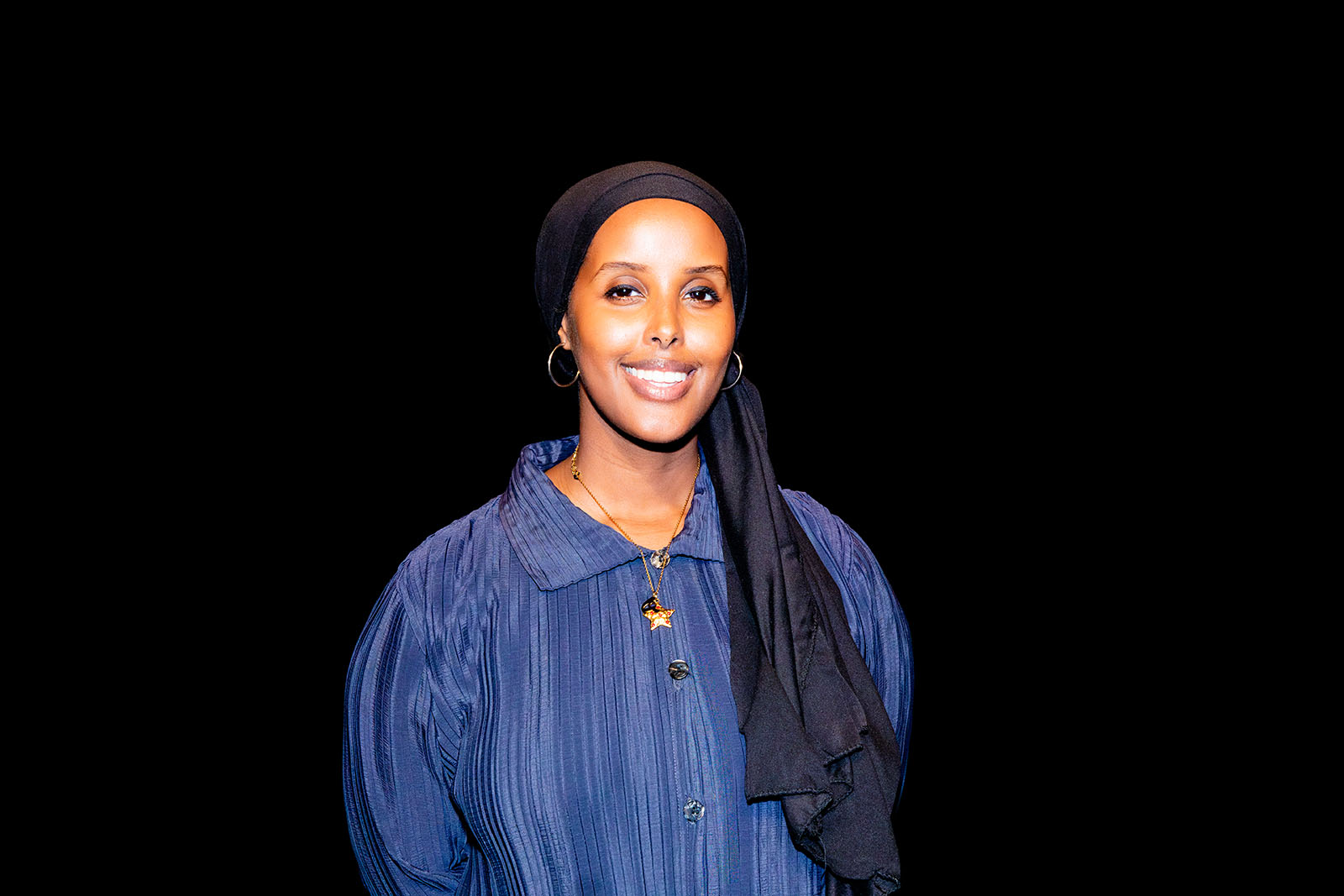
For the past seven years, the London theatre group has been creating space for bold new productions
For 32-year-old Hannah Abdule, Black History Month often feels a bit “like the Black New Year”.
“It’s like a reset,” says the co-founder of Side eYe, a London-based theatre company and new writing house with a focus on stories by Black Muslim women.
“It’s a real celebration of Blackness,” says Abdule. “How we make the world richer, more colourful, more beautiful. It’s a time to remember how far we’ve come as a community.”
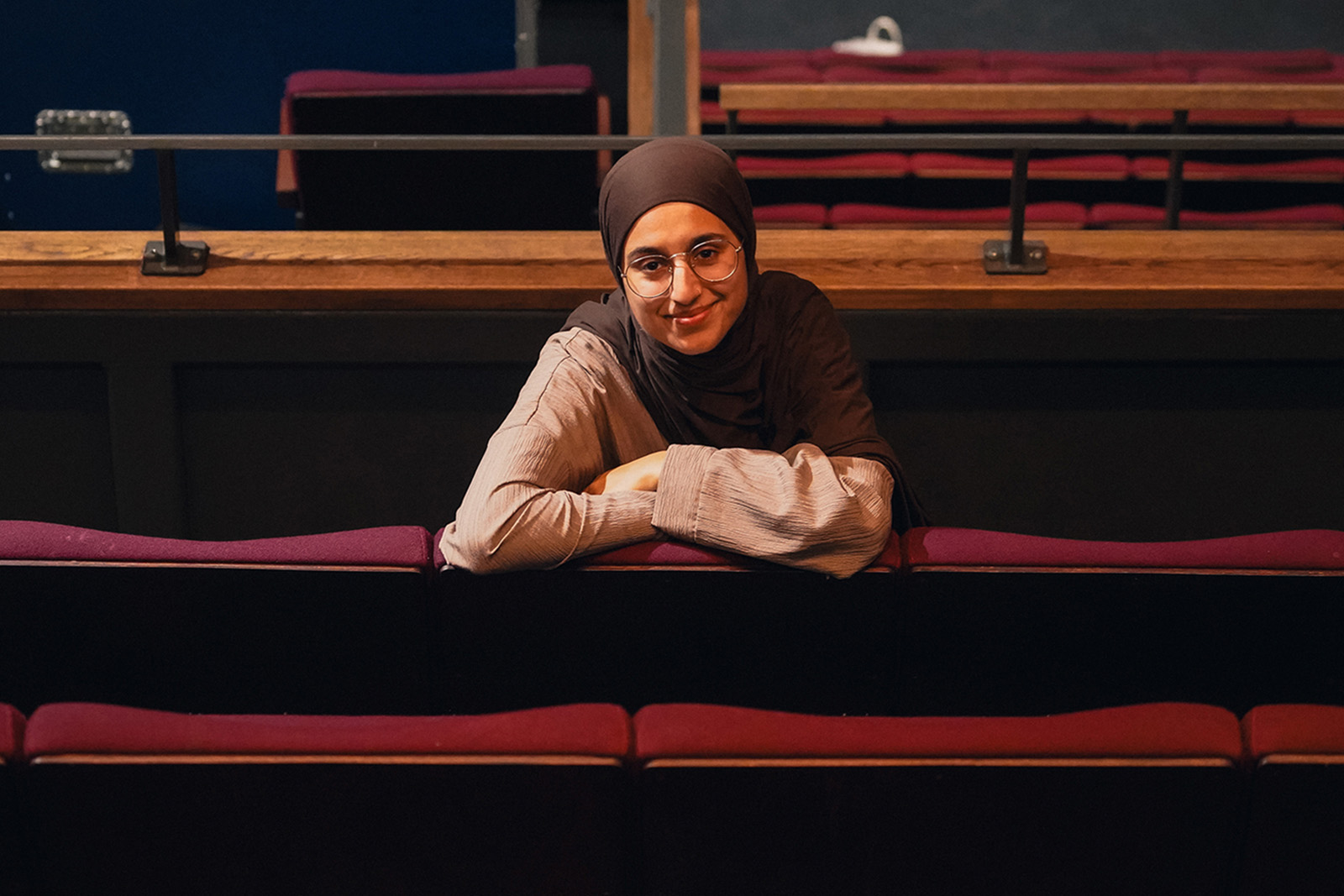
The idea of Black communities creating their own spaces was part of the inspiration behind Side eYe, which was founded in 2019 when Abdule and a group of friends came together driven by a mission to make the kind of theatre they weren’t seeing elsewhere.
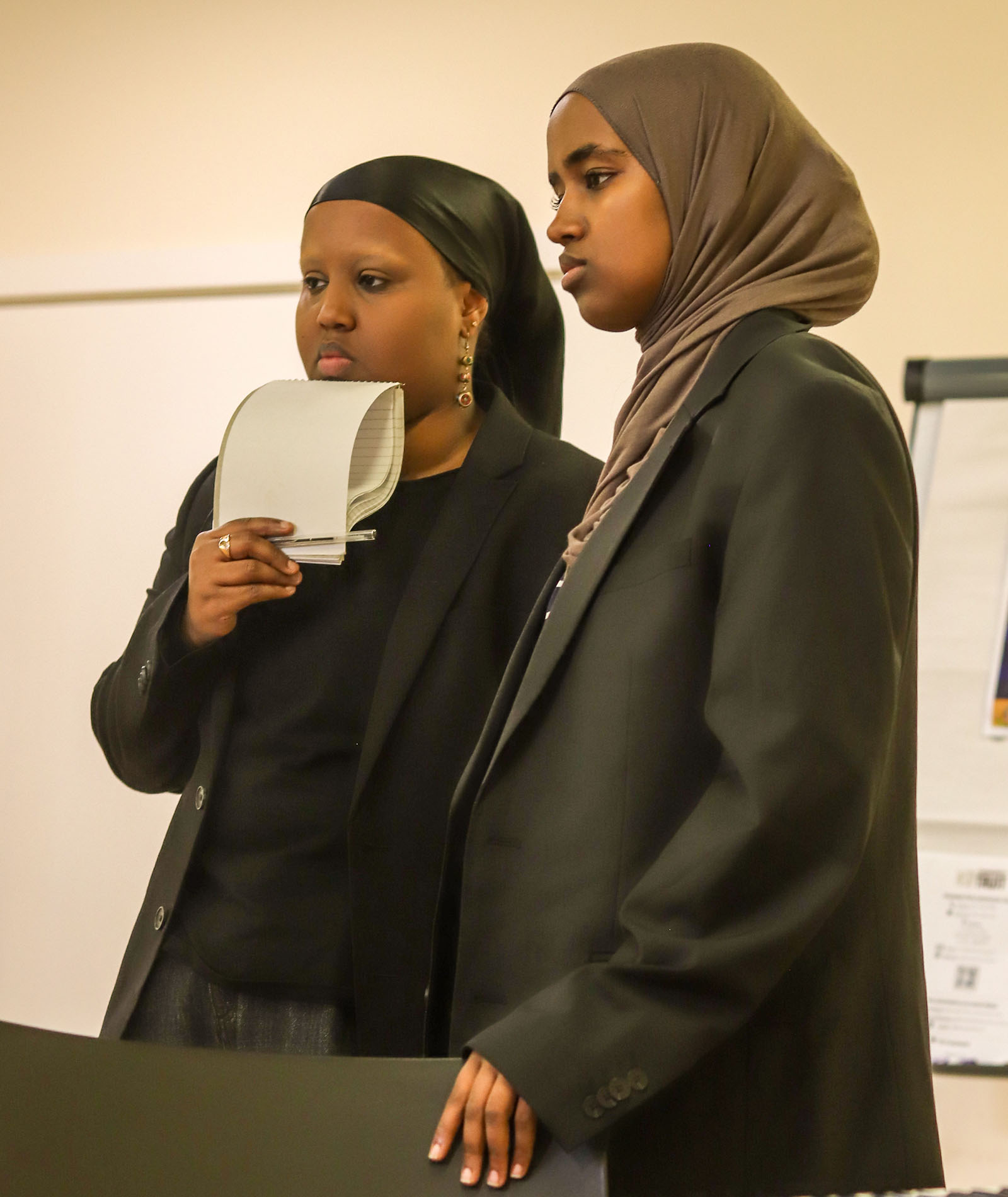
Seven years after its founding, the collective has grown from a circle of friends to a fully fledged platform for new writers, actors and creatives. As Side eYe prepares to tour its latest production, Off-Key — which opened at Birmingham Hippodrome on 30 October — Abdule says it’s important to think about what meaningful progress looks like beyond visibility.
“We want people to feel like you can come into this space and you can go off and make a career for yourself. And we’ll help you with those tools,” says Abdule. “It’s nice that we’ve seen our writers get representation and actors going on to get newer opportunities.”
Side eYe’s first play, HOME, focused on a Somali family and featured three hijab-wearing women. When it was performed at Somali Week Festival in 2019, Abdule says the response made them realise there was an appetite for theatre within the Somali community and for seeing Muslim women on stage.
“It was like the first time everyone was like, ‘Wow, hijabi women can be on stage,’” says Abdule. “We can, and of course we can, it’s just that theatres haven’t thought of us in that way. When they have, our stories are often about controversy, or trying to nitpick at our identity and whether it aligns to certain values.”
Abdule’s own relationship with theatre had shown her how exclusionary ideas about who belonged on stage could make Black Muslim women feel they did not belong there.
Growing up in Camden, north London, Abdule loved performing and being on stage. But while studying theatre A-level, a teacher asked her whether she planned to wear her hijab for a role and whether there was “something we can do with it”. She eventually stopped engaging with theatre for several years.
“I was just like, ‘I don’t think I can do this,’” she recalls.
Years later, in 2017, performing in Arawelo — a play about a warrior queen famous in Somali folklore — drew Abdule back to the stage. It also led her to another realisation. “You can write stories but not everyone gets their play put on,” she says.
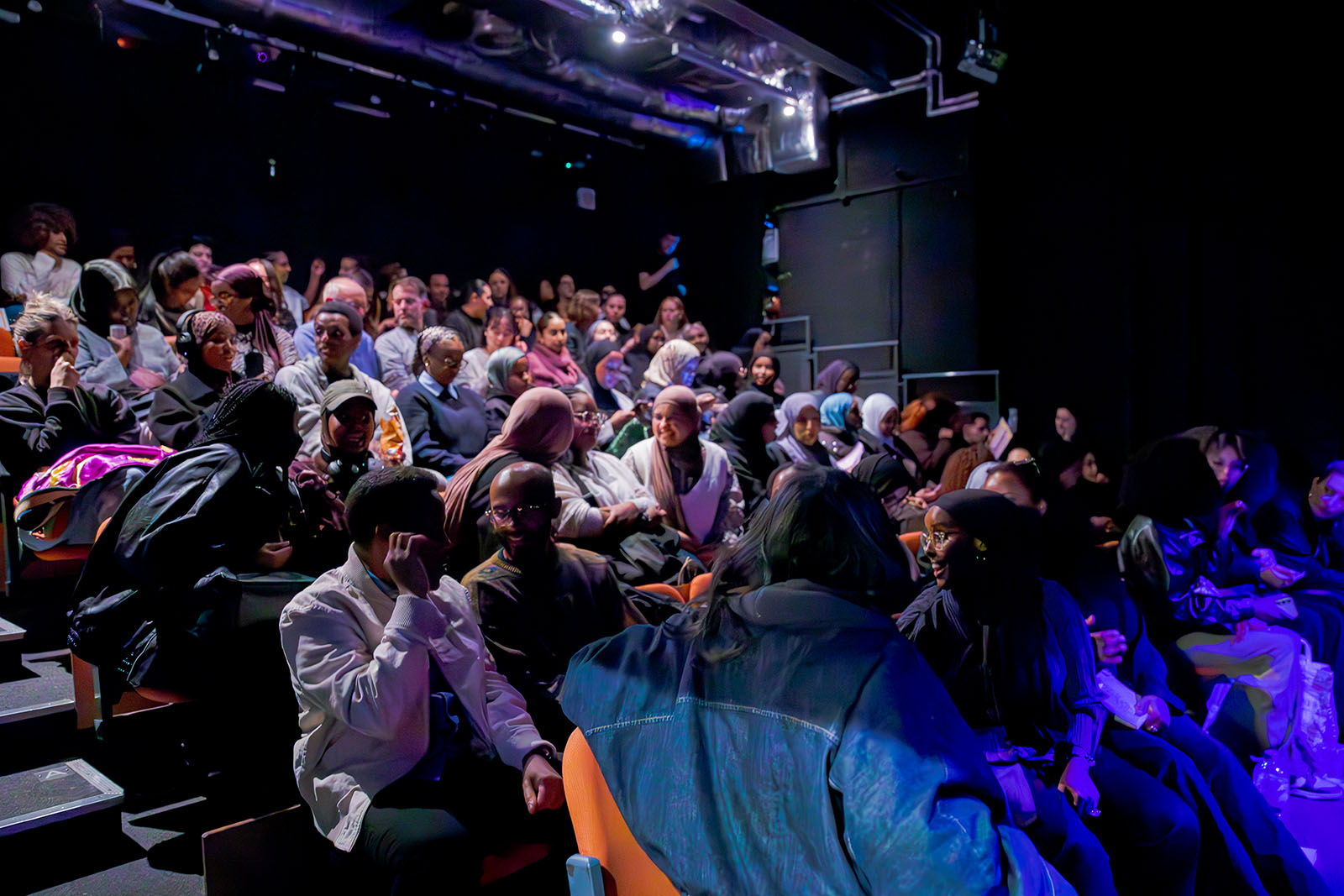
Abdule explains that helping creatives get their work made has become central to Side eYe’s mission. The company has produced work including Muna Knows It All, Desperate Times, How to be Famous! and Dugsi Dayz, Sabrina Ali’s comedy about four Somali Muslim girls in detention at an Islamic school, which has now been developed into the BBC comedy short film Proper Ladies.
Abdule explains that Side eYe’s focus is always on opening up opportunities for new people to become involved in theatre. “We’re very big on making sure that the door is always open to someone else,” she says. “You come here, this is your step in, and you now go and figure out what it is that you’re doing next. Hopefully that’s what it’s done for the actors, writers and producers who’ve come in.”
Side eYe’s Muslim women’s writers programme, largely led by Abdule’s co-producer Khadra Mohamed, has also brought emerging writers together with theatre professionals. Abdule says one writer received a commission after its industry showcase in 2025.
But Abdule adds that visibility is not the same as sustainability and that success for the writers, actors and producers she supports does not always translate into money.
“We would love to create an ecosystem in which we can make sure that the people we work with can build a career outwards,” she says. “Your story might be valued but if people are not paying you, then I don’t know if that shows that you are as valued, especially because we’re working with majority working-class artists.
“The prize isn’t for your work to be made and put on stage, the prize is that you’re paid to have your work out there, and that you’re paid well.”
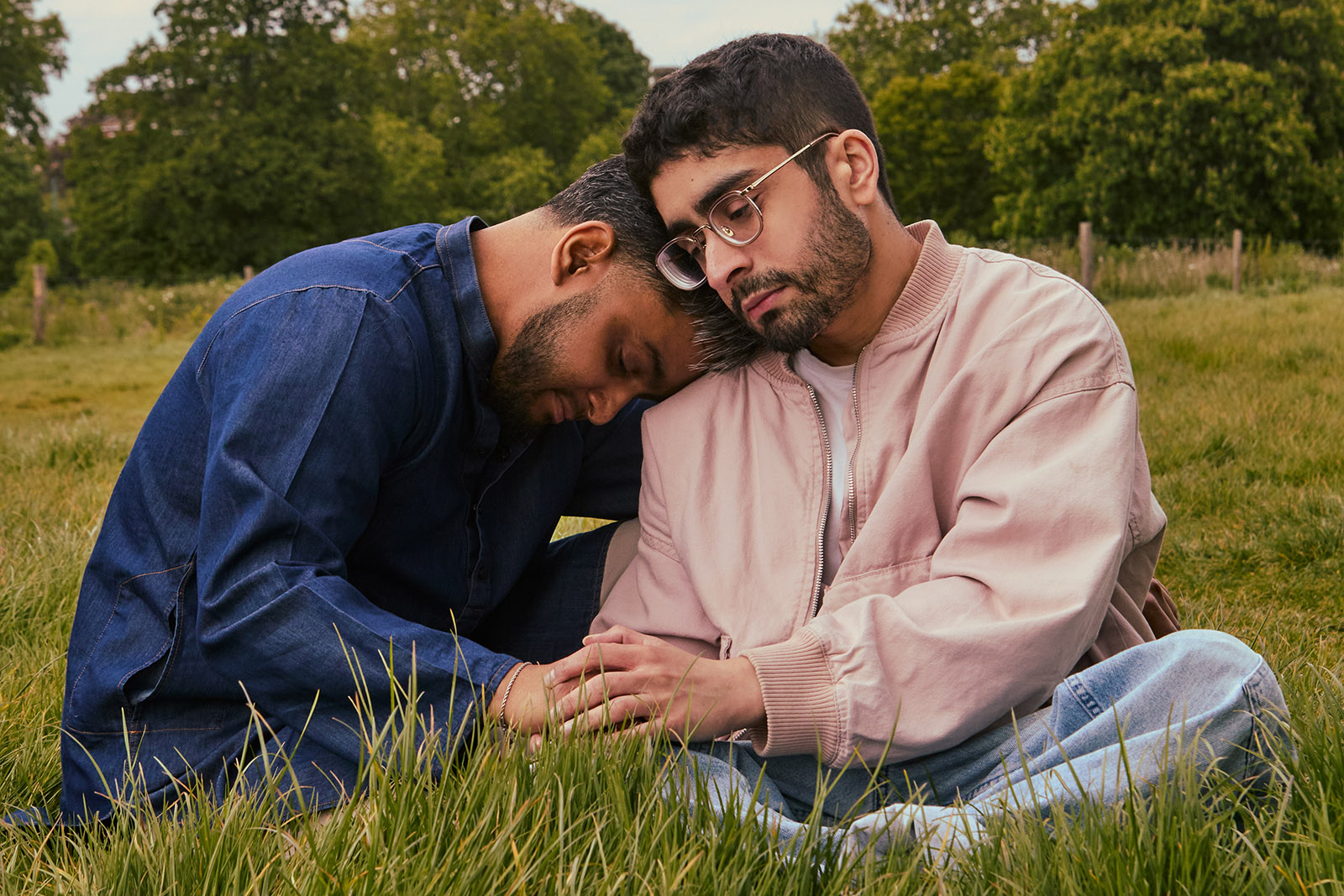
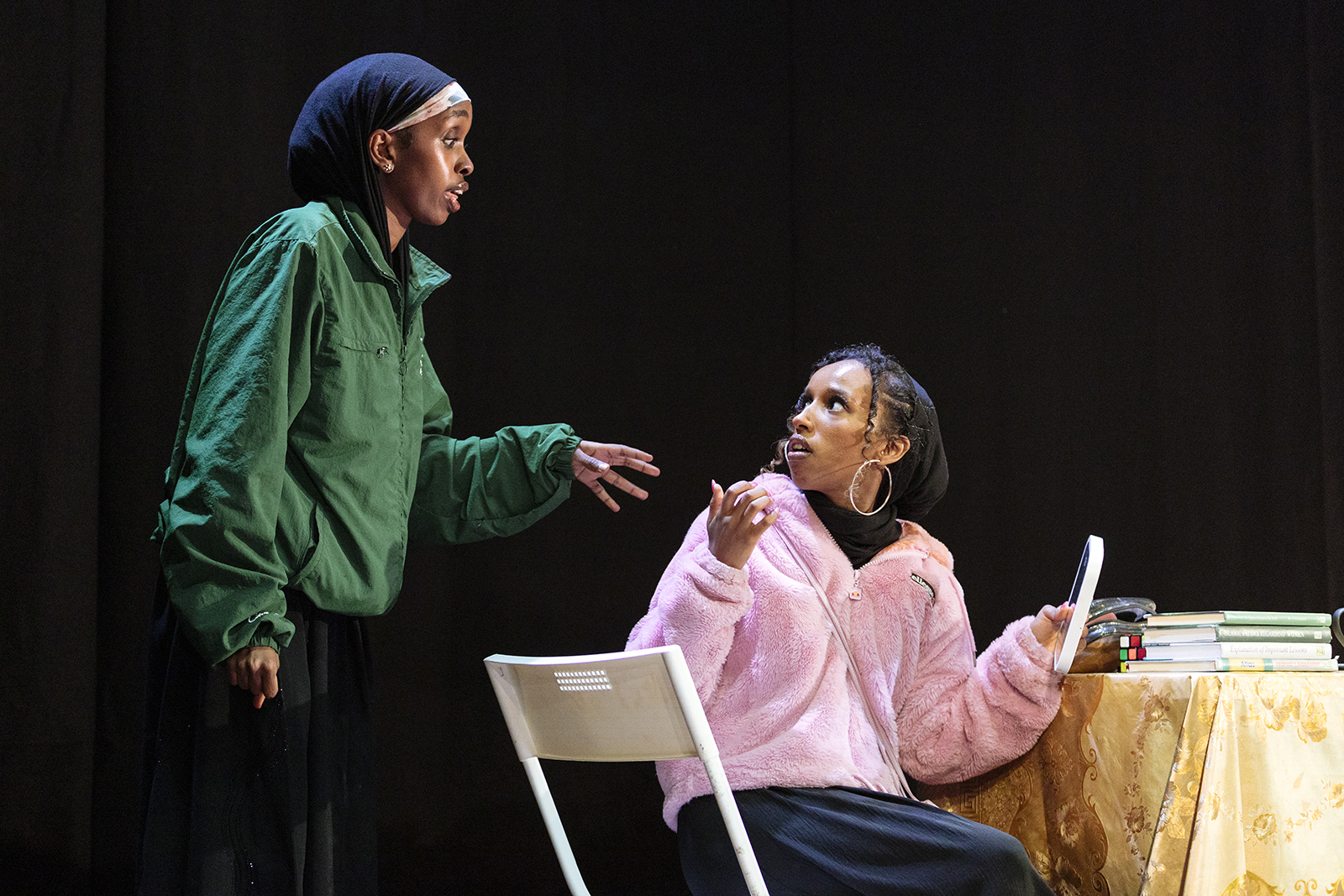
Side eYe’s latest play, Off-Key, brings many of these themes together.
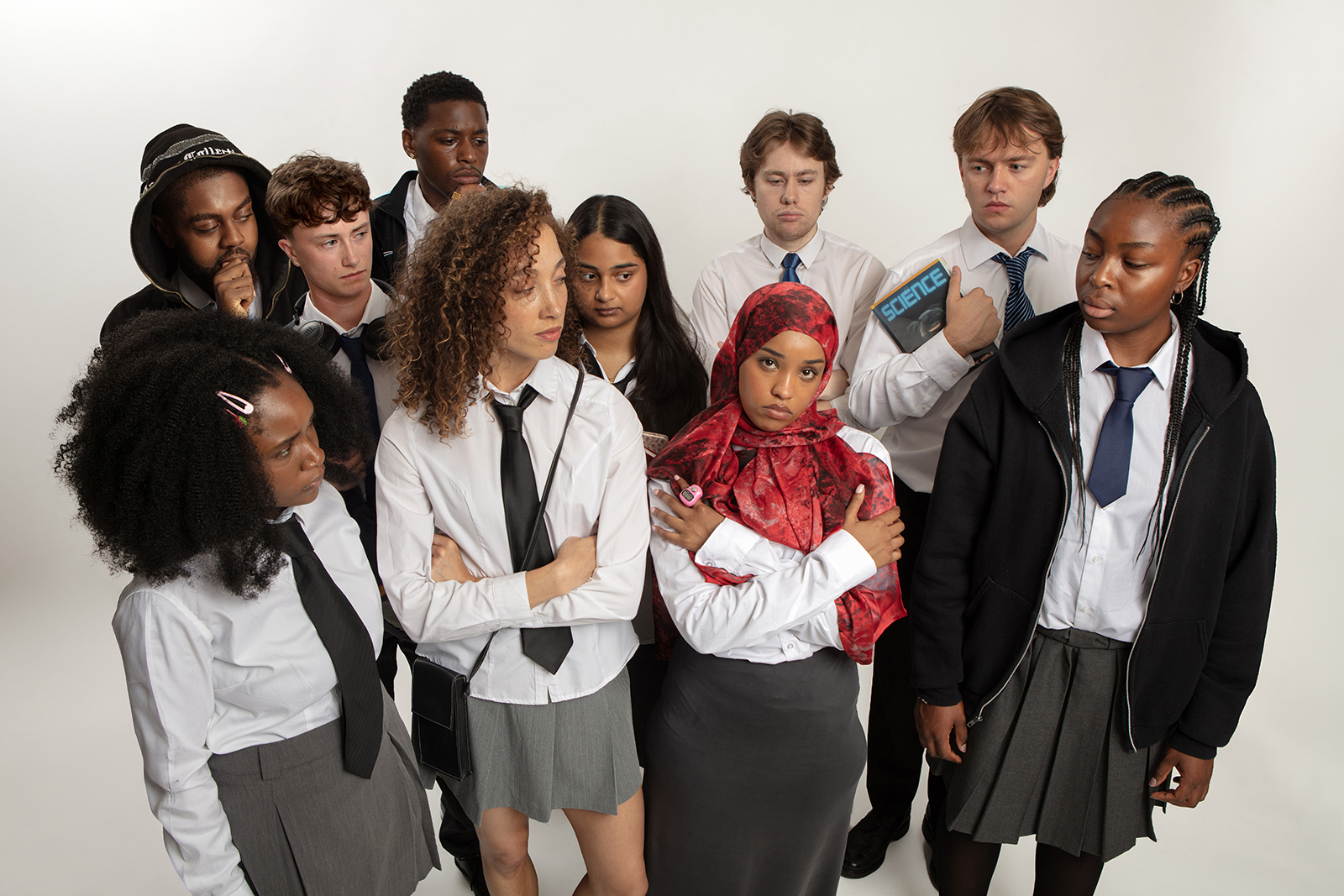
Written by Fatima Ali Omar after being selected through an open call for pitches, the coming-of-age narrative follows best friends Sabrin and Ruqqiyah, two ambitious Black Muslim sixth-formers at a top-performing grammar school.
The story explores music education, friendship, class and the pressures facing working-class Black girls. Sabrin is preparing for an audition at the Royal Academy of Music but, in pursuit of that ambition, begins changing how she acts in the spaces she wants access to.
“She forgets herself in that process. She forgets her Blackness and her political leanings,” says Abdule.
Abdule says she recognised “that constant feeling of not belonging”.
The fact that Off-Key opens at the end of Black History Month feels fitting, but Abdule is wary of Black theatre and art being concentrated into one month.
“There’s a lot of Black theatre because it is Black History Month, but you should be programming throughout the year,” she says.
She argues that the same applies to funding. “People fund more and they’re like, ‘Oh it’s Black History Month, let’s give money.’ But why are you not giving it across the year?”
For Abdule, the hope is that a young Black Muslim woman watching Off-Key might not only feel represented on stage but also see theatre as somewhere she could belong.
“That’s why we’re called Side eYe, because we side-eye the industry’s exclusionary tendencies,” she says.
But, she adds, “the most important thing is to just enjoy a good story and to feel immersed, the same way that you would enjoy any other type of theatre. This one is particularly touching because you’re like, ‘Wow, a world that looks like mine can be built.’”
Off-Key will be performed at the Montgomery Theatre in Sheffield on 10 November and Canada Water Theatre in London 12-16 November.