
‘I wrote this story because I needed to’: Abir Mohammad on the rise of queer Muslim stories on stage
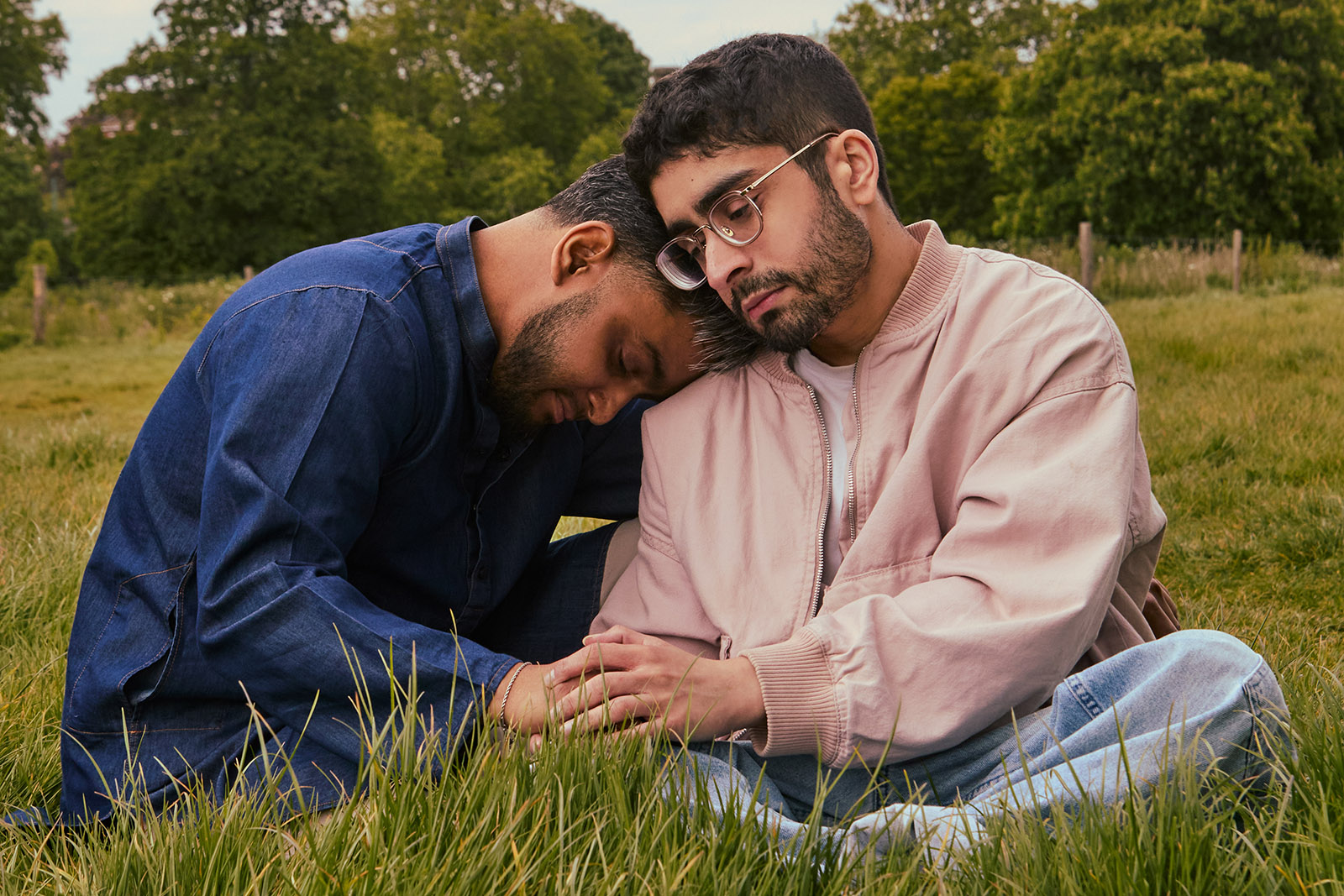
The playwright’s drama We Can’t Be Friends returns to a London stage as a ‘safe space’ for people to explore identity and faith
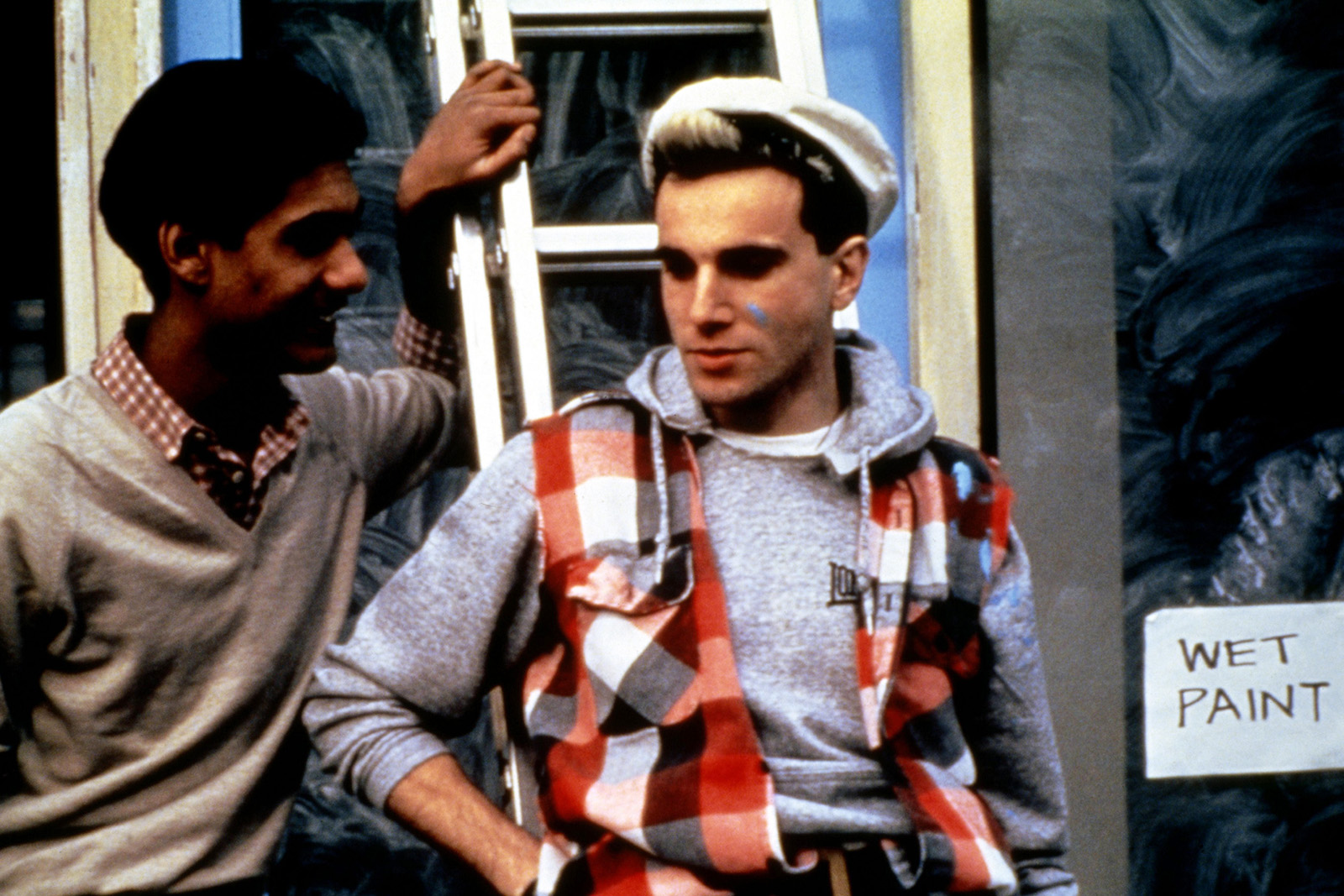
The first queer Muslim character that playwright Abir Mohammad remembers seeing on screen was — like many of us — Syed Masood in EastEnders. “Honestly, he’s such a great character,” he says.
Looking back to when Marc Elliott’s Masood appeared as the first gay Muslim character on a British soap opera, Mohammad had hoped that it would open the door for similar stories to be told through the arts. Although queer representation has always found a home in theatre, the space for queer people of colour and particularly Muslims has been less visible.
“Queer Muslims are often just supporting characters, or in a story that’s only about their trauma,” Mohammad says. “I wanted to put them at the forefront in a positive light.”
Mohammad’s latest work, We Can’t Be Friends, which runs from 8 September at Brixton House, south London, does exactly that. The play centres on Azhar and Rahim; one is a devout teacher at the mosque who is engaged to a woman, the other an openly gay former Muslim. An unlikely romantic relationship develops between them and the boundaries between faith, desire and identity begin to blur.
“The relationship between Islam and queerness is rarely discussed, and when it is, it’s often talked about as being a test,” Mohammad says. “I wanted to ask, ‘Is the test about how we treat people who are different from us and show empathy?’”
Rather than offering a neat resolution, Mohammad — whose previous work includes Bhaijaan at the Hope Theatre in Islington and a sold-out 2025 run of We Can’t Be Friends at the Tara Theatre in south-west London — creates space for his characters and audiences to sit with uncertainty.
“I wanted to explore different sides of the coin: one person who has explored their identity, and one who hasn’t even begun,” he says. “It’s a safe space for all people to come and explore that. We don’t vilify anyone.”
In recent years, there has been a growing number of queer Muslim characters on stage and screen. Nikohl Boosheri’s character Adena El-Amin confidently asserts her sexuality in the US comedy-drama series The Bold Type, while We Are Lady Parts’ hijab-wearing drummer Ayesha (Juliette Motamed) delicately portrays the complexities in deciding to come out. Waleed Akhtar’s Olivier Award-winning play The P Word explores the lives, desires and struggles of two gay Pakistani men, and its recent return to the Bush Theatre in west London highlighted the continuing appetite for such stories.
“What so many examples of queer Muslim representation get wrong is that they love to be black and white,” Mohammad shares. “But I much prefer that grey area where a queer Muslim can love their faith, family and community whilst also being queer even if it’s seen as contradictory. We don’t have to water down representation in order to appeal to white, non-Muslim audiences.”
While Mohammad has received homophobic backlash from some Muslims as well as some Islamophobic comments from within the LGBTQI+ community, he isn’t particularly concerned. “It never fazes me, because I haven’t seen one original hate comment, as I heard it all when I was eight years old,” he says. “Now there’s a lot more understanding and positivity. There’s always a Somali Muslim woman defending me in the comments section. The love outweighs the hate.”
For Mohammad, that shift underlines the quiet but significant role art can play for people who may not yet feel safe about being open about their identity. A play cannot change someone’s circumstances, but it can offer the reassurance that they are not alone. “There’s a community of people who can relate to this play,” he says. “Even if they’re not ready to say it out loud, they can see themselves reflected in the story.”
Mohammad recalls hearing from an audience member who had decided not to come out publicly. “I’m the only person they told,” he says. “If it isn’t safe for someone to come out, I wouldn’t encourage them to, but to know that I was the first person they came out to was heartbreaking.”
Others have expressed fear in attending the play. “We’ve had people who would love to watch the play but are worried they might be outed by coming to it,” Mohammad says. “I’d love for there to be a filmed version or screenplay so people can watch it in the comfort of their own homes without fear.”
That response has made the play feel larger than its writer. “I wrote this because I needed to,” Mohammad says. “But seeing so many people resonate with the story has moved me.”
We Can’t Be Friends is at Brixton House theatre from 8 to 12 September.