Suhaiymah Manzoor-Khan on showing young Muslim love on the stage
As her acclaimed play Peanut Butter and Blueberries arrives at Leeds Playhouse, the writer reflects on representation and diversifying the arts

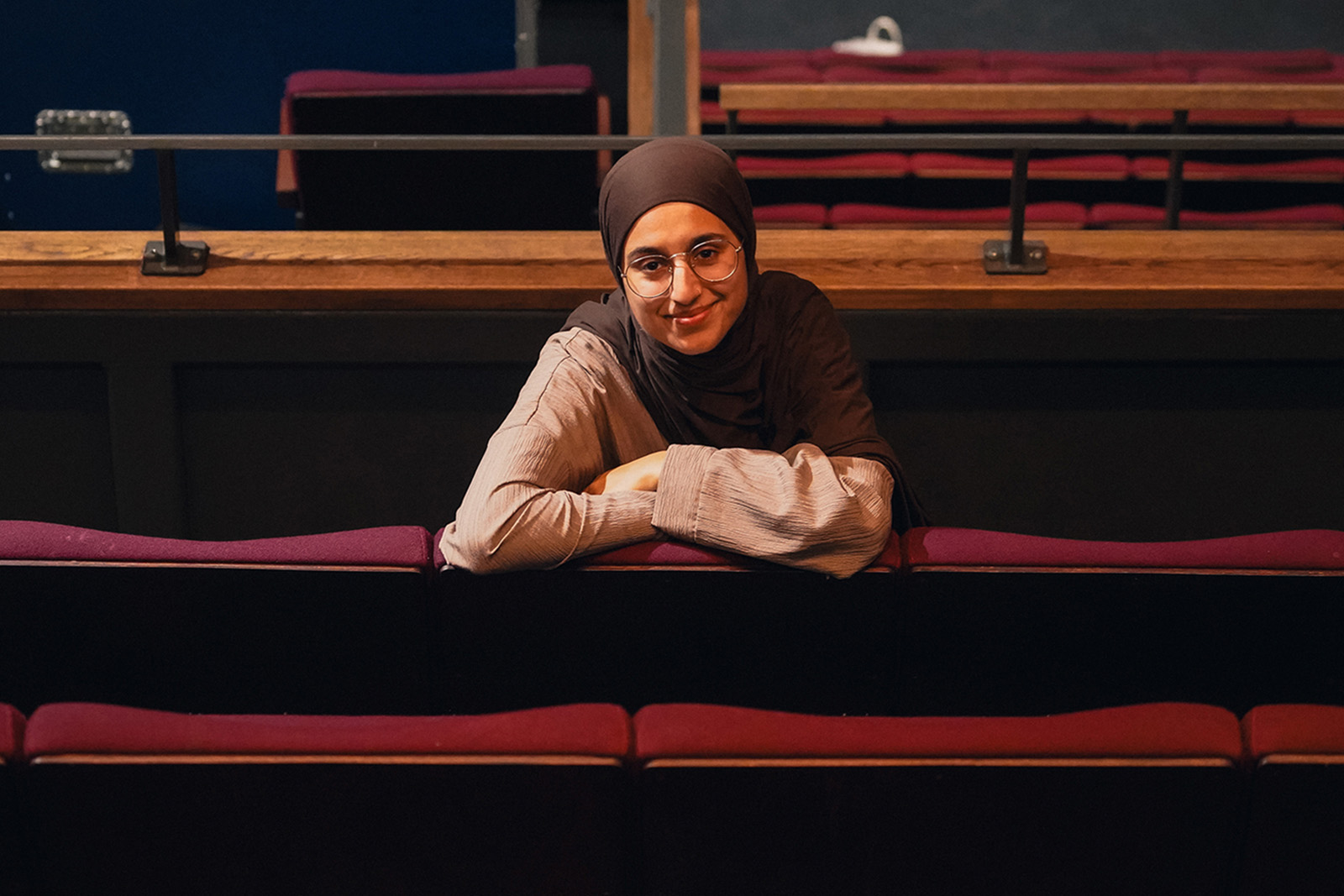
British-Pakistani writer and educator Suhaiymah Manzoor-Khan considers herself a “massive romantic”. Much of her poetry and essays deals with politics, but in her play Peanut Butter and Blueberries she wanted to explore this through a different lens — of young Muslims falling in love.
“I’d never really seen that represented,” she says. Young Muslims “absolutely are romantic, absolutely do have crushes.”
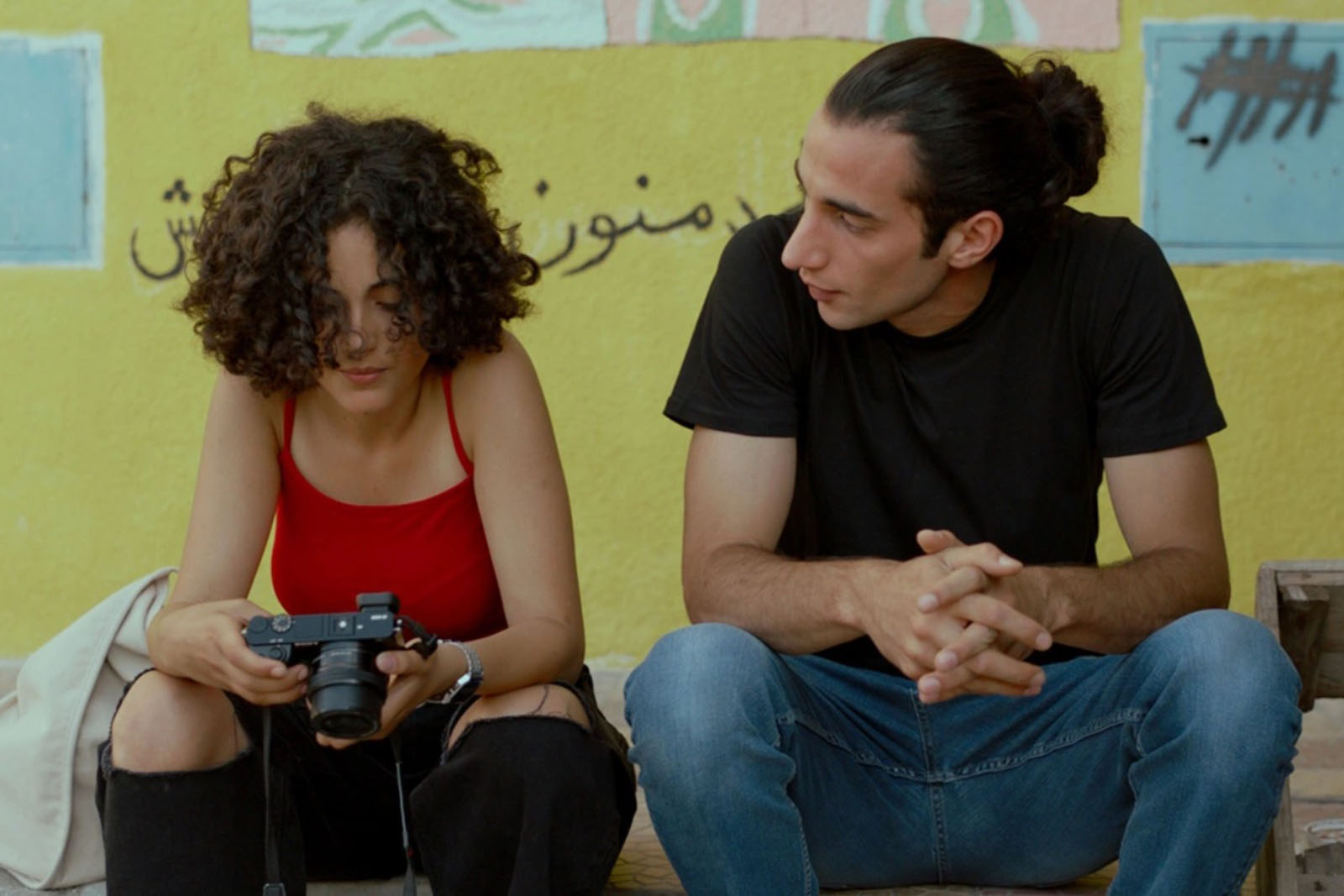
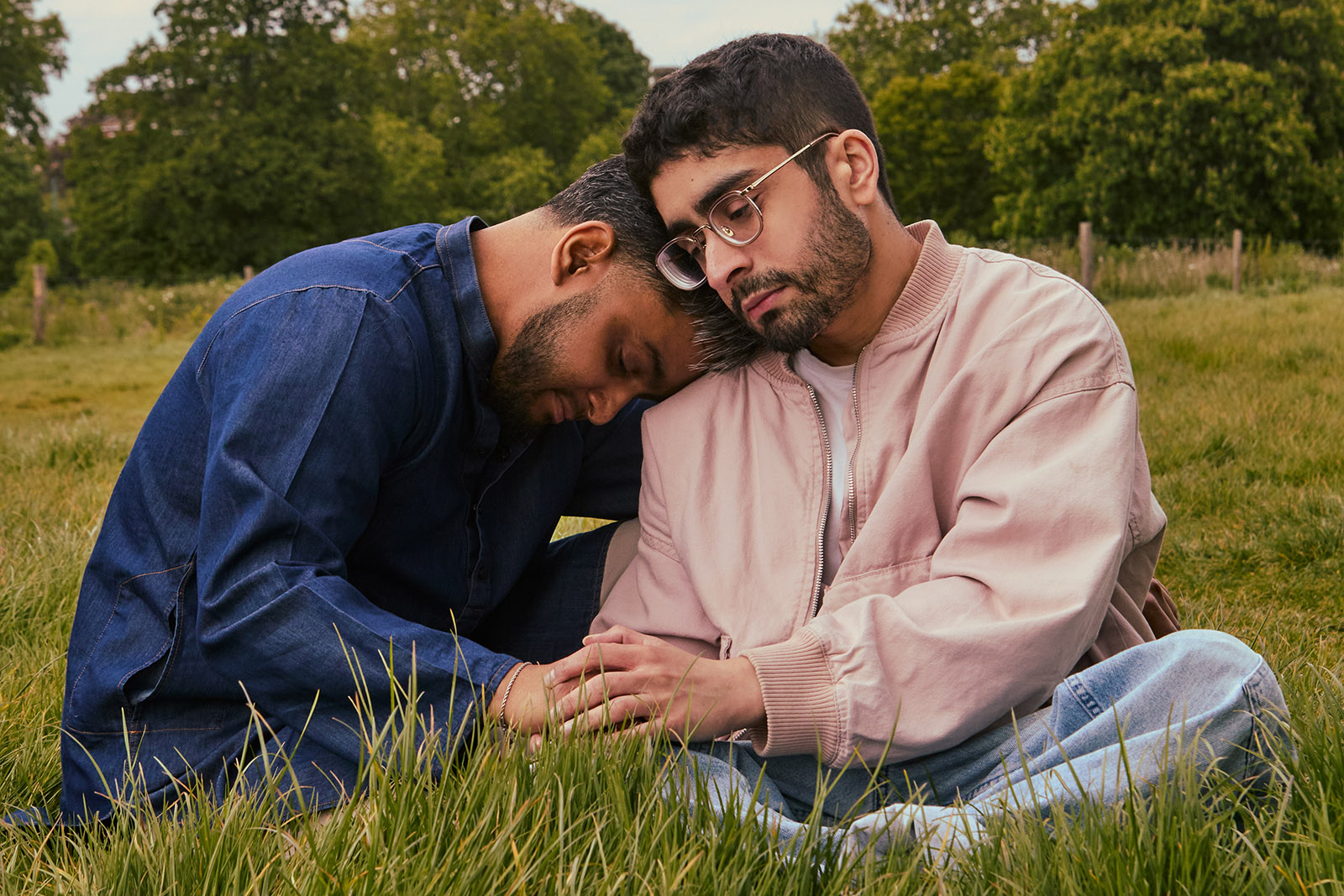
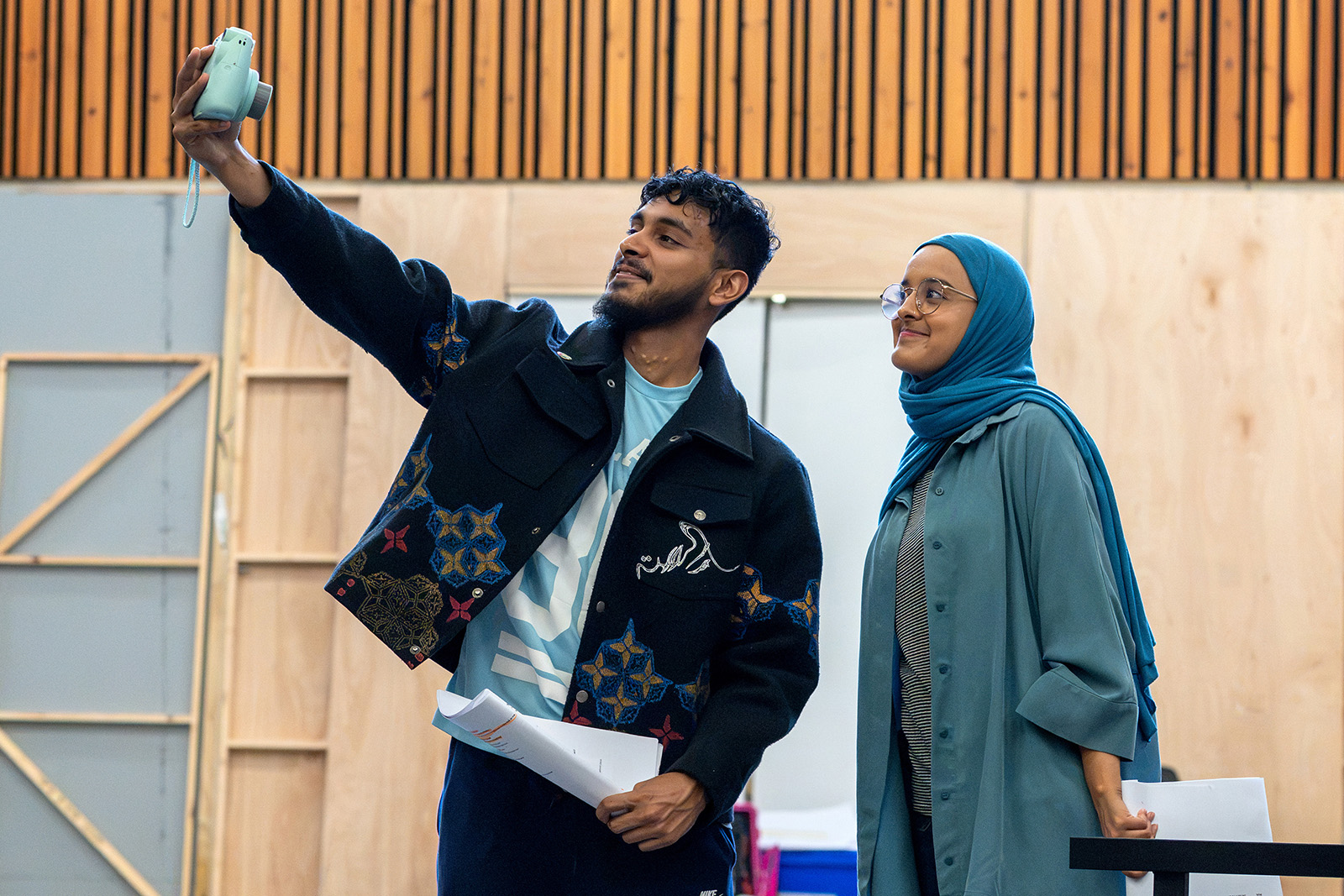
Peanut Butter and Blueberries tells the story of Bilal and Hafsah from Birmingham and Bradford who meet, become friends, and fall in love while at university in London. It premiered to sold-out shows at London’s Kiln Theatre in 2024 and was nominated for Best New Play at the UK Theatre Awards. The play will return to Leeds Playhouse in October with director Sameena Hussain, whose recent productions include Planet Omar.
“I just love love. I feel like love motivates a lot of things,” Manzoor-Khan says. “I love my community. I think that defending Muslims is really important. I love young people and I want to help them to be able to create, express, whatever it is.”
Manzoor-Khan, 32, first reached prominence with her 2017 performance of This Is Not a Humanising Poem at the Roundhouse Poetry Slam in London. She has since published a poetry collection, Postcolonial Banter, and two essay collections, Tangled in Terror and Seeing for Ourselves.
She was born in Bradford and is now based in Blackburn. Bringing her play to Leeds, where she spent most of her childhood, feels particularly significant. “If you have a northern writer and northern director, that is the place that that play should be,” Manzoor-Khan says. “I think sometimes it does feel like art is the preserve of the south. This might be a route in.”
Part of Manzoor-Khan’s work is about making theatre more accessible to diverse audiences. Leeds Playhouse will provide prayer spaces and a dedicated non-alcoholic bar during the production, which lessens the barriers for many practising Muslims.
Having studied in London herself, Manzoor-Khan reflects on the importance of her own northern identity. Hafsah and Bilal initially connect through their shared experience of coming from the north of England and moving to London. “No one’s from the north here, and so that’s why I really like this idea that you have an unexpected bond with someone. It’s not necessarily that they’re Muslim, that they have Pakistani heritage. It actually is that you’re not from London. You’re from Bradford. You’re from Birmingham. These are heartlands that mean something to us,” she says.
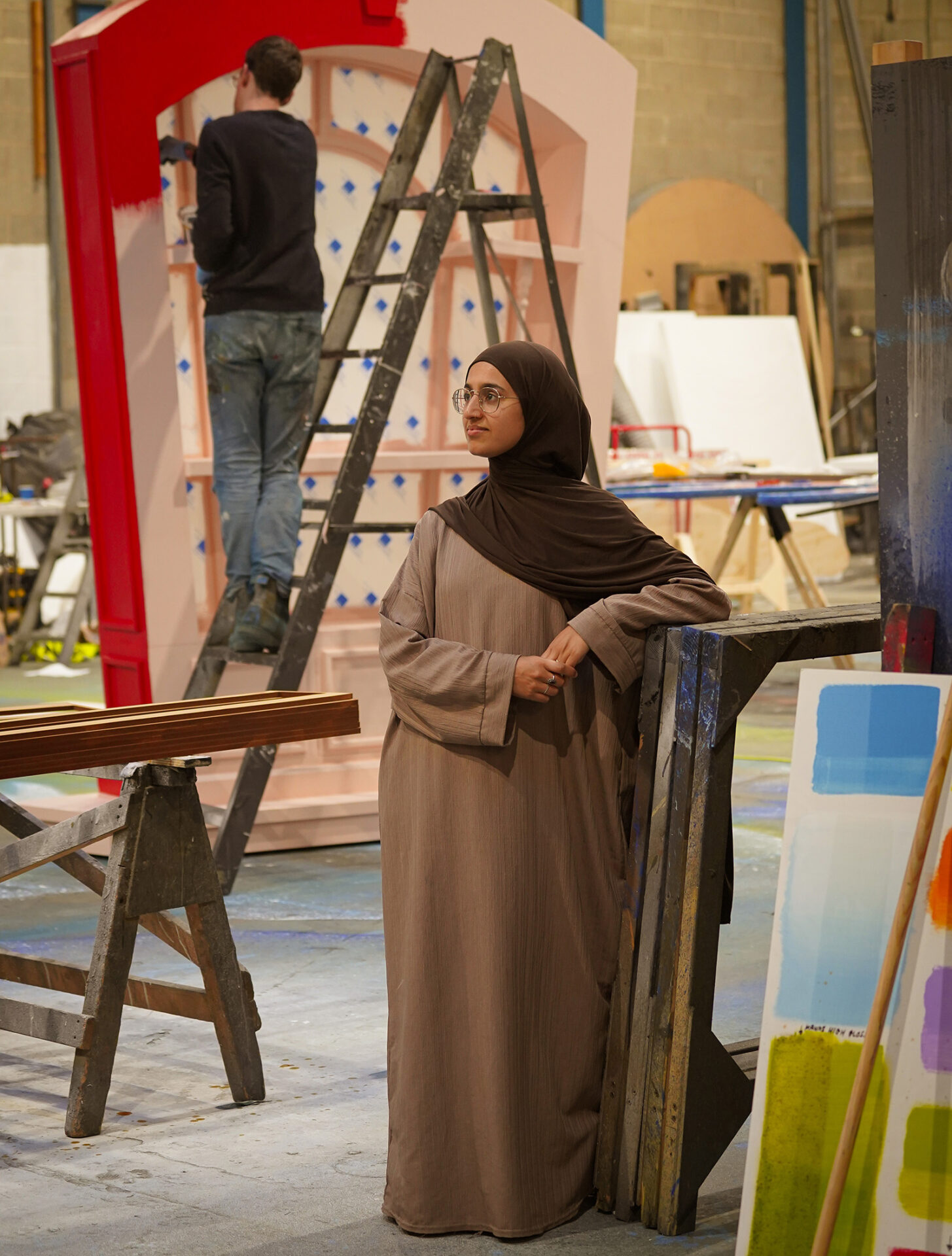
Manzoor-Khan also wanted to explore a form of intimacy that young Muslims could recognise — one without physical touch. “That is a choice that I think a lot of people do make,” she says. “How is intimacy experienced? To me, it isn’t all about physical touch. I think you can have really poignant moments [without it].”
Such everyday experiences are not always reflected in the stories told about Muslims. Tragedy in representations of Muslim life, Manzoor-Khan argues, is often sensationalised: an honour killing, a terrorist attack or another dramatic event that keeps two people apart. For Hafsah and Bilal, there is no single thing keeping them apart.
“If you wanted to ask about who’s the villain in this play, it’s the sociopolitical context that the two exist in,” she says.
Faith is central to how Hafsah and Bilal navigate these pressures. “I wanted to show that for so many people, Islam is that beautiful, hopeful thing that gives you perseverance, that gives you patience.”
In the two years since the play had its London premiere, Manzoor-Khan believes the political climate has worsened for Muslims and minoritised communities. She cites the rise of the far right and Reform UK, and ongoing protests outside hotels housing asylum seekers. According to Home Office figures, police-recorded religious hate crimes targeting Muslims in England and Wales increased by 15% in the year to March 2026.
“So much has just happened politically,” she says. Reading a recent list of attacks on Muslims and places of worship in the UK, Manzoor-Khan was shocked. “I was like, ‘That’s just one month.’ And I don’t think that was the case in 2024.”
She references a hadith about planting a seed even as the world is ending — a reminder to keep doing what is worthwhile, even when the future feels bleak.
“You look at the world around you and I think sometimes it is very deflating, and you think, ‘How can we go on?’” Manzoor-Khan says. “But I think you have to believe that. We have a good opinion of Allah. And so, why not have hope? It’s that radical belief that anything can change. It’s all still to play for.”
Peanut Butter and Blueberries is showing at the Leeds Playhouse from 22 October to 7 November