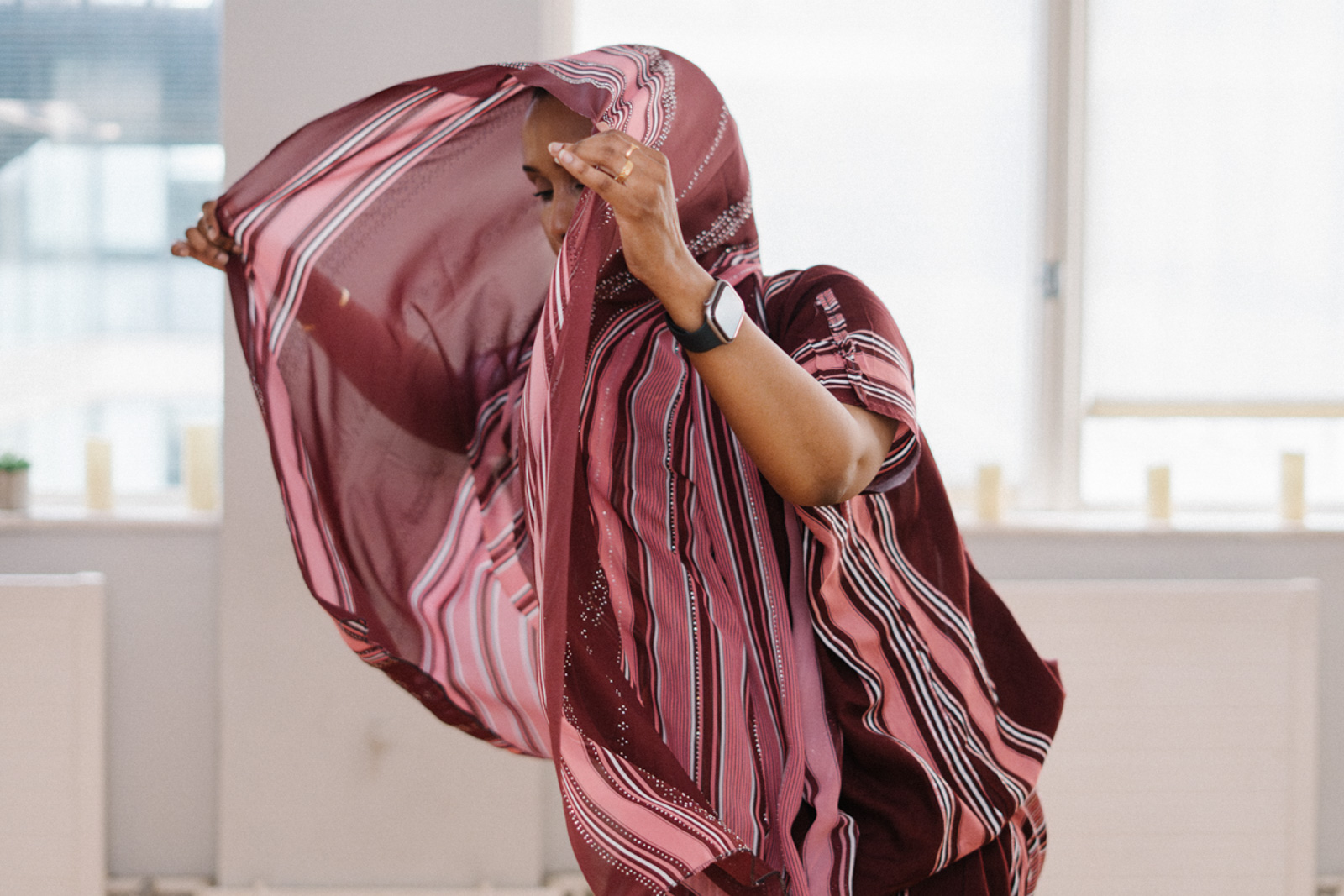
Nassim Soleimanpour on writing one of the most performed plays in the world
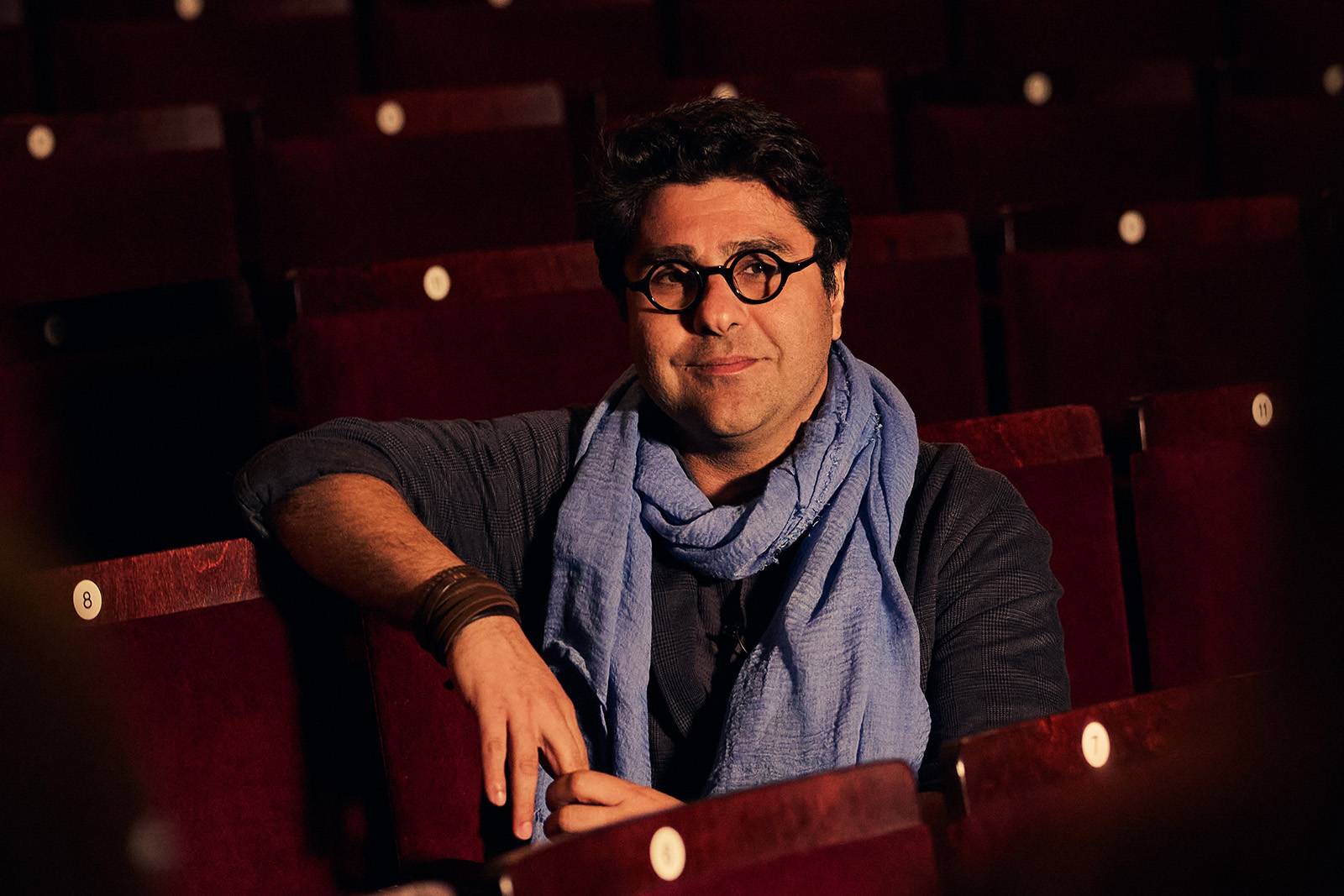
White Rabbit, Red Rabbit has been played by more than 5,000 performers since its premiere in 2015. The Iranian playwright reflects on its legacy

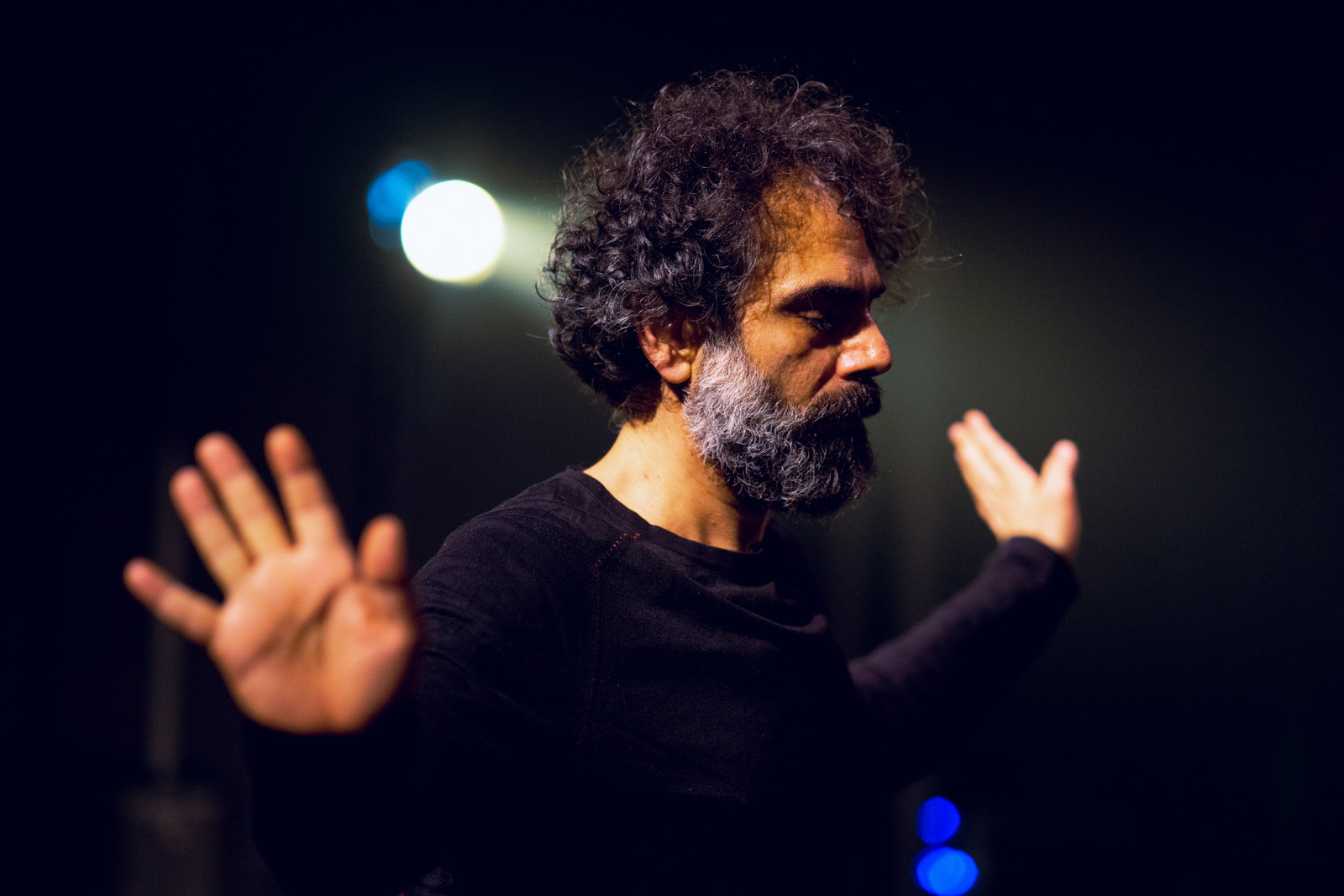
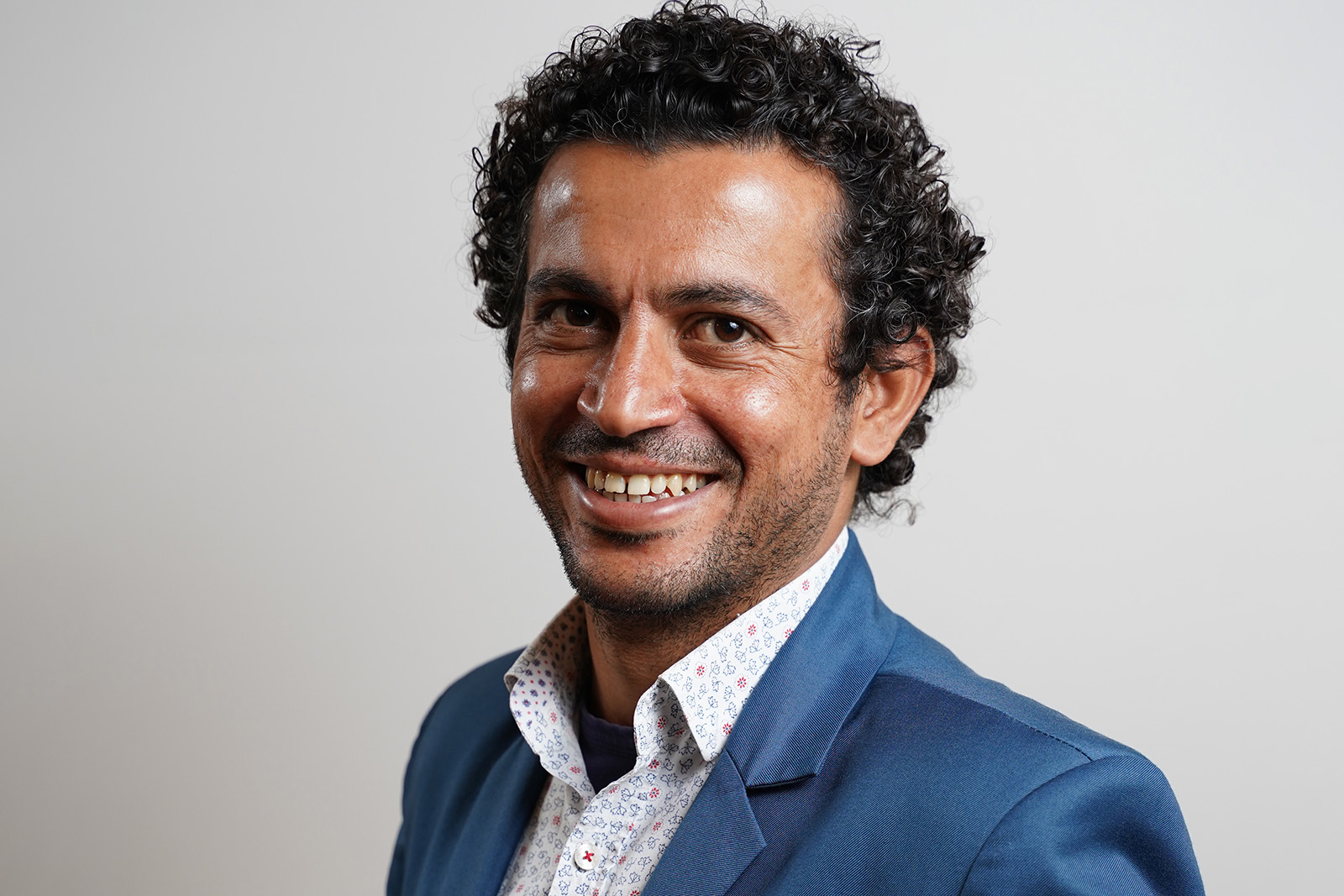
Nassim Soleimanpour was “just a kid in Iran having fun with the form of theatre” when he wrote what would become one of the most performed plays in the world.
“After six or seven years spent working on it, I wanted it to go on tour and travel around the world but I had no idea really what it would become,” Soleimanpour says.
White Rabbit, Red Rabbit features a new actor each night walking onstage to find a sealed envelope containing a script they have never seen before. The ensuing hour-long, one-person show is a display of chaotic improvisation and a meditation on power and control.
At turns slapstick comedy, surrealist farce and storytelling experiment, the theatrical phenomenon has become an enticing challenge for celebrated actors as well as a show that audiences are eager to rewatch for different performers’ interpretations of the text.
It has been played in more than 20 languages by more than 5,000 performers ranging from amateur actors to Oscar-winner Whoopi Goldberg, David Tennant, Lenny Henry and Ambika Mod.
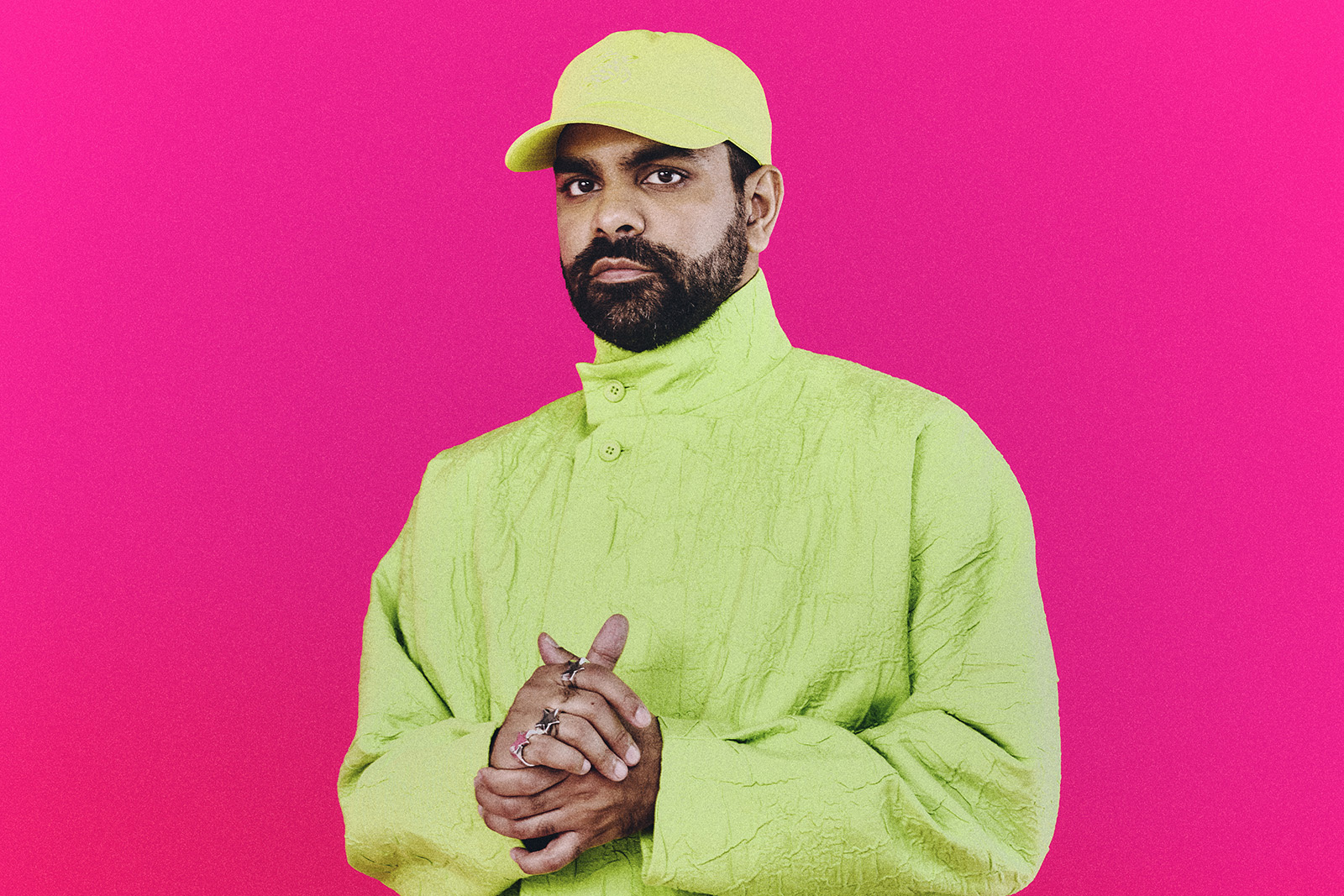
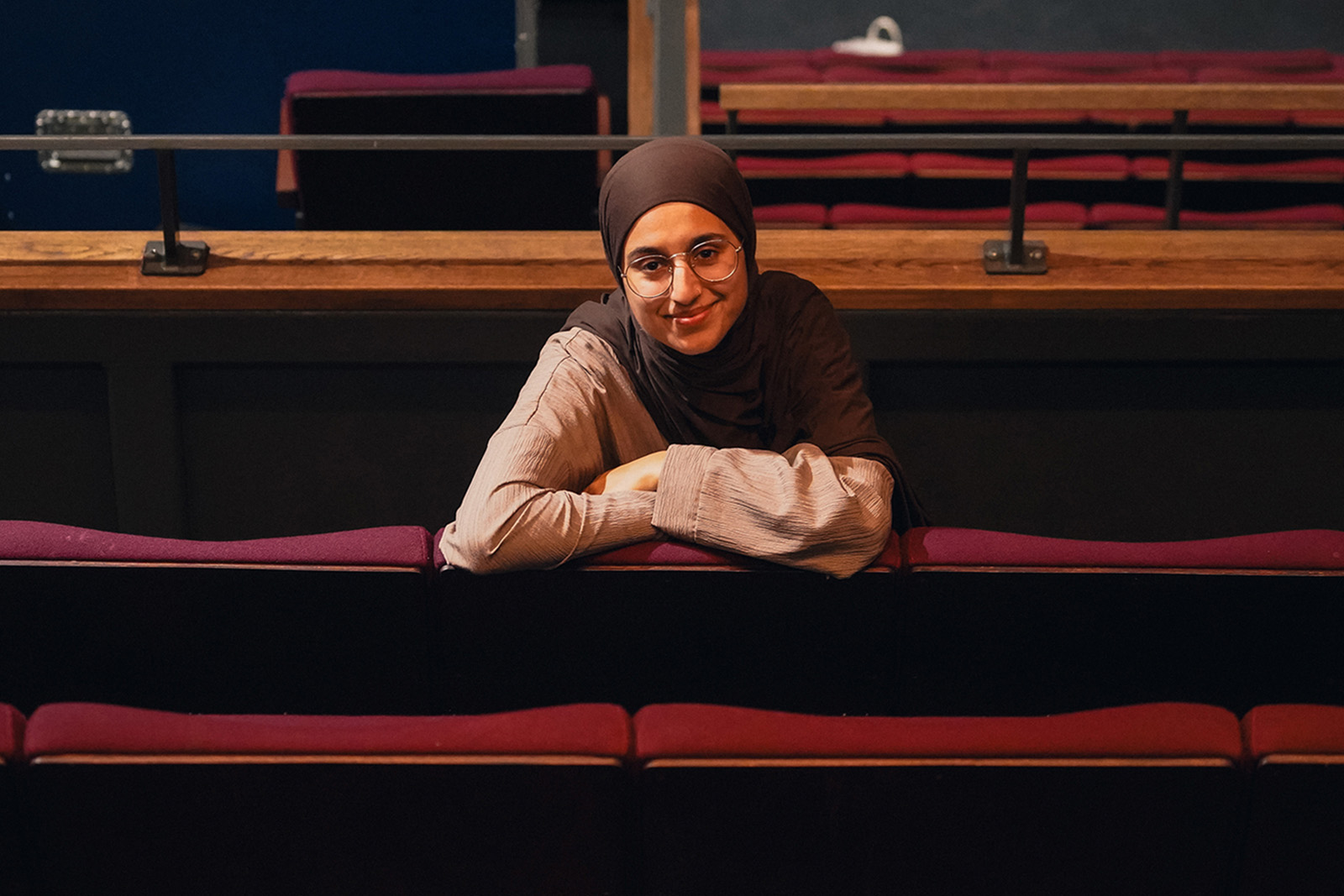
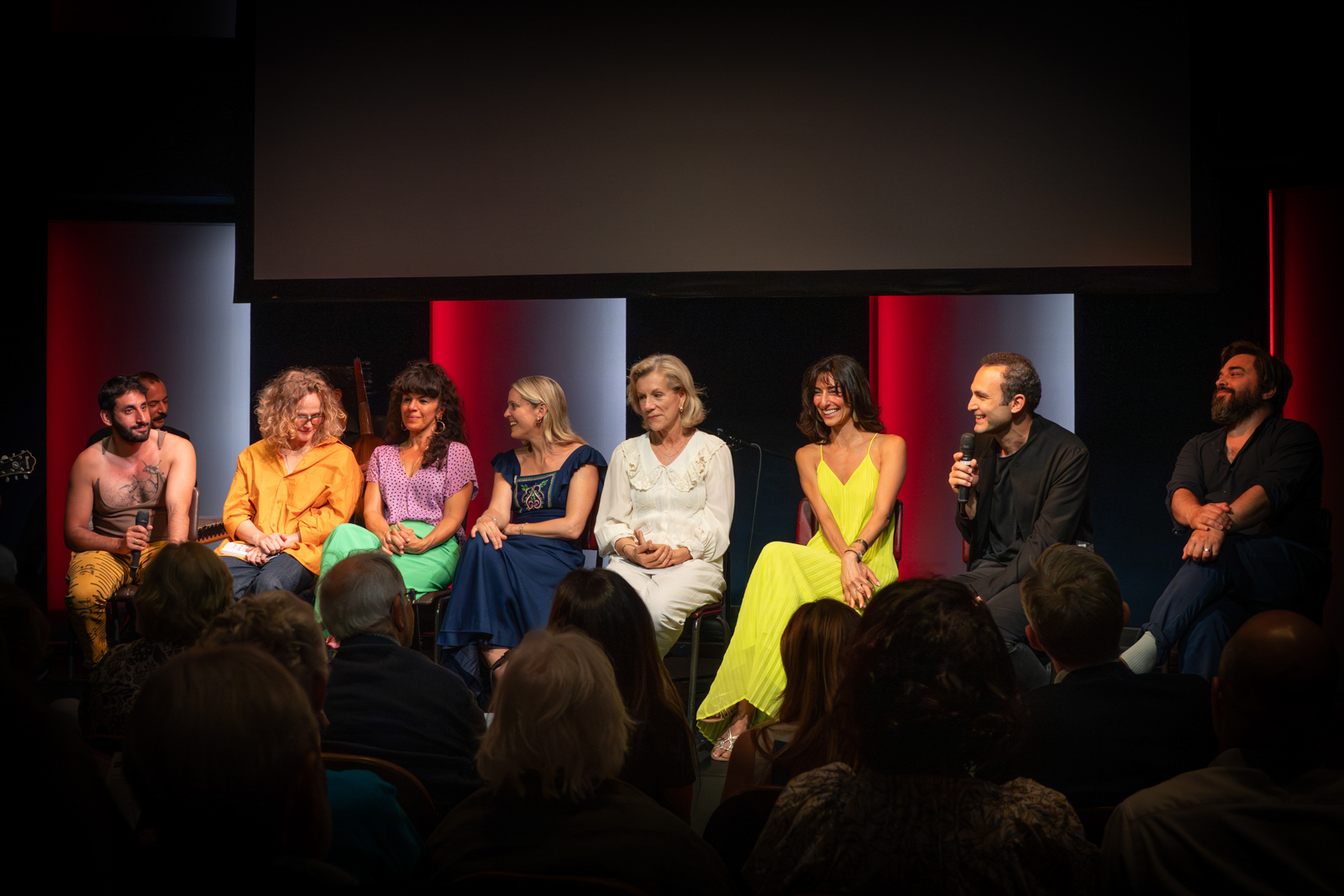
Marking its 15th anniversary, the production has arrived at London’s Duchess Theatre with a new, first-time cast featuring Riz Ahmed, Nish Kumar, Steve Pemberton and more.
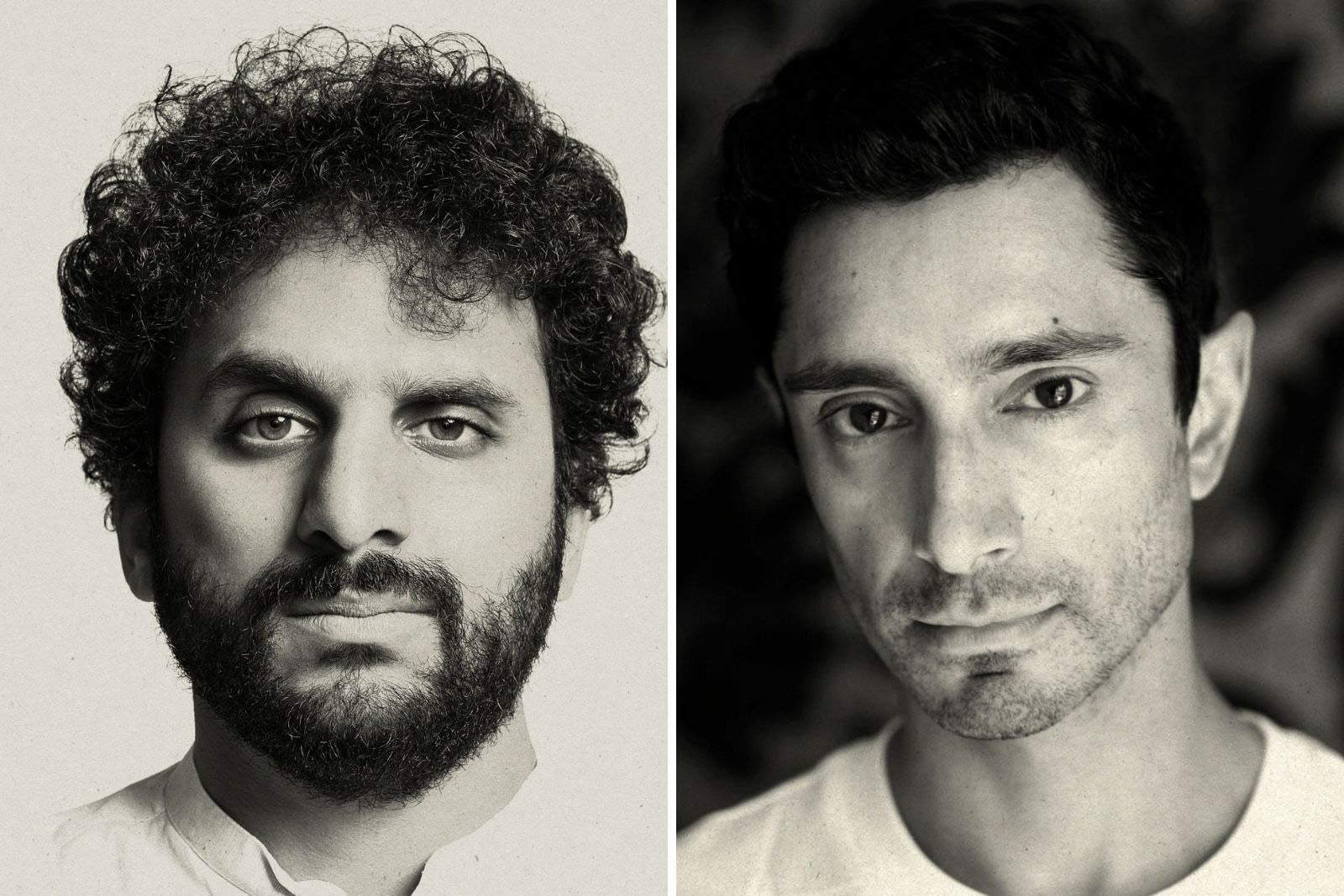
Although the play became a runaway success, Soleimanpour initially wrote it partly as a response to being denied a passport by the Iranian government when he refused to complete compulsory military service.
“Having the actor play the role unrehearsed was a necessity because I didn’t have a passport so I couldn’t travel with the show,” he says. “It was also inspired by a nightmare I had where I was onstage committing suicide. It made me think about what might happen when one destroys oneself onstage. What happens when a machine stops its own purpose?”
Propelled by that rebellious impulse to break down the conventional forms of theatre, Soleimanpour tinkered with the script for several years until securing a prestigious premiere slot during the 2011 Edinburgh Festival Fringe. Yet, he still couldn’t travel.
“I caught it years after its premiere when I was finally issued a passport and by then it had toured the world,” he says. “I ended up flying 40 hours to see it in Brisbane for the first time and I initially thought I could have written it better. But then I also saw the audience’s reactions and afterwards the more I saw it again, the happier I felt. At this point, it’s not mine, it belongs to the 5,000 performers.”
With the show currently licensed around the globe — and Soleimanpour’s email address listed in the script, since, he says, “I thought it would get me an agent” — he constantly receives messages from the performers taking on his text.
“Each performer has their surprising moments as they bring themselves to it,” Soleimanpour says. “It’s beautiful to see how a person with a larger following can unite a room and I’m always amazed at how fast they are and how they can improve and polish what I wrote in seven years in less than seven seconds. But I’ve also seen town mayors do it and be amazing, we’ve had YouTubers and even a drag queen, who was incredible.”
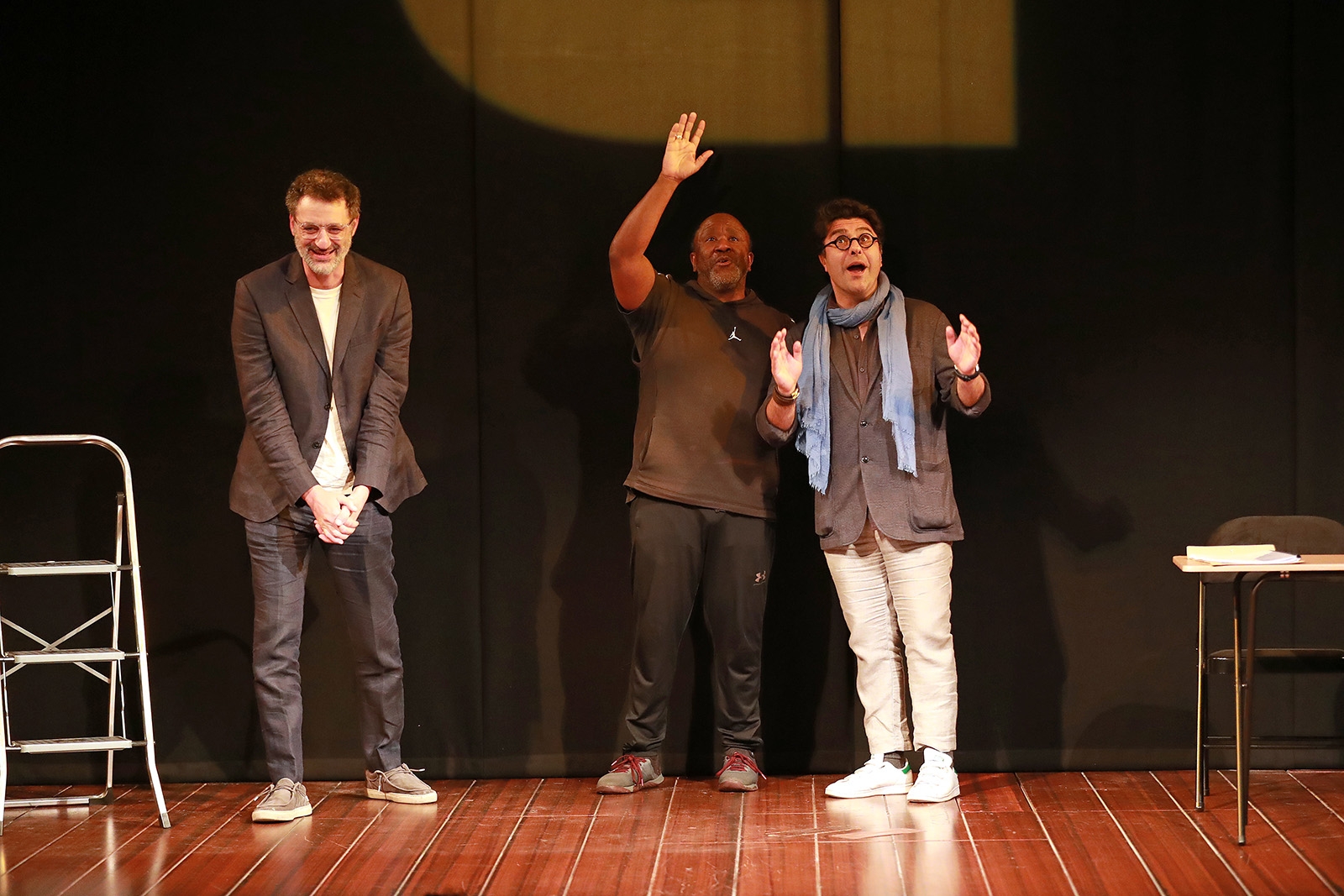
Soleimanpour left Iran after being granted a passport in 2013 and is currently based between Berlin and Milan, but he is resistant to ascribe the show’s meaning purely to himself and his identity.
“The play is about myself and I’m Iranian, but when Brexit happened and it showed in Britain it was about the UK, when Trump was elected it was about him, and now in Germany it’s about the AfD,” he says. “In classical theatre you have the hero and the villain, here the hero is the actor and the villain is the script and that’s the paradigm the play inhabits. Then it shifts and the actor can become the villain and we can feel for the script. That dance creates different dramas onstage.”
The play may have toured the world and birthed two other experimental shows, Nassim and Echo, but it has never been shown in Iran. “In the last decade it’s been on the radar of scholars and friends in Iran but we haven’t been able to come back and do a premiere,” Soleimanpour says. “It’s not the right moment to put it on there as there’s still a distinction between official spaces and the underground. We can wait, maybe it’ll be more beautiful when I die, who knows?”
At 44 years old, that eventuality is hopefully a very long way off for Soleimanpour. Instead, he still seems to be motivated by just as much creative energy as the boundary-breaking drive he had for White Rabbit, Red Rabbit. “You can’t switch off your brain if you’re a writer, since crazy ideas can come in the middle of a chat and it’s always about some next thing, rather than what you’re working on now. It’s an affair you’re having with your brain,” he says, laughing.
The current run of White Rabbit, Red Rabbit is the first outing of Soleimanpour’s new production company There & Then, co-founded with director and longtime collaborator Omar Elerian. Reflecting on this series of performances, Soleimanpour says: “My one regret is that I can’t split myself to see the performers do it all. What they do is different every night, it’s stunning to watch the beauty of their humanity and art.”
White Rabbit, Red Rabbit is at the Duchess Theatre, London until 26 October.