
Hausa literature festival tells northern Nigerian stories in London for the first time
The event has become a fixture on its home country’s arts calendar. Now it’s heading to the UK capital

Not so long ago, if Nigerian writer Sada Malumfashi wanted to attend a literary festival, he had to travel from his hometown of Kaduna to Lagos, nearly 500 miles to the south.
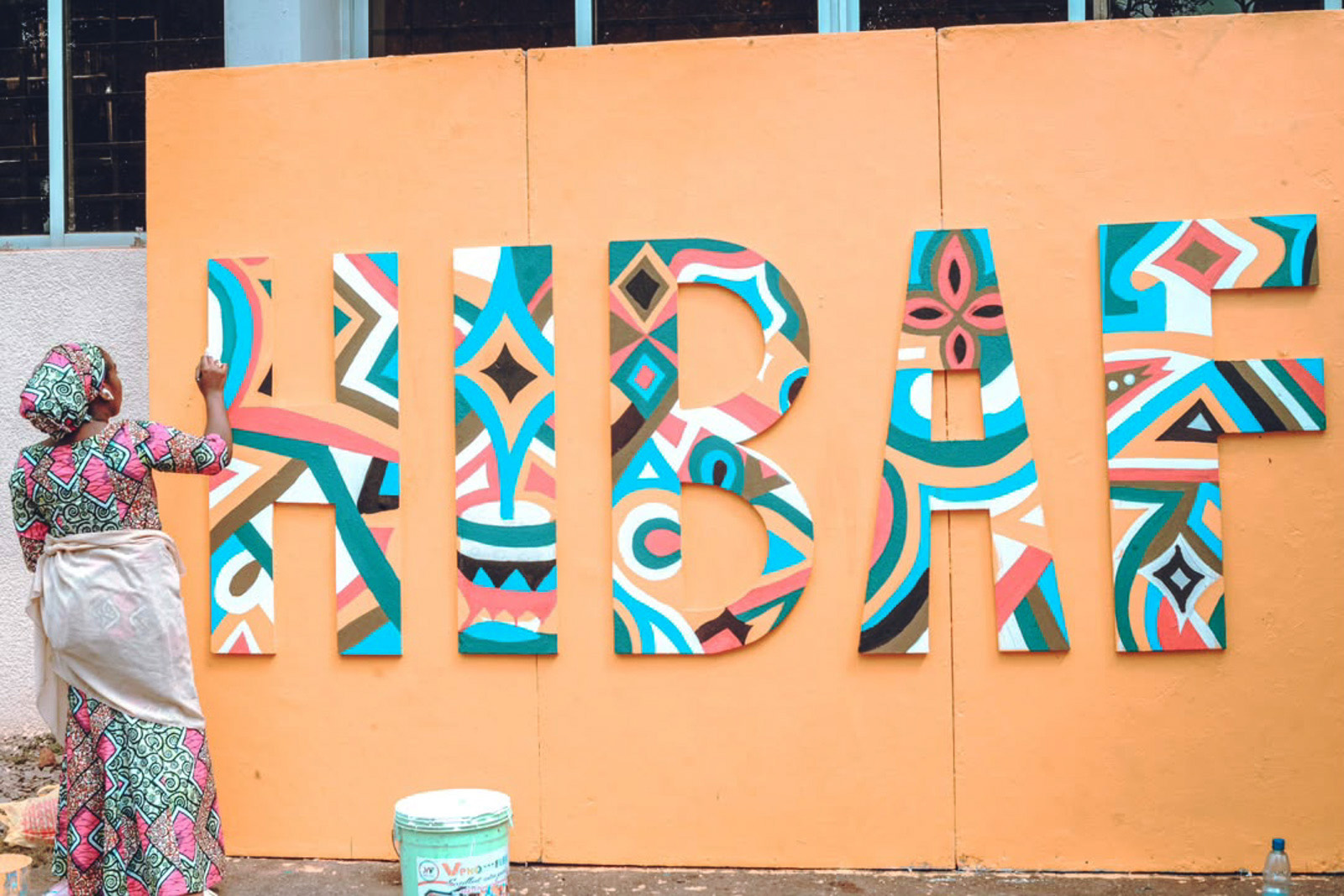
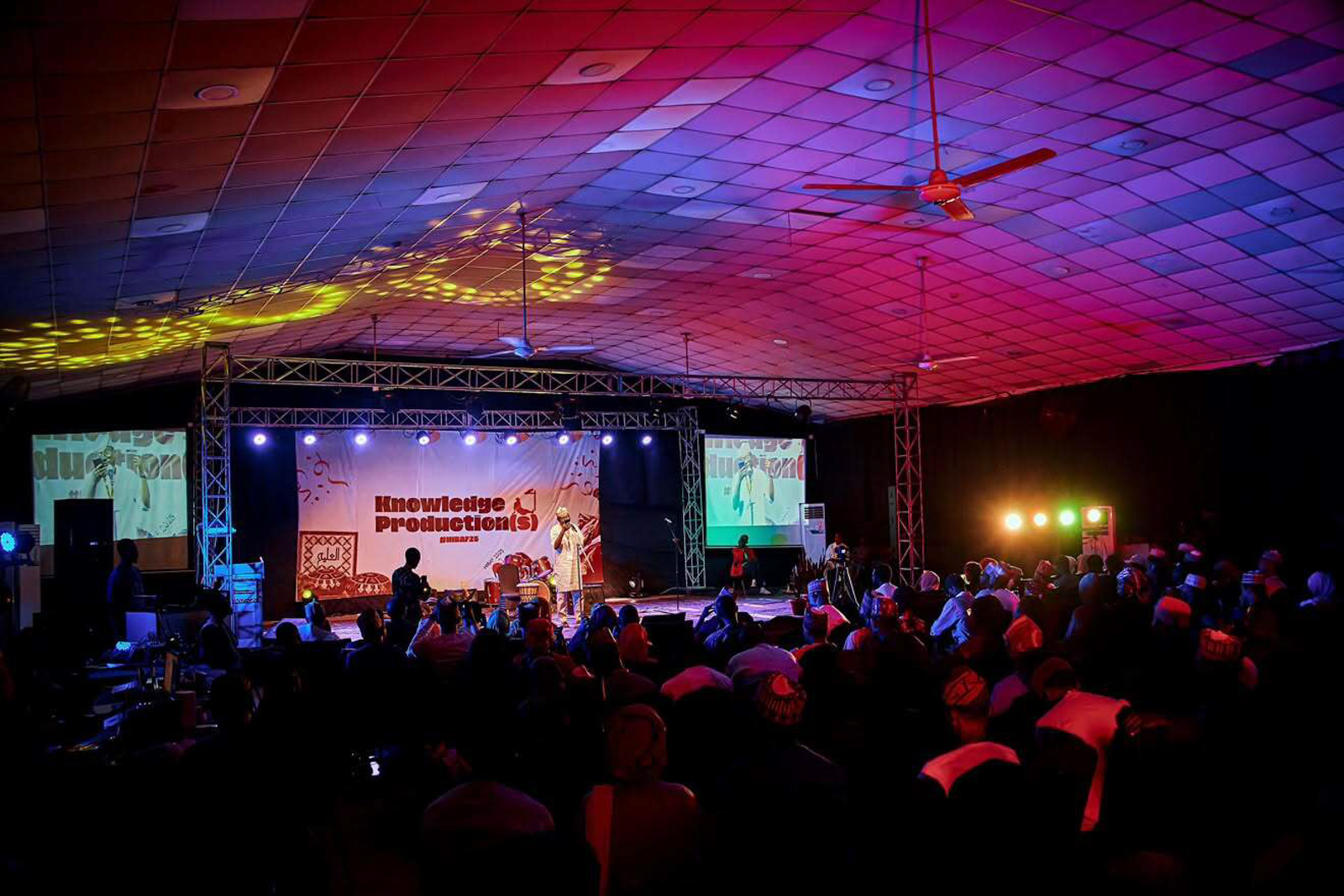
Back then, there were few events that brought together readers and writers of northern Nigerian poetry and prose. Driven by a desire to change that, Malumfashi and a team of colleagues conceived and launched the first Hausa International Books and Arts Festival (Hibaf) in 2021.
Hausa is both an ethnicity and a language widely spoken in northern Nigeria and southern Niger, as well as in Ghana, Cameroon, Benin, Togo, Chad and Sudan. According to Ethnologue’s 2025 estimates, the language has around 94 million speakers worldwide.
Related content
“We just needed a gathering where we could talk to each other,” Malumfashi says. “We have all these writers and authors — most of them are self-published, selling their books themselves. There’s never been such a space.”
What started as a festival dedicated to Hausa literature has since expanded to explore language, culture, arts and ideas about northern Nigeria.
“Initially the focus was books, writers, authors,” Malumfashi says. “But by the third edition, we understood that books alone are a channel to a larger idea about life in northern Nigeria.”
Five years on, Hibaf is heading overseas for the first time. The festival will hold a one-day programme at Soas University of London on 24 October, before returning to Nigeria for further events in Kaduna and Abuja in December.
Malumfashi established Hibaf through Open Arts, an organisation he co-founded in 2018 to create more opportunities for people to engage with the arts in northern Nigeria.
He was also motivated by the relative lack of recognition given to Hausa writing in wider conversations about Nigerian literature, which often focus on work published in English.
“Until I was 10, all I knew was literature in Hausa,” he says. “There is a kind of erasure of it in global conversation about Nigerian literature and I wanted to correct that narrative.”
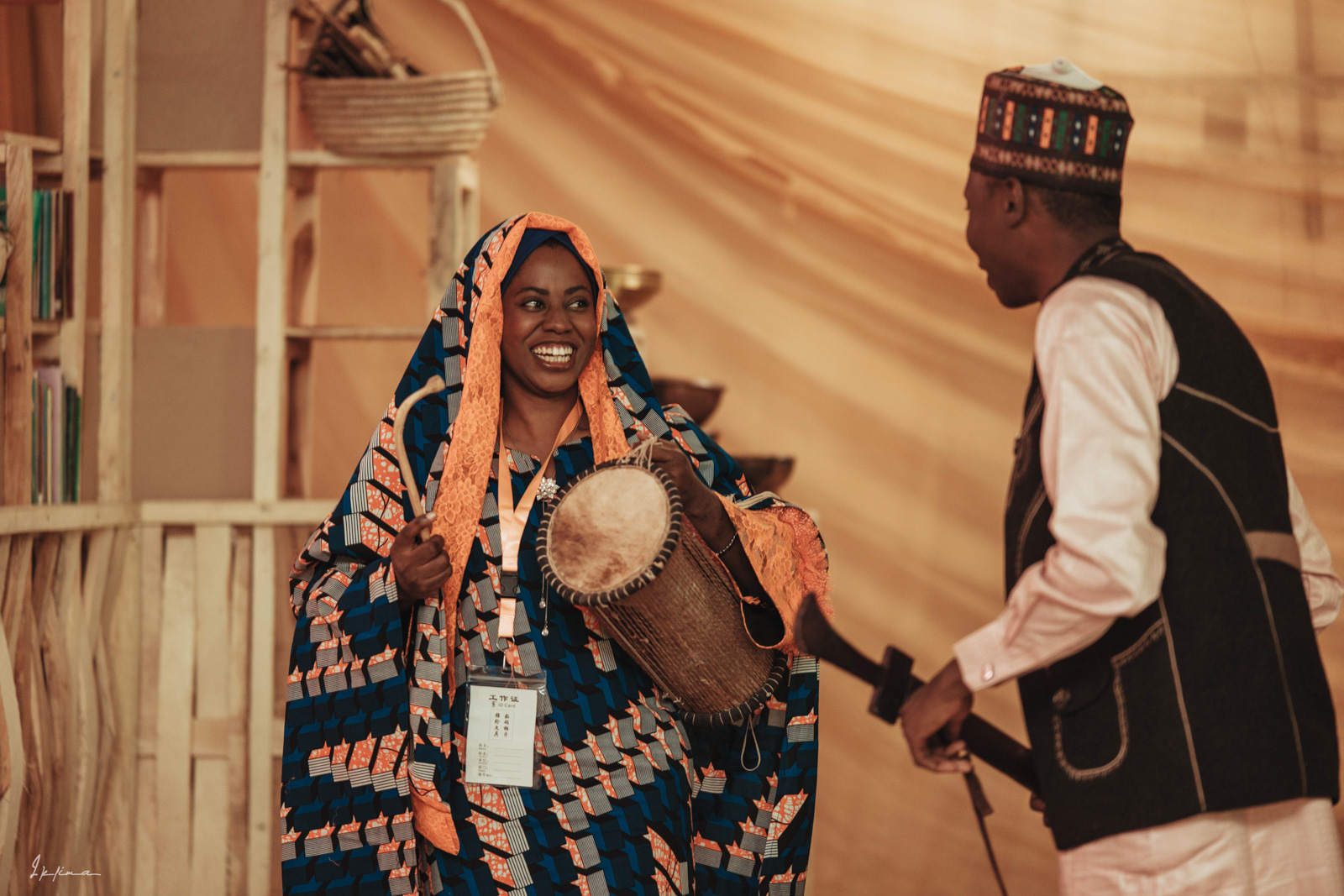
Over the years, Hibaf has featured musicians, poets and traditional dambe wrestlers, along with discussions about architecture, lifestyle and popular culture.
The festival’s theme for 2026 is Hausa philosophy. One session at Soas will look at the gender of the language, while another will explore the relationship between Hausa and Swahili, a language spoken primarily in Tanzania, Uganda, Kenya and the Democratic Republic of Congo, including the translation of works between the two languages.
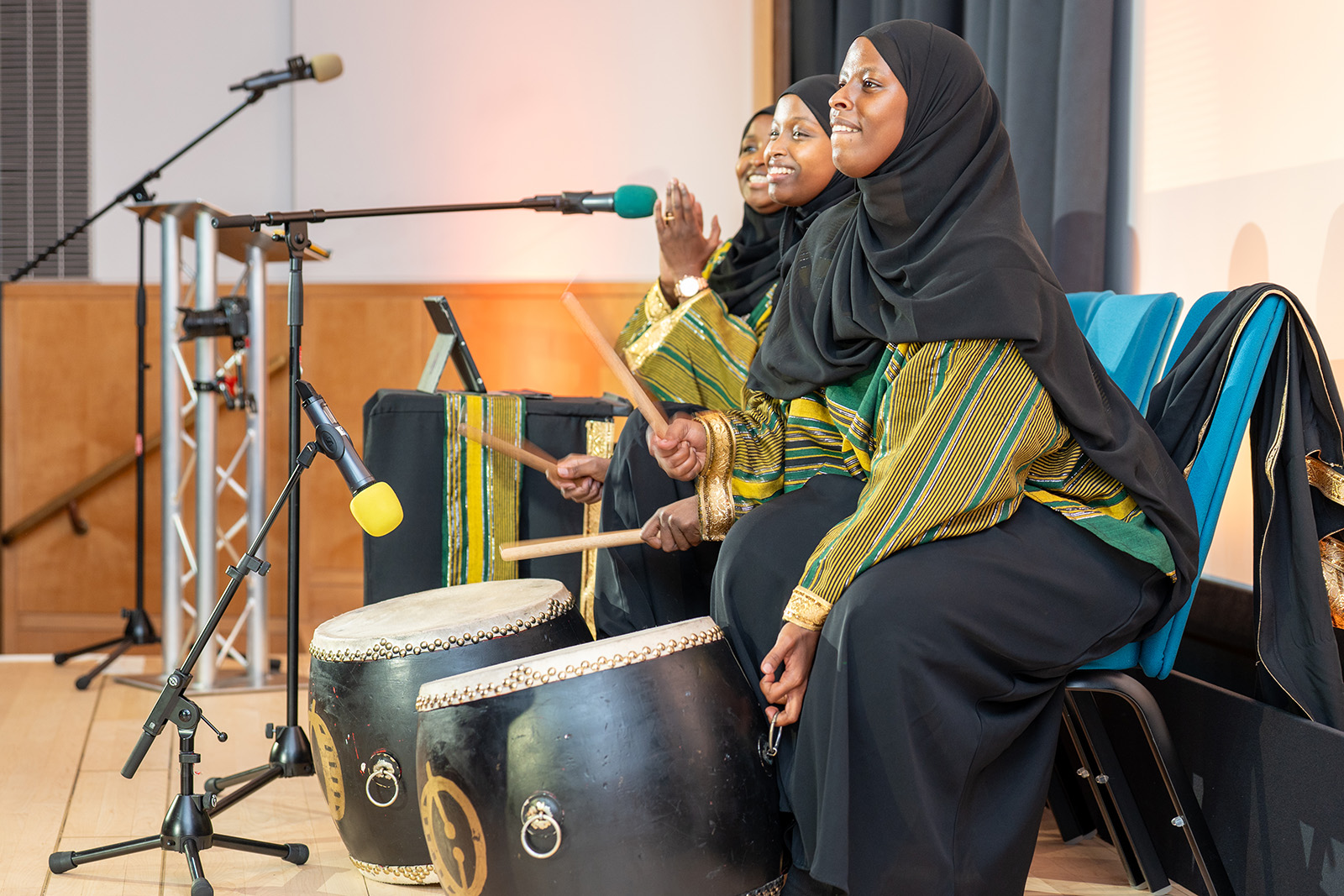
A documentary on issues facing contemporary northern Nigeria will be screened, alongside a panel discussion involving members of the Hausa diaspora about what it means to be Hausa in the UK. The festival will also include an exhibition showcasing community archives and traditional music by Hausa youth groups in the UK.
Taking Hibaf abroad reflects the organisers’ growing understanding of the reach of the Hausa language. It is the first language of approximately 58 million speakers and 36 million speak it as a second language. In 2023, the festival’s diaspora-themed edition drew interest from a wider range of places than the team expected. Alongside neighbouring Niger and more familiar communities, people from Togo, Ghana, Sudan, Saudi Arabia, China, Germany and the UAE also got in touch.
“We were looking at the diaspora in terms of communities in west Africa and maybe a few in the UK and US, but not looking eastward,” Malumfashi says.
For the organisers, the festival is not exclusively for people who identify as ethnically Hausa, but for anyone who speaks the language or has an interest in it.
“The language is much wider than the ethnic people,” Malumfashi says. He compares the assumption that everyone who speaks the language must be ethnically Hausa to assuming that everyone who speaks English is English.
Salma Ja’eh, Hibaf’s festival coordinator, hopes that the London event will also help people understand how far-flung Hausa-speaking communities really are.
“In northern Nigeria, I realised we don’t understand that there are Hausa-speaking people outside of the country as well,” she says. “If they could just know that the Hausa language is beyond just one region in the world.”
The festival also aims to challenge the idea that Hausa literature is a recent development or limited to online spaces.
Habiba Malumfashi, the festival’s logistics manager and Sada’s sister, grew up reading in Hausa before learning to read in English. She says that while Hausa literature has benefited from the advent of online publishing, she has been surprised by how often people treat that point as the start of the movement.
“People say that, ‘Do you know that Hausa people are currently writing books in Hausa on Wattpad?’ as if it just started last year,” she says. “There has been Hausa literature as far back as 500 years ago, even before we started writing using the English script.”
She recalls a conversation with writers from Niger during the festival’s 2022 edition, when one of them pointed out that she frequently mixed Hausa and English. She later noticed that writers from Niger were blending Hausa with French.
The exchange made her think more closely about how colonial languages continue to shape everyday communication, sometimes in ways people do not consciously recognise.
Related content
“I feel that that’s what Hibaf is as a festival of ideas,” she says. “It brings all the subconscious things to the forefront and it makes you think about them properly.”
Beyond the festival, Open Arts is working to develop a stronger literary and arts infrastructure in northern Nigeria, but funding remains a challenge. Sada Malumfashi says the organisation had tried to secure support from the Nigerian private sector, but had found it difficult. Open Arts relies largely on foundation grants, many of them international, to continue developing opportunities for writers and artists.
He hopes attendees will experience what he describes as a sense of joy and nostalgia, similar to the feeling of being surrounded by family and community.
For Habiba, the aim is to create a space where people feel they belong, rather than feeling like an outlier.
“I want people to feel that and take that with them, knowing that there’s a space that was made just for you,” she says. “And it was curated with you in mind.”
The Hausa International Books and Arts Festival will take place at Soas University of London on Saturday 24 October, 10am-6pm. Registration is free.