
Hamed Amiri on his new book The Other Boy: ‘There is light at the end of the tunnel’
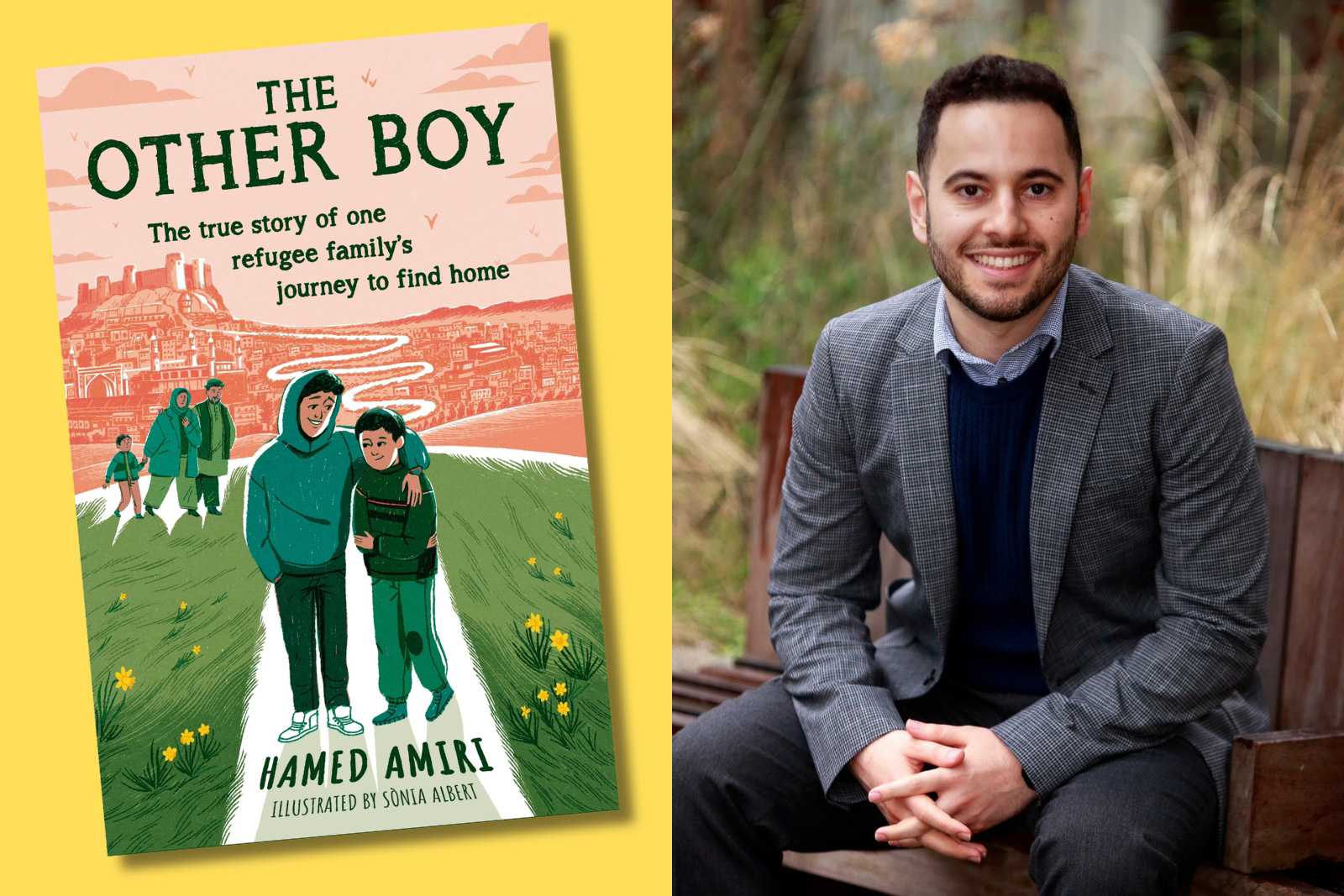
The author has turned his journey fleeing from Afghanistan to Wales into a book for young readers. He hopes the story will help children understand what it means to be a refugee

The author Hamed Amiri still remembers the first time he learned the word “refugee”.
It was late 2000 and Amiri, then around 10 years old, had just arrived in Austria with his parents and two brothers, Hussein and Hessam, after fleeing their home in Herat, Afghanistan. Learning that word went on to shape much of his childhood, defining his sense of belonging.
Now 35, Amiri is revisiting those experiences in The Other Boy, his first non-fiction book for children aged 10 and above. He hopes to help young readers understand the humanity behind the label of refugee and give children who have experienced displacement something he says he never had — reassurance that things can get better with time.
“I want this book to be an example that there is light at the end of the tunnel. Even though it’s tough to get through it,” he says.
The Other Boy follows Amiri’s adult memoir, The Boy With Two Hearts, published in 2020, which was adapted for the stage in 2021, premiering at the Wales Millennium Centre before transferring to the National Theatre in London.
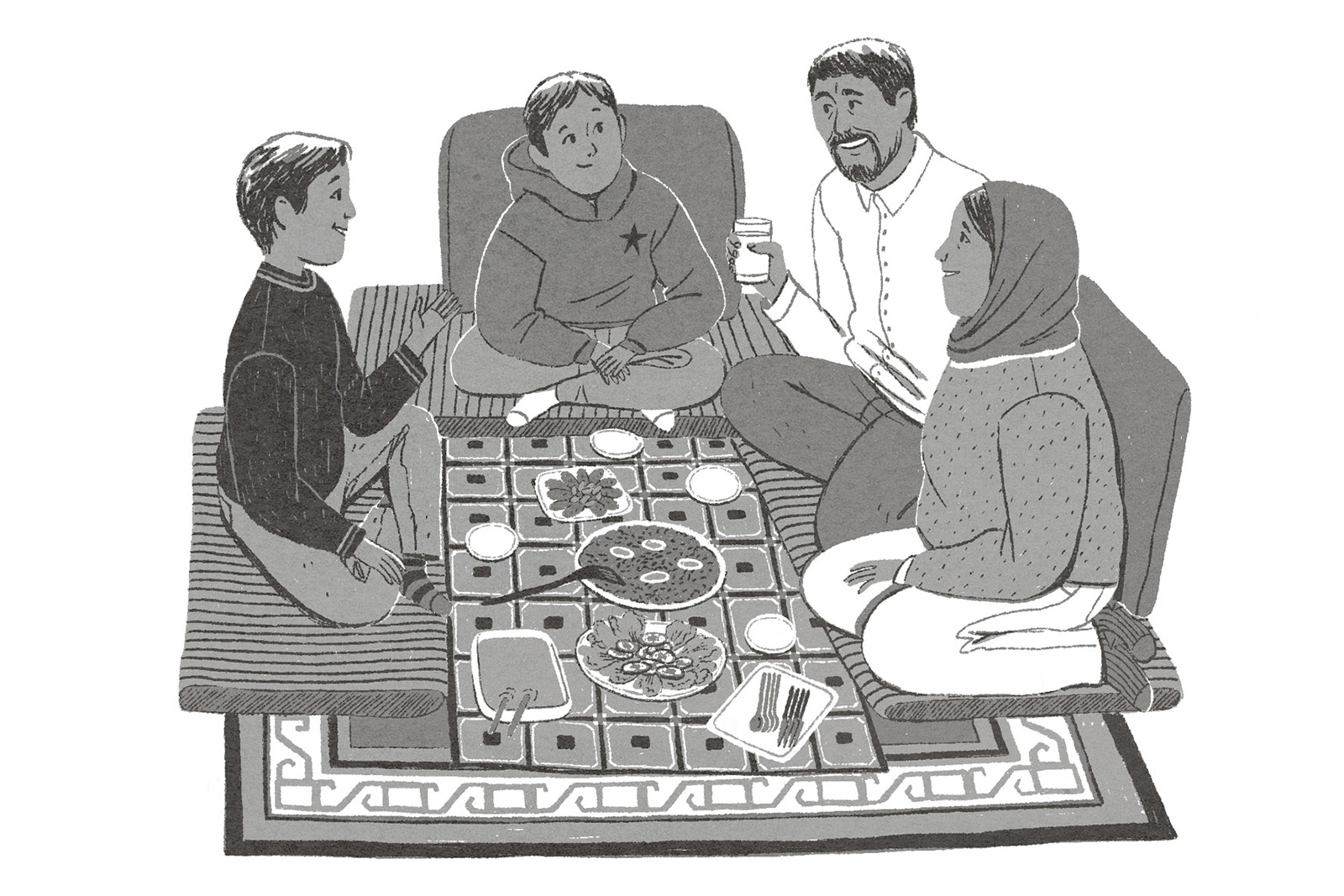
It retraces the family’s journey from Afghanistan to the UK and Amiri’s struggle to adjust after they eventually settled in Cardiff.
Amiri grew up in Herat with his parents and two brothers. Five years before the family fled, the Taliban had seized control of the city. Girls were banned from school and, like many women, Amiri’s mother began teaching local girls, secretly leading classes on maths, history and science in a neighbour’s basement.
One afternoon, she gave a speech in the local playground arguing that girls should be allowed to have an education. Word soon reached a Taliban leader known as “the executioner”. A day or two later, Amiri says an order was issued for his mother’s execution. The family needed to leave immediately. Their only option, Amiri recalls, was to travel via a trafficker.
The family sold their possessions and fled Herat in the middle of the night in January 2000 with just a few essentials. Amiri hid in the boot of a car. The journey that followed spanned 18 months across eight countries, including Russia, Belgium and the Netherlands, before reaching the UK in May 2001.
Despite the book being intended for a younger audience, Amiri does not shy away from the traumas and dangers he experienced as a child, such as travelling in the back of a lorry. His brother Hussein had a heart condition and the family were trying to get to the UK so he could receive the medical treatment he needed.
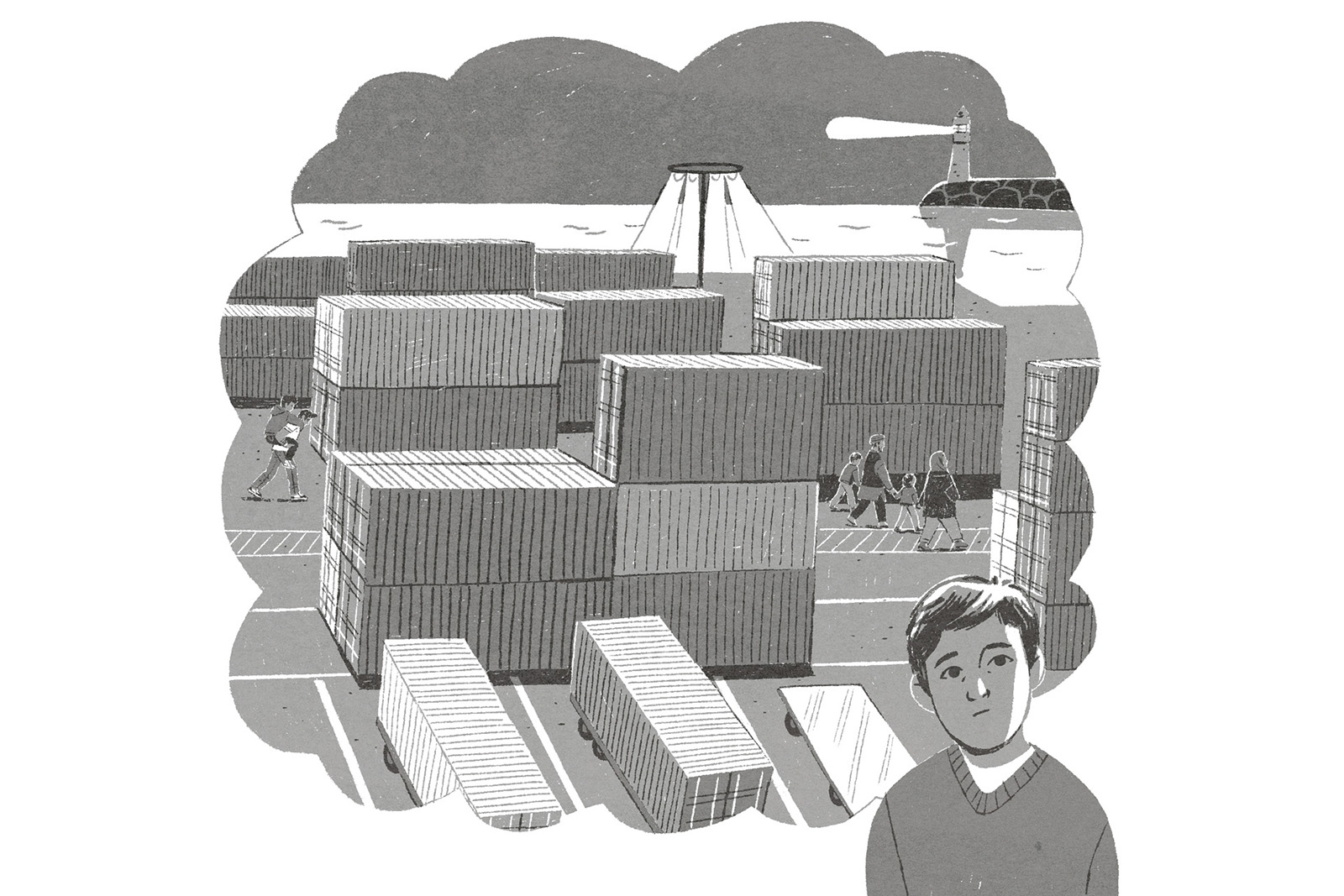
Amiri recalls hiding among stacks of tyres with his family. As the lorry approached a border checkpoint, guards began searching the vehicle. One shone a torch inside and spotted Amiri. The family were taken to a refugee camp in Calais.
“‘Refugee, refugee,’ Dad repeated hopelessly, but he didn’t need to. It was obvious what we were,” Amiri writes in the book. “‘We need to get to the UK, please,’ Mum begged. ‘My son is sick.’”
Amiri says the idea for The Other Boy grew partly out of 12 years spent visiting schools as a public speaker and sharing his experiences. He often sensed that pupils had deeper questions they were reluctant to ask in front of others, so he wanted this book to fill that gap.
“I wish I had a tool when I was younger. The impact of the journey really deflated me of who I was and the way I looked at life. If someone had come in and said: ‘Hamed, it’s going to be tough, there’ll be bad days, but it’s going to be okay’, I wouldn’t have felt so isolated,” he says. “But I never did have that.”
Amiri believes it’s important to write for younger readers without shielding them entirely from the realities of war and displacement.
“There were a few occasions where I would need the editors to go: ‘Well, actually, I wouldn’t go as dark as that because you need to be mindful of the audience,’” he says. “I wanted to be as raw as possible without making it gory. This is the truth. It was horrible. It was tough. But we got through it.”
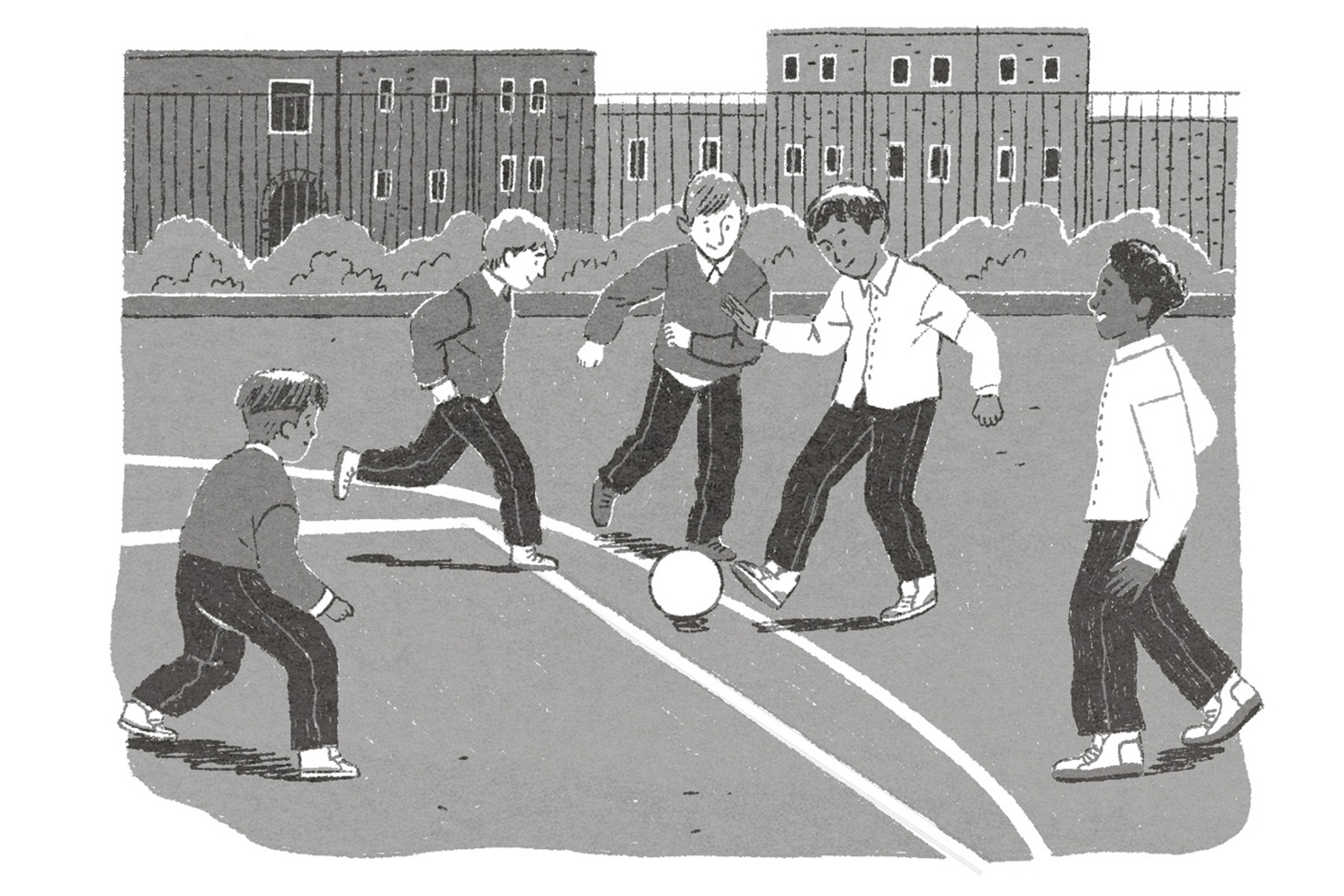
Amiri also explores the difficulties of integration as a child and how the label of refugee turned his family into “people nobody really wanted”. He says that he struggled to process what he had experienced and began acting out at school. Amiri describes turning up late to lessons, regularly getting into trouble with teachers and ending up in detention. Looking back now, he understands that behaviour.
“We kind of just grew up in that traumatic experience and learned how to navigate it,” he says. “That wasn’t me wanting to be a troublemaker. That was me crying for help and I didn’t know how to communicate.”
This is ultimately why he wanted to write his story for a younger audience. “Just because someone’s acting out, doesn’t mean they’re a troublemaker. Please don’t rule them out,” he says. “I didn’t choose to be a refugee. It’s a title that was given to me. Behind those numbers is a family, a child that you’re forgetting.”
The Other Boy is published by Wren & Rook (£10.99).