
Five books exploring Black British life
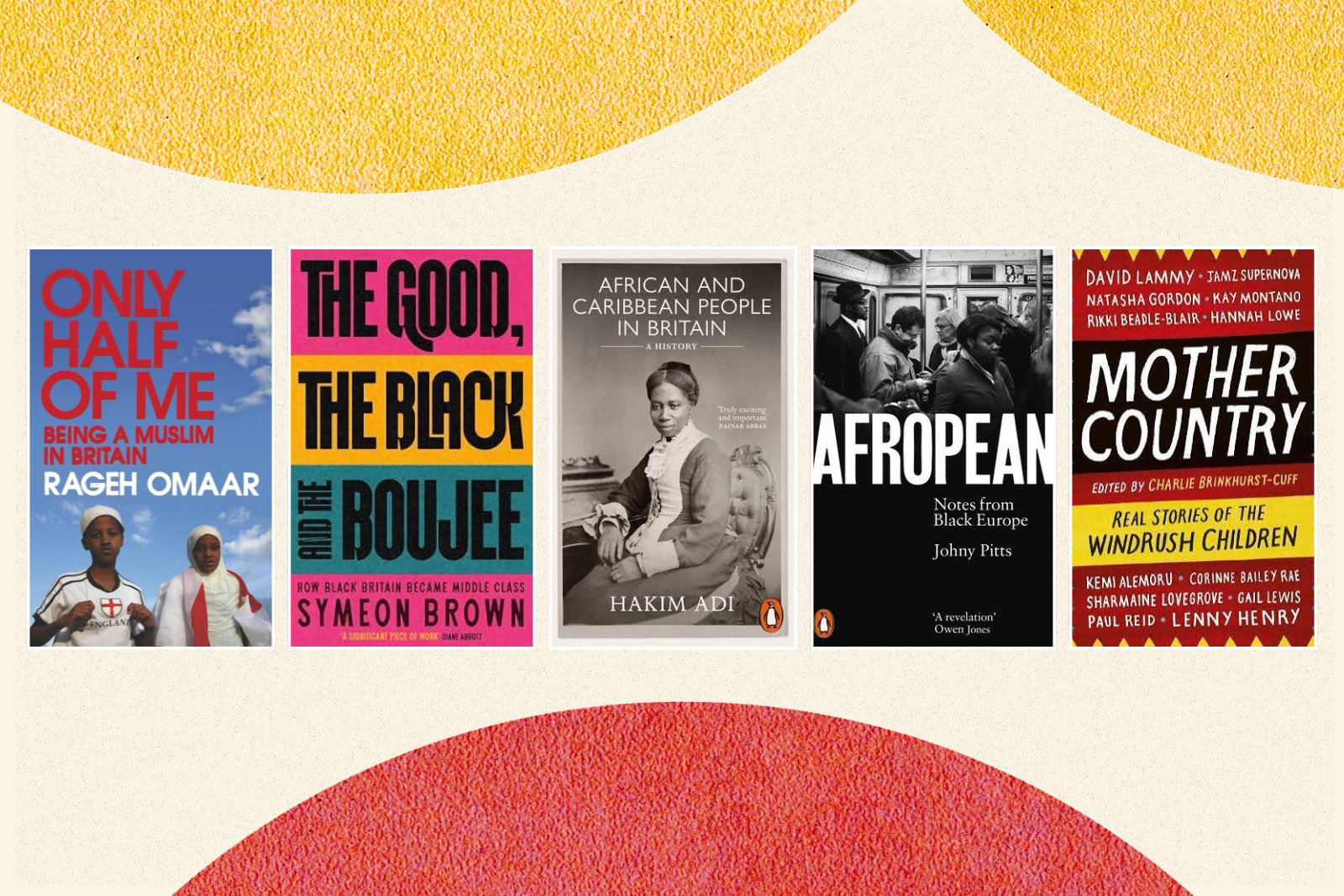
From an expansive 2,000-year history to reflections on being a Muslim journalist post 9/11, here are some essential reads this Black History Month

October is Black History Month, a time to recognise the Black individuals and communities who have shaped and continue to shape the UK. I’ve tried to make this month’s recommendations as wide-ranging as possible. Hakim Adi relates an expansive 2,000-year history, Symeon Brown’s new book studies the underexplored Black middle class and Rageh Omaar reflects on being a Black Muslim journalist in the Noughties.
There are, of course, other brilliant books that explore the many facets of Black British life that I simply couldn’t fit on this list. The five I’ve chosen make clear that being Black and British isn’t a single story, but a patchwork of faiths, classes and origins, including Black Muslim communities.
Only Half of Me: Being a Muslim in Britain — Rageh Omaar
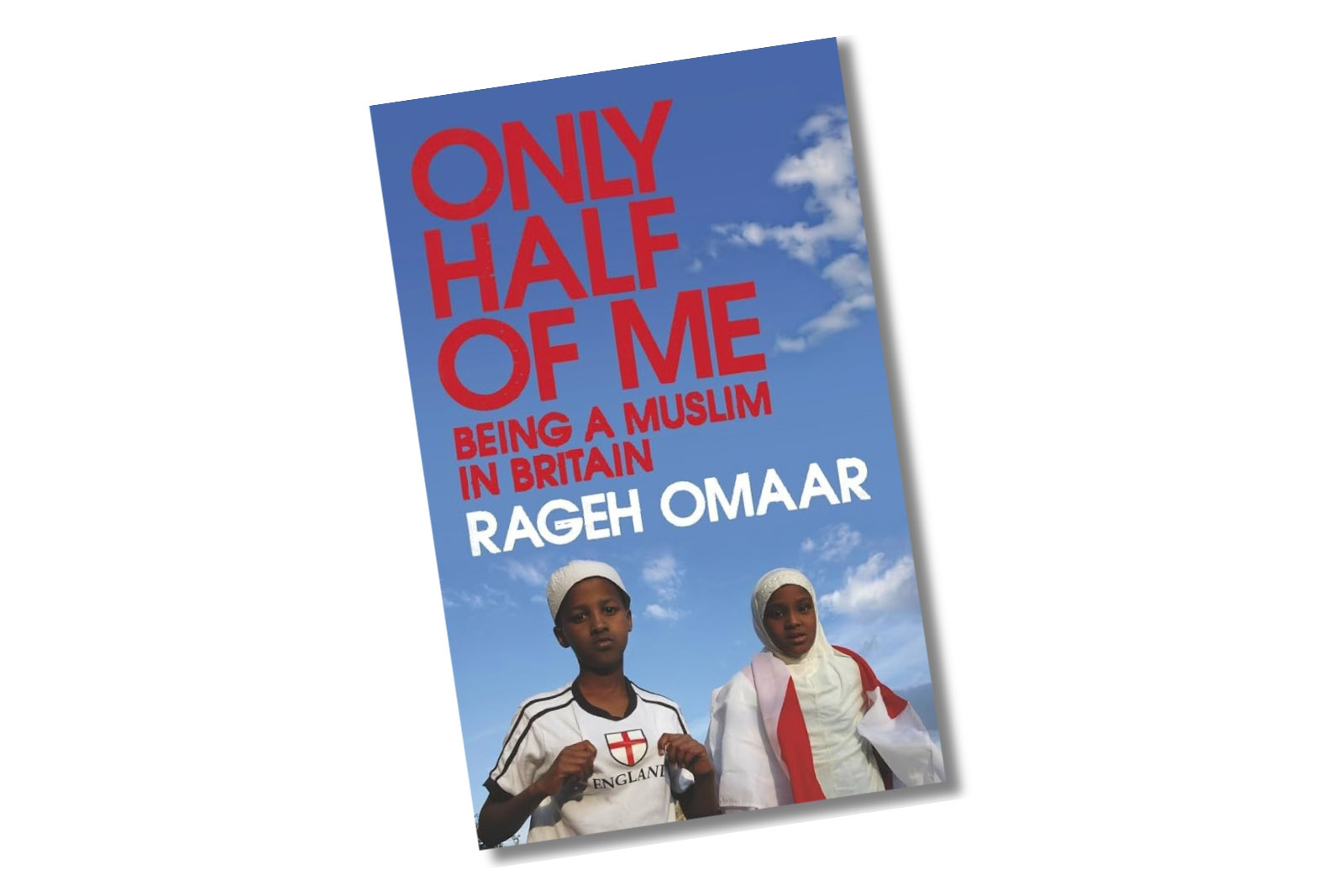
Rageh Omaar’s Only Half of Me: Being a Muslim in Britain was published in 2006, but the Somali-born British journalist’s meditation on what it means to be a black Muslim man in the post-9/11 UK feels as relevant as ever, with recorded hate crime against both Muslims and Black people on the rise.
Omaar’s family left for the UK before the catastrophes of war and famine gripped Somalia, the parents certain their children would come back to build a new post-colonial nation. Eventually, the author realises he is unlikely to return and that his future lies in a journalism career in the UK. The book is both an account of his life and identity and a wider look into the lives of other British Muslims, whose diversity undermines the harmful, singular stereotype that dominated public life in the mid-2000s, which was that of a terrorist.
This is a fascinating insight into that period. It’s striking how much Omaar feels he has to defend the Muslim community against a public that conflates Islam with fundamentalism. He shows how public discourse has moved on since then and how, in many ways, it has remained the same.
The Good, The Black and the Boujee — Symeon Brown
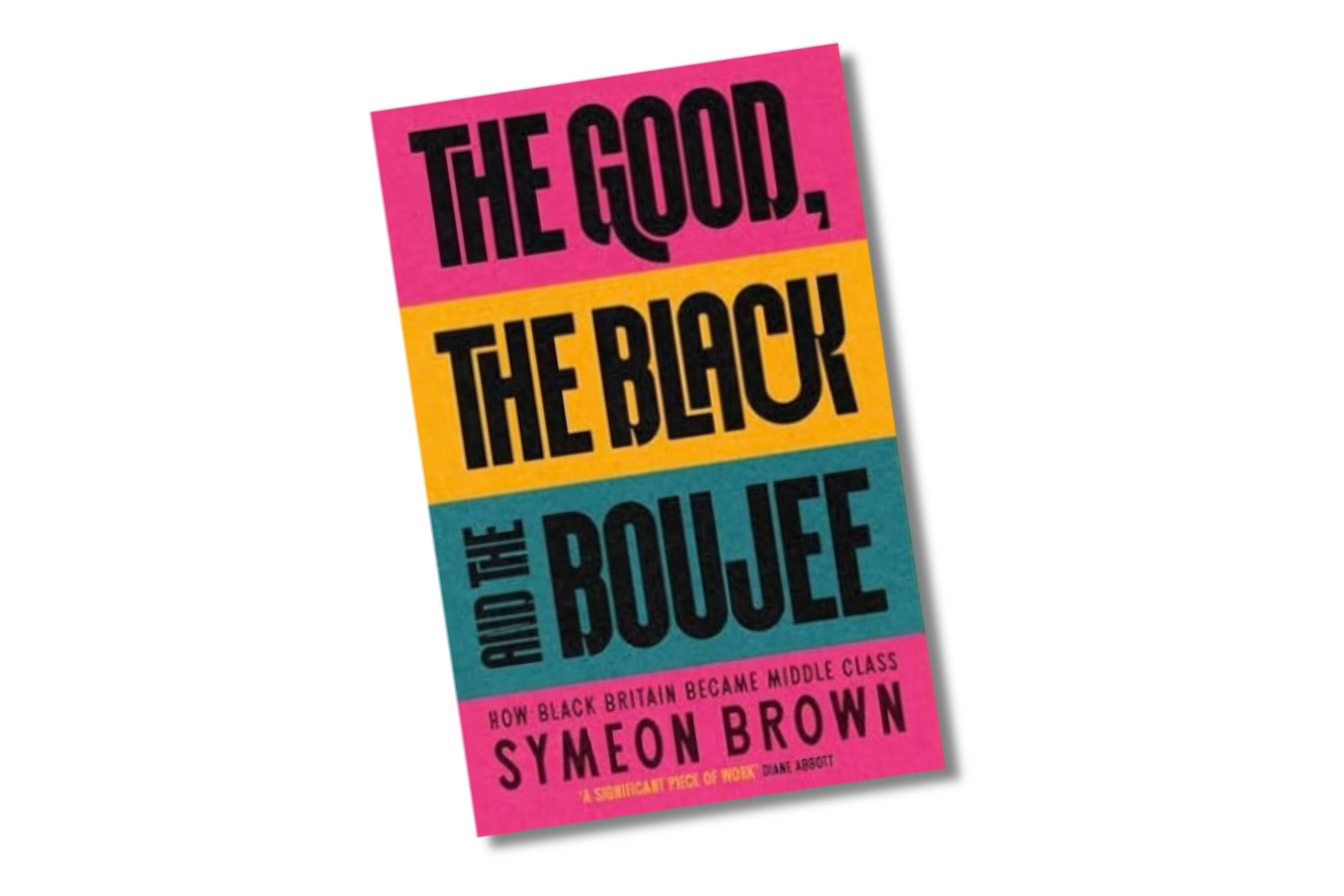
I’m a big fan of the work of Symeon Brown, a journalist whose debut book, Get Rich or Lie Trying, focused on the dishonesty at the centre of the influencer economy. His latest book, The Good, the Black and the Boujee: How Black Britain Became Middle Class, published this year, offers a thoughtful exploration of contemporary Black British identity and its relationship with class, which is far more complicated and misunderstood than is generally accepted, making the book a vital contribution to our knowledge of Black British history.
During his initial research, Brown quickly realised there wasn’t enough data to draw on for his analysis, so in 2021 he undertook the largest known study of Britain’s Black middle class, consisting of nearly 1,500 interviews with Black professionals. He asked them about their family histories, education, employment, spending, social values and aspirations. The author found that the biggest barrier to collecting his data was that many interviewees wouldn’t consider themselves middle-class, even if their parents went to university, owned homes, or had been privately educated.
“A trend of middle-class people downplaying their status is common for all ethnicities, but with Black Britons there is an added layer of denial, as middle-class privilege is not considered a given,” he writes.
The author examines how, in recent decades, Black Britons have become more middle-class and assumed powerful positions within the cultural elite. He looks at how far back that history goes and whether, despite a more diverse ruling class today, class still determines who holds power and what they do with it.
African and Caribbean People in Britain: A History — Hakim Adi
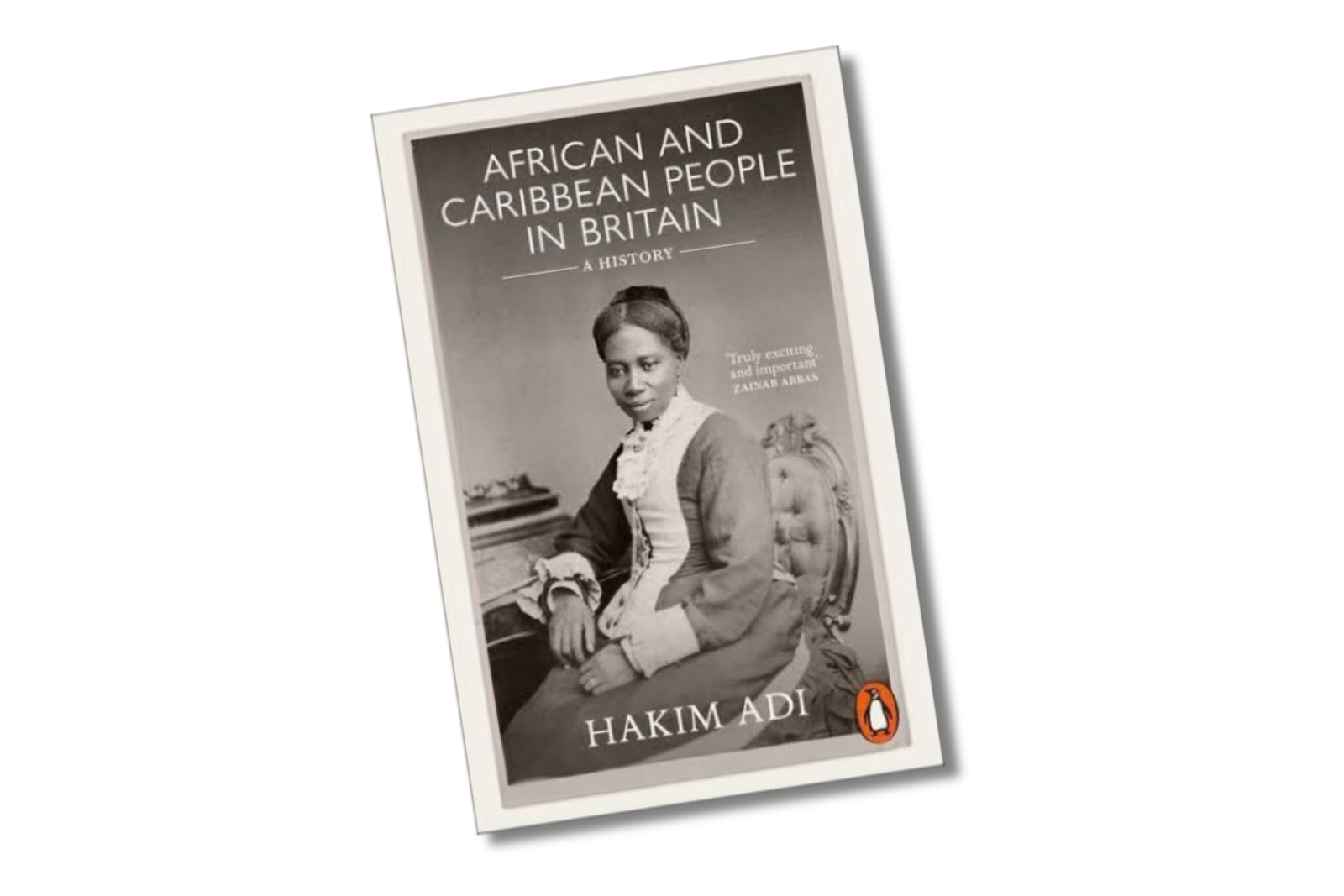
Hakim Adi, the first person of African heritage to become a professor of history in the UK, wrote a comprehensive account of the role of African and Caribbean people in this country’s past. He challenges the misconception that Black Britain began with the Windrush in 1948, presenting the stories of Black people who have lived on these isles for more than 2,000 years. From the North African legions who served in Roman Britain to the Black Tudors, Adi shows how long African and Caribbean people have been written out of Britain’s story. This book is a vital corrective to that record.
At more than 500 pages, this text is one to dip in and out of and is fantastic for anyone researching Black British history.
Afropean — Johny Pitts
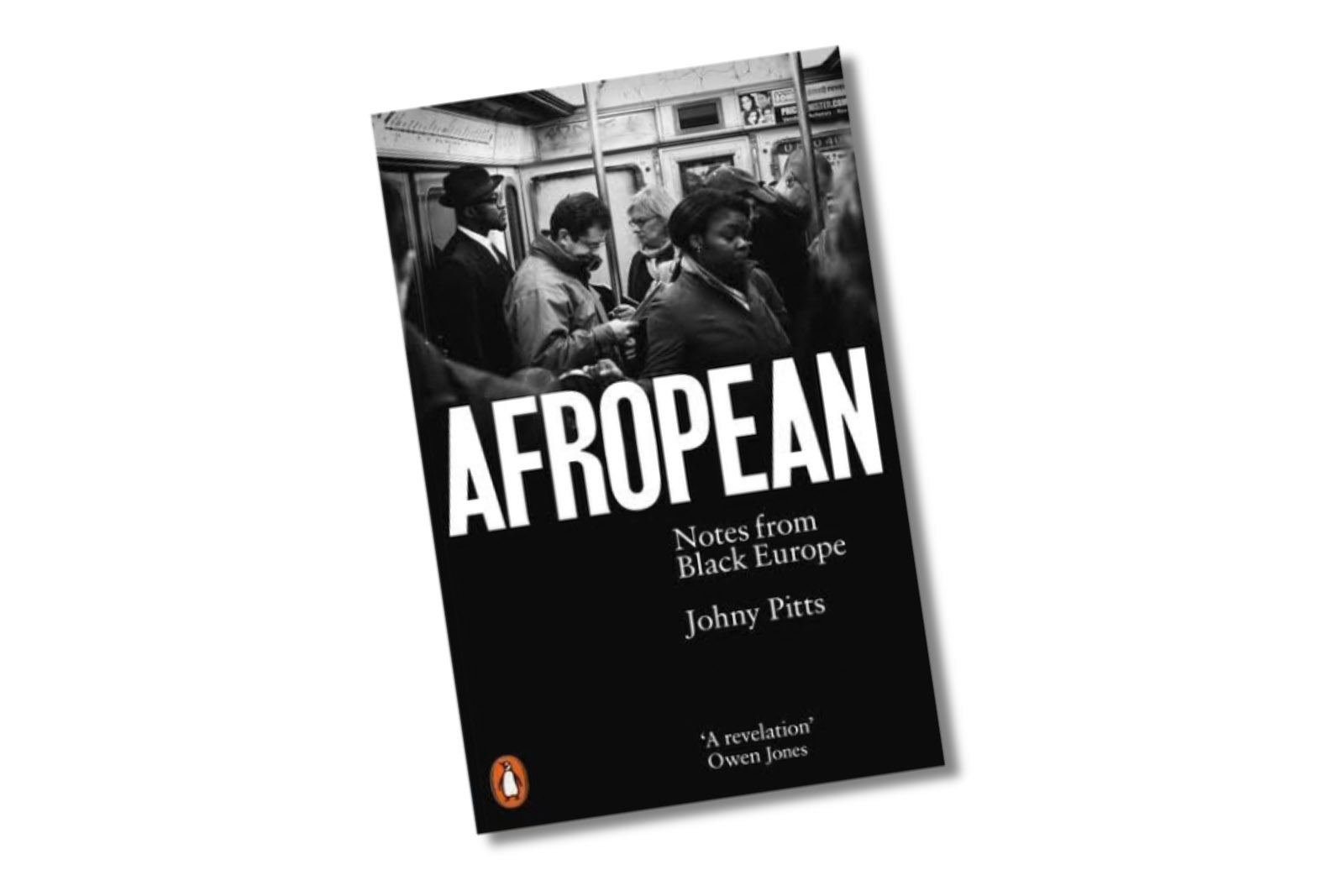
I find myself returning to Afropean again and again when I need travel-writing inspiration. In this Jhalak Prize winner, photographer and broadcaster Johny Pitts masterfully captures people and places in what feels like a living archive of history.
Born in Sheffield to an African-American father and an English mother, Pitts is wary of labels that can reduce people’s complex identities. When he encounters the term “Afropean”, originally coined in the early 90s by musicians David Byrne and Belgian-Congolese artist Marie Daulne, he can think of himself as “whole and unhyphenated”, rather than “mixed-this, half-that or black-other”.
This utopian idea — one that contrasts with growing nativist political movements across the continent — inspires a five-month soul-searching journey through seven European countries. Along the way, he meets contemporary Black communities and shares their stories, such as young African artists living in Berlin and a Cape Verdean community on the outskirts of Lisbon. It’s a travelogue that raises many relevant questions about racial identity and belonging, tying together Black European history in a novel way.
Mother Country: Real Stories of the Windrush Children — Charlie Brinkhurst Cuff
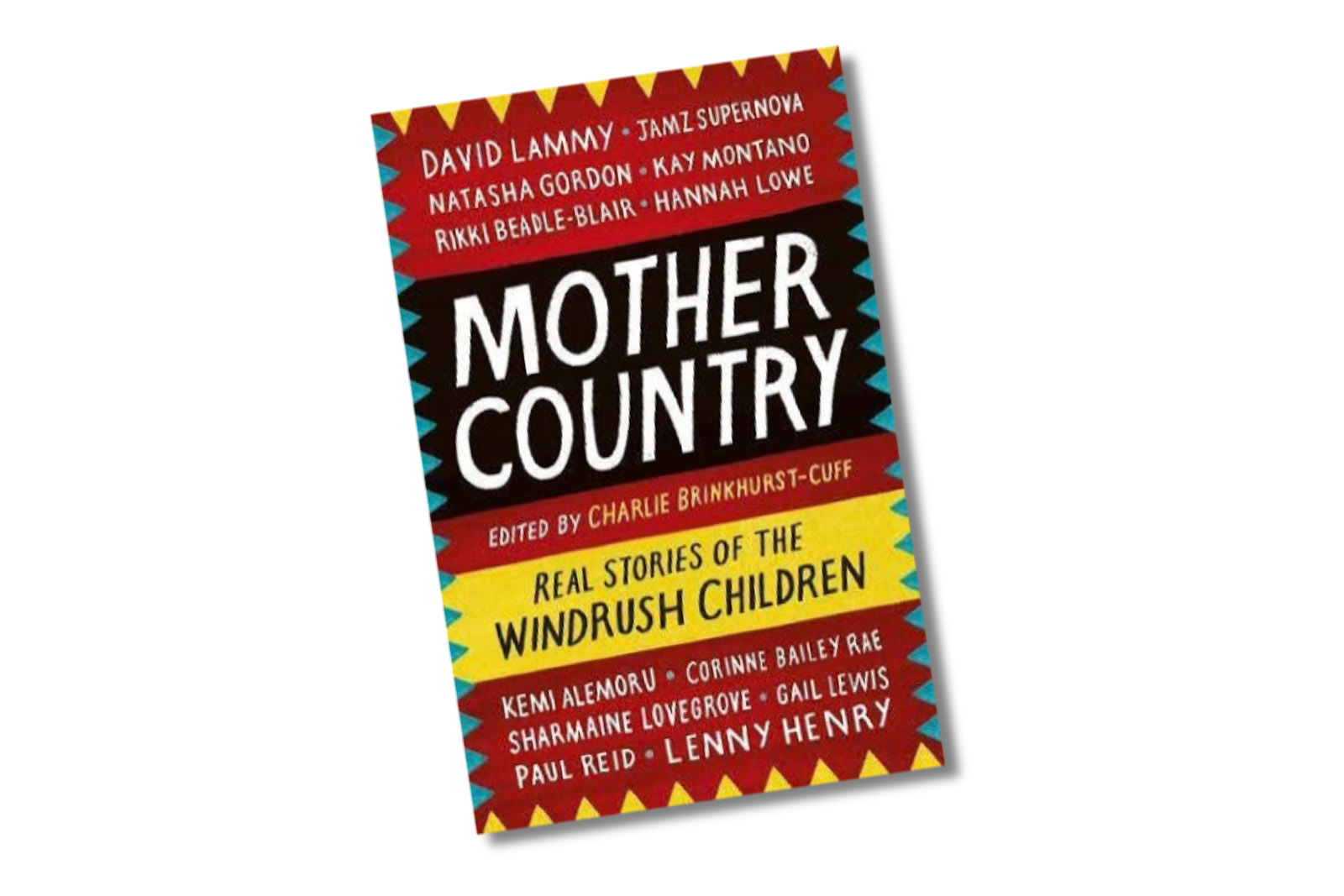
In 2018, journalist Charlie Brinkhurst-Cuff gathered the stories of the Windrush generation and their descendants into a valuable anthology of British Caribbean history. Through 22 stories spanning more than 70 years, Mother Country shows the lasting mark those who arrived from the Caribbean between 1948 and 1971 have left on the UK.
The MP David Lammy opens the book by honouring the generation’s achievements while confronting the injustices they faced, and still face. Brinkhurst-Cuff then writes about the women of Windrush and shares the accounts of other contributors, including Howard Gardner, whose father, Alford, arrived on the original HMT Empire Windrush, and Nellie Brown, then one of the generation’s oldest surviving members. Singer Corinne Bailey Rae, comedian and TV personality Lenny Henry and DJ Jamz Supernova are among the many other contributors who share their family’s stories.
It is striking and inspiring how this particular migration went on to profoundly shape contemporary British culture today.