
Inside Muslim LitFest 2026
From a book bazaar to a zine exhibition and bookbinding workshops, this year’s event is the biggest yet

The UK’s largest Muslim LitFest to date is taking place at venues across London this week, with organisers hoping to welcome at least 1,000 visitors.
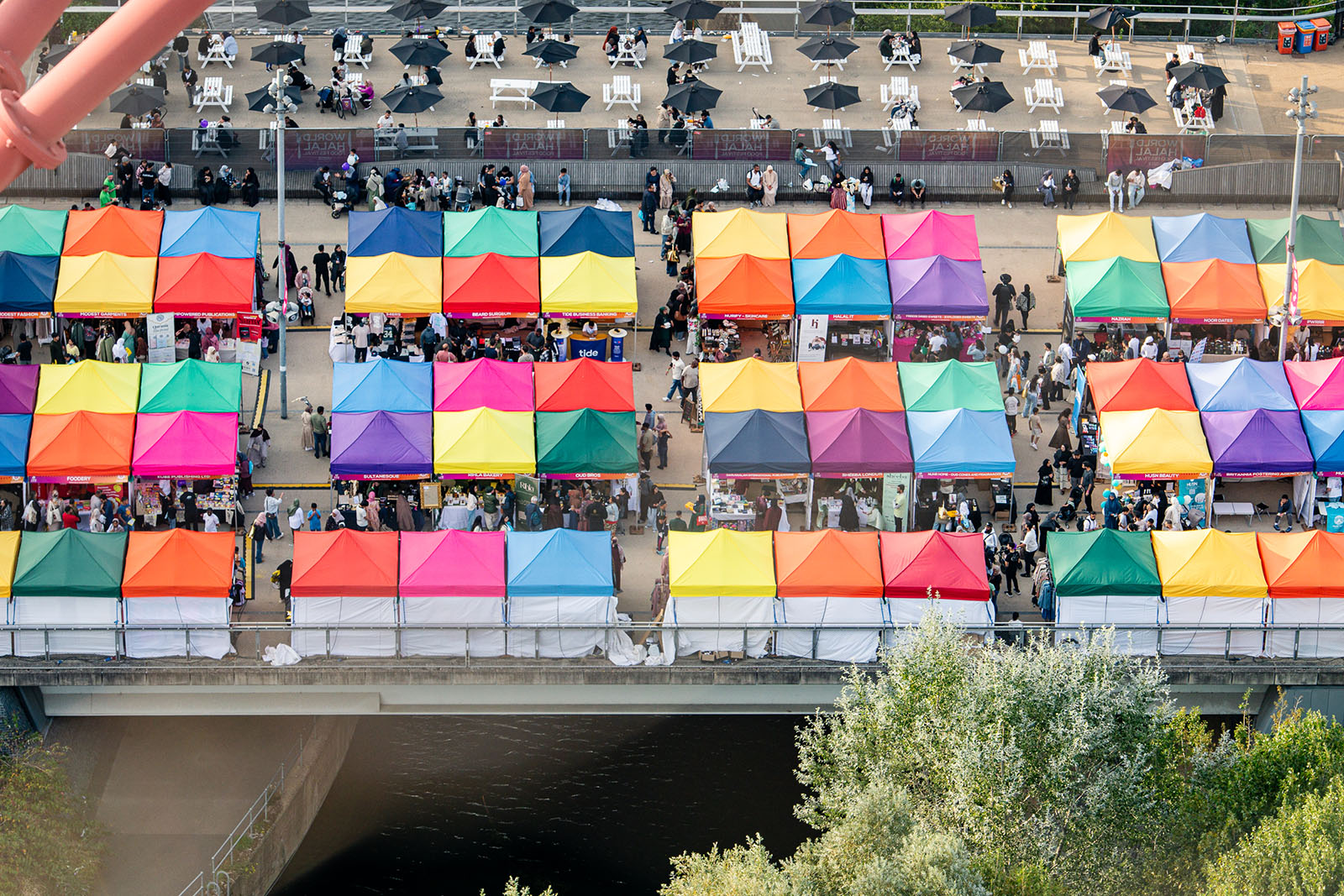
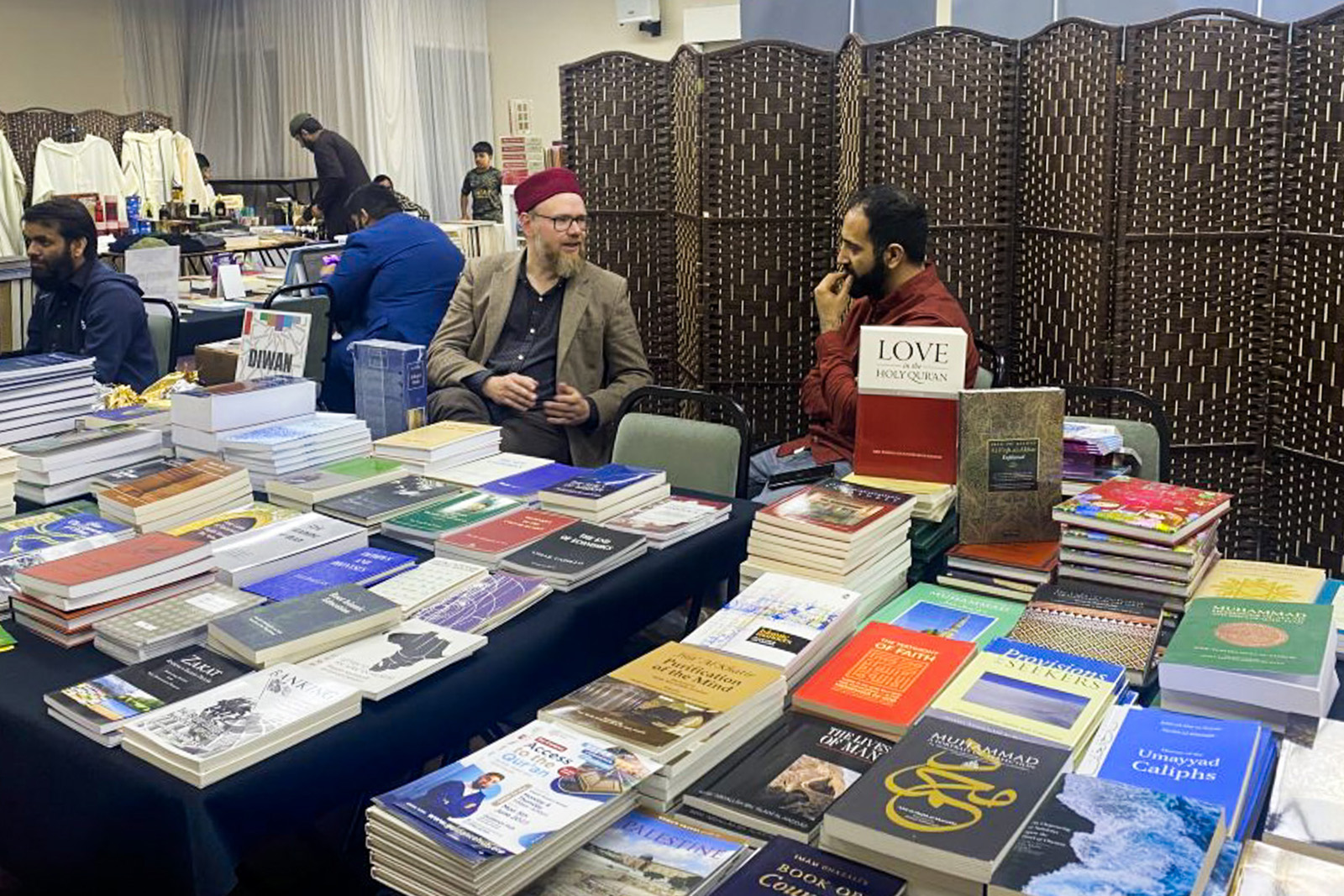
Muslim LitFest 2026 features a book bazaar, where visitors will be able to purchase Islamic books direct from writers and publishers, talks, exhibitions and workshops.
This year’s festival culminates over the weekend 17-18 October with a series of events at the London Muslim Centre, located at the East London Mosque in Whitechapel.
Whether you are a bookworm, an aspiring writer or a parent looking to gift your child with a love of reading, you are bound to find something worth checking out. Below are just a few ideas to get you started.
The Book Bazaar
Saturday 17 October – Sunday 18 October
London Muslim Centre E1 1JQ
Admission: Free
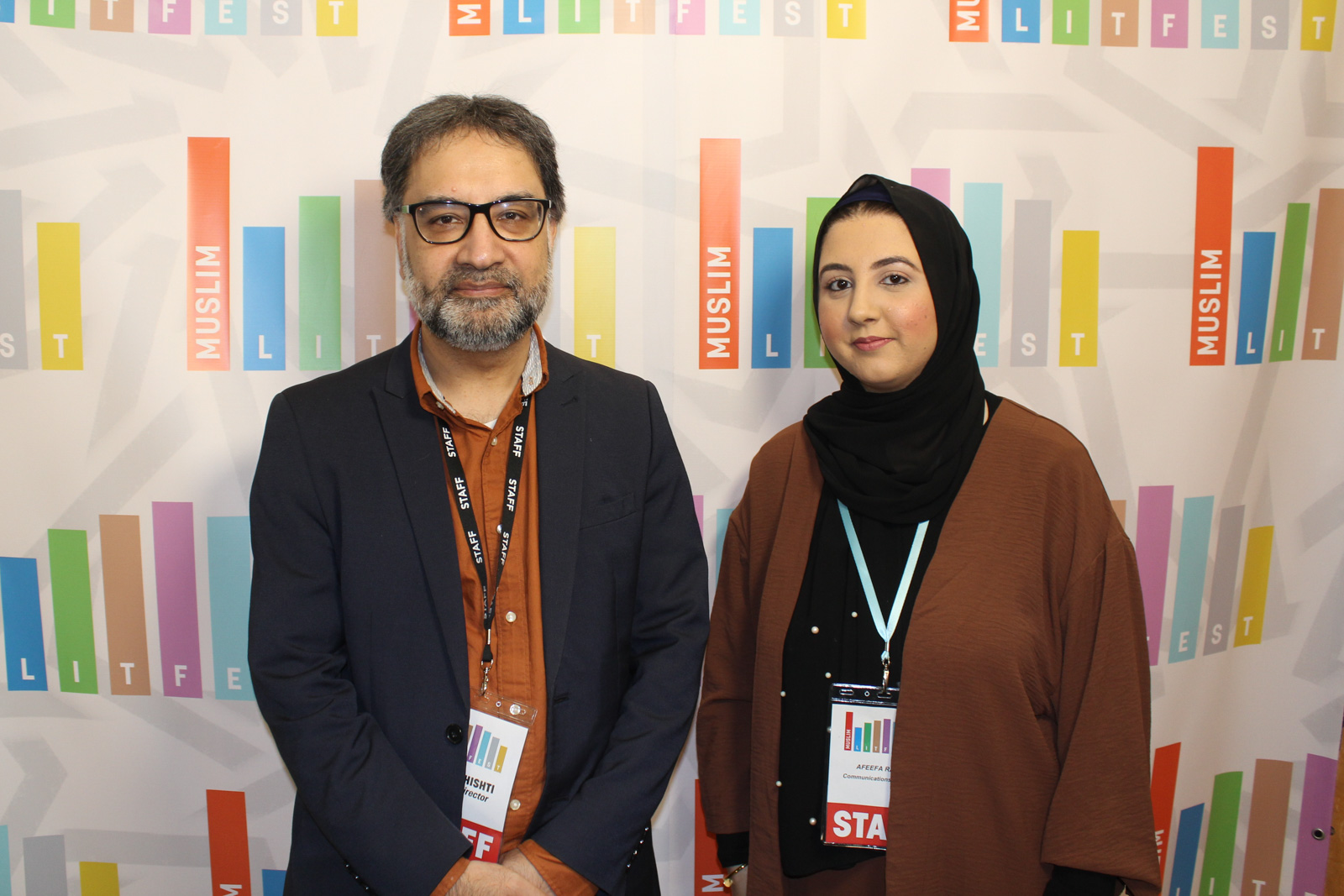
The idea for a Muslim literary festival came three years ago in response to the rising cost of selling books online, according to Jamil Chishti, founder of Beacon Books, the publishing house behind the festival.
“When we sell via online platforms like Amazon it eats up upwards of 60% of our profit,” he says. A book bazaar combats this problem by allowing buyers to purchase books directly from writers and publishers.
“As a small publisher, we have very few opportunities to come face to face with people,” Chishti says. “The festival helps small publishers to reach readers and allows the general public to come and connect with authors and writers.”
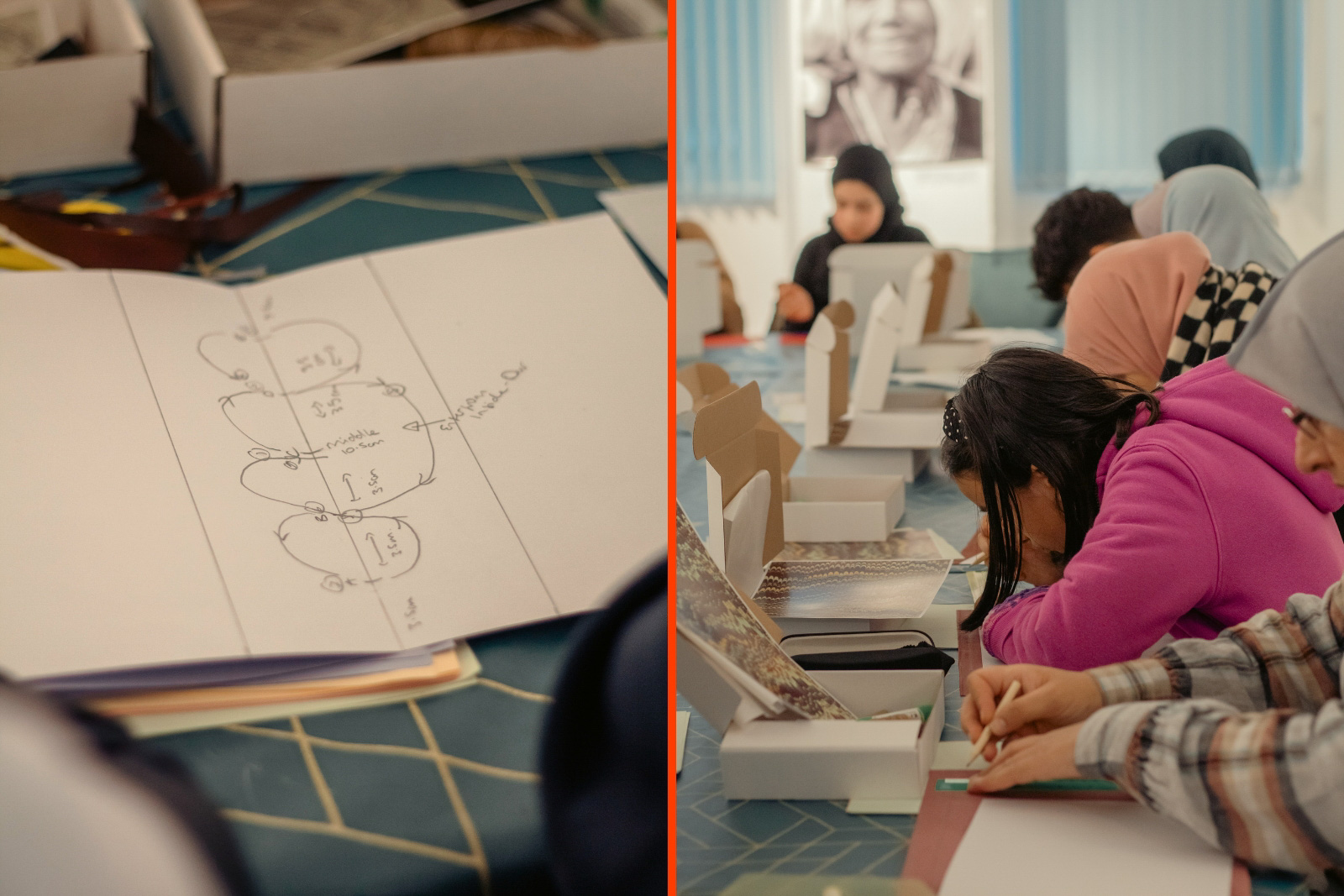
Bookbinding: Craft your own miniature notebook
Sunday 18 October, 11am-2pm/3pm-6pm
London Muslim Centre E1 1JQ
Age requirement: 16+
Admission: £20.75
Under the guidance of Ayşe Kaya, a British Library conservator, participants will not only learn how to stitch an elegant and sturdy book spine, but also learn about the history of Ottoman bookbinding.
The craft flourished in the Ottoman Empire between the 15th and 19th centuries. Workshop participants will be able to gain hands-on experience of the traditional ornamentation techniques including ebru, the Turkish art of paper marbling.
Zine Mela Exhibition launch
Wednesday 14 October 6.30pm-9pm
IHRC Gallery & Bookshop, HA9 8PA
Admission: Free
Artist Hamja Ahsan has made and collected DIY zines for more than 30 years. He has curated an exhibition of archival material from nations including Bangladesh, Pakistan, India, Sri Lanka, Afghanistan and Nepal, plus work from global diasporas.
Visitors will be able to peruse the Palestine Zine Archive, try their hand at Indian tabletop game carrom and check out publications from across the world. The exhibition runs at the IHRC Gallery & Bookshop until 16 December.
Islamic Theology Meets Quantum Uncertainty
Saturday 17 October 1.45pm
London Muslim Centre E1 1JQ
Admission: £3.75
Dr Basil Altaie is a physicist and philosopher and the author of God, Nature and the Cause, a book that examines the philosophical conflict between religion and science. During a one-hour talk, he will sketch out a vision of Islamic thought that is “rigorous, spiritually grounded and intellectually responsive to the scientific age”.
Exhibition of Islamic Manuscripts of West Africa
Friday 16 October, 6.30pm-8pm
Ebrahim College E15 4QZ
Admission: Free
After the fabulously wealthy 14th-century west African ruler Mansa Musa incorporated Timbuktu into the Mali Empire, the legend of the golden city spread across Africa, Europe and Asia. He established Timbuktu as a centre of commerce and Islamic learning that became known as “the city of 333 Sufi saints”.
Thousands of manuscripts detailing this rich and ancient history were destroyed in 2012 by rebel forces during the fall of Timbuktu in the ongoing Mali conflict, in what’s considered one of this century’s worst acts of cultural vandalism. Many more of the books were, however, rescued by local residents, who took it upon themselves to smuggle and preserve the manuscripts.
During a one-hour event visitors will be able to hear an introduction about the manuscripts and their history from the chief conservator of Timbuktu’s Ahmed Baba Institute, where the artefacts are now housed, as well as take a closer look at some of them.