
Five books to read on migration
Novels and memoirs to remind us that migration is a tale as old as time, and is essential to our survival, from Megha Majumdar’s A Guardian And a Thief to Cecile Pin’s Wandering Souls

Migration is a story as old as time. It is as fundamental to the evolution of life on our planet as it is to our entire human history. Yet you wouldn’t think it from the discourse across much of mainstream and social media today. It comes across as a uniquely modern crisis, something we must all fear.
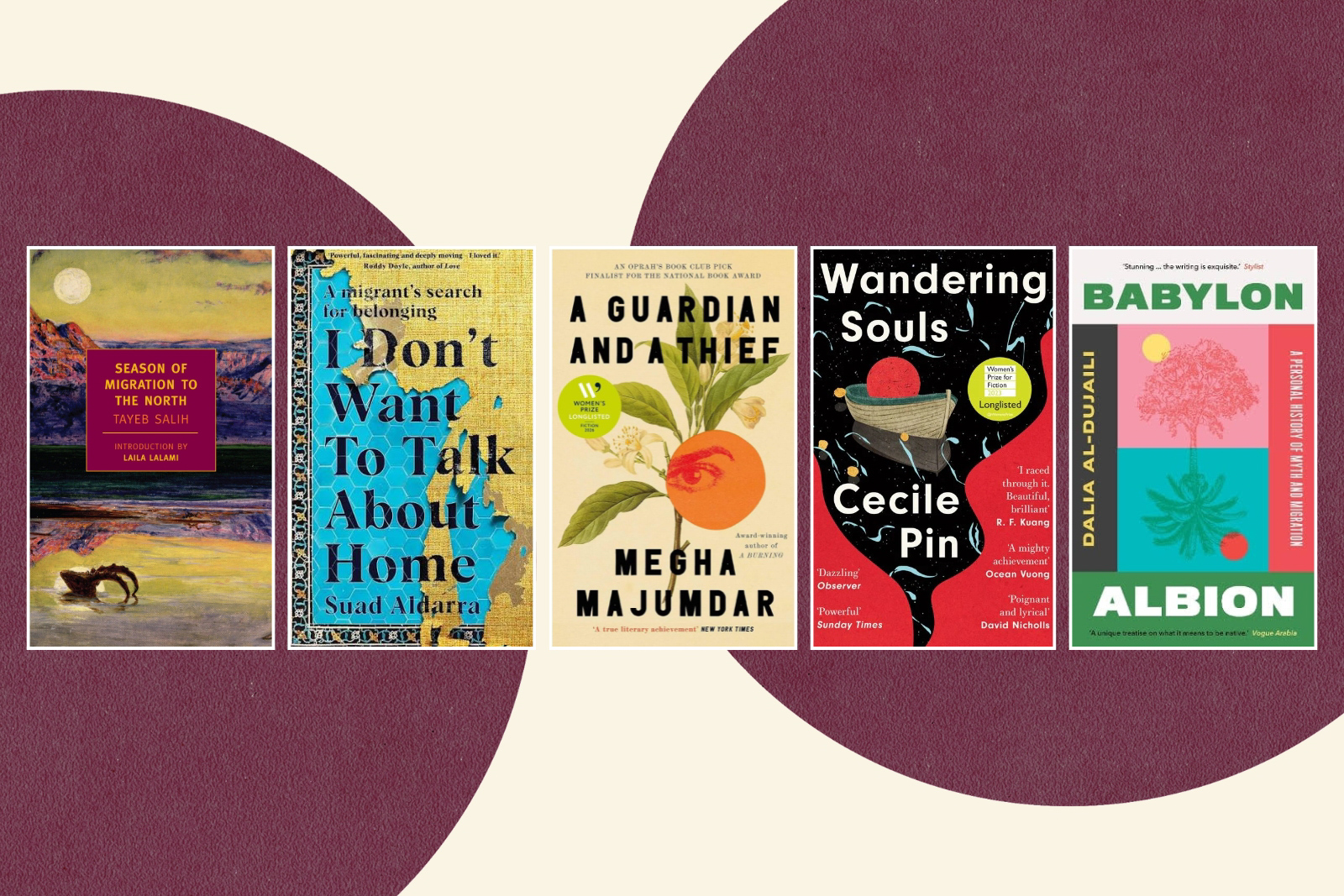
Amid this rhetoric and hardline immigration policies, it’s easy to lose sight of a simple truth — that migration has always happened, is happening, and will continue to happen, whether we like it or not. Not only is it a natural phenomenon, but it is also essential to our survival as a species. Here are five brilliant books that make this case.
I Don’t Want to Talk About Home — Suad Aldarra
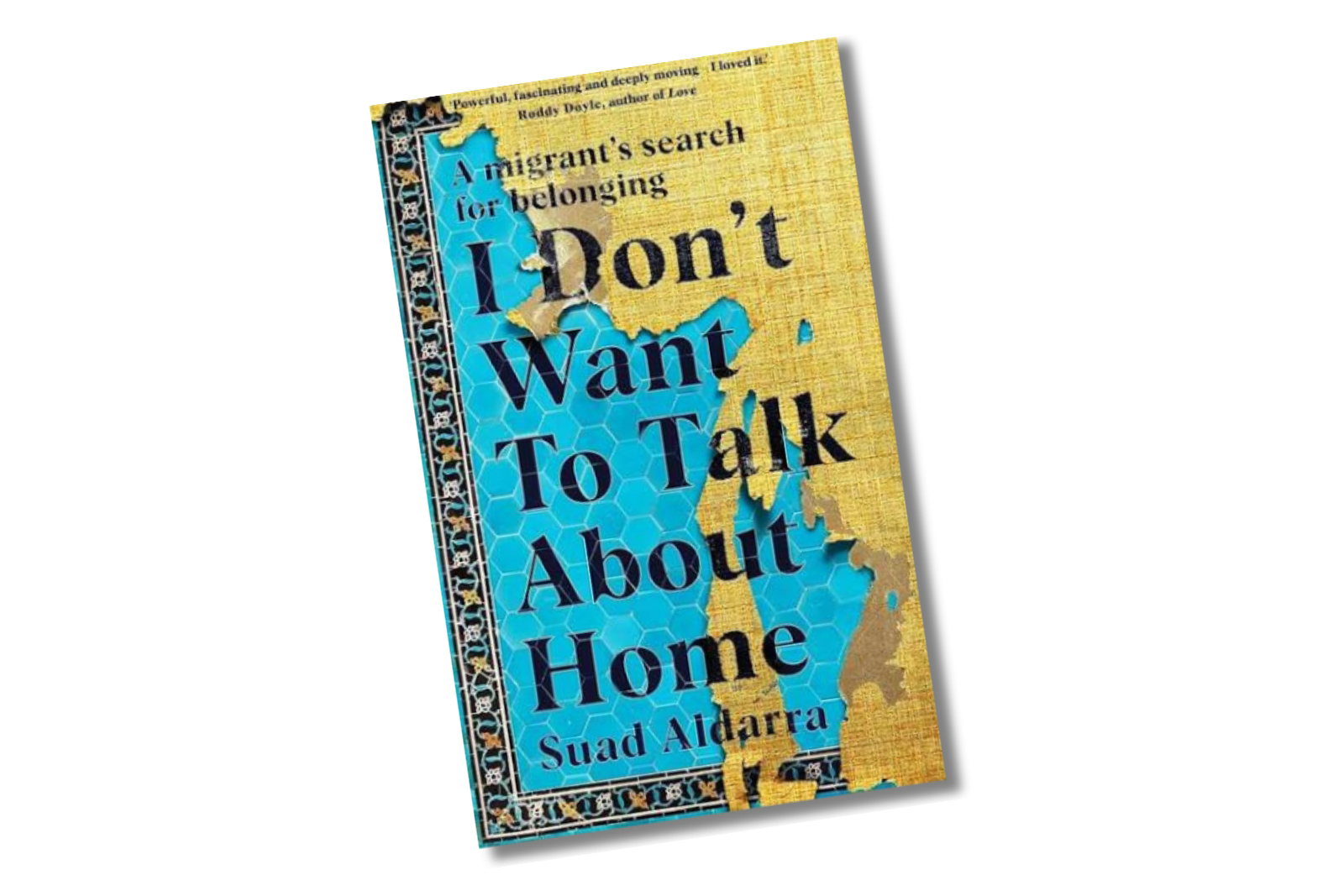
Suad Aldarra’s memoir recounts her perilous journey out of Syria fleeing the violent civil war in 2012.
She was born and raised in conservative Saudi Arabia to strict Syrian parents, and had moved to Syria to study and experience the kind of freedom she had always craved.
When war breaks out following waves of anti-government protests, it becomes clear it’s too dangerous to stay. Aldarra escapes the country with her new husband. The couple face obstacles that feel insurmountable at the time, and their situation grows more dangerous by the hour, which is what propels the story forward.
As a reader, you’re desperate to know whether they will find refuge. The power of this memoir is in the detail of Aldarra’s escape. The chronology of her story is unpredictable and, at times, surreal. Her writing captures how forced migration severs a person from a life they believed was much more stable.
A Guardian And a Thief — Megha Majumdar
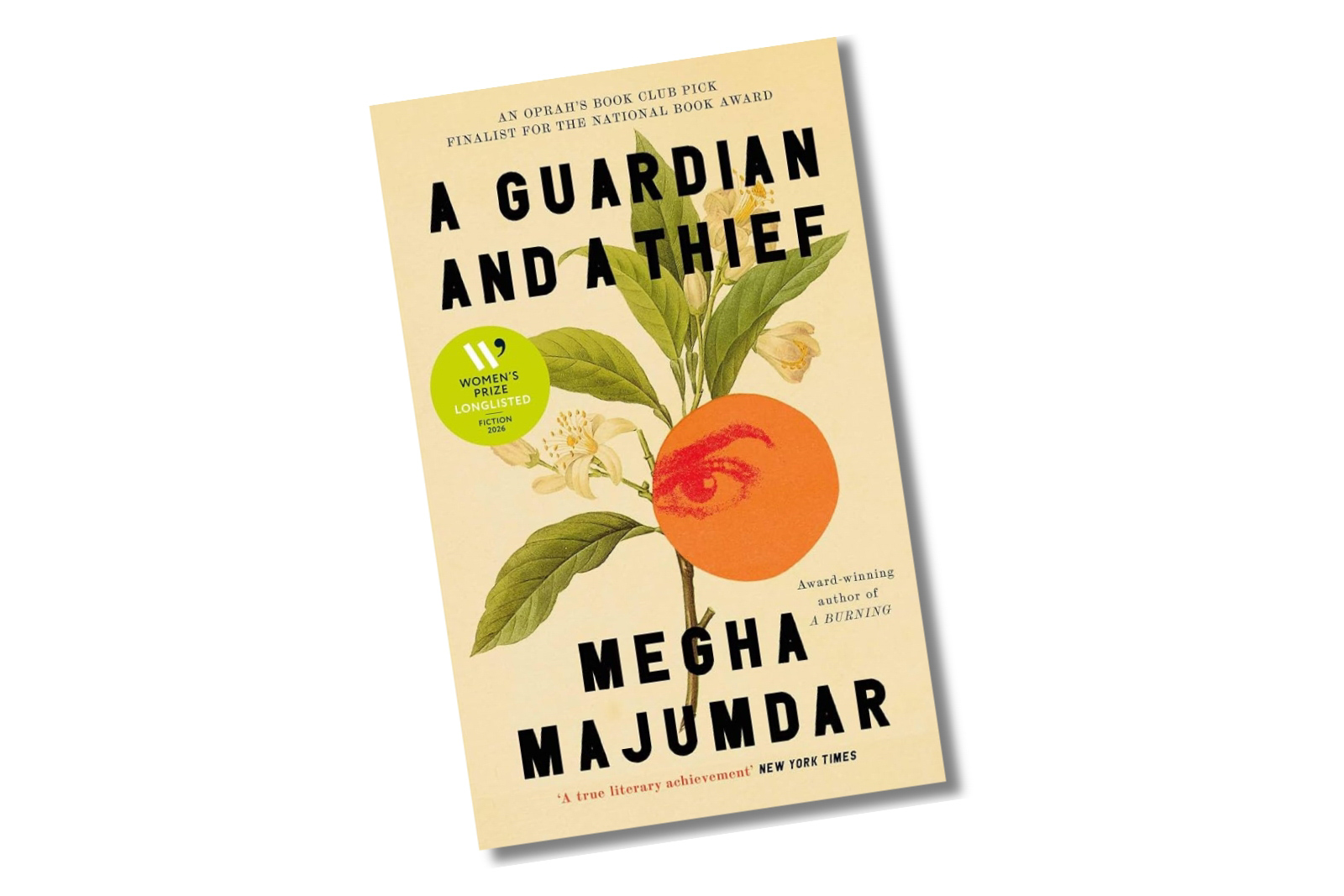
In this climate fiction, longlisted for the 2026 Women’s Prize for Fiction, Ma, her two-year-old daughter and her elderly father prepare to join her husband, already established as a researcher in the US, after receiving “climate visas”. They are relieved to be escaping Kolkata, a city full of hungry people, because the region is once again buckling under a food shortage.
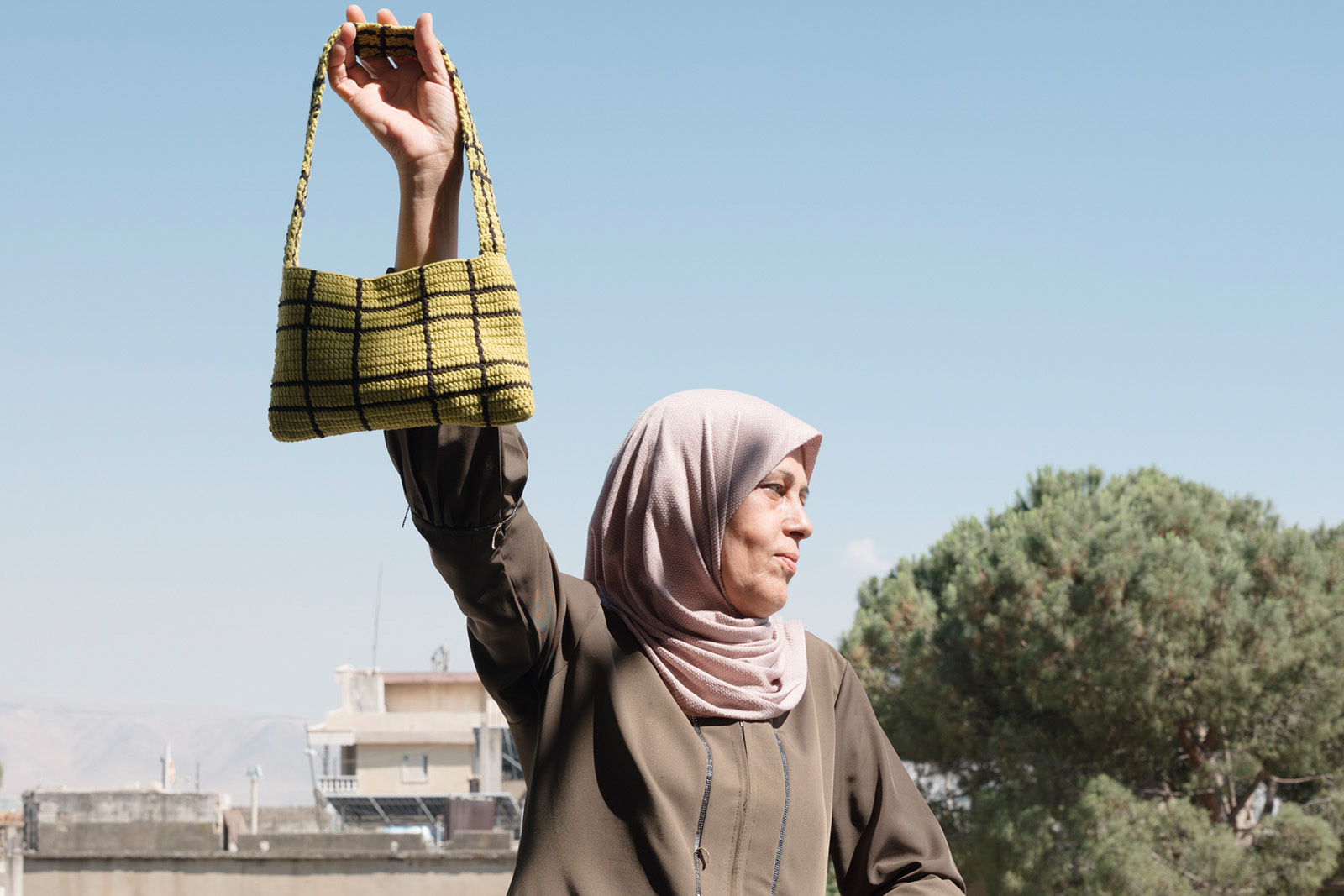
Ma manages a homeless shelter and has been quietly stealing food to feed her family, but Boomba, a new shelter resident, has seen her do this. One night, he breaks into her house to steal back the produce. He also takes her purse, which happens to contain all the passports and visas. He throws them away and keeps the purse for his mother.
Both Ma and Boomba see themselves as a guardian and the other as a thief, which is both entertaining and deeply saddening given the state of affairs that has forced them to act immorally. Majumdar is smart to unpick the self-preservation of the main characters that drives the plot forward, because she makes the reader question whether it really is selfishness or a fundamentally human response to climate collapse.
Wandering Souls — Cecile Pin

Not many books make me cry, but Cecile Pin’s debut novel Wandering Souls pulled at my heartstrings when it came out in 2024. It tells the story of three siblings, Anh, Thanh, and Minh, who flee war-torn Vietnam in 1978 in search of a new life. On their journey, they are separated from their parents and baby brother Dao, but hope to reunite at a refugee camp in Hong Kong. Unfortunately, this never happens because the rest of their family are brutally murdered by fishermen who intercept refugee boats fleeing Vietnam in Thai waters. From this point on, the refugee orphans are forced to grow up quickly, but will they be able to make a new home in Thatcherite Britain, where they are granted refuge?
It’s a kaleidoscopic work, with its narrative mostly told through the voice of the oldest sibling, Anh, the interwoven ghost voice of baby Dao, and an unnamed narrator we presume is the author. There are also accounts of Operation Wandering Soul — in which American troops played recordings of eerie, ghostly sounds and voices in the jungle at night to weaken Vietnamese soldiers’ morale — that give vital context to the cruelty of the Vietnam War. Pin cleverly draws a line from this history to present stories of migration, showing that the desperate need for safety and security is as urgent now as it was then.
Babylon, Albion — Dalia Al-Dujaili

Dalia Al-Dujaili’s Babylon, Albion, is a memoir filled with thoughtful reflections on migration and what it means to belong to a land. Before reading this book, I hadn’t considered that human migration could be depoliticised and compared to other forms of migration in the natural world, such as seeds scattering across continents or animals and insects crossing land and sea to complete their life cycles. “Any forest at all is a diverse one, for it is impossible to have a forest without a diversity of life”, the British-Iraqi author writes, reflecting on how unusual stillness is in nature.
The book’s central theme is that all humans share a tie to the land beneath our feet, and that these ties to landscapes and the native plants and creatures that inhabit them give rise to the national mythologies we build around identity and belonging.
I especially liked how Al-Dujaili traces this through her own dual British-Iraqi heritage, drawing out unexpected parallels between the two cultures, for example the oak tree set against the date palm, the lion on England’s flag echoed in the lion of Mesopotamian folklore. Each pairing takes cultural symbols usually claimed by one nation and shows that those claims are much looser than we think.
Season of Migration to the North — Tayeb Salih
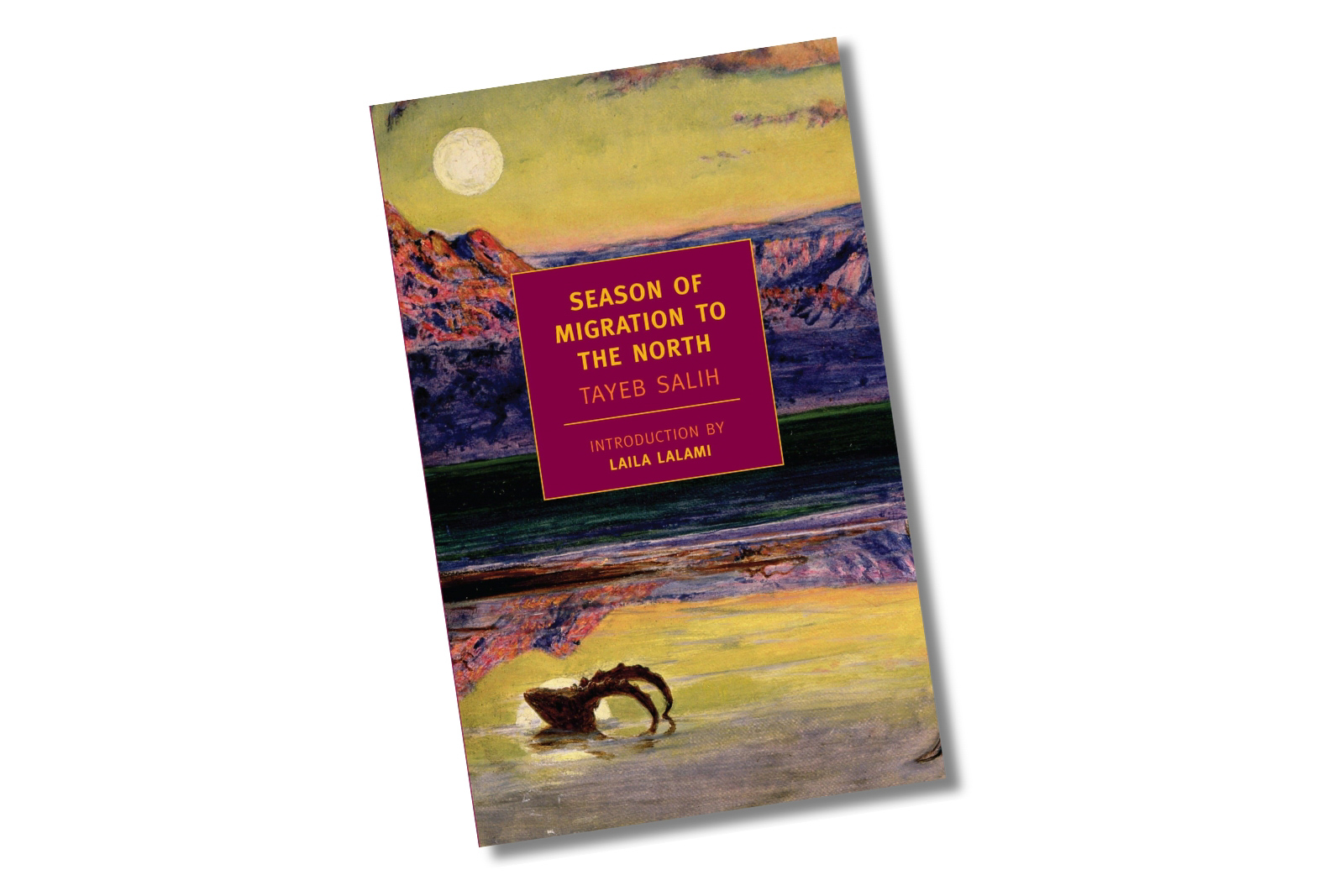
Translated into more than 30 languages and named the most important Arabic novel of the 20th century, Tayeb Salih’s Season of Migration to the North, first published in 1966, tells the story of an unnamed Sudanese narrator who returns to his village in Sudan after having studied in Europe. There, he meets the mysterious Mustafa Sa’eed.
We discover Sa’eed was also educated in the west and had escaped his life in London after a string of romantic relationships ended tragically and, in one case, brutally. Sa’eed’s story haunts the narrator throughout.
At no point did I expect the story to unfold in the way that it did, but I enjoyed the powerful reflections on how migration challenges and, at times, shatters a person’s identity, and how the experience of displacement changes them for ever. This book also responds to popular colonial literature of the time, which typically cast Africa as an “uncivilised” place in need of saving by a western protagonist. Salih flips this gaze with irony, because his protagonist is a Sudanese man who travels to Europe and acts out the role of a “savage” to seduce white women and ultimately punish them, which I read as a symbolic perpetuation of the same colonial violence that was inflicted on his country.