
Lamsa: the crochet enterprise threading communities together
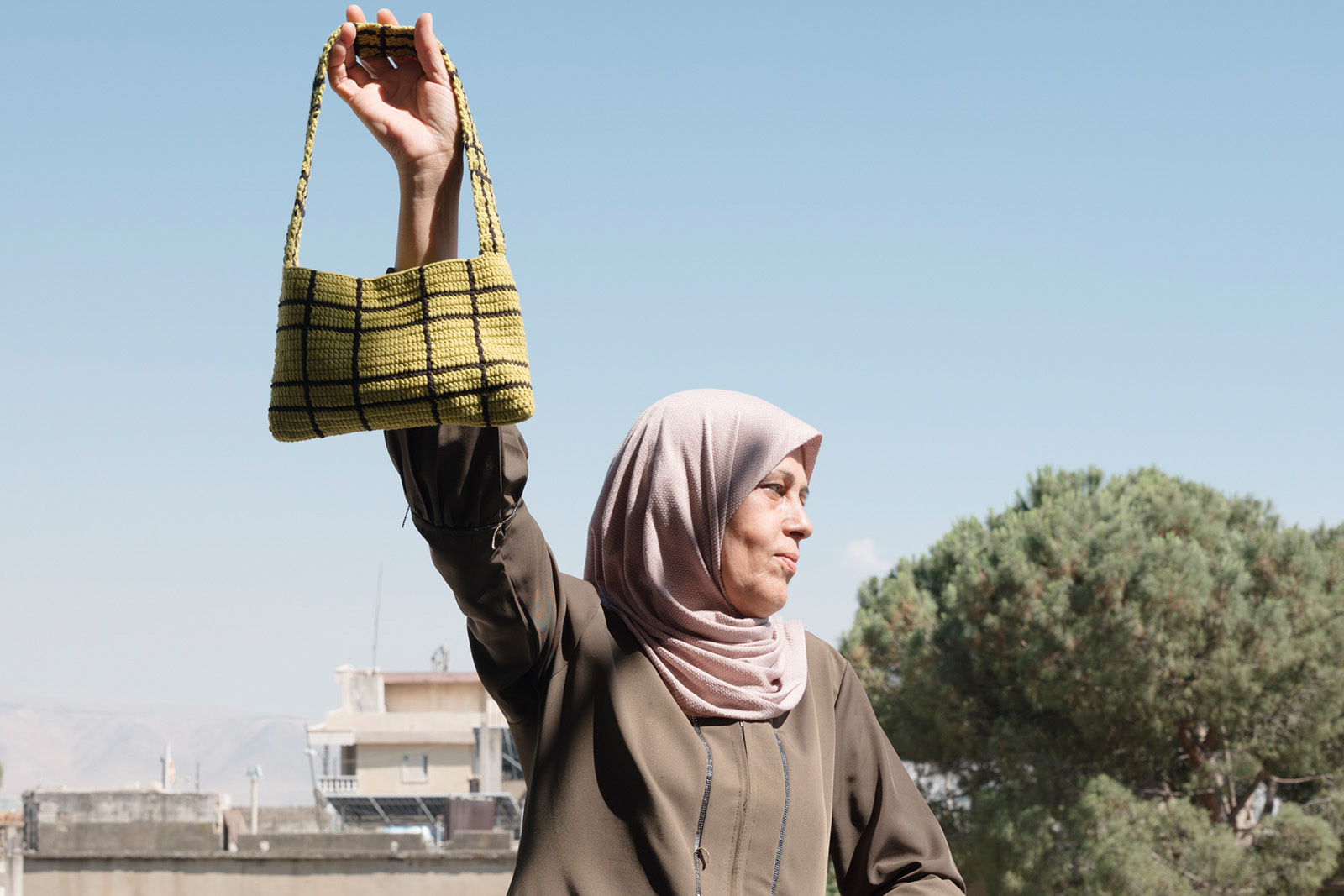
The brand works with refugee artisans from Syria whose crafts include brightly coloured handwoven bags with punchy designs

It’s a late summer Sunday and a steady stream of people walk in and out of the crafted goods boutique Ishkar on east London’s Columbia Road. The window is lined with hand-woven bags as part of a weekend pop-up event with Lamsa, a fashion enterprise working with refugee artisans from Syria.
Ishkar’s handwoven textiles, including luxury flat-weave and hand-knotted rugs made by craftspeople in Afghanistan, complement the vibrant, crocheted accessories from Lamsa’s designers.
They were once associated with grandmothers and doilies, but recent years have seen a shift in crochet’s standing in the fashion world. Partly inspired by the revival of DIY crafts during the pandemic, the once-dated look has been sent down runways from Jacquemus to Dolce & Gabbana. On the high street, low-cost crochet pieces are available in the form of anything from bucket hats to bikinis, fuelled by the fast-fashion designs. Lamsa, however, is doing things differently.
Natalie Garland, an anthropologist who specialises in forced migration, founded Lamsa in 2021.
She had been living for two years alongside the displaced Syrian community in Lebanon’s Bekaa Valley while working with the Syrian NGO Multi-Aid Programs (Maps). A 30-minute drive from the Syrian border, the region is home to the highest concentration of refugees anywhere in the world.
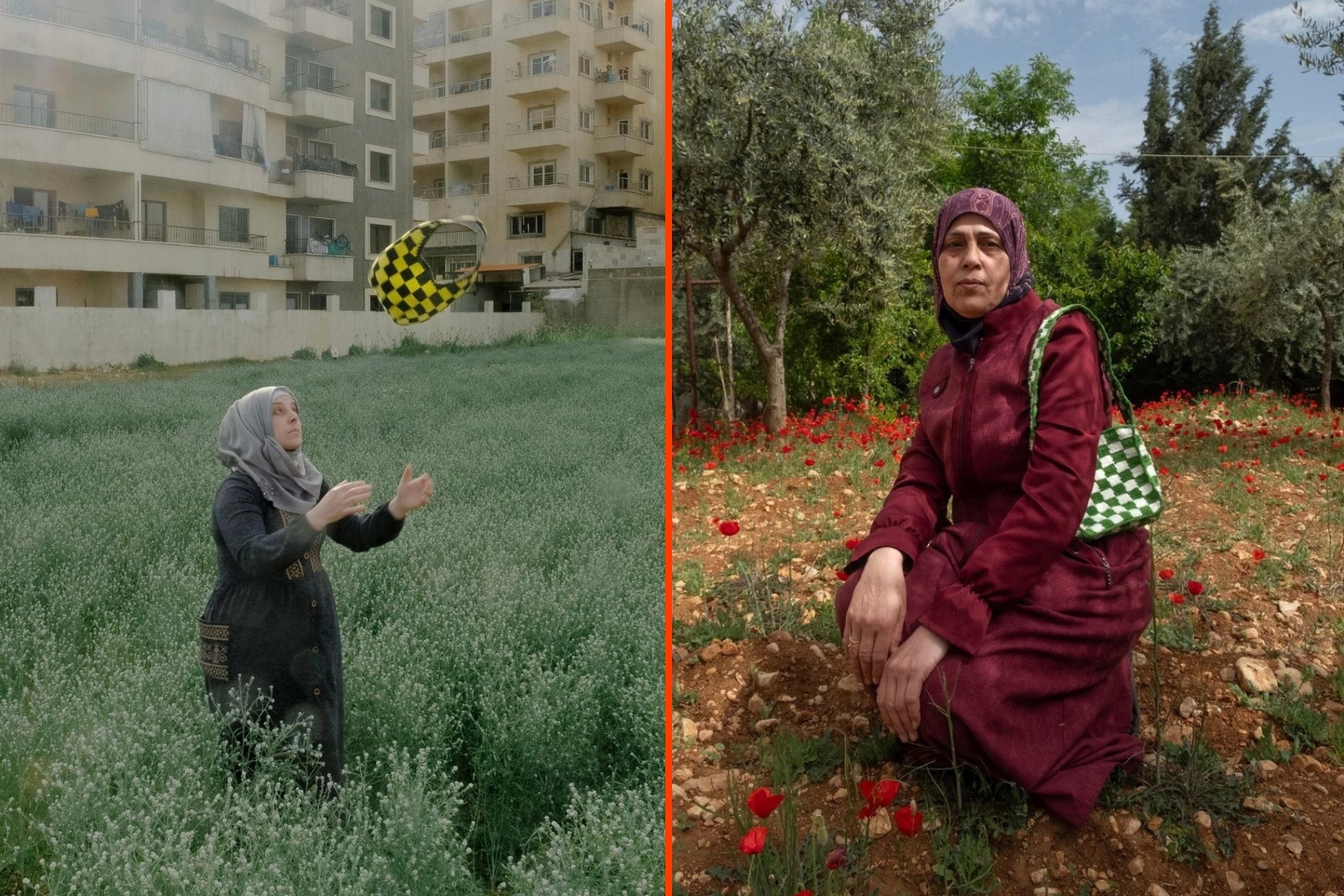
Part of the NGO’s programme included crochet and textile-based workshops. Inspired by this, Garland developed the Crochet Community Collective, working with Syrian artisans on crafts they could be compensated for. Garland took a suitcase full of the bags they had made to New York and sold them all at a makeshift pop-up over one weekend in 2021. She realised she had a sustainable initiative on her hands and Lamsa was born.
Frustrated by the humanitarian industry, which often “positions refugees as indebted victims to the donor body”, Garland says she wanted to build something that placed makers at the centre of the process.
Lamsa is the Arabic word for touch and connection is at the heart of the initiative. “I see Lamsa as a connector between people,” she says.
For many of the artisans, the skill is something that has been taught and passed down through the women in their family. “Part of the project is to keep that knowledge alive,” says Garland.
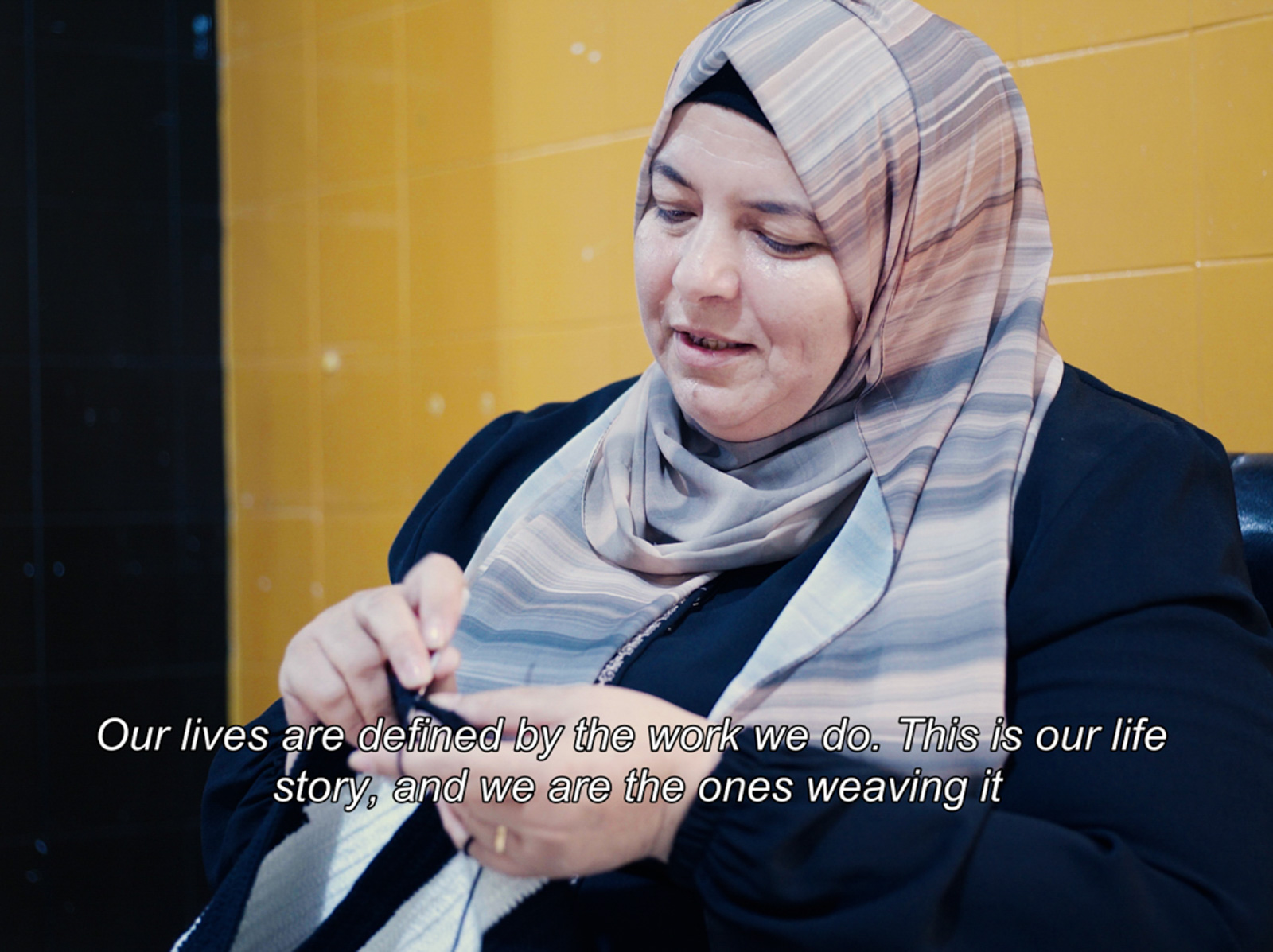
Lamsa works in partnership with Maps, which provides artisans with a monthly salary for making their items including crochet handbags, scarves and keychain charms. A percentage of the profits are invested into refugee primary schools across the Bekaa Valley.
“Generosity is something that’s so ingrained in Arab culture and is also such an important part of being a good Muslim,” Garland says, adding that her colleagues have told her they feel proud that their work is supporting the schools. “Part of the issue with the traditional humanitarian model is that there’s no reciprocity — it doesn’t allow beneficiaries to give a counter gift — and that’s part of what makes it undignifying.”
The design process is collaborative, Garland says, and production is heavily dictated by the unpredictable conditions on the ground. Rather than new products being released seasonally, like a traditional brand, accessories are designed and made whenever feasible.
The 10 women, who are mostly from the Homs district of Syria, with one in the group from Lebanon, use the designs to tell stories of their experience of displacement and resilience. They crochet the items by hand, with each taking on average two days to make.
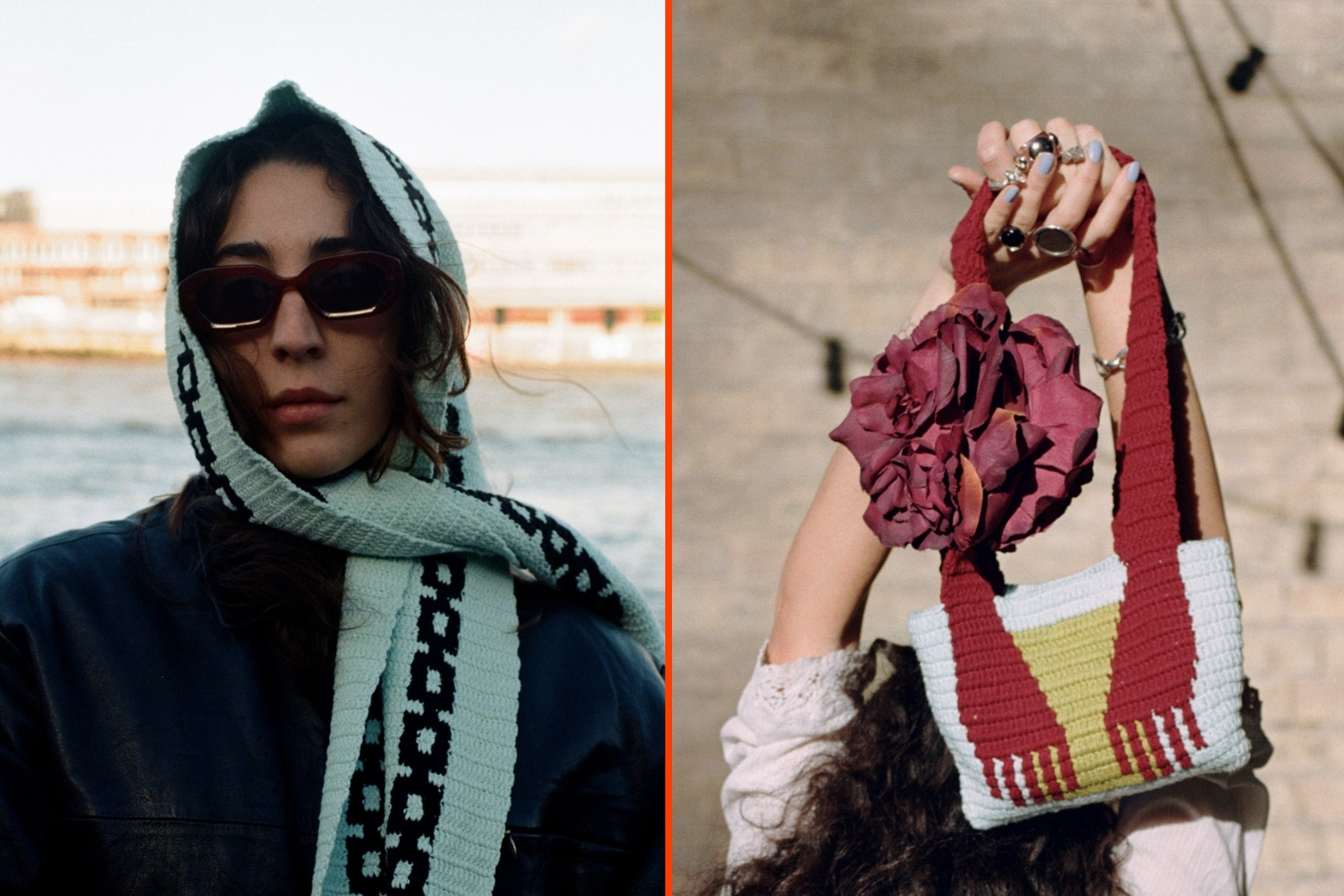
The deceptively simple pattern tells a complex story: a green scarf includes a blue chair in the design, representing the experience of one woman’s husband navigating checkpoints and needing to rest.
“You have a community in flux and then you have the work, which demands stillness,” says Garland. “Crochet work forces the women to slow down and take a breath — part of the objective is to create those moments of stillness.”
The accessories are made of brightly coloured cotton handwoven into punchy designs: multicoloured stripes and contrasting checks, lime and white waves, hot pink flames against a vibrant red background. Each item is finished with the maker’s name hand-embroidered into it: their personal lamsa.
Priced at around £100 to reflect the skill and labour that goes into them, pieces are sold on Lamsa’s online store and in person by Garland at pop-up events with other brands and collectives that share her ethos, such as the 3eib south-west Asia and north African fashion showcase in May.
Before this summer’s pop-up in east London, Lamsa collaborated with Ishkar to create a crocheted vest, as well as with fashion designer Jawara Alleyne on a series of custom hats for his FW23 London Fashion Week collection, and bite-size donut charms for Hayet Albi, a Californian bakery inspired by Lebanon and Palestine.
Garland has spent the past three weeks in Syria, trying to figure out what’s next for the enterprise. It was initially conceived as a project for displaced Syrian refugees in Lebanon, but the fall of the Assad regime in 2024 and renewed Israeli attacks on the region have meant that many members of the exiled community in Lebanon are returning home.
Garland is using the opportunity to imagine a new chapter: “I think that change and challenge is where new, beautiful things can happen. If we’re transitioning to Syria, let’s think about new materials. Let’s think about a new concept. Let’s think about new ways of telling stories.”