
Inside the Buckinghamshire studio making sustainable abayas
From a former mill in a picturesque village, Aywa’s founder Waqaas Ahmed is encouraging Muslims to be more mindful when buying clothes

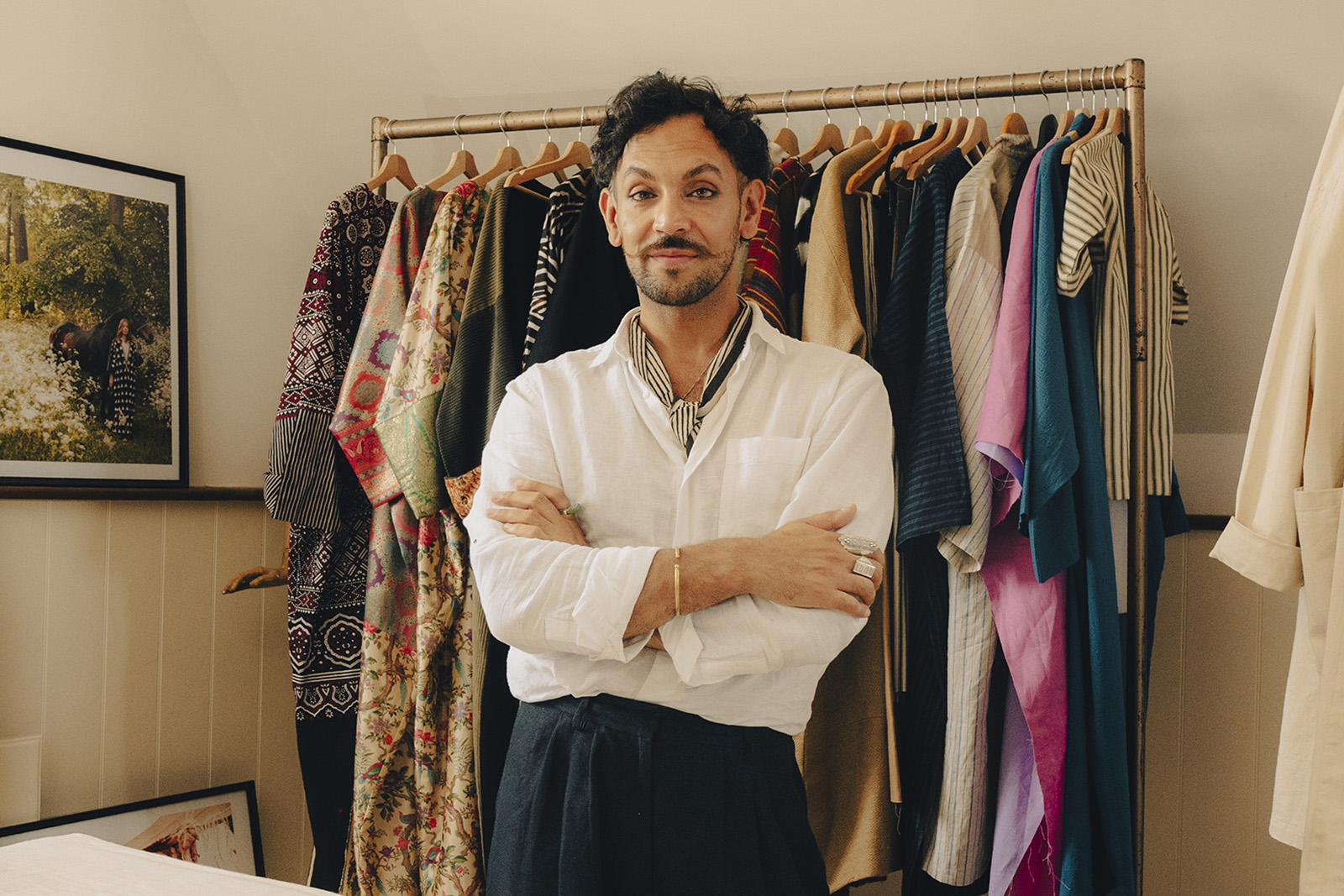
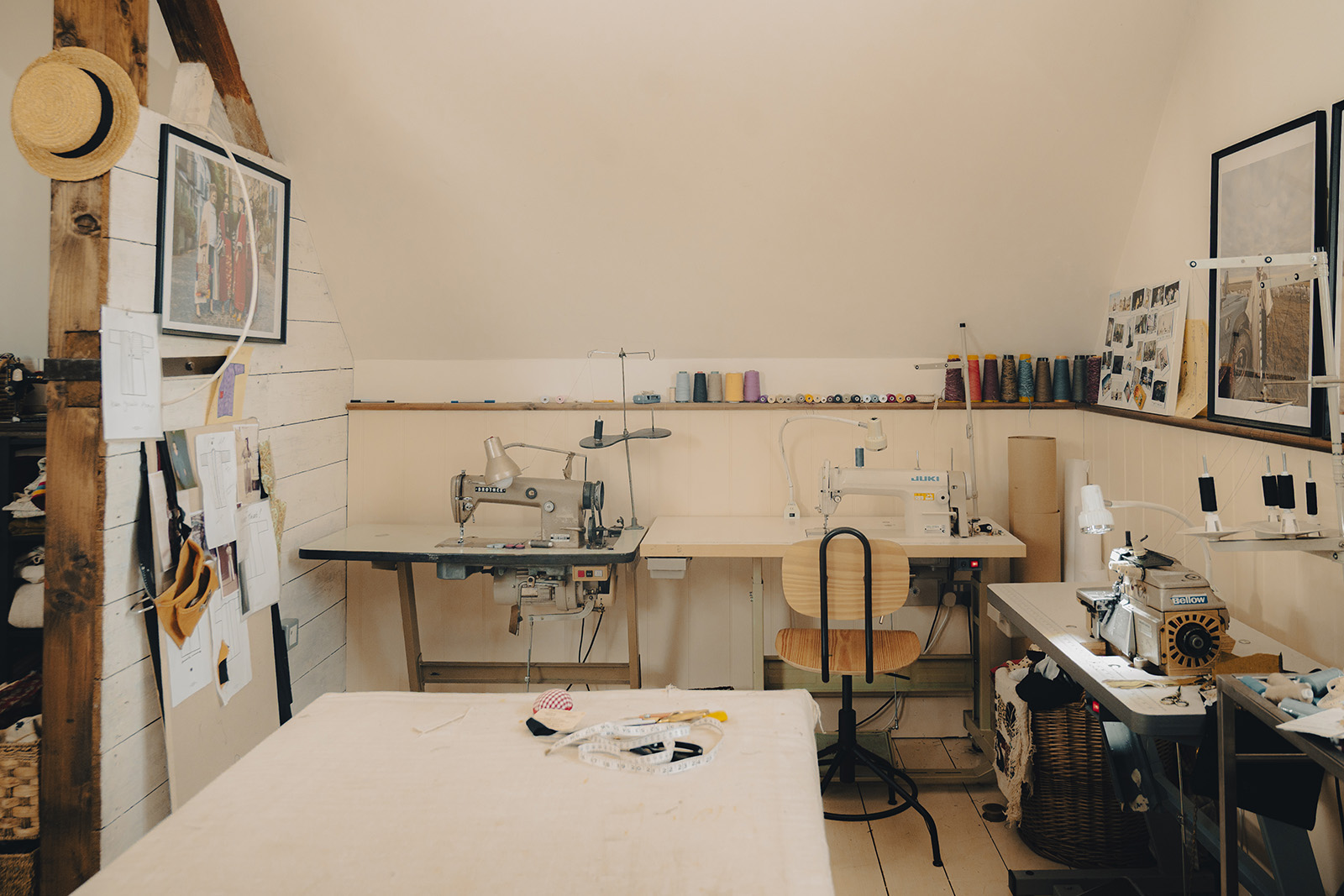
The studio of abaya brand Aywa is tucked inside a repurposed mill in the sleepy village of Waddesdon, Buckinghamshire. It is reminiscent of a different time, with the mill’s original wooden features and sunlight flooding through a window that overlooks horses grazing in a field.
Flowing abayas in various prints and textures hang on clothing rails alongside piles of fabrics and sewing machines scattered on tabletops. It’s the kind of space you’d hope your clothes were made in — far from the images of mass-production warehouses and sweat shops often associated with the garment industry.
“Aywa is a way of seeing and thinking and living a good, wholesome, fulfilled way of life,” says founder Waqaas Ahmed.
Ahmed is reluctant to use the term “sustainability” when talking about the modest fashion industry. “I often feel like we use that word loosely — what I think truly matters is consciousness, and I feel like that’s missing in the modest scene,” he says, emphasising how important it is that consumers know where their goods come from.
“We unfortunately have a society now where we’re constantly trying to look online for the next outfit, the next deal, the next bargain. I believe we can slow down, reflect and actively think about what we want, what we need.”
The global modest fashion industry is projected to be worth $444 billion by 2029, with the market dominated by fast fashion brands that are responsible for 10% of global carbon emissions. Yet, for many Muslims, buying mass-produced, throwaway clothing feels at odds with a holistic, Islamic worldview that seeks to honour and protect the Earth’s resources.
“I think the modest market still has a long way to go with this,” says Ahmed. “Often all we’re worried about is how to get something the cheapest and fastest way — with no regard for the world, for how the clothes are made, and no regard for our health until we become sick. But there’s so much in our religion about ‘tayyib’ living,” he adds, referring to a term used in the Qur’an to mean pure or good, often used in conjunction with “halal” (lawful).
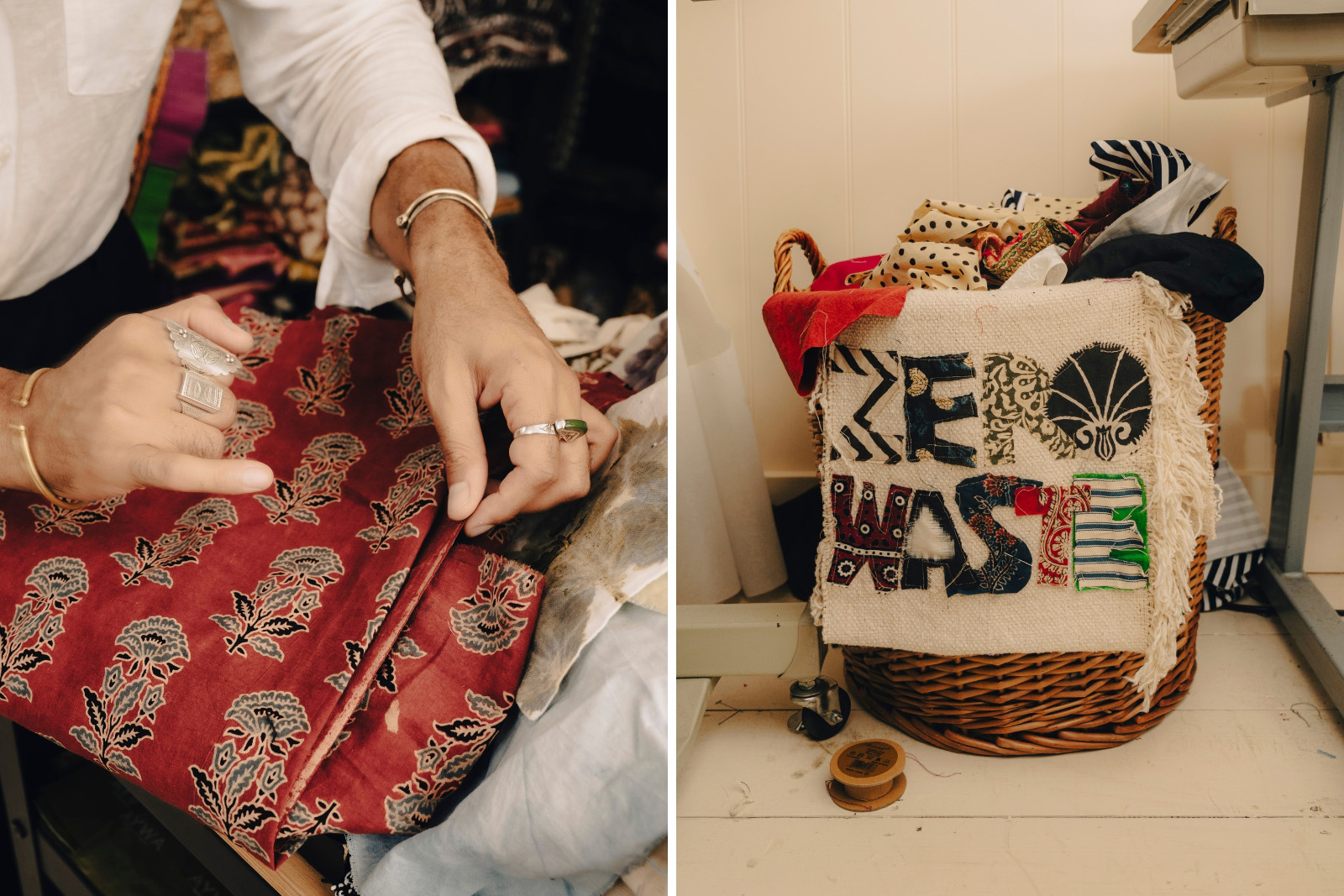
“I’ve been wearing natural fibres for years now,” he says. “Your skin is the largest organ of the human body, with millions of pores on it. It’s absorbing what we’re wearing and if all we’re doing every day is wearing toxic plastics and toxic dyes, it’s leaching into our bodies.”
A tailor with a degree from London College of Fashion, Ahmed founded his slow-fashion brand in 2014. Before then, he’d been making one-off abayas for his sisters and experimenting with different sustainable materials.
Aywa specialises in neck scarves and handmade abaya collections featuring one-off pieces made from natural fibres such as linen, pure wool, hemp and cotton. The intention is to use clothing to encourage Muslim consumers to live more mindfully.
“Our process is inspiration, putting together a mood, then starting to curate material, fabrics and textiles. It’s a very natural development of how our collections come together,” Ahmed says.
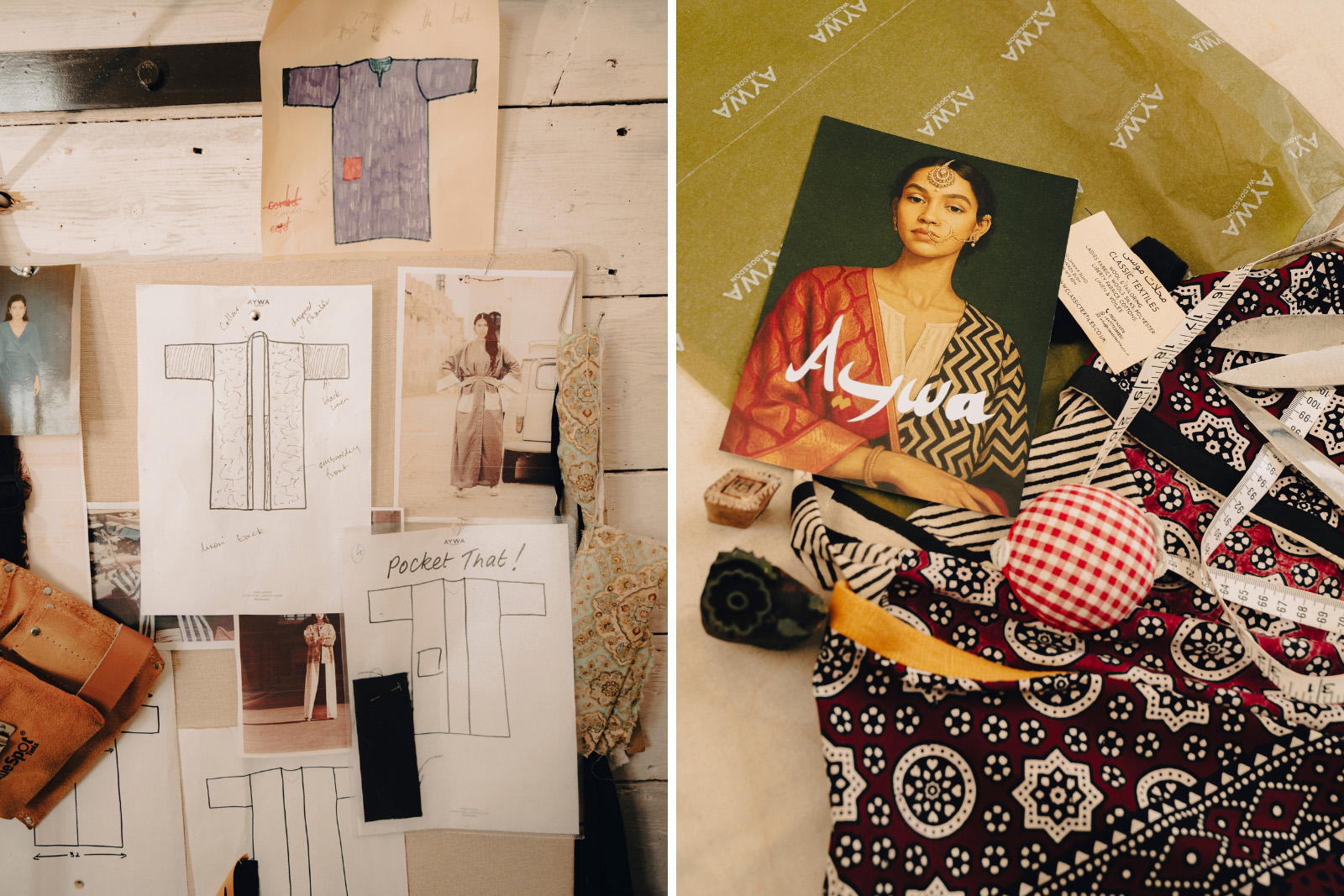
As the creative director of a family-run business, Ahmed sources the materials for Aywa, designs the clothing and carefully sews the garments together himself in the mill studio. His wife supports him with hand finishing and handcrafted traditional button holes. Though the prices may not be accessible to all — made-to-order abayas range from £140 to £495 — all garments are made to be long-lasting.
“Over the years I’ve learned a lot about materials and the impact of fabrics on our bodies and how it affects our health. I really want to create an environment where it’s not just a brand, it’s an educational platform,” Ahmed says.
“I say to my clients, I don’t need you to come and buy from every collection that I create, or to buy every month from me. Connect with the piece like you’re connecting with a piece of art.”