
The Muslim jewellers bringing grillz to new communities
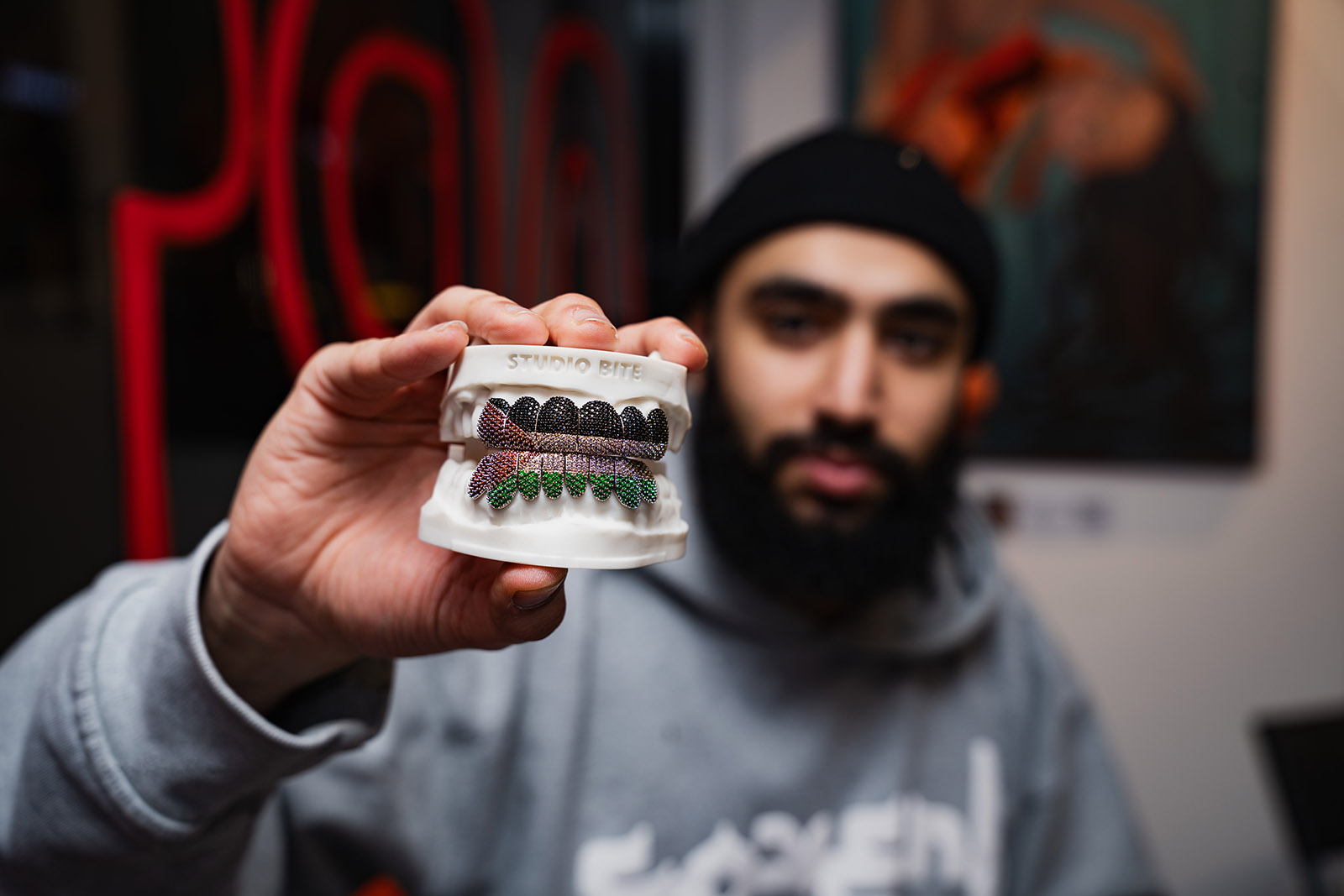
As dental jewellery becomes even more popular, it’s also now a form of individual expression for people not allowed permanent forms of body art

London-based Jeweller Zaid Hassan wants to see King Charles wear grillz one day. “I would love to see it in the luxury scene,” he laughs. “It’s definitely shifting and reaching a wider audience.”
For the 23-year-old co-owner of Studio Bite, the idea of a monarch in grillz sounds far-fetched, but reflects how they are now being embraced by communities beyond those that first popularised them.
Decorative dental jewellery has been a part of a variety of cultures around the world for thousands of years. In ancient Italy, Etruscans wore gold dental bridges, the Maya embedded jade into their teeth and, in the Philippines, gold dental adornments can be traced back to pre-colonial times.
Related content
But the grillz we recognise today emerged from Black American hip-hop culture in the 1980s and 1990s, becoming associated with celebrities and serving as symbols of wealth and status. Now, a new generation of British Muslim jewellers such as Hassan and Kabil Riaz, owner of Birmingham-based Kabil’s Grillz, are helping to broaden their appeal.
Their work reflects a longer history of Muslim involvement in the UK’s jewellery trade, from family-owned workshops in London to businesses in Birmingham’s Jewellery Quarter.
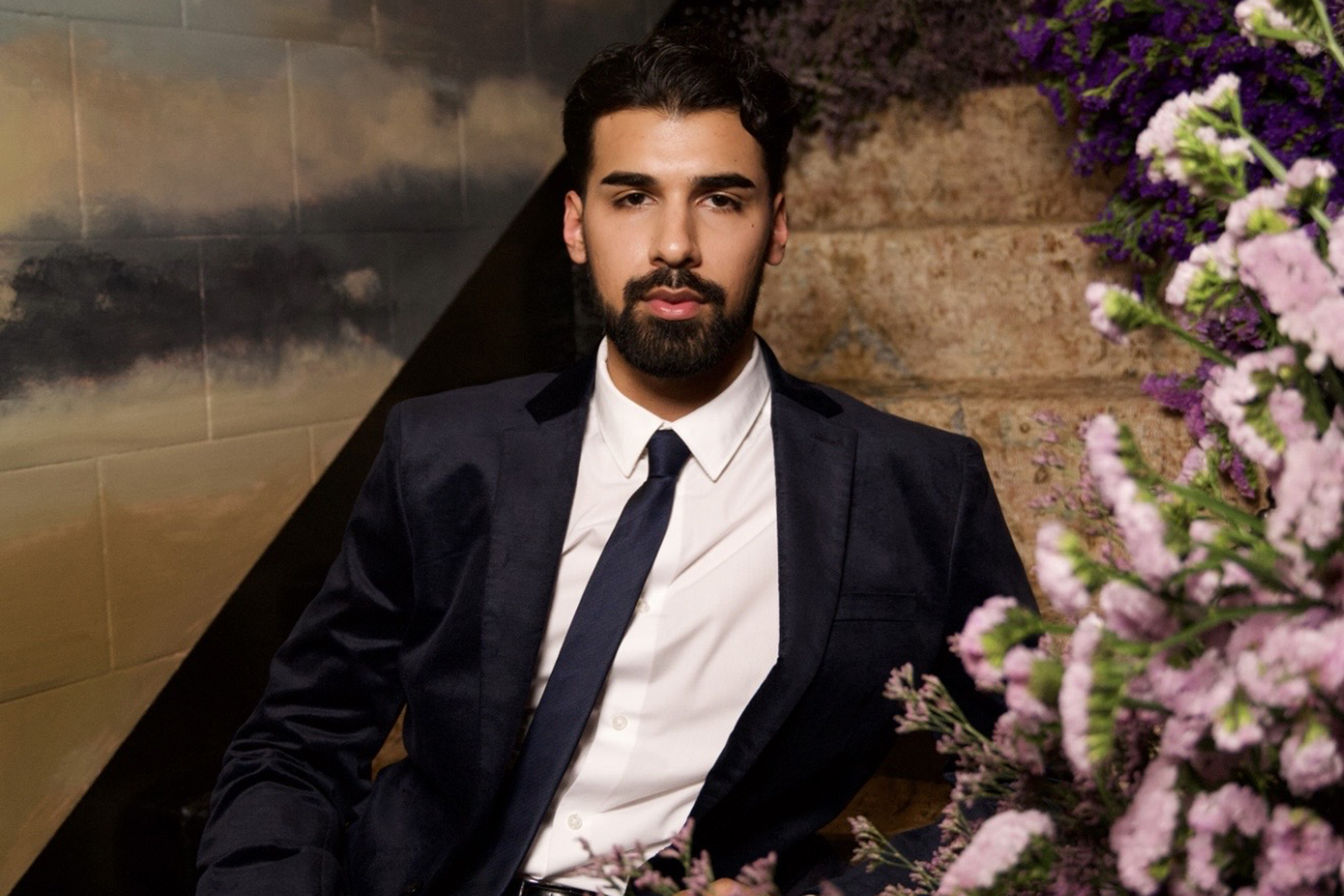
Hassan, who is British-Pakistani, grew up spending weekends and school holidays in his father’s workshop in Hatton Garden, the street home to hundreds of London’s jewellers. From the age of 14, Hassan began learning about jewellery making and his family’s business, which mainly focused on engagement and wedding rings.
“I saw what my uncles were doing and they’d let me be very hands-on and just play around,” Hassan says. “I used to mess things up but they were very kind. They’d let me mess up and then fix it later. From that moment I was like, this is what I want to do.”
Hassan’s introduction to grillz came in 2019, aged 16, when a friend asked him to make a piece. “I kind of knew the process behind it because I was already in jewellery,” he says. “I spoke to someone else that makes them and he told me how he does it. So I just built on that.”
His side project soon grew into a small business. Hassan would design and post grillz he’d made on Snapchat and Instagram and soon realised there was a market in the UK. He founded Studio Bite with Faris Mohammed in 2025.
“It just happened so naturally,” Hassan says. “Grillz have been a growing trend — it’s all the younger generation. They’re after them. I think social media has probably had the biggest impact in increasing their popularity.”
Riaz, 32, of Kabil’s Grillz, became fascinated with the style in 2006 when he ordered his first set on eBay. Having grown up in Birmingham, he says his appreciation of jewellery was shaped by his family and friends.
“The seed was planted,” says Riaz, who is of Pakistani and Malaysian heritage . “Anything shiny, I want it. I used to see my mum with lots of jewellery, and I always loved hip-hop culture when it’s come to jewellery and grillz. Especially my closest friends who were Black and part of hip-hop culture — a lot of them were rappers. That influenced me.”
When Riaz decided to start making his own pieces in 2019, he spent his spare time teaching himself the craft through trial and error, researching techniques from the jewellery and dental industries.
Kabil’s Grillz offers standard silver caps starting at around £60 and solid gold caps costing between £120 and £210. At the other end of the scale, some designs advertised on the company’s website can cost more than £6,000 for an 18-carat diamond set.
At Studio Bite, meanwhile, single plain caps made of gold, silver or dental metal go from £60 per tooth, while more intricate diamond pieces can go up to £2,640.
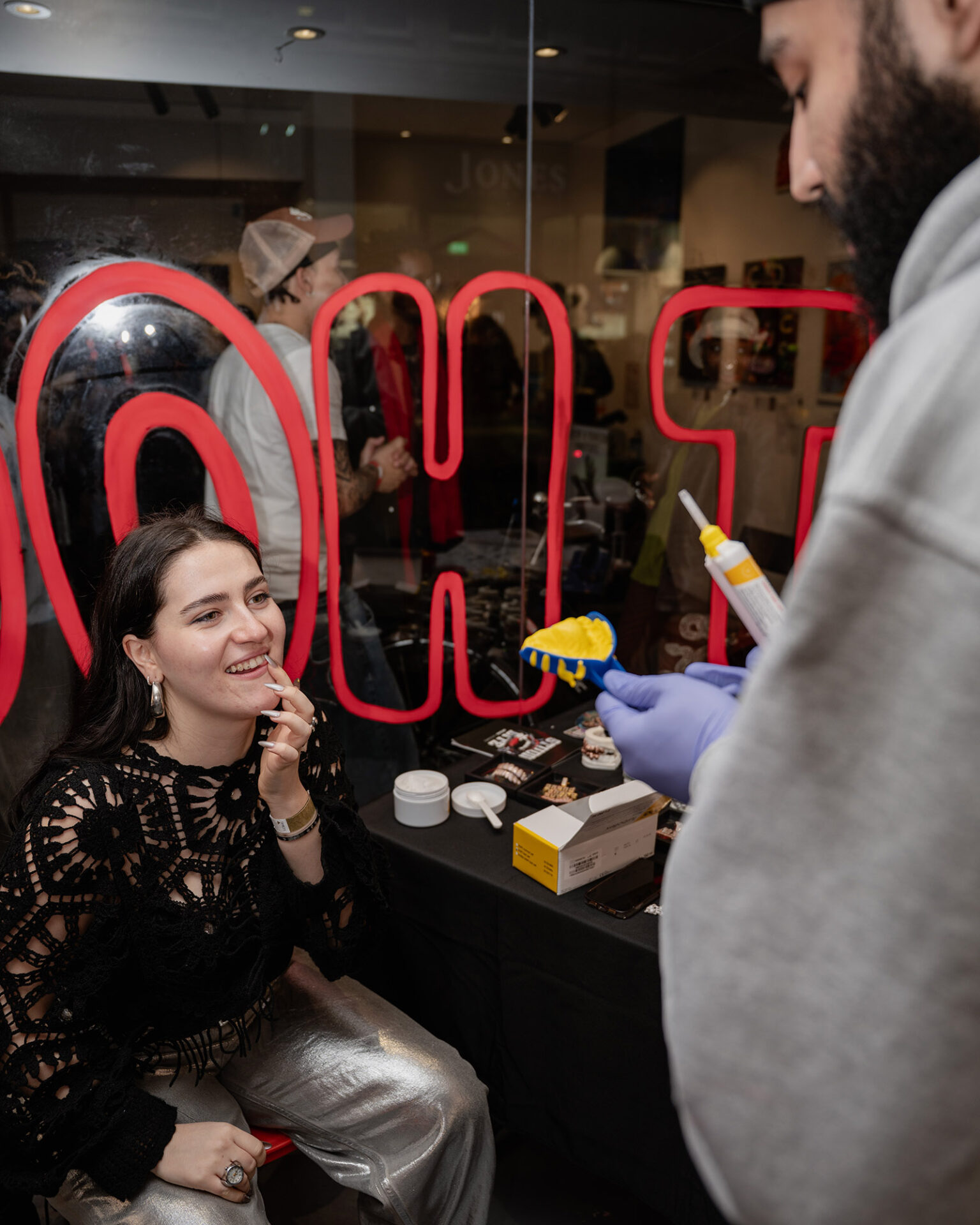
After taking an impression of a customer’s teeth, Hassan makes a cast using dental stone before shaping each design either digitally or by hand. Simpler pieces are hand-waxed using a heated pen, while more complicated designs are done using 3D scans and computer design software.
Depending on the complexity of the design, Studio Bite’s customers can expect to wait between two to six weeks for a set.
As grillz become more visible across social media, both jewellers say they have noticed a shift in who is buying them, with customers increasingly requesting designs that reflect their own identities and heritage.
“It’s a big mixture of customers,” says Hassan. “I’ve had a couple — a woman in a niqab and a man in a thobe come in wanting to just do something fun, and a lady in her 50s. It’s hard to pinpoint one specific type of client. They’re all so different.”
“The best way to describe grillz is identity,” says Riaz. “They’re specifically for your teeth. If you buy a Rolex watch today, I can wear it and it will be perfectly fine. There’s no identity, it’s a luxury brand. But with your grill, no one else can wear it.”
“It’s self-expression,” adds Hassan. “I’ve made so many which are tied to the client’s own roots. One person got a cap and it had the African continent cut out on it. I’ve also made a Palestine one.”
For some Muslim customers in particular, Hassan says grillz offer a form of expression that feels different to tattoos or permanent forms of body art.
Related content
“Muslims can’t really get tattoos. This is kind of like the next best thing. It’s a piece of jewellery that you can put on your tooth but it’s still removable,” says Hassan.
Riaz agrees, adding that Muslim involvement in the industry goes beyond personal taste. “A lot of jewellery makers are Muslims. Maybe it’s to do with culture,” he says, pointing to traditions around gold and jewellery across South Asia.
Both jewellers see the growing presence of grillz as helping the trend reach new communities, without losing its connection to its heritage that helped make it what it is today.
“Without it starting from Black American hip-hop culture, I wouldn’t be doing this because it wouldn’t have existed,” says Hassan. “You have to give them their flowers.”