
The fashion world has always excluded disabled women like me. Are things finally changing?
Shopping has always been a challenge for disabled Muslim women. We need more adaptive clothing brands that represent a lived experience, rather than a limited trend
I was a child when I first got hooked on music, film and TV. Through this I became intrigued by costumes and fashion, drawn to the colour and creativity. I remember taking my mother’s old scarves and clothes to design my own costumes or copy those of my favourite actors at the time. I had the naivety of youth, believing that any dreams were possible.
As I got older, my condition, muscular dystrophy — progressive muscle wasting — got worse, as did my posture, due to a scoliosis of the spine. That meant finding clothes that I liked and felt comfortable wearing was no longer a simple thing to do. Still, it didn’t bother me at the time. I put it to the back of my mind, thinking that the less we talk about things the less real they are. Really, I avoided confronting the issue as the injustice of it and lack of solution was hard to deal with.
Related content
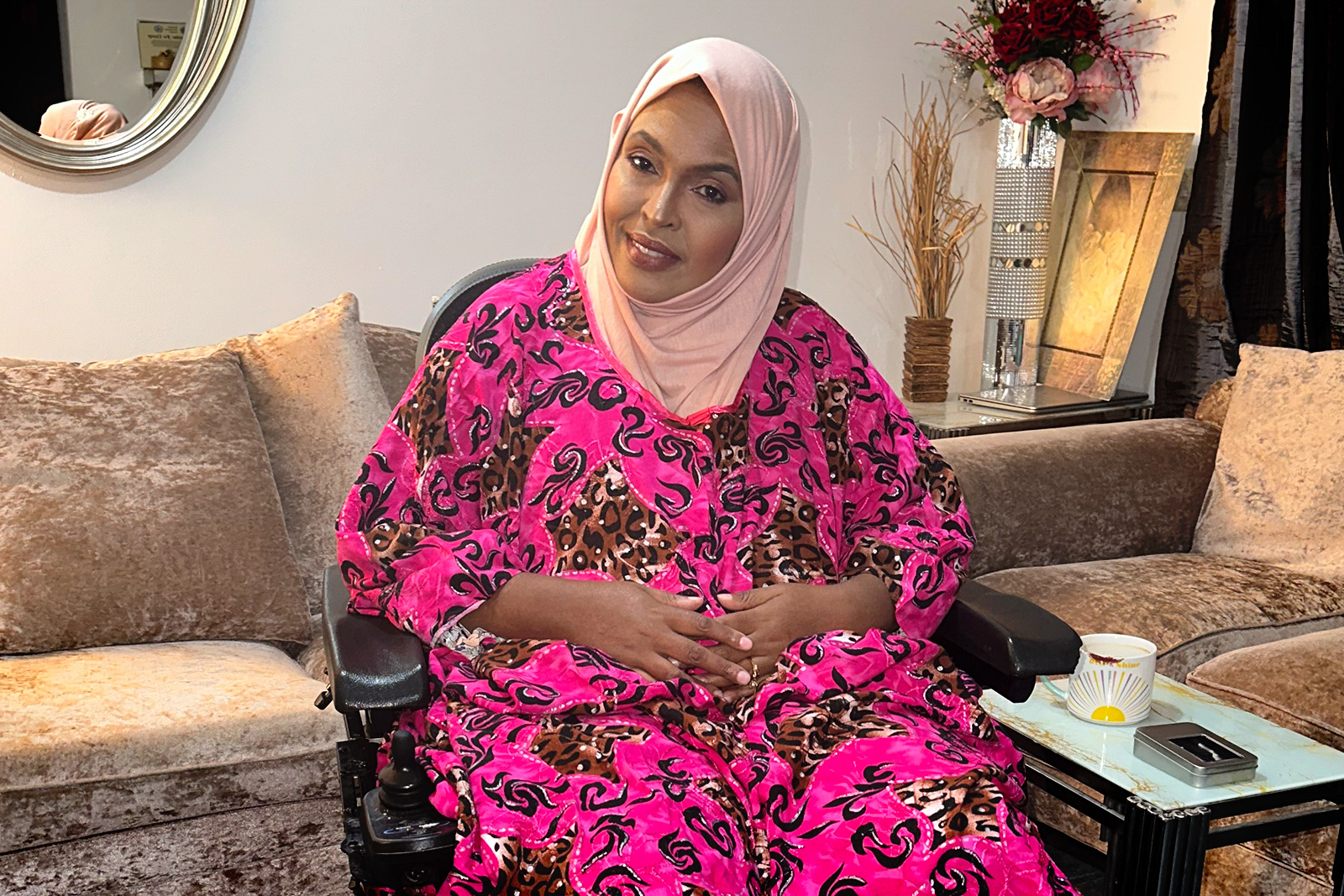
For many people, fashion is positive — it’s a way to make them feel better about themselves and carve out an identity. But since my teenage years, I’ve felt excluded from this world.
My worst experience of that was when my sister got married and I had to find a dress for the occasion. I went to many shops that specialised in weddings and parties, but the majority of them were not accessible, so I couldn’t even get in. I’ve found the more distinguished the shop, the more likely it will have two huge steps that prevent disabled people, especially wheelchair users, from entering.
Instead, I went to a big department store that I knew was fully accessible. Yet what should have been a fun outing became one of the most degrading experiences of my life. It was about 25 years ago now, but it stays with me to this day. I approached a salesperson and asked if a personal shopper could help me choose an outfit.
Her reply was instant and abrupt: “I don’t think you will find anything that is appropriate for you here. I would try other places.” A mixture of shock, disappointment and anger hit me. I was speechless for a few seconds and then pointed out that such a renowned store must have something that is suitable, but the answer was still no.
Rejection is hard in any situation, but it’s harder in public, especially when you know accessibility to clothing is not just going to impact you but also the special day for a loved one. I’m used to the lack of facilities as it’s something I have had to deal with since the day I was born, but when it has a direct effect on people I care about, that’s when I get upset.
I did eventually find an alternative shop that was accommodating and helped me choose the perfect outfit, but that experience was a turning point for me. I became less and less interested in fashion and no longer felt comfortable shopping for clothes.
Accessibility is an issue across all areas of life, but the fashion world in particular is a place that doesn’t welcome or even want disabled people, especially Muslims with disabilities.
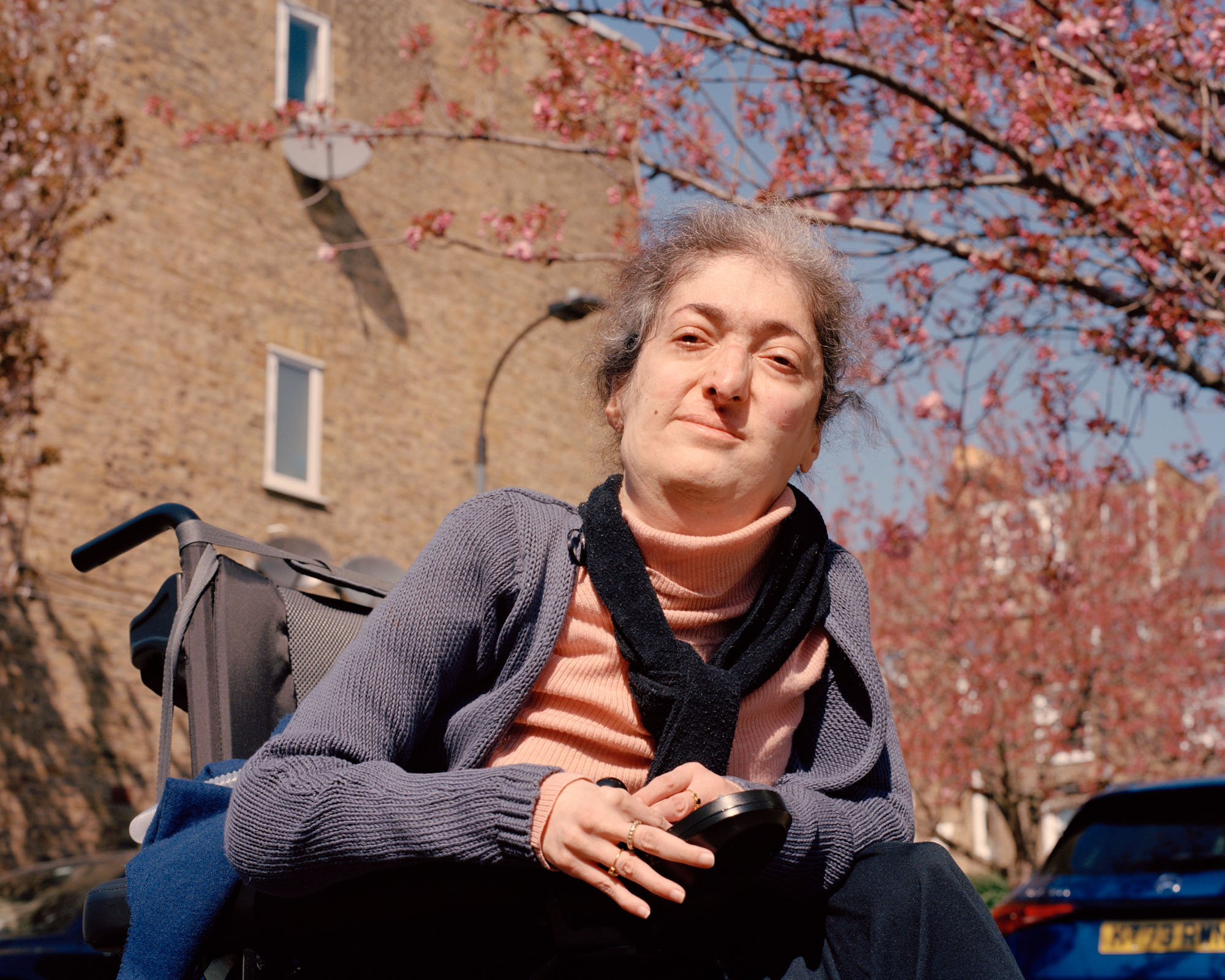
I am a practicing Muslim. I don’t wear a hijab or cover my hair in any manner, but I don’t wear make up, short sleeves or revealing clothes, partly out of modesty and personal taste, but also, because I can’t. In my late 20s, I developed a chronic pressure sore on my elbow, and although it has little impact on my choice of shirts and jumpers, it means I’m unable to wear short sleeves. That makes finding summer clothes especially difficult. Shirts are often sleeveless, trousers are tight or have buttons, which I find painful to wear.
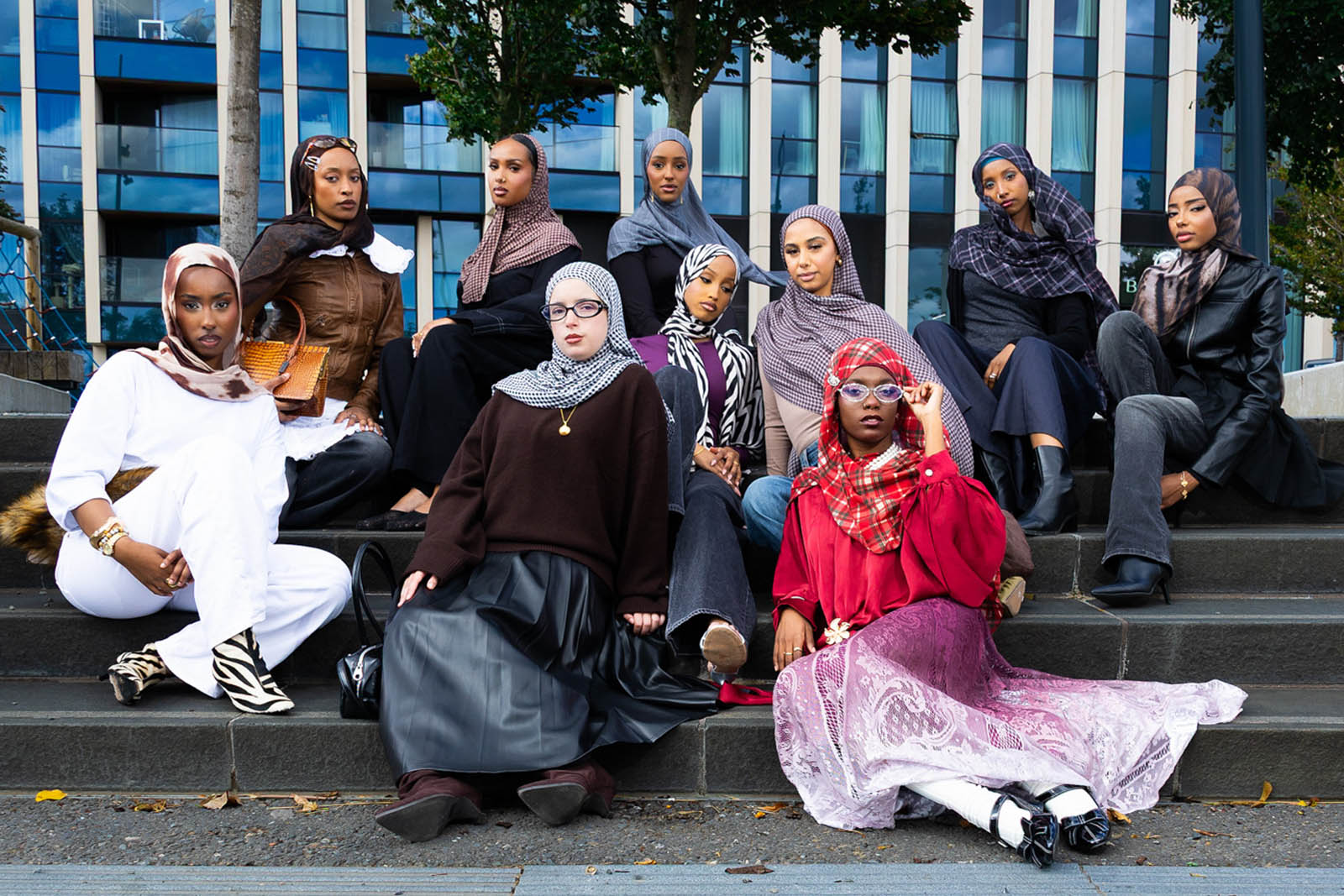
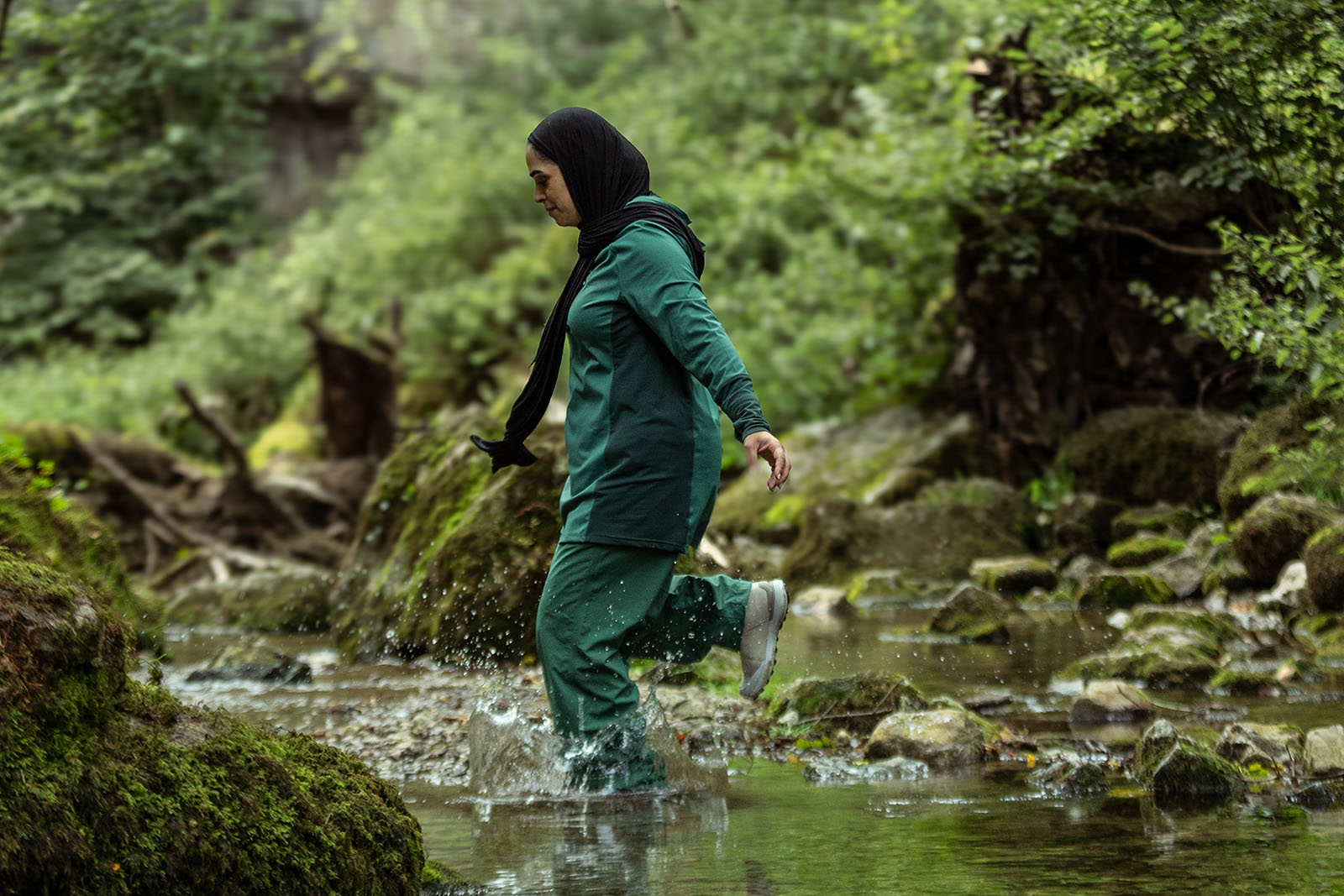
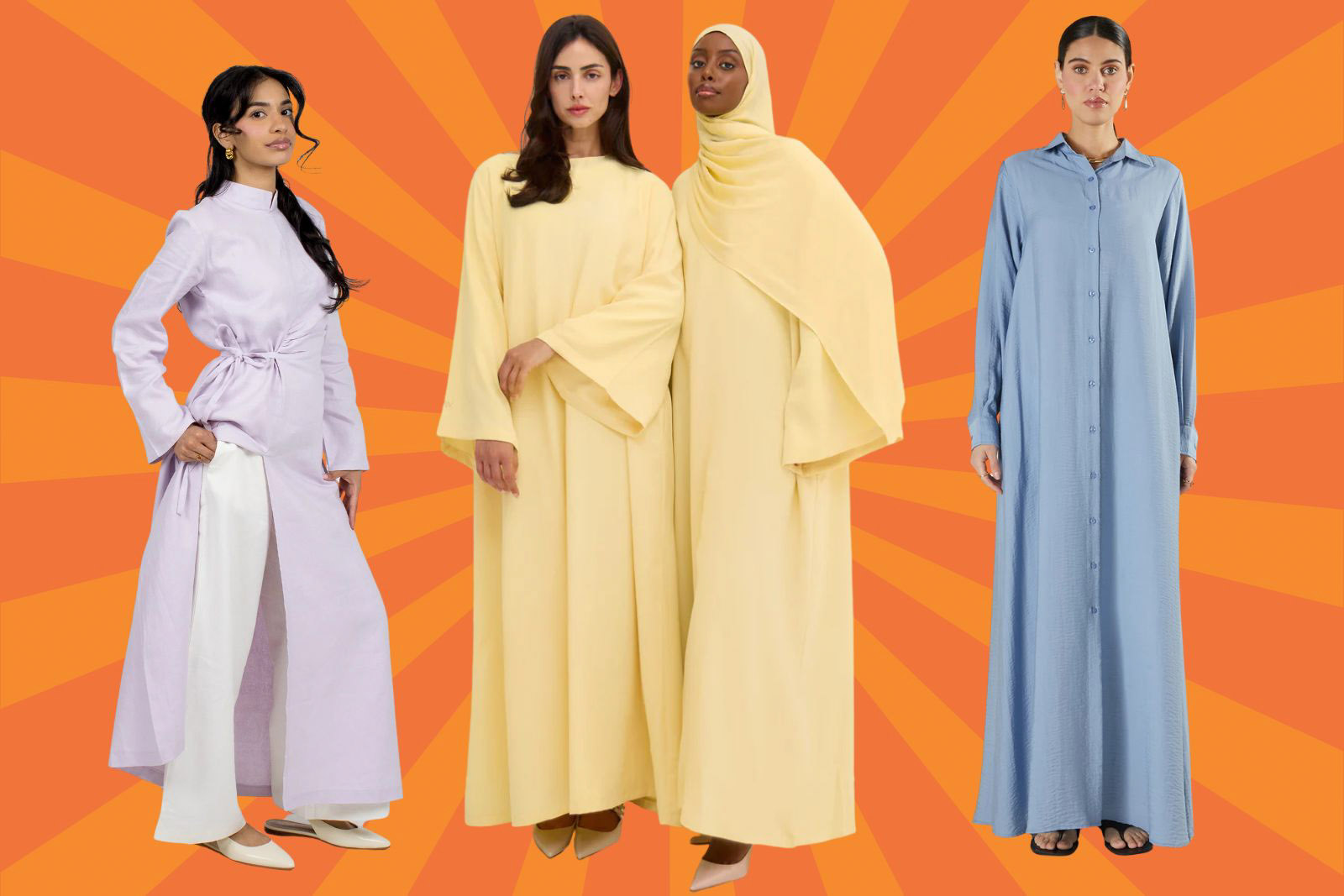
Thankfully, there have been some positive changes in recent years. In 2021 designer Faduma Farah introduced an adaptive clothing collection aimed at disabled Muslim women, including a fellowship for new designers. It was the first collection created specifically for wheelchair users to be showcased at London Fashion Week.
Related content
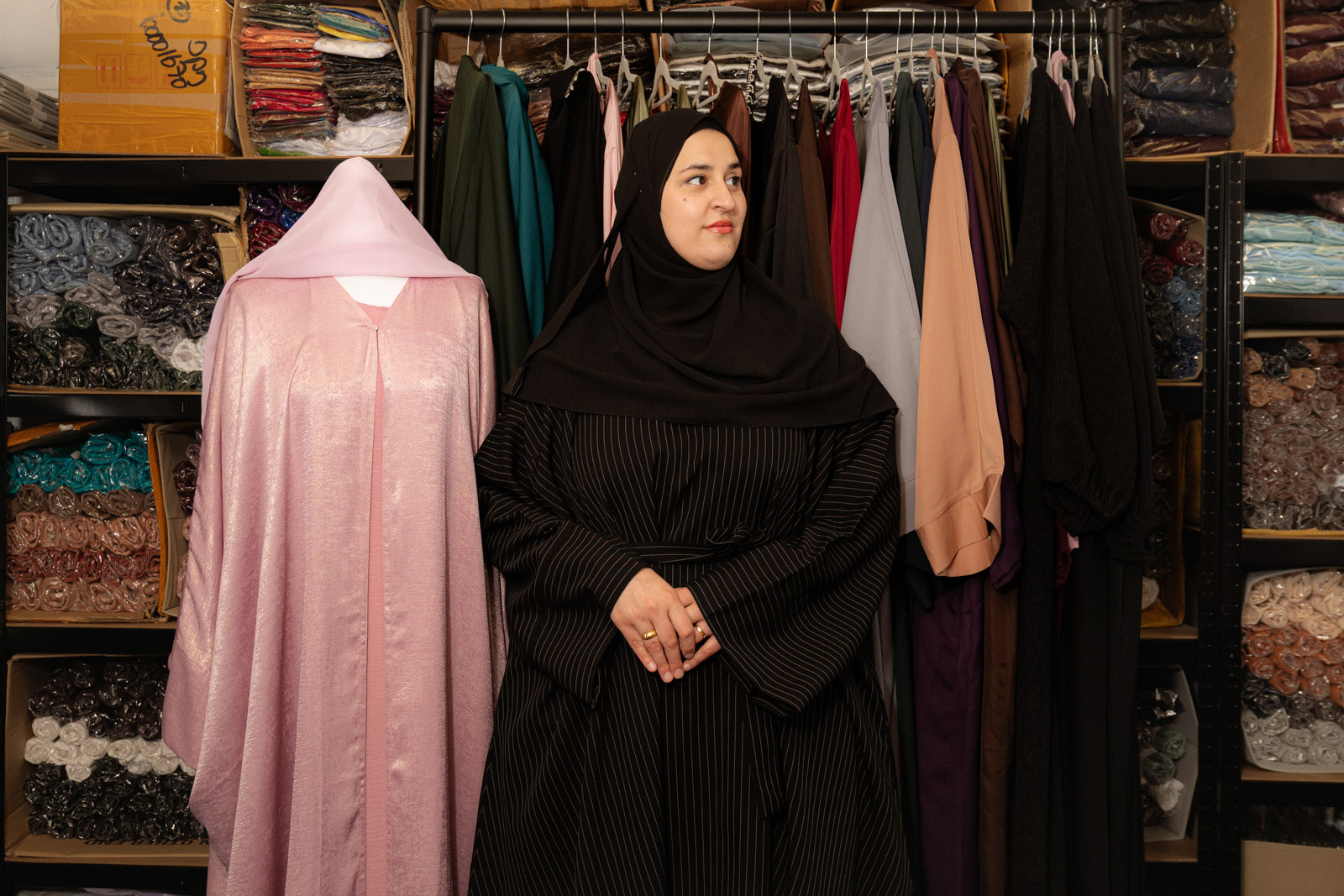
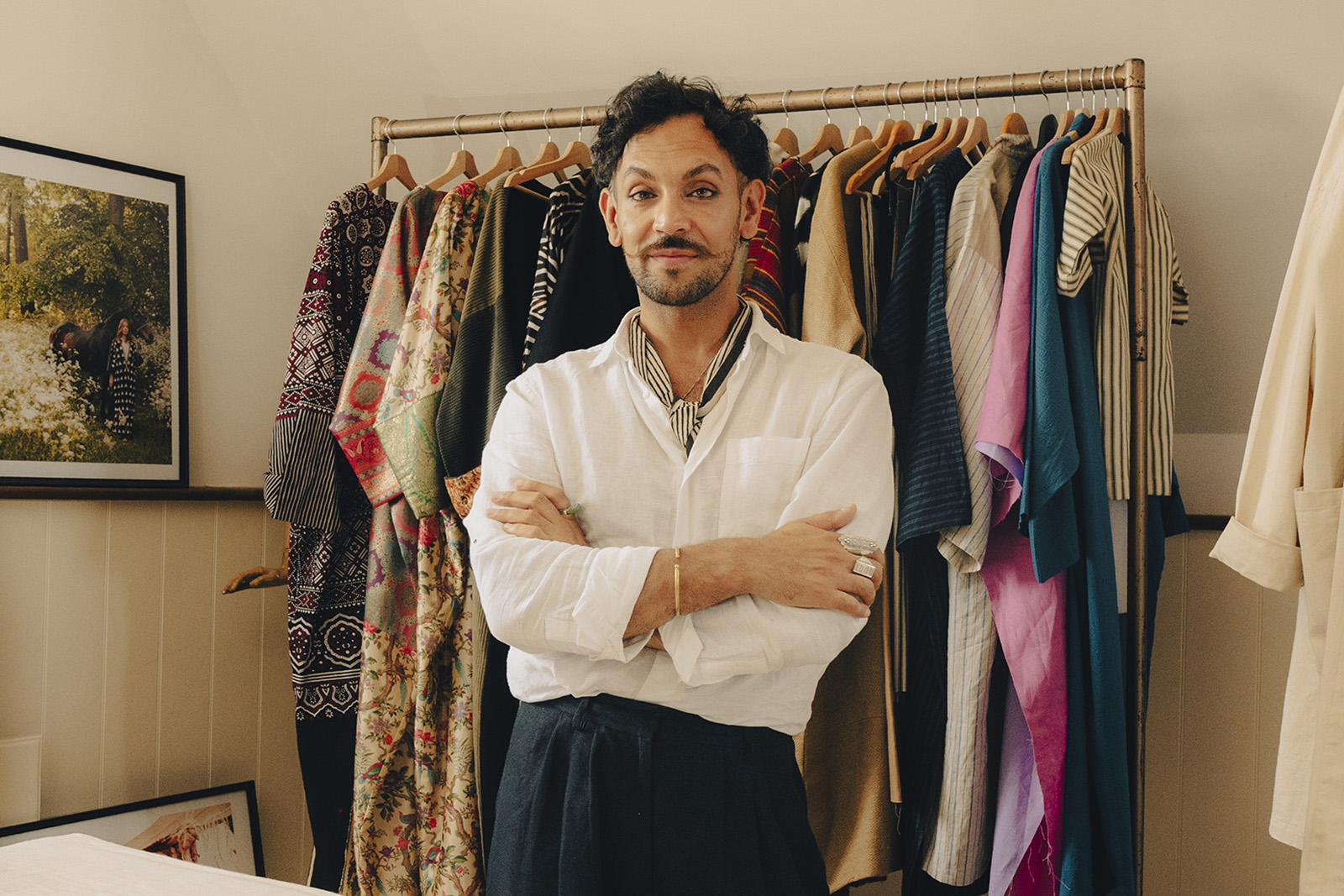
Intotum is another London-based adaptive clothing website, founded by award-winning designer Hanan Tantush, whose collection covers a wide range of disabilities and is not limited to wheelchair users. Other brands include Able Label, Adaptawear, Unhidden and Adaptive by Asiya.
Although these are all positive steps, there is still more to be done to actually make adaptive clothing more affordable and, therefore, more accessible for disabled people. Disabled people already face more expenditure than our non-disabled peers. According to Scope, disabled households need an extra £1,095 a month on average just to have the same standard of living as non-disabled households. Though some high street stores such as George. are offering adaptive clothing options, most brands are small businesses so prices will likely be higher.
How bodies are presented in glossy magazines or on high streets is important because disability isn’t something to hide. Our presence challenges and changes what we understand beauty to be. Adaptive clothing represents a lived experience, rather than a limited trend. It’s a style that shows social power; a sign of inclusion during times of exclusion.