
‘A great loss’: Queensway Market traders threatened with eviction
Thousands have signed a petition opposing the conversion of the central London site, which houses 40 shops and a small mosque, into a Whole Foods

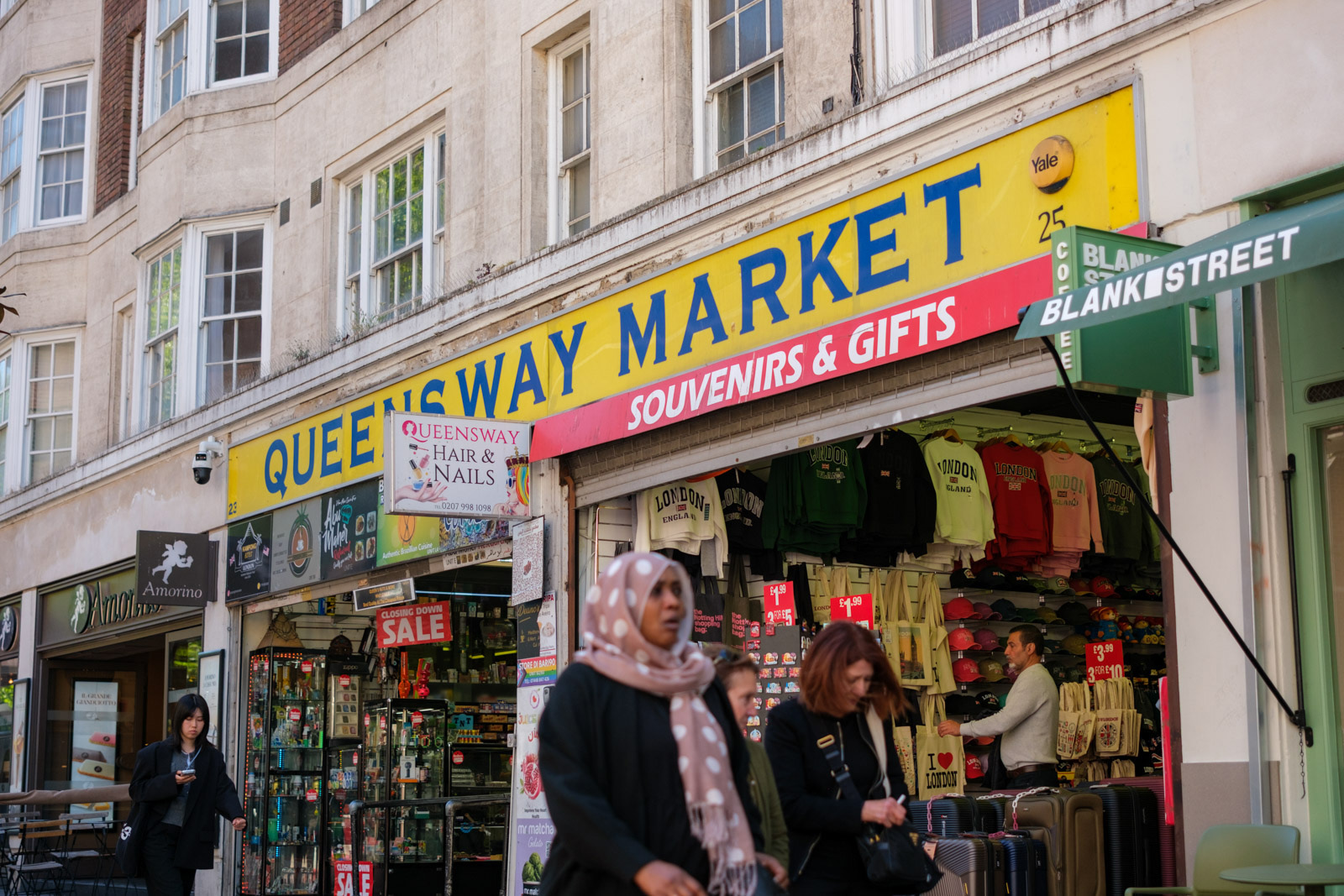
Market traders have warned of a loss of history and livelihoods if Queensway Market in central London shuts later this year as planned.
Nearly 3,000 people have signed a petition urging the market’s landlord, Bourne Capital, to abandon plans to evict dozens of traders and rent the site to Amazon, which intends to open a branch of Whole Foods Market there.
The market, situated between the affluent areas of Bayswater and Kensington, dates back to the 1990s and is home to approximately 40 small, family-owned restaurants and businesses, including clothing stores, tech repair shops and hairdressers, as well as a small mosque.
Shopkeepers were initially asked to leave by 23 April, which was later extended by a month to 23 May. Following negotiations with the landlord, some have been allowed to stay on until November. Half of the market will still close in May but those on the affected side who have secured extensions will be moved to the area that remains open.
Luai Gabani has run one of the market’s half a dozen tech repair shops for 24 years. “If you were to go all around the UK, you wouldn’t find another market like this,” he said. “You might find individual shops that can do what you want, but around 95% of the problems you could have with electronics can be solved here in one place.
“This shop and this market means everything to me. I’ve been here since 2002. You come here every day, you know everybody, you know the community, you know the area. It’s like you’ve settled down with a family.”
Gabani, who has an extension until November, said he is not hopeful he will be able to reopen in a new space.
“I have tried to look for other places, but they are all far away. Most of my customers are locals, so they may not be able to come to the new shop and building a new customer base is really hard.
“If there is anything nearby, it is expensive, and if you have an expensive shop, you will have to be expensive on repairs and the customers will run away.”
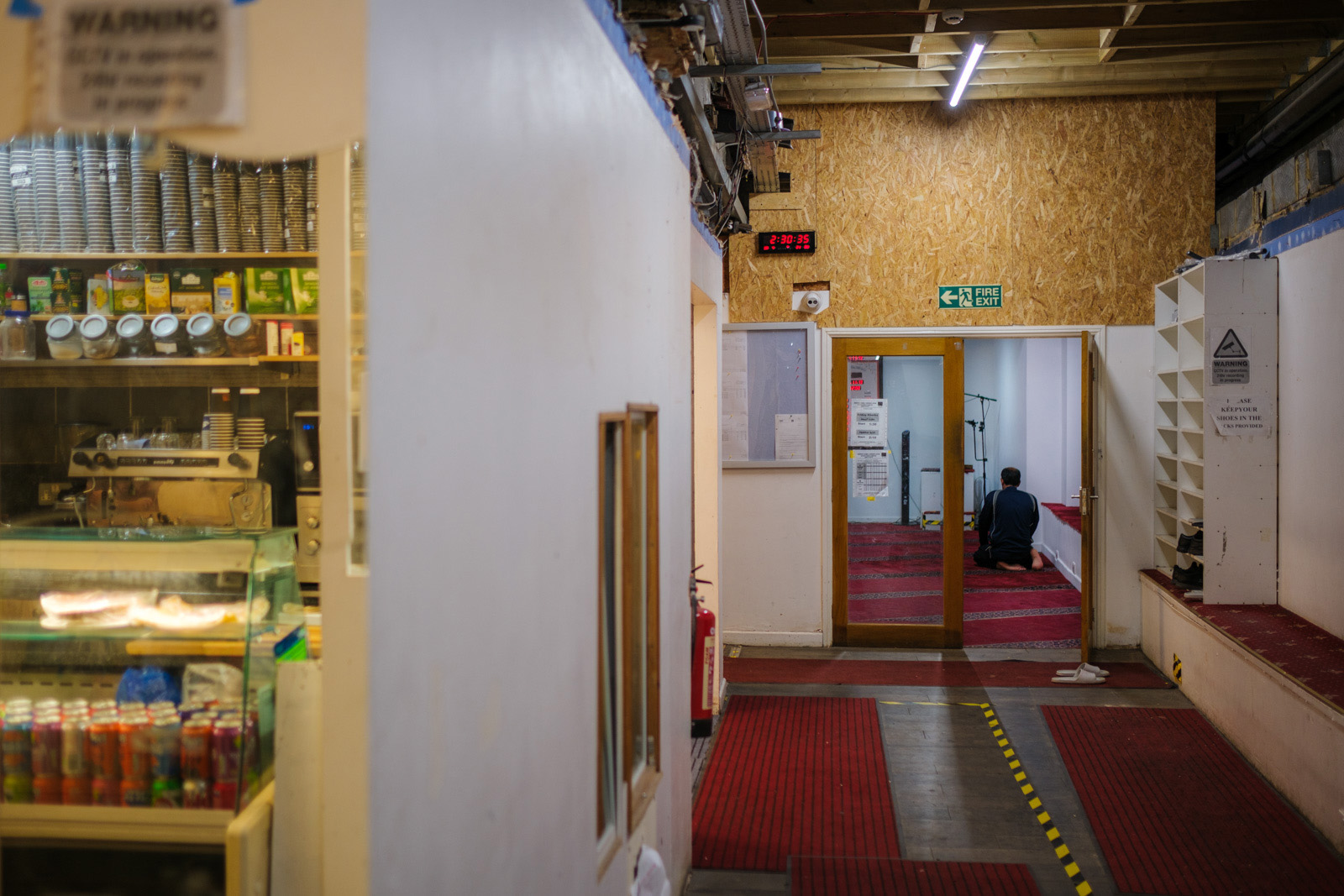
Gabani has also run a small mosque, tucked in a back corner of the market, since 2003.
It is used by both shop owners and Muslims working in the area. “There’s no mosque nearby, and almost all of the shopkeepers around me are Muslim, so we needed a place like this,” Gabani said.
On Fridays, the room is filled with worshippers, who spill out to pray in the corridors. Gabani estimates around 150 people come for Jummah prayer every week.
At the end of May, the mosque will move to a smaller, temporary space in the market until November.
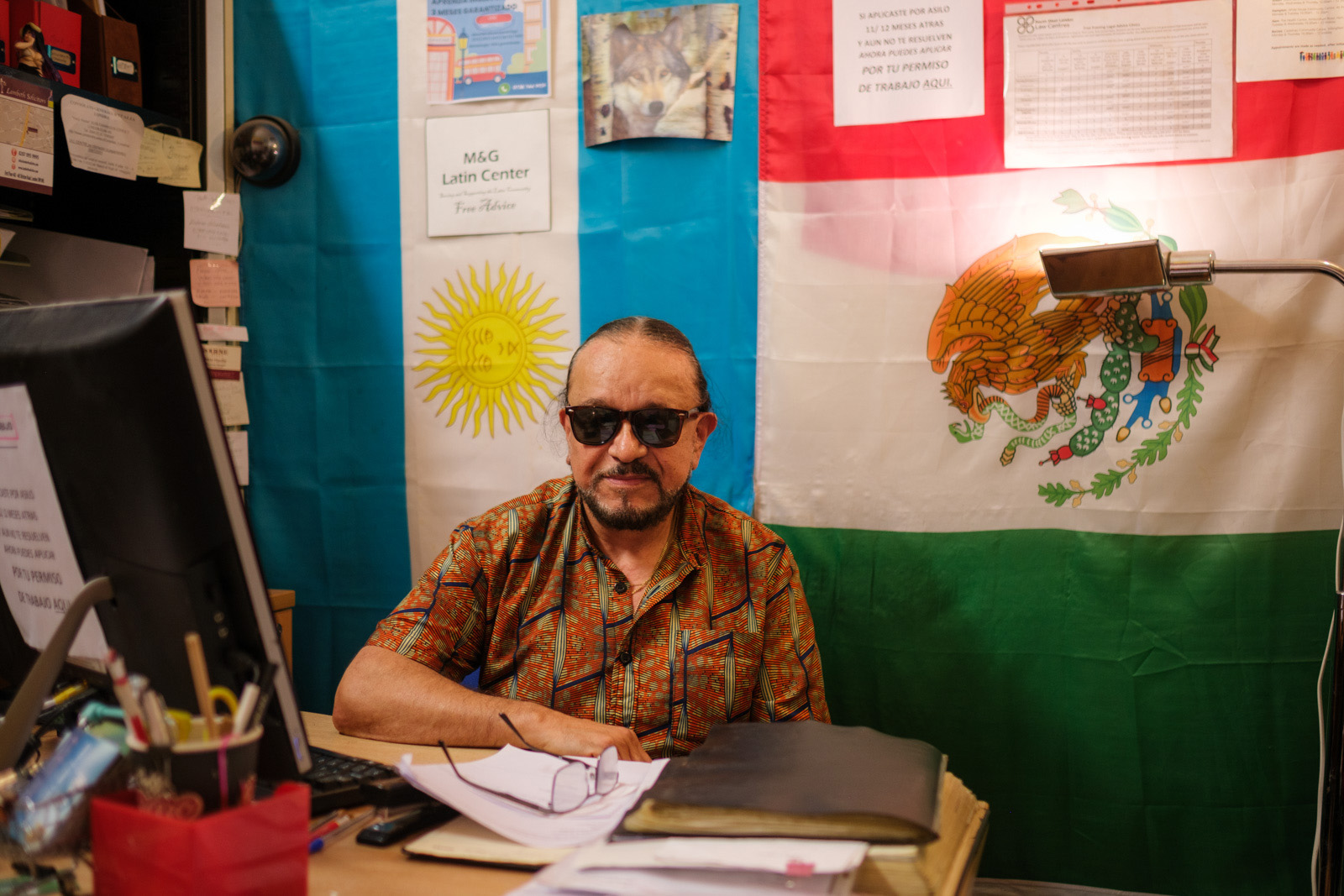
George Cubillos has been running the Latin Centre charity from the market for the past 22 years. Cubillos, a lawyer by profession, advises refugees, asylum seekers and migrants on jobs, accommodation, immigration and housing, and has helped people from countries including Spain, Portugal, Romania, Italy and parts of South America.
“It will be a great loss for people, for the community, and for those of us who have spent our lives here,” he said. “You want to repair your telephone? You come here. You want to cut your hair? There’s a barber here. You want to pray because you’re a Muslim? There’s a mosque there. If you want to know about the future, there is even someone who will read your hand.
“In this market, you’ll find Chinese, Japanese, Turkish, Brazilian, Arab, Pakistani people. We have 30 nationalities in this market. All are minorities. Immigration is necessary and good for any country. When immigrants come to a country, they bring their own culture, their own food, their own way of life. In places like this you find beautiful things. All of these little things are a part of life.”
Cubillos has been leading efforts to keep the market open and enlisted the help of a solicitor to secure the extension.
Asked if he will retire if the market closes, Cubillos is defiant. “I live in this market more than in my own house. What will I do at home? I have too much energy. The people need me here. I still get up to 60 calls a day.”
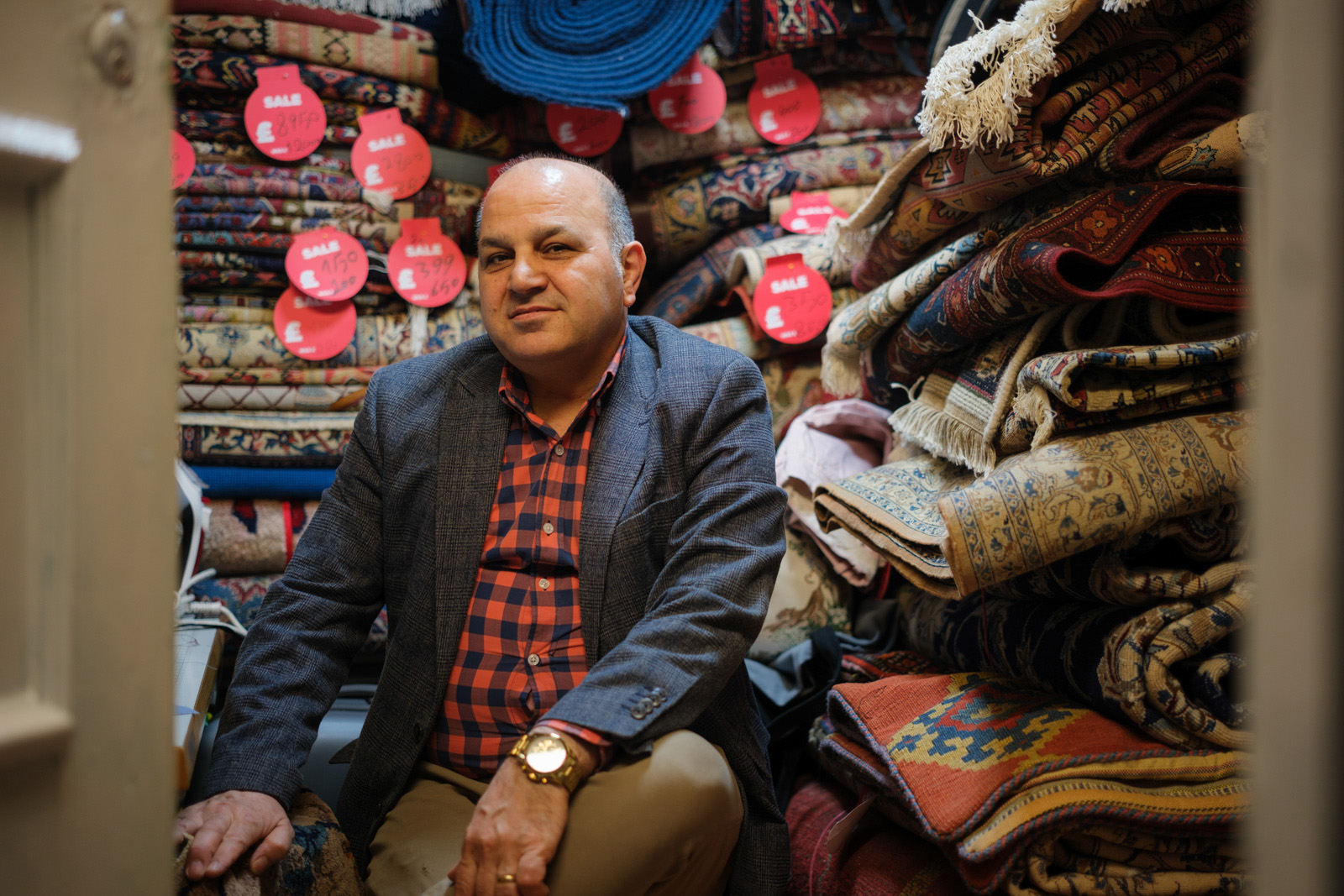
In the shop next door, Mostafa Lotfi has marked down the price of dozens of Persian carpets. Lotfi, who repairs, cleans, buys and sells rugs, has been in the market for 14 years and comes from a family of rug weavers; his father owned a carpet store in Iran. He too voiced fears about the loss of culture from the area.
“It feels like I’ve lost something close to me,” he said of the imminent closure. “It’s a place I’ve stayed so long. I’ve paid £80,000 in rent over the years, and just like that, you have to go.”
Lotfi will also be able to stay on in the market until November. He has been trying to find new premises, but has not had much luck. “We are all small, family-owned businesses. It’s not easy.”
Esam Ibrahim, who is Sudanese, has been selling high-quality fabrics at the market since 2015.
Ibrahim specialises in printed and embroidered voile, an ultra-fine cotton sourced from Switzerland. Most of his customers are Sudanese, Somalian and Nigerian women who use the material to make traditional dresses and sarees. “The fabrics we sell here, no one else sells in London,” Ibrahim said.
Bourne Capital did not respond to requests for comment.