
New documentary Towards Sun explores Afro hair and Black Muslim identity
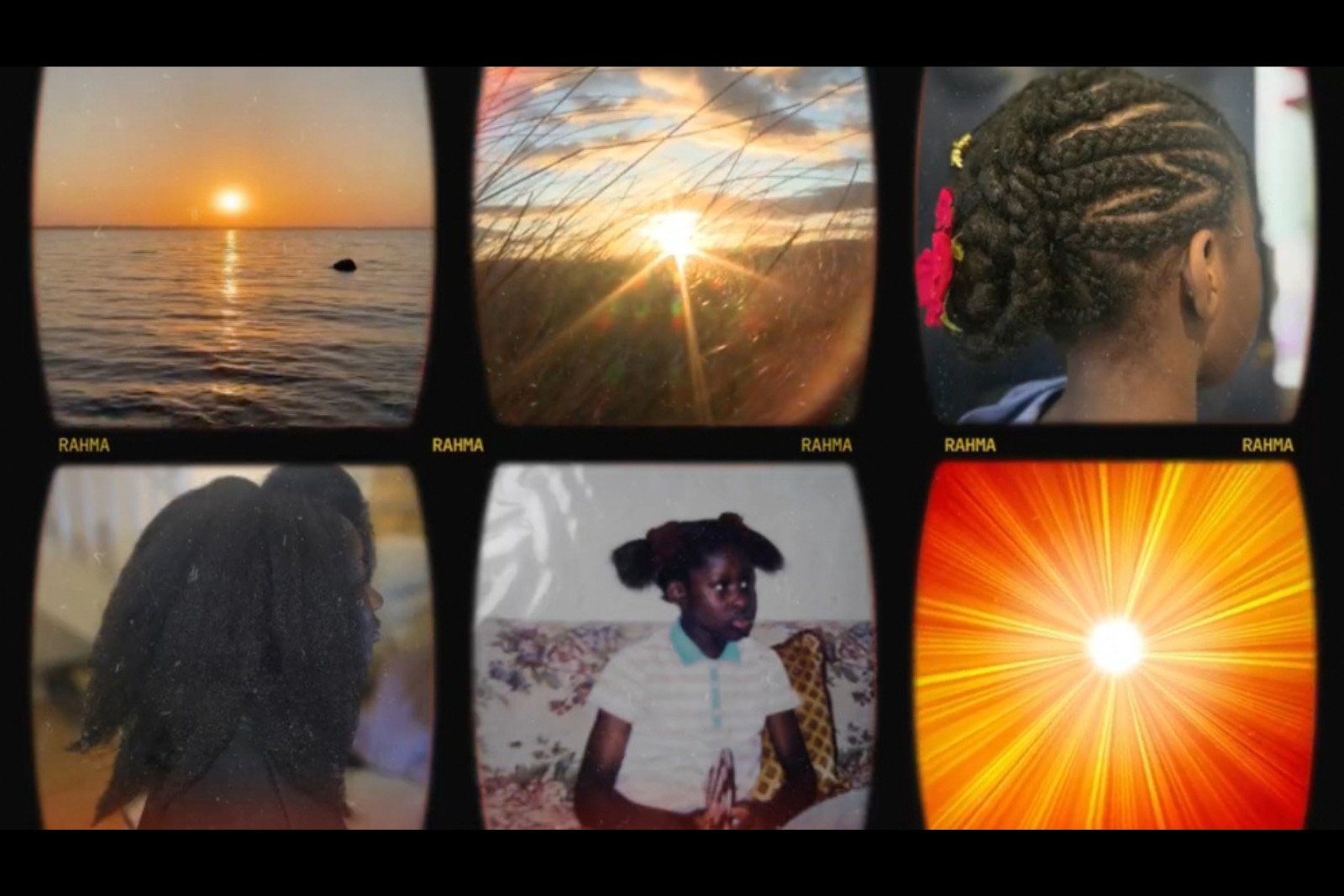
Through the stories of four women, film-maker Soukeyna Osei-Bonsu presents a celebration of beauty, femininity and joy

Growing up in the 2000s, Soukeyna Osei-Bonsu, 31, always embraced her natural hair. At a time when wearing Afro hair in its natural texture was less widely accepted than it is today, she remembers knowing that certain styles would attract ridicule at school, but at home she was encouraged to see her hair differently.
“I remember one time I did Bantu knots, and I knew if I went to school like that I would be mocked,” she says. “But I just did it in front of the mirror and I remember my mum telling me I looked absolutely beautiful.”
Those words of affirmation stayed with her. Osei-Bonsu says she was fortunate to grow up with two “very Afrocentric” parents of Moroccan and Ghanaian heritage, who encouraged her to wear her natural hair. “It’s my pride and joy,” she says.
It’s an experience she knows not every Black girl has had. While Osei-Bonsu’s relationship with her hair remained largely positive, she became increasingly interested in the wider experiences of Black women and the ways their hair can become entangled with questions of beauty, identity and femininity.
Produced through her own media platform MZAB, her new feature-length film Towards Sun explores these questions through the stories of four Black women: Osei-Bonsu herself, her friend Amatullah Salau-Deen and natural hair practitioners Rahma Suleiman and Muna Sheikh-Mao.
The film focuses specifically on the experiences of Black Muslim women — a perspective Osei-Bonsu felt was missing from the wider conversations about Afro hair.
“We’ve heard about it outside of the Muslim community,” she says. “But I never saw a focus on what it was like to wear a hijab or come from a Muslim background and have that double consciousness of trying to fit into the western world and then trying to fit in the Muslim community that is largely non-Black in the UK.”
The film explores some of the assumptions that can arise from that intersection. In the film, Salau-Deen recalls people assuming she was bald underneath her hijab, while others were surprised to discover that she had Afro hair when she removed it.
Osei-Bonsu says there can also be a lack of understanding around how to care for Afro hair among Black Muslim women, particularly when wearing the hijab. When she began covering at 20, her relationship with her own hair changed in practical ways.
Beforehand, she would often wear it in a wash-and-go style. But wearing a hijab, she found she had to be more intentional about how she styled it. She eventually found that twists worked best for her, but says she initially struggled to prioritise her hair while learning about Islam after beginning to practise at 19.
“I think a lot of girls go through that, actually,” she says.
For Osei-Bonsu, better representation of Black Muslim women within the natural hair conversation would mean acknowledging those experiences, rather than treating Black women as a monolith. She would like to see more natural hair education, particularly from online content creators, that considers the specific needs of hijab-wearing women, from managing tension and headaches to finding protective styles that work comfortably underneath a headscarf.
“It would be really interesting if everyone understood the different types of Black women that exist and the unique issues in different communities,” she says.
With Towards Sun, Osei-Bonsu wanted to capture “the good, the bad, and everything we’ve been through as women”. The film was originally going to be called Noir, but she felt the name didn’t capture what she wanted to convey. Her chosen title, however, reflects how kinky, coily and Afro hair grows upward, and evokes a gladness and pride.
“I wanted a name that’s emblematic of something natural and very light because talking about our hair is always a heavy topic,” she says. “I wanted it to reflect Black girl joy, Black girl magic and just lots of positivity.”
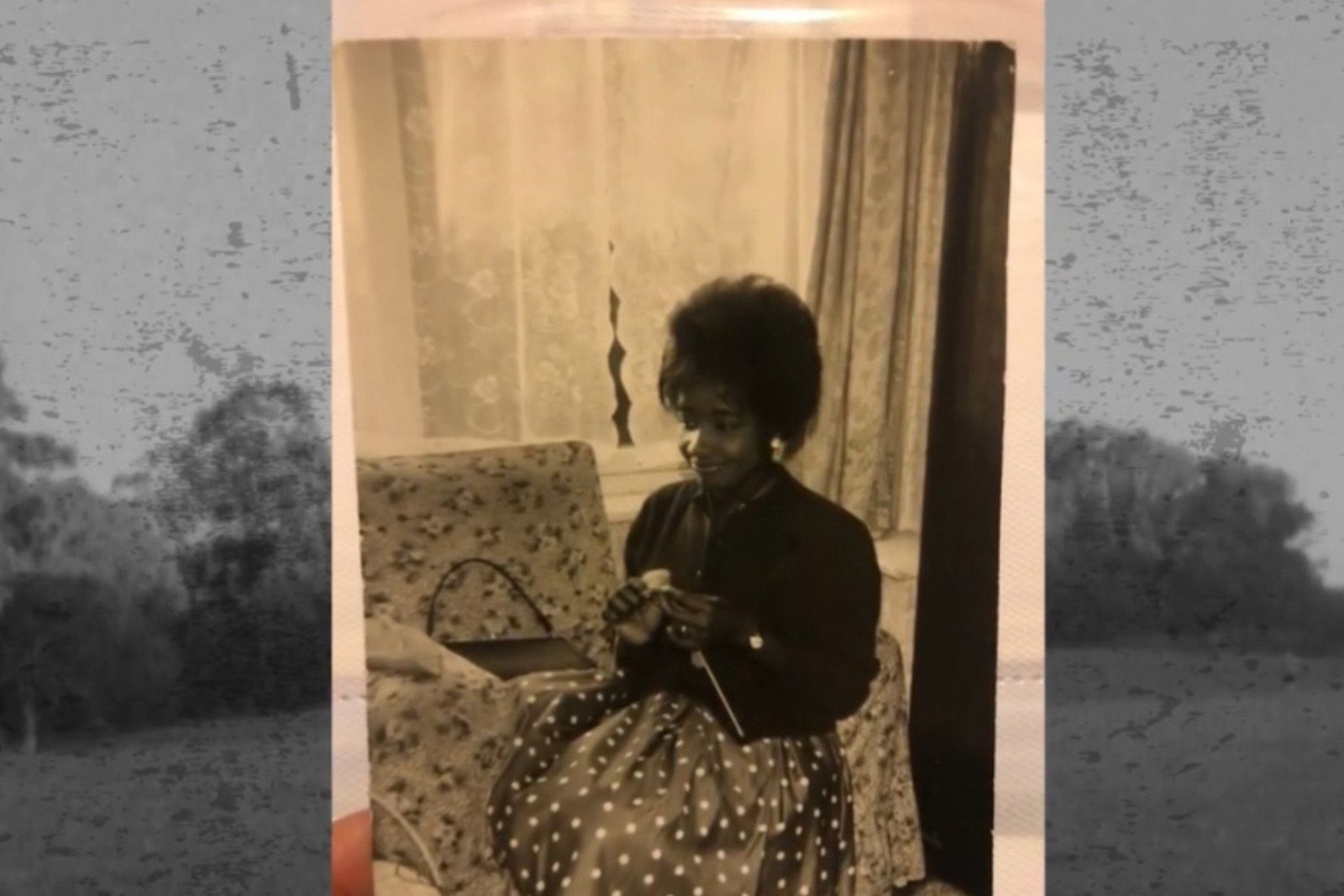
The four women featured tell their stories through voiceovers rather than appearing on camera. Their narration is accompanied by photographs and videos from their family archives. For Osei-Bonsu, that approach was partly inspired by the tradition of griots — West African oral storytellers. She wanted audiences to absorb their words alongside images from their lives.
Osei-Bonsu’s story includes photographs of her Ghanaian grandmother Julie, a beauty pageant contestant who came to London in the 1960s. She describes her as wealthy and glamorous, with an eclectic taste in film and music.
“I wanted to document her story of being a diasporic woman who doesn’t fit the narrative that is always portrayed,” Osei-Bonsu says.
Instead of focusing on usual narratives of poverty, struggle and hardship, Osei-Bonsu wanted to preserve a memory of a Black woman who was fashionable, elegant and aspirational.
“I wanted to archive our stories,” she says. “I’m writing our way into the history of this nation as people that were here, who had our own struggles and victories. We made a way for ourselves, and we told our stories.
“I think some of the most glamorous and feminine women in the world are Black women and West African women. However, the gaze that is upon us doesn’t see us that way.”
The film will screen at Peckham Levels on 23 August, followed by a panel discussion with the film’s cast exploring whether there can be a future where Afro hair is depoliticised. The evening is meant to be a time for conversation and celebration and a chance for women to dress up, meet one another, watch the film and see themselves reflected in its stories.
But ultimately for Osei-Bonsu, it’s about leaving something behind for the women who come next. By archiving Black women’s beauty on their own terms, she hopes to create a lineage that younger generations can look to and see themselves reflected in.
“The more we document our beauty and how we see each other, I think we can create a genealogy for the next generation and something to aspire to for them,” she says.