
How fragrance layering has its roots in the Middle East
A growing number of people are combining scents in a practice that dates back to the origins of perfumery

Gone are the days when you would shop around for the one perfume you felt defined your personality, then wear it day in and day out. Perfume trends are changing and Gen Z customers are at the forefront of a significant surge in the fragrance industry, shifting from commercial perfumes to niche fragrances.
Rather than spend money on the latest celebrity perfume release, many are using fragrance as a means of self-expression, a trend reflected across social media. And one way to guarantee a unique scent is by combining two or more different products, known as fragrance layering.
Related content
This concept has its origins in the Middle East, as does perfume itself, which is thought to have been created in what is now modern-day Iraq. Tapputi, a female chemist in ancient Mesopotamia who distilled flowers, oils and aromatics, is the world’s first recorded perfume maker. She used ingredients such as myrrh, balsam, and cyperus, which are still widely used in perfumery today. Combinations of these aromatic essential oils would then be applied to create a signature scent for the wearer in a prototypical form of perfume layering.
“In ancient times, people would layer perfume oils with rose water and the smoky aroma of burnt incense, creating deep, unique scents from multiple sources,” says Anastasia Gostieva, founder of Scent Club UK, a London-based community for perfume lovers.
The alembic, an early distilling vessel, was created in the region in the 5th century, while Persian polymath Ibn Sina perfected the modern technique of steam distillation for roses during the Islamic Golden Age — a period of scientific, cultural and economic flourishing between the 8th and 13th century.
Perfume is deeply rooted in both cultural and religious practices from the region. There are numerous hadith pertaining to the use of perfumes and pleasant scents in Islam, and several references to musk in the Qur’an. Muslims are encouraged to smell good, particularly when engaged in prayer and natural essential oils such as rose, oud, sandalwood and amber also hold cultural significance in Islam.
“The Middle East has always prized very luscious scents, and they have the best materials at their disposal,” says Mandy Aftel, founder of Aftelier Perfumes and The Aftel Archive of Curious Scents Museum in California.
Natural ingredients such as jasmine, oud, musk, rose and frankincense come from the region and are still used today in modern fragrance making. “I think these scents resonate with us because they’ve been with us as a species for so very long,” Aftel says. “When people wear perfume, whether they’re aware of it or not, it harkens back to those times and a universality of human experience.”
Aftel herself works only with natural materials, which are ideal for layering as they only last a few hours, unlike synthetic perfumes which can linger for days. “Natural perfume needs to be layered and needs to be reapplied,” she says. “It’s a form of personal expression, where you consider what the perfume smells like on you. The layering takes place on your skin, so the original scent is you, then you layer things on top of that. It’s a fun, creative way to wear perfume.”
Fragrance layering doesn’t have to be expensive. Gostieva suggests that if you’re just starting your layering journey, “begin with the classic fragrant body lotion and perfume combo. Not only does this increase the longevity of your scent and create a signature trail, but it also keeps your skin hydrated and healthy,” she says.
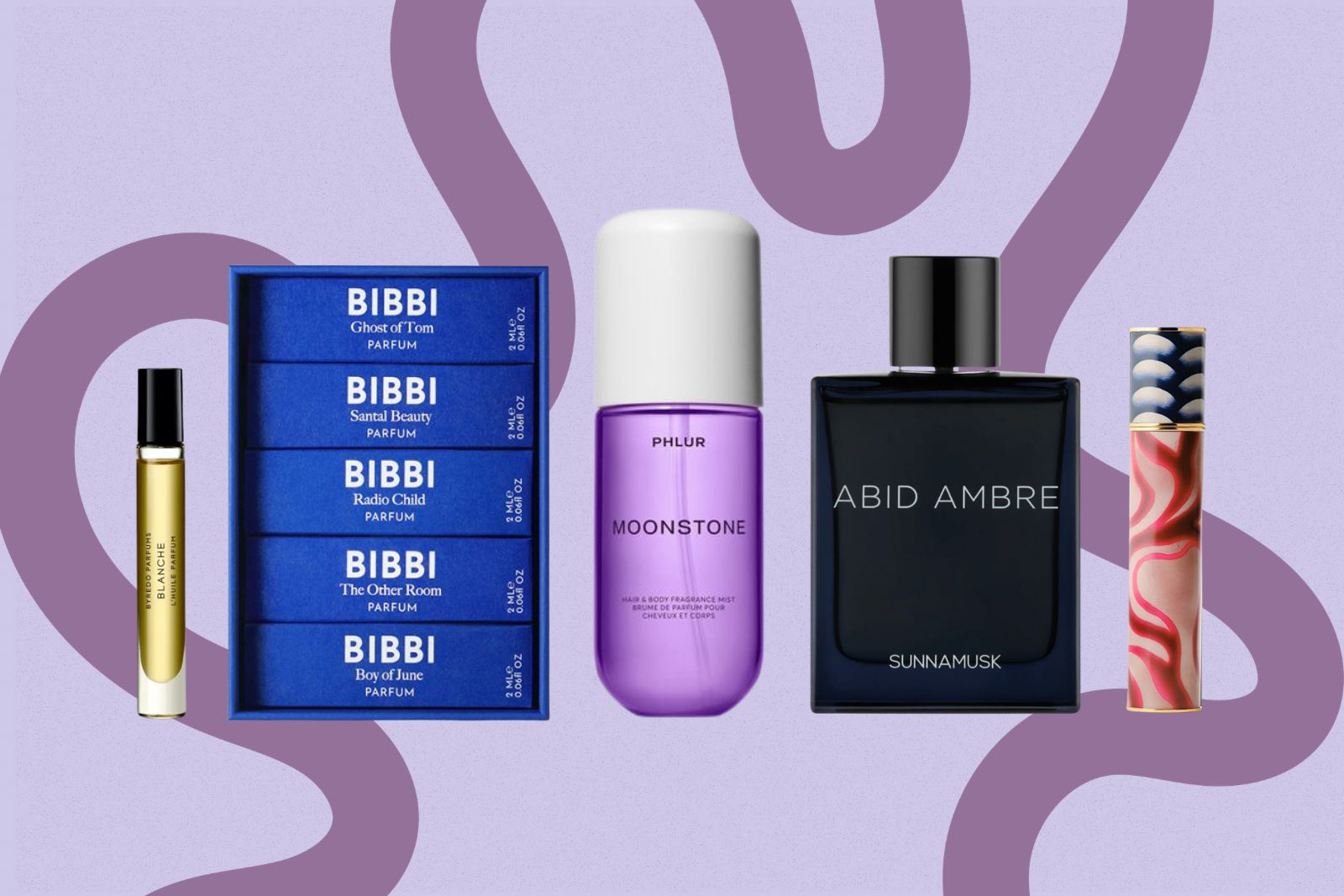
Eau de parfum — which contains a higher concentration of the fragrance oils that define a scent, as opposed to eau de toilette which is often lighter, fresher and less expensive — can be swapped out for more affordable body mists or potent roll-on oils. Byredo’s roll-on perfumed oil is my personal favourite and is alcohol-free. If you’re on a budget, scent-stacking can be as simple as moisturising with your favourite body lotion and adding a fragranced dusting powder.
Related content
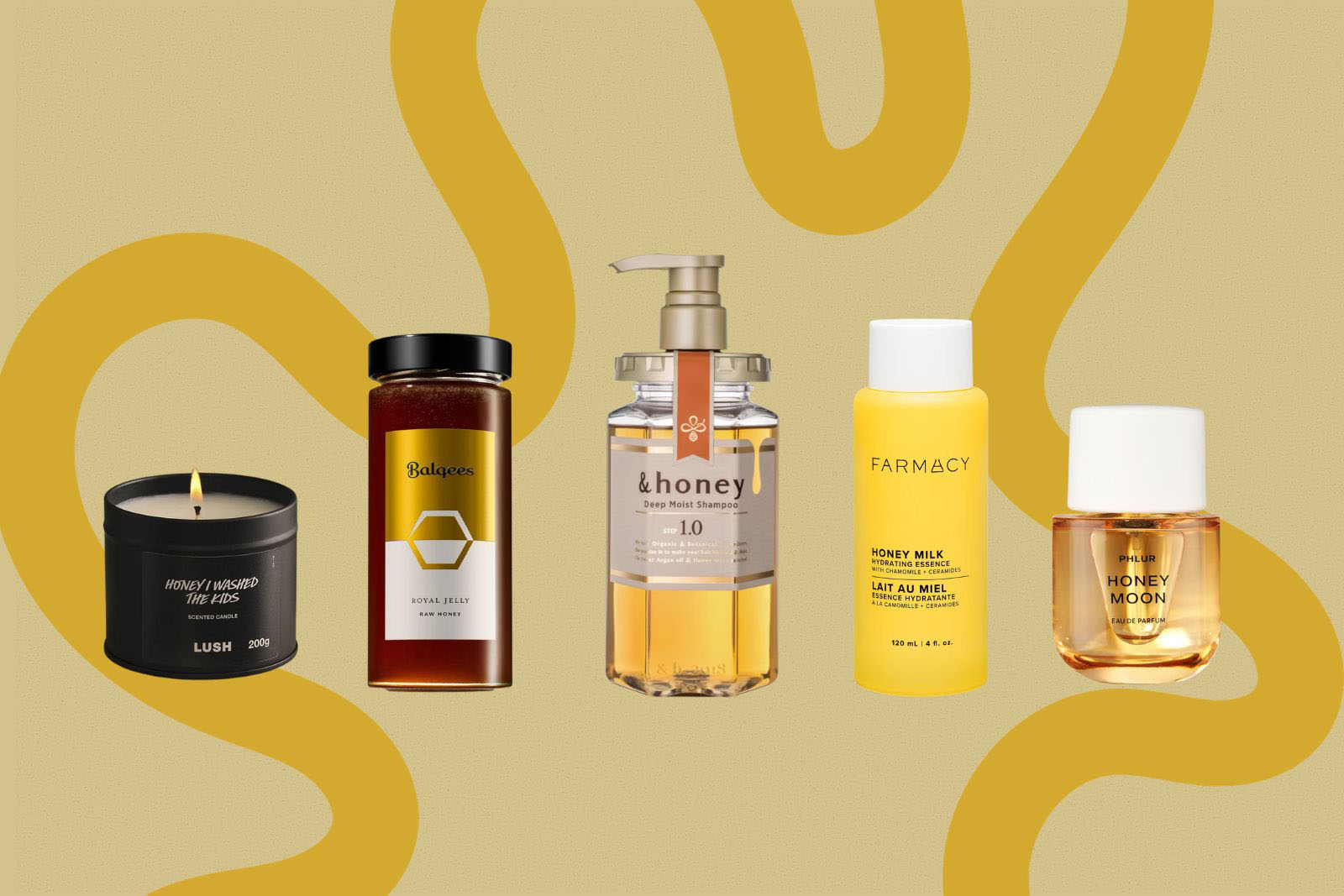
For those with more to spend, Vyrao, founded by Lebanese-Australian entrepreneur Yasmin Sewell, has a selection of scents linked to different emotional benefits such as mindfulness in both eau de parfum and cream. Contemporary fragrance favourite Phlur offers scented hair and body mists, body oil and deodorant, alongside their eau de parfums.
Sunnamusk, a British fragrance house, takes inspiration from traditional Levantine fragrances and sunnah ingredients. Its unisex scents are available in both eau de parfum and perfume oil. Best-selling Abid Ambre features citrus top notes with a floral heart of jasmine and orange blossom, and a sandalwood and amber base.
If you’re looking to try before you invest, many brands including Malin + Goetz, Maison Margiela, Penhaligon’s, and BIBBI sell sample sets. Dries van Noten’s Collection Modepaleis is on my wishlist by virtue of how beautiful it looks alone, and is also redeemable against any full-size eau de parfum in case you fall in love with a particular fragrance. Who knows, maybe you’ll decide you do still want a signature scent after all.