
New hijab brand Iftin puts Muslim women at the forefront of fashion
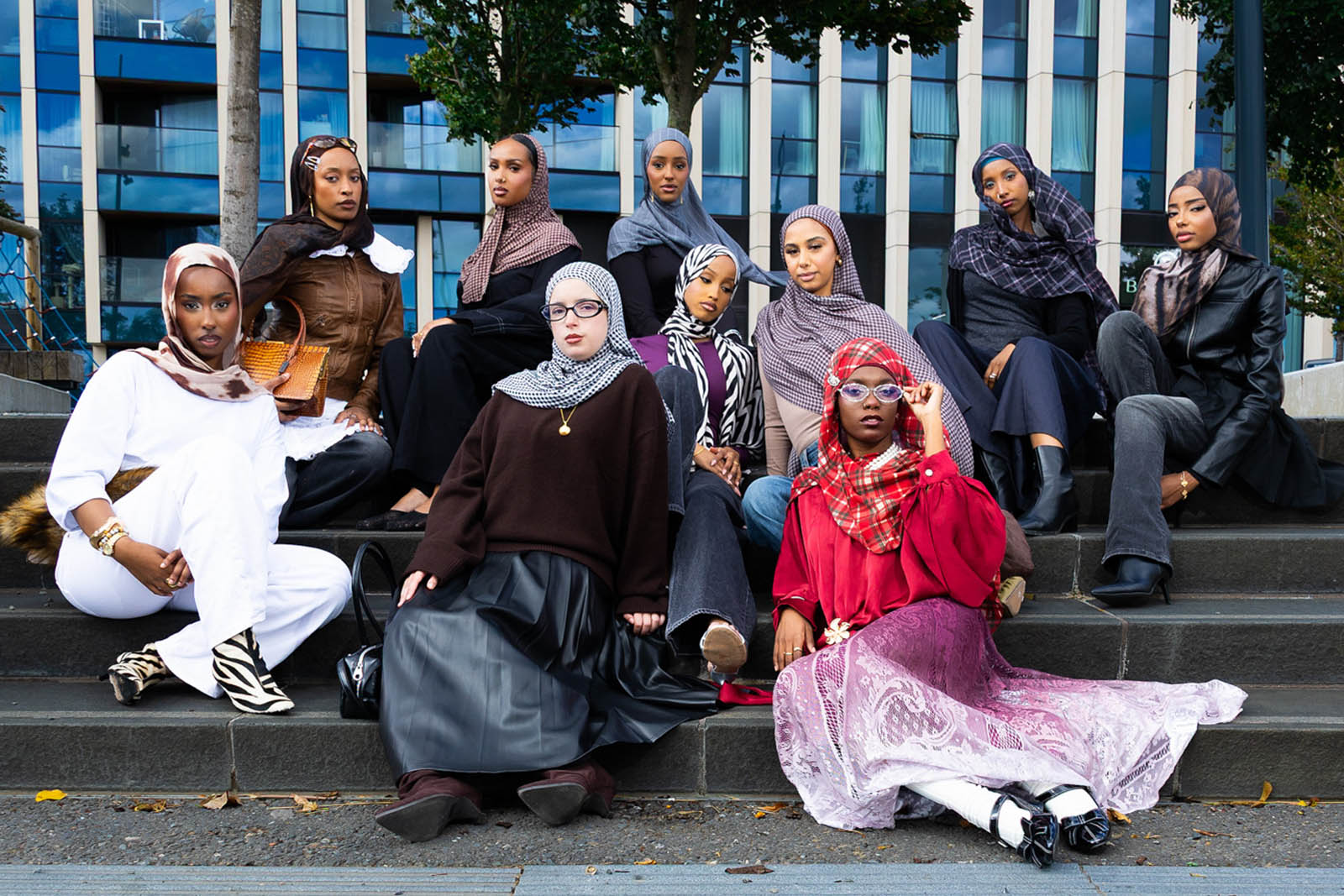
A new generation of designers and models are making their own rules and defining what style means to them
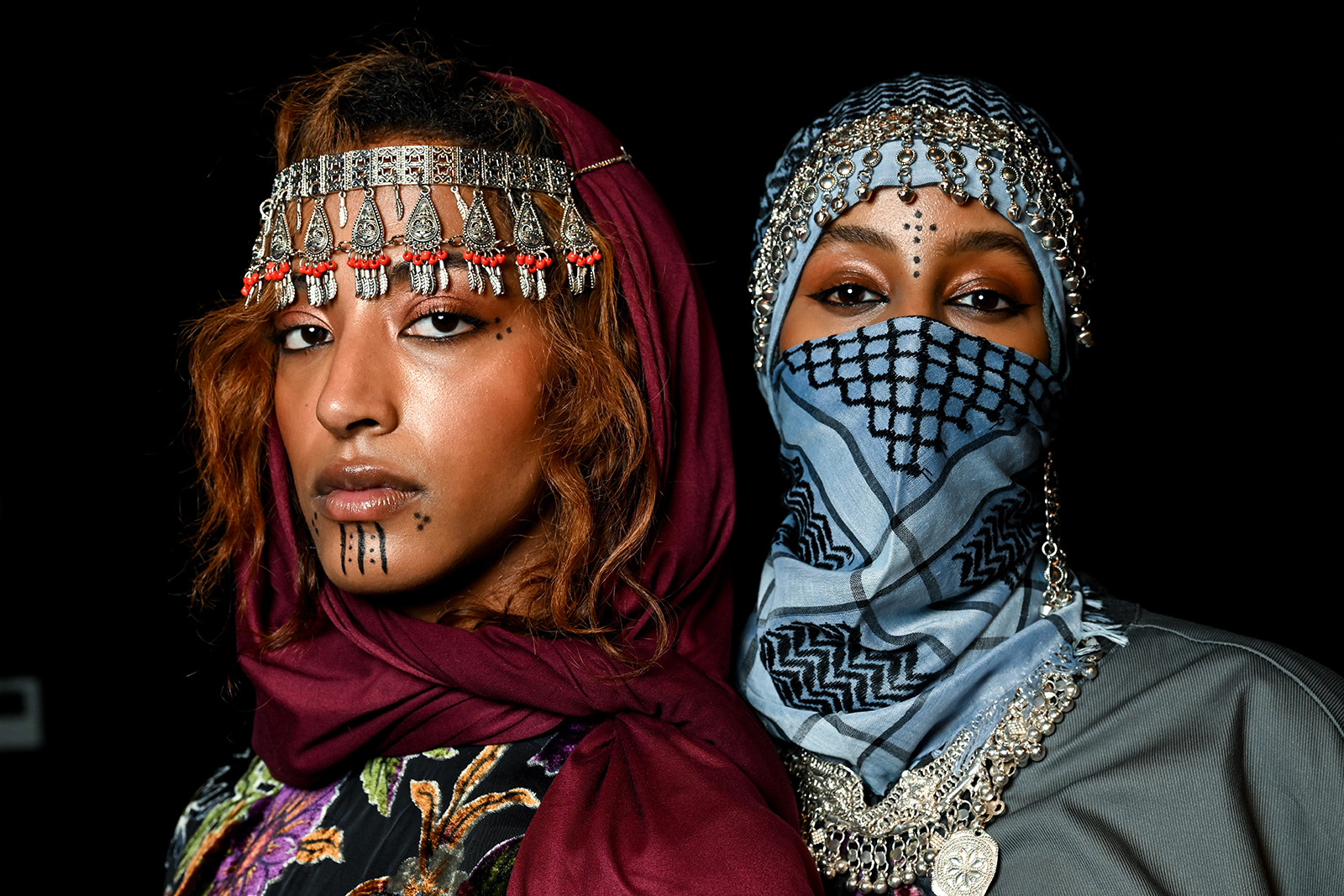
It’s the first day of London Fashion Week (LFW) and I’m sitting in on a shoot. There are photographers, stylists, makeup artists and off-duty models making TikToks — all the usual things you’d expect to see in such an environment. The difference is that almost everyone here is a hijab-wearing Muslim woman, a demographic still severely underrepresented in the industry, both on the runway and behind the scenes.
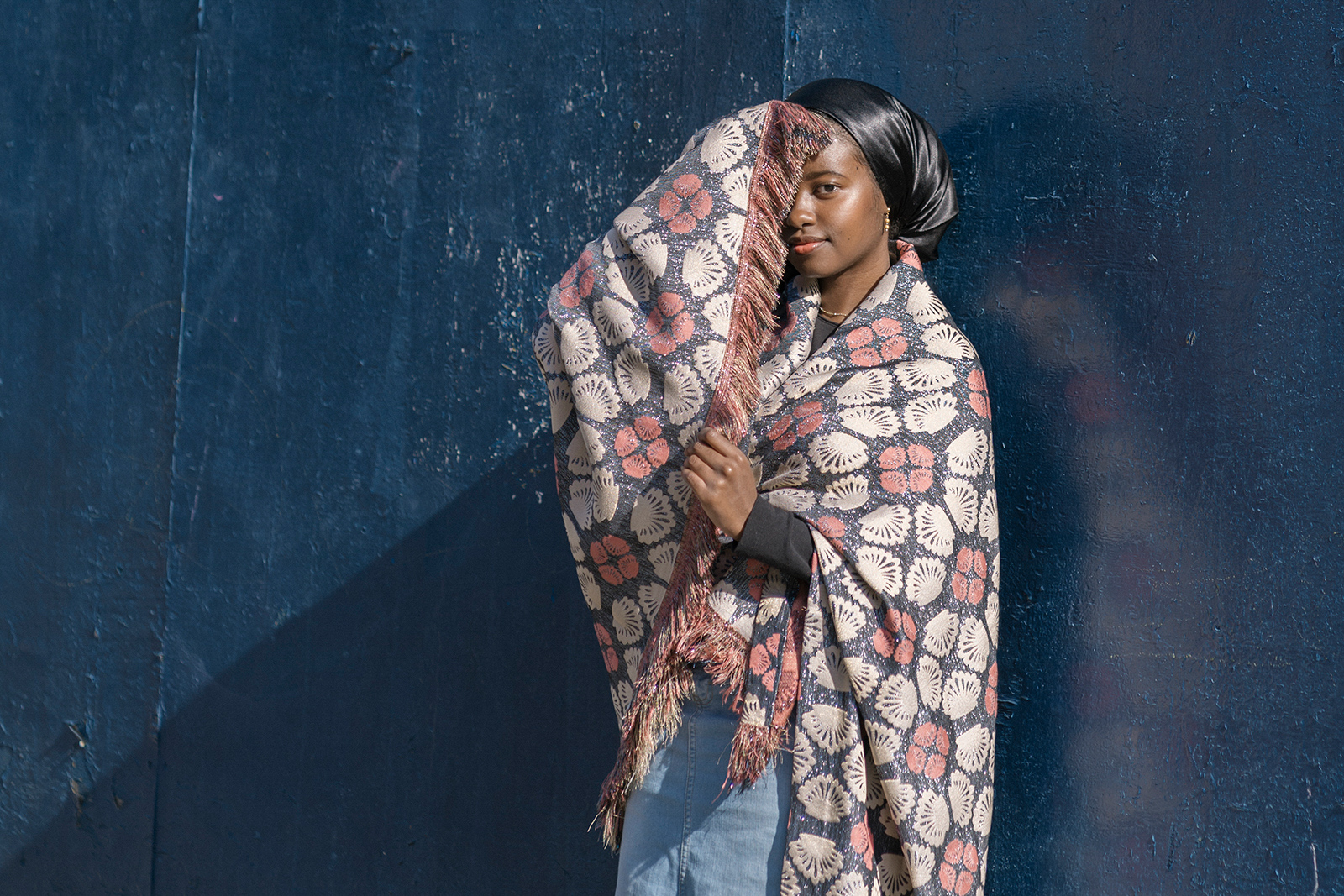
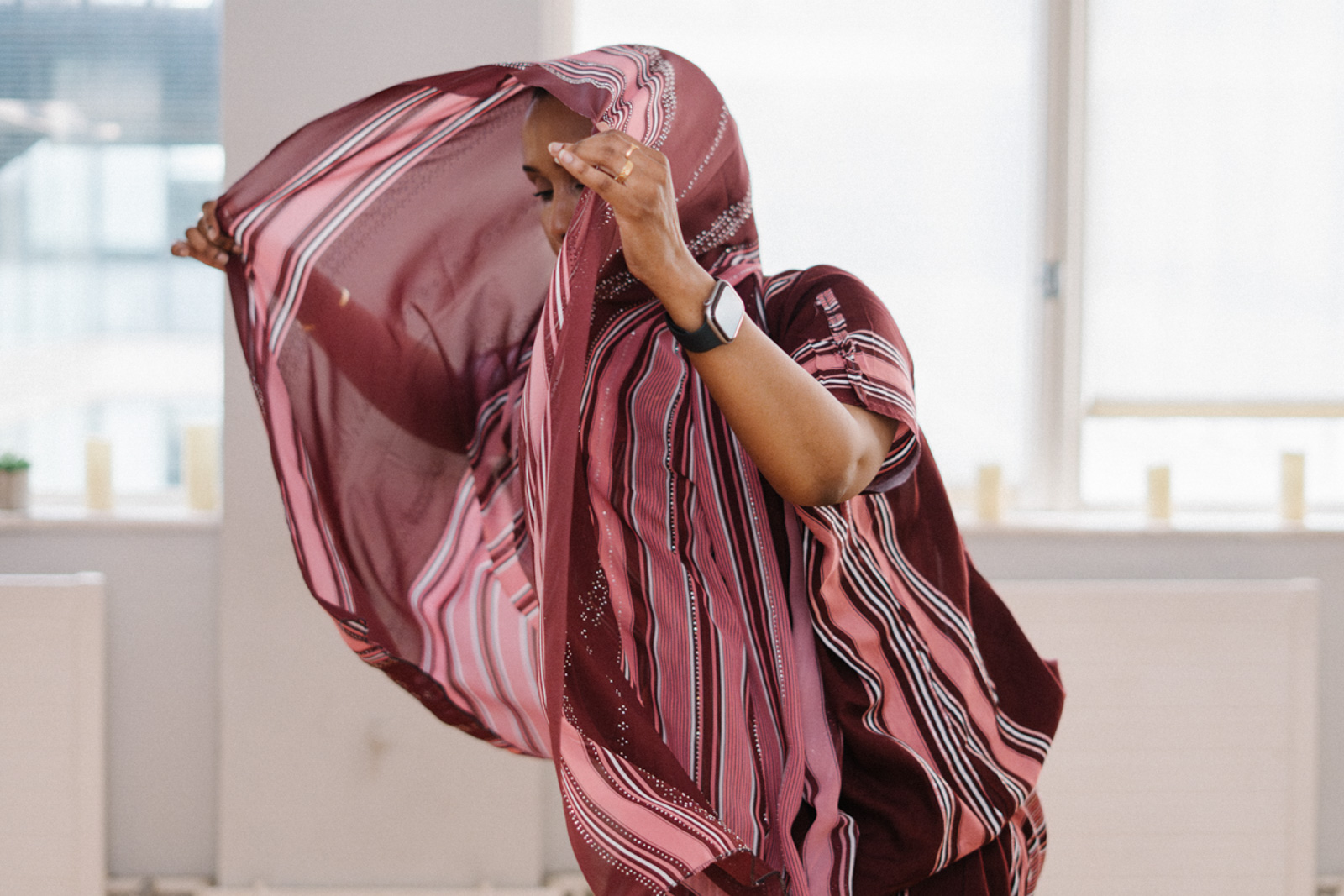
With that in mind, Birmingham-based contemporary hijab brand Iftin decided to mark LFW 2026 by imagining a different world: one in which the hijab is normalised and the needs of hijab-wearing women are recognised.
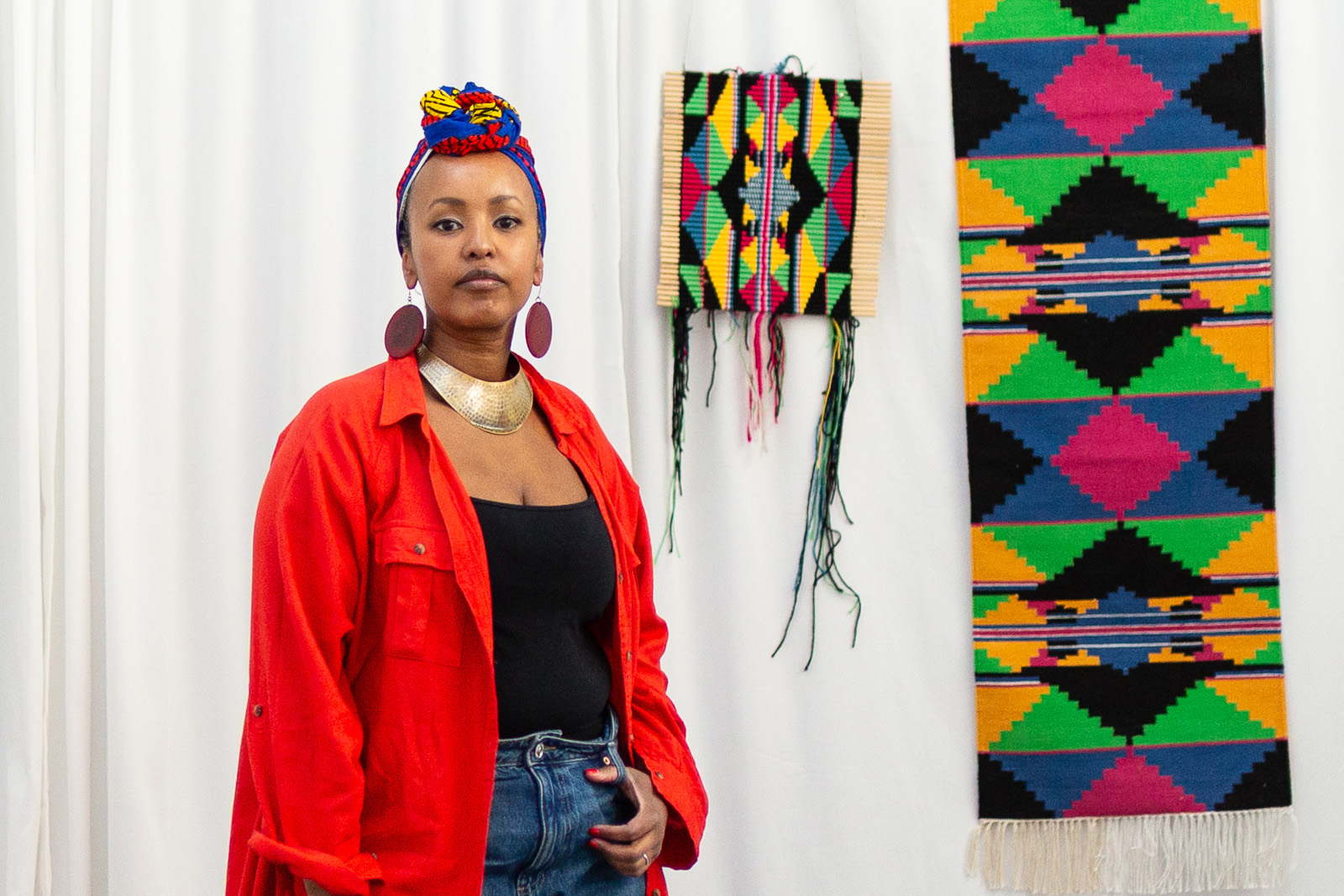
Founder Ajan Mohamed is overseeing a short fictional film inspired by the fearlessness of a new generation of Muslim women and the barriers they still face when trying to break into the world of fashion.
“Some of the girls here have been scouted [by modelling agencies] while walking down the street, then been rejected when they’ve showed up at castings because they’ve been reluctant to remove their hijabs,” says Mohamed. “The message that we’re putting out is that this generation of hijabis, we’re not following traditional routes and the traditional norms — we’re putting ourselves forward and we’re breaking into the industry on our own terms.”
“I’ve experienced a lack of people to help me style my hijab or even know what to do with it,” says Saniya, a model and youth worker of Pakistani origin. “When doing the runway, they’ll ask you to take off your hijab, or style it as a turban, or not allow full coverage. In the industry there is still a lack of people that are willing to allow hijabis to literally just be hijabis.”
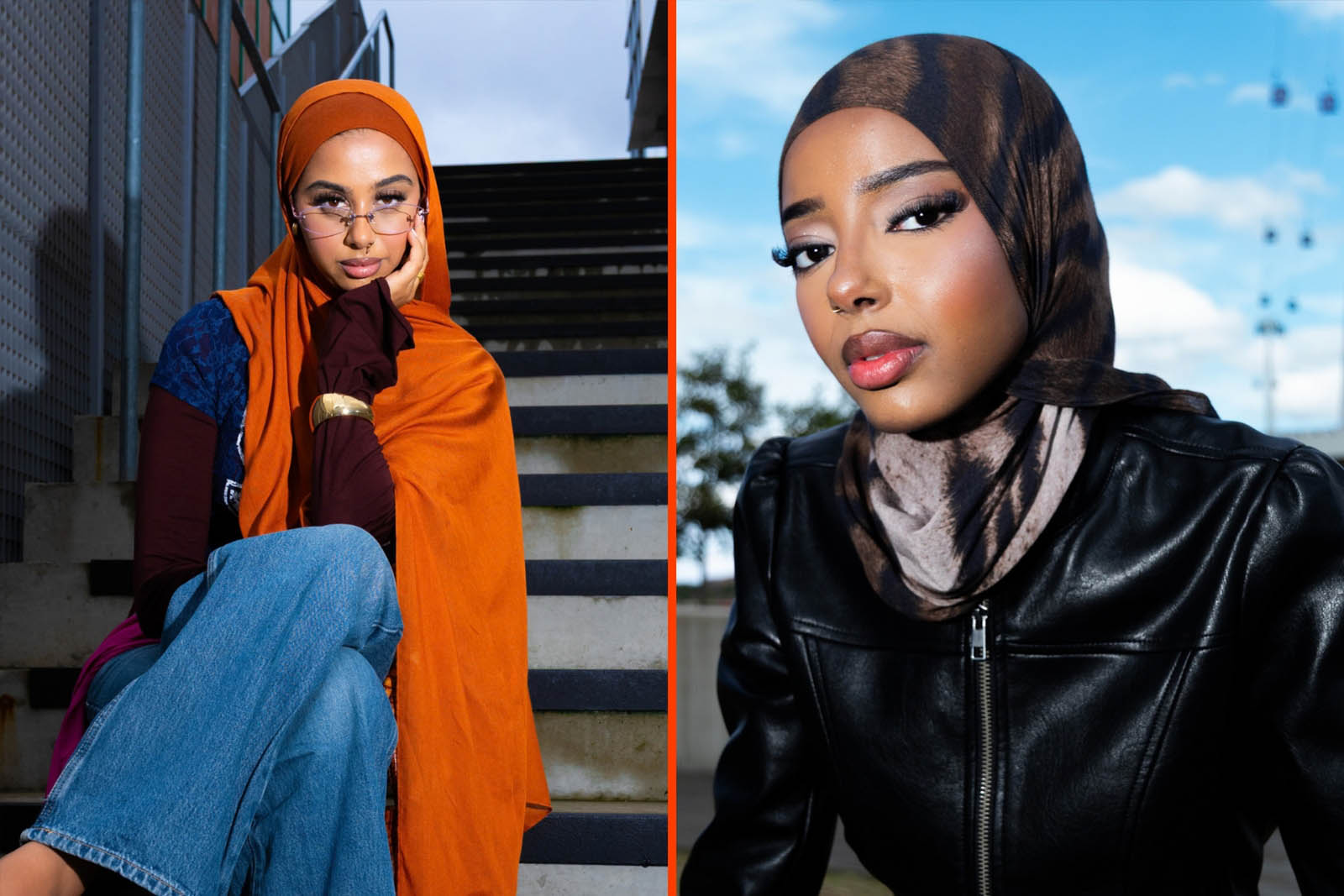
Where previous generations of models and designers may have once waited to be discovered by the fashion mainstream or shied away from the spotlight altogether, the women here are taking matters into their own hands, harnessing the power of social media.
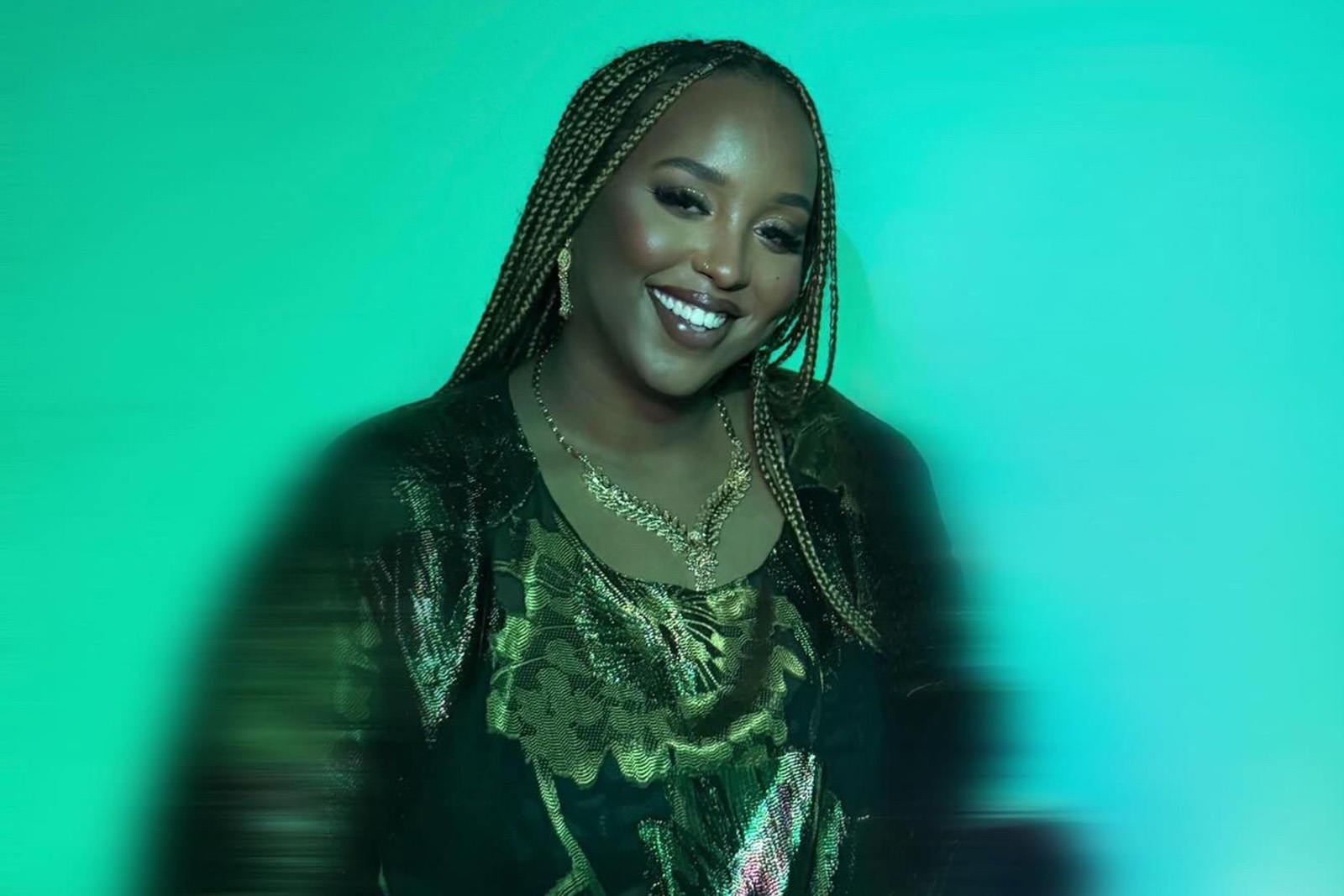
The film follows Juwayriya Ali, a hijab-wearing Somali model who, when confronted with the common problems faced by many Muslim women attempting to enter the industry, daydreams about a different world in which a modelling agency is run entirely by Muslim women who understand her needs and boundaries. Back in reality, she decides to forge her own path with the help of her friends.
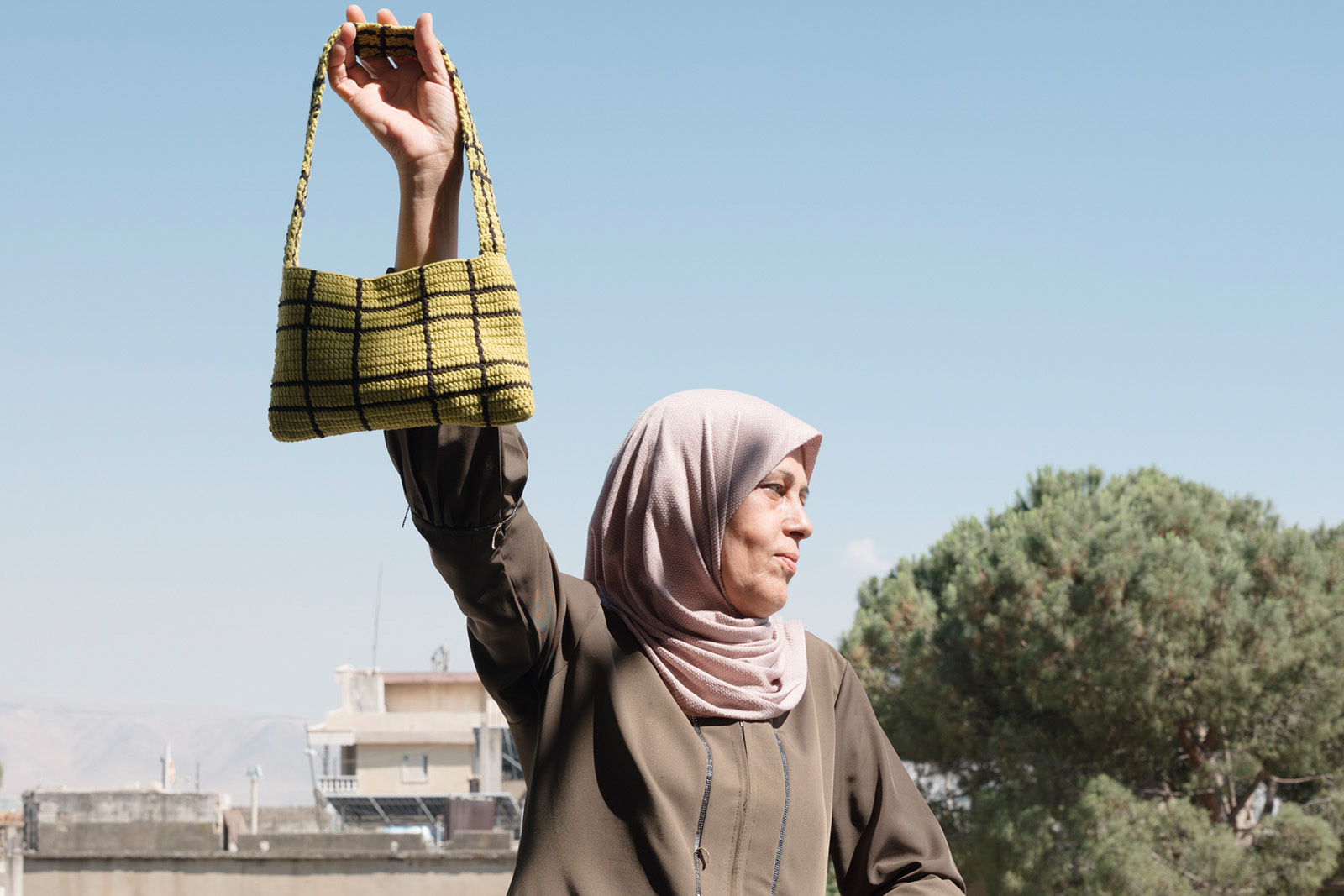
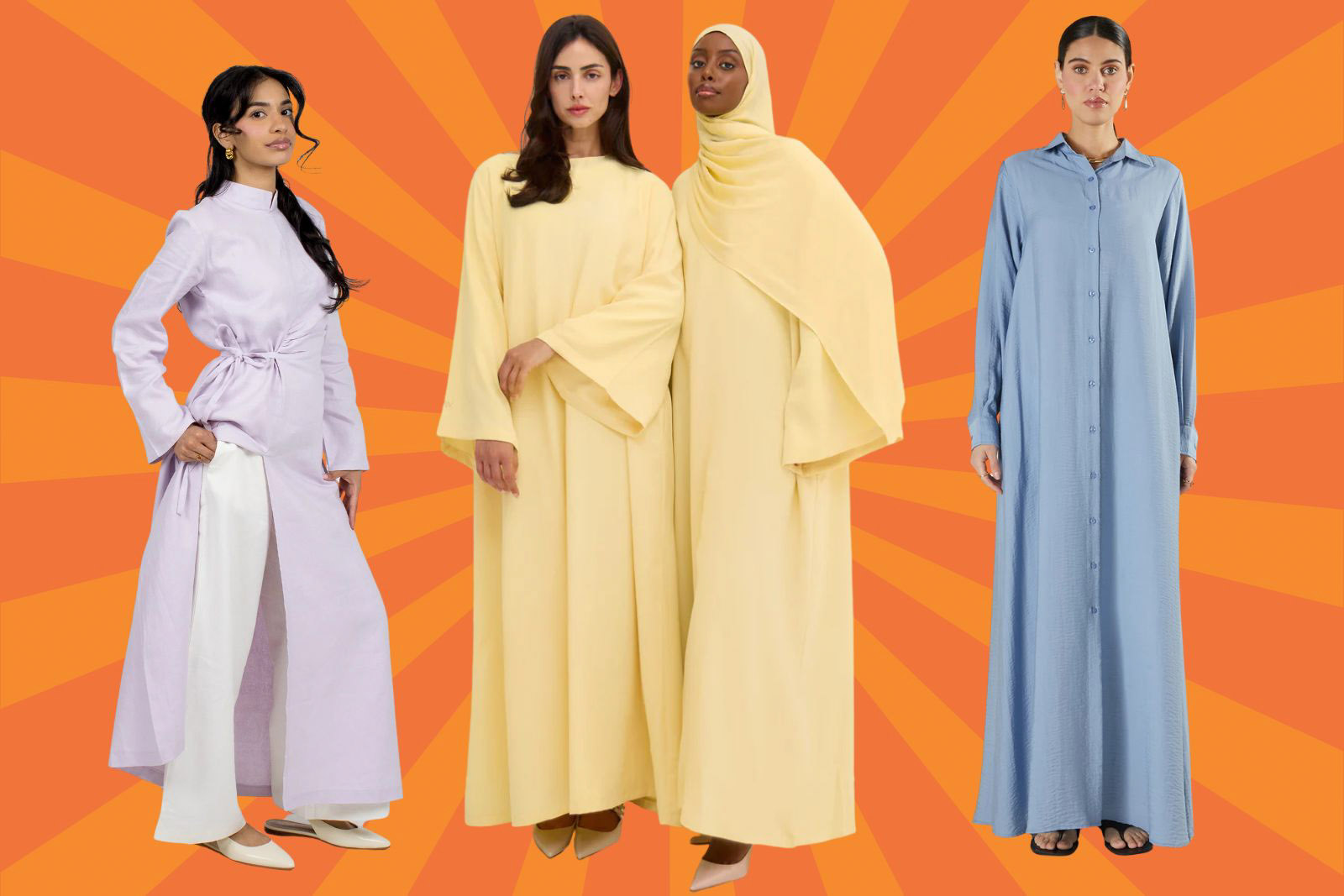
Iftin was created by Mohamed less than a year ago and was born out of a frustration with finding fun and fashionable hijabs without paying extortionate international shipping costs. Taking inspiration from magazines, social media, street style and her Somali heritage, she sketches and illustrates the designs herself, then works with manufacturers in China to create the final products.
“We have a lot of bright-coloured hijabs and prints because it complements darker skins. I try to keep the prints stylish — animal prints are really big lately and, now that we’re creeping into autumn, there’s a lot of plaid and gingham.”
For Mohamed, instead of being something that ruins your outfit, a hijab can instead be an accessory through which you express your personal style.
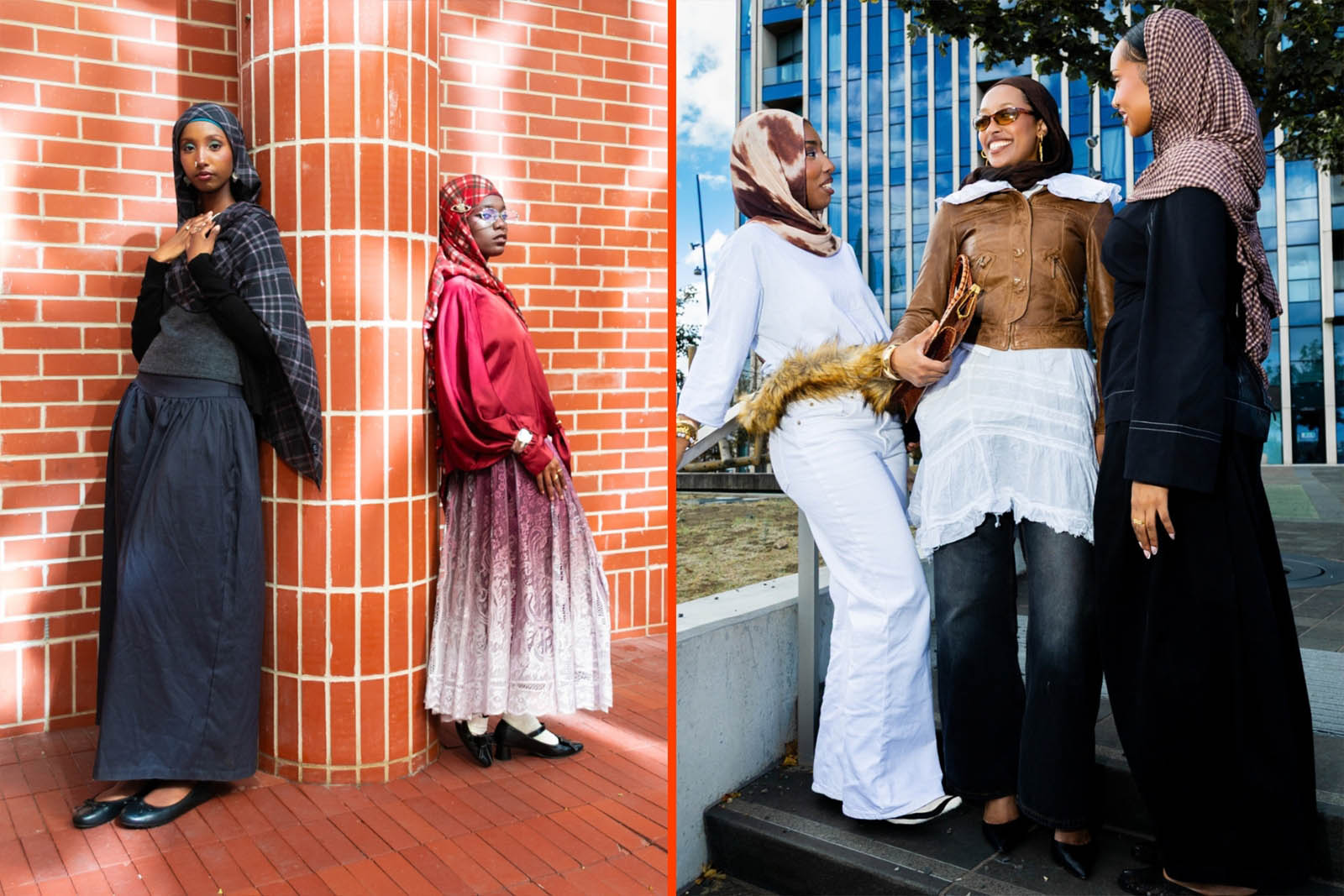
“I would love to see it normalised to the point that it’s clear that we are here, we do exist, we are your customers as well,” she says, mentioning that both Uniqlo and Asos have begun to stock hijabs and modest wear.
“I want Iftin to welcome the girls that feel they want to wear hijab, but they’re not necessarily conservative, strict Muslims. I believe that Islam and being a Muslim is a personal journey with God, so for you to have to fit in with everyone else… I don’t think that that was the way that it was intended.”
Conservative values and a certain level of cultural stigma around modelling or working in fashion can also present roadblocks to women who wish to become involved in the industry, but those attitudes do seem to be changing.
“It might not be your norm, but we’re very much used to seeing our peers,” says Laila, a model and fashion brand owner, when asked about using social media for self-promotion. “We don’t really care too much what other people are thinking, and that includes aunties and uncles and extended family. I think the more you say that, they are confused at first, but they do slowly get behind it. That’s been the case for me.”
Ameera, a makeup artist and pharmacist, agrees. “With my parents, they just want to see that you’ve got purpose behind you,” she says. “Once they understood, ‘OK, this is your expression, this is your happy place,’ they were like, ‘We don’t care what anyone thinks, even if it’s another family member.’”
For Mohamed, the dream is that, one day, Iftin and other Muslim-owned brands showing at LFW will be viewed simply as part of the UK’s broader fashion scene.
“Muslims aren’t something that’s just going to go away,” she says. “Naturally, a part of us will always be our heritage and where we’ve come from, but our everyday life is here and, just like any normal teenager or young adult finds joy in things that are part of British culture, we also do.”