
London Fashion Week: four designers to look out for reflecting the city’s diverse cultures
From Lebanese glamour to Afro-Asian luxury, these are the brands to have on your radar this season
London Fashion Week (LFW) returns from 17 to 21 September, bringing together some of the biggest names in fashion alongside emerging designers and a wider programme of events across the capital.
From Afro-Asian luxury and British-Yemeni streetwear to Lebanese glamour and Bangladeshi craftsmanship, these are the designers to have on your radar.
Whether they are featuring in this year’s programme or have made their mark at LFW in previous seasons, they reflect the diverse cultures and communities that have helped shape London’s fashion scene.
Nadine Merabi
Lebanese-British designer Nadine Merabi will feature at this year’s LFW with an exclusive cocktail hour celebrating the brand. It is known for glamorous occasionwear, including heavily embellished dresses and jumpsuits, as well as feathered and sequinned pieces.
Before entering the fashion world, Merabi spent 10 years playing hockey for England, followed by a career in events planning.
Frustrated by the poor fit, high prices and lack of originality of occasionwear, she began making her own pieces. The Manchester-based designer launched her label in 2015 with £250 after teaching herself to sew, starting from her parents’ home.
Six months after launching, the brand secured its first wholesale order with Selfridges and has now grown into a £40m business. Her Lebanese heritage and British upbringing influence her designs, which are created for what the brand calls “life’s unforgettable occasions”.
Bora Aksu
Known for his ethereal, romantic designs, Turkish designer Bora Aksu has been showing at London Fashion Week since 2003 and his designs will return to the catwalk this September.
Aksu founded his label in 2002 after graduating from Central Saint Martins, whose MA Fashion graduate show is an official fixture at LFW. Domenico Dolce and Stefano Gabbana bought pieces from Aksu’s MA collection, helping launch his career.
His previous collections have featured soft tailoring, flowing shapes and layered fabrics, alongside intricate detailing and muted colours. Aksu builds his collections around women from history, particularly those whose strength and stories have been overlooked. His most recent collection was inspired by the story of Sukie, an 18th- century barmaid from Buckinghamshire whose tragic death became the basis of a local ghost story.
Aksu’s Turkish roots play a huge role in his designs, alongside the influence of his grandmother and aunt, who taught him the value of making things by hand. Their influence can be seen in his focus on embroidery and detailed craftsmanship.
Kazna Asker
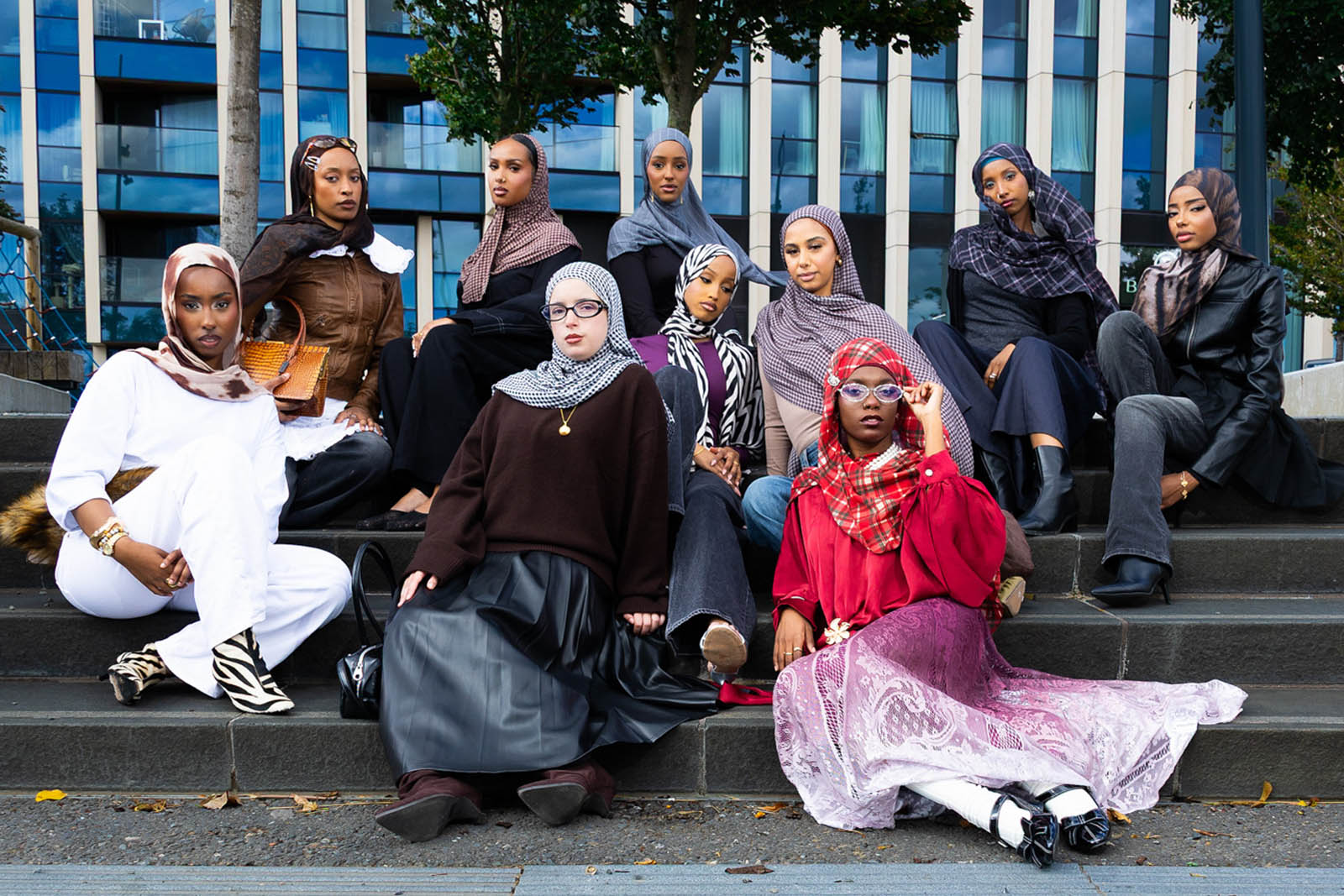
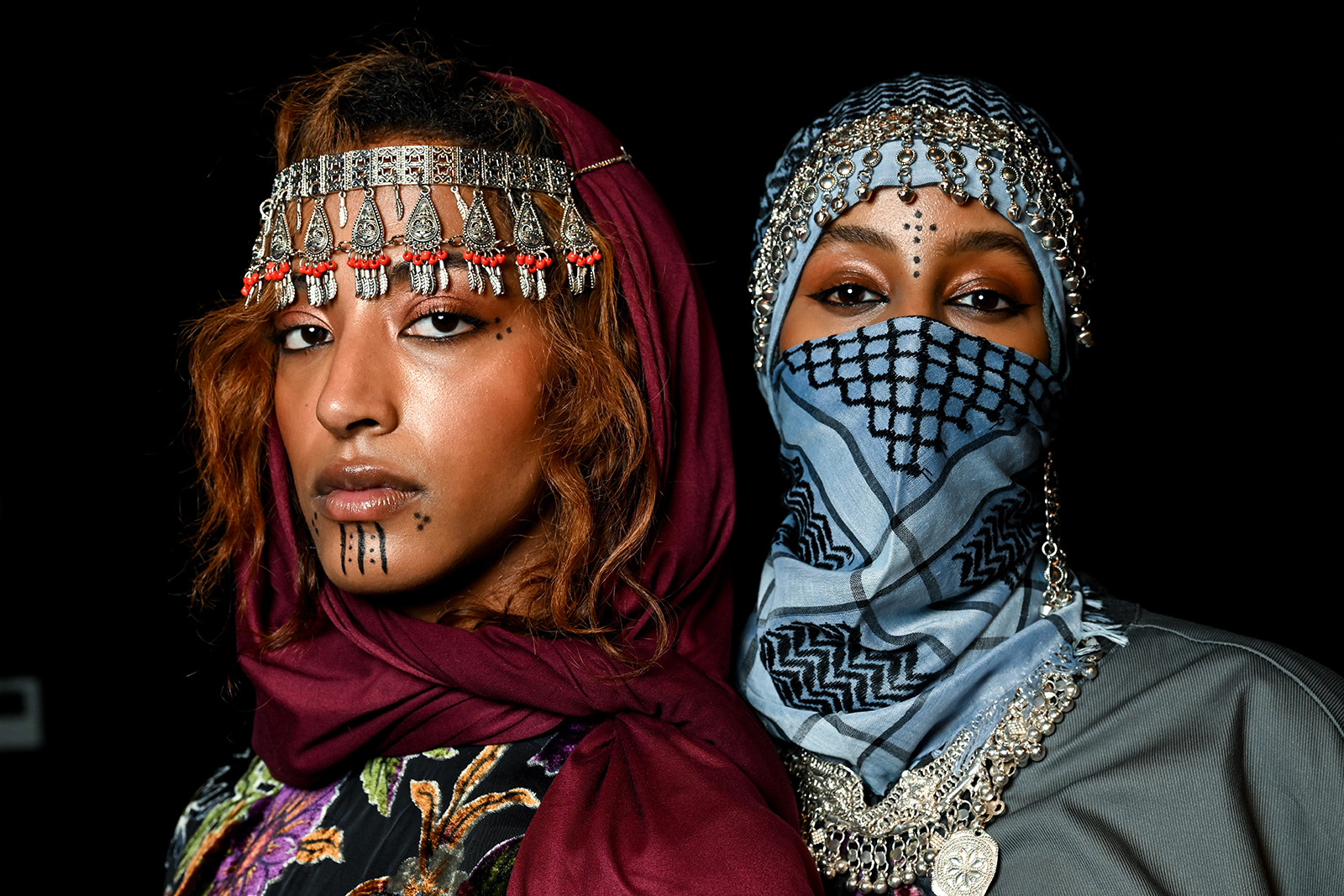
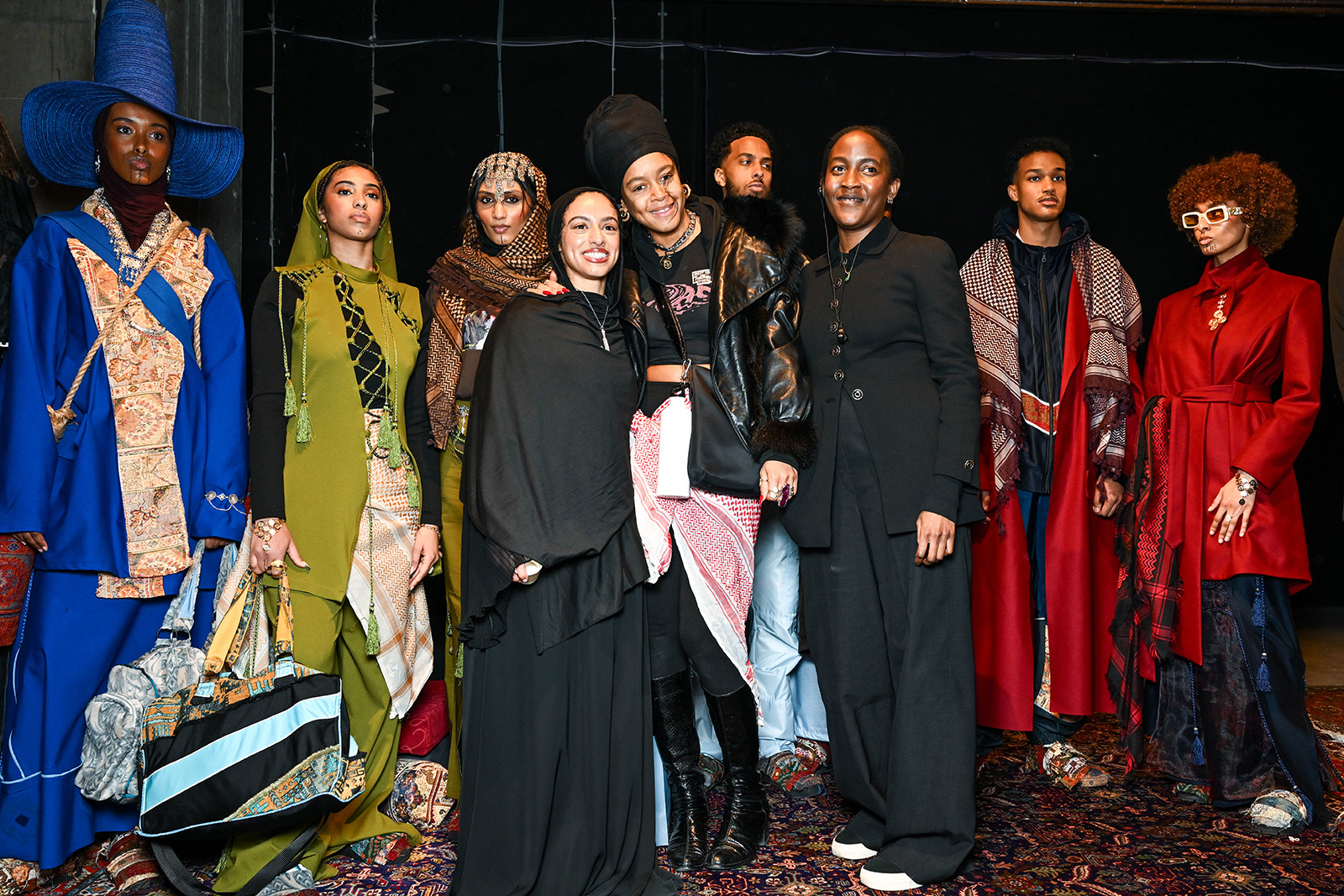
British-Yemeni designer Kazna Asker has built her brand around faith, heritage and activism.
Asker was the first student to showcase hijabs on the runway at Central Saint Martins’ MA fashion show in 2022, and was subsequently selected for the British Fashion Council’s Newgen programme.
Raised in Sheffield’s Burngreave neighbourhood, home to a large Yemeni community, Asker draws on her heritage to create contemporary pieces that combine traditional Islamic dress with streetwear. Her collections include tracksuits, jilbabs, abayas and chadors, with each garment handsewn in her London studio using upcycled and repurposed fabrics.
She has used her shows at London Fashion Week as a platform for other creatives. In September 2025, she swapped the traditional runway for a two-day pop-up as part of London Fashion Week’s City Wide Celebration, hosting a souk with Tank magazine showcasing businesses and creatives from south-west Asia and North Africa, including Palestinian embroidery and Sudanese soap.
DIJÁGO
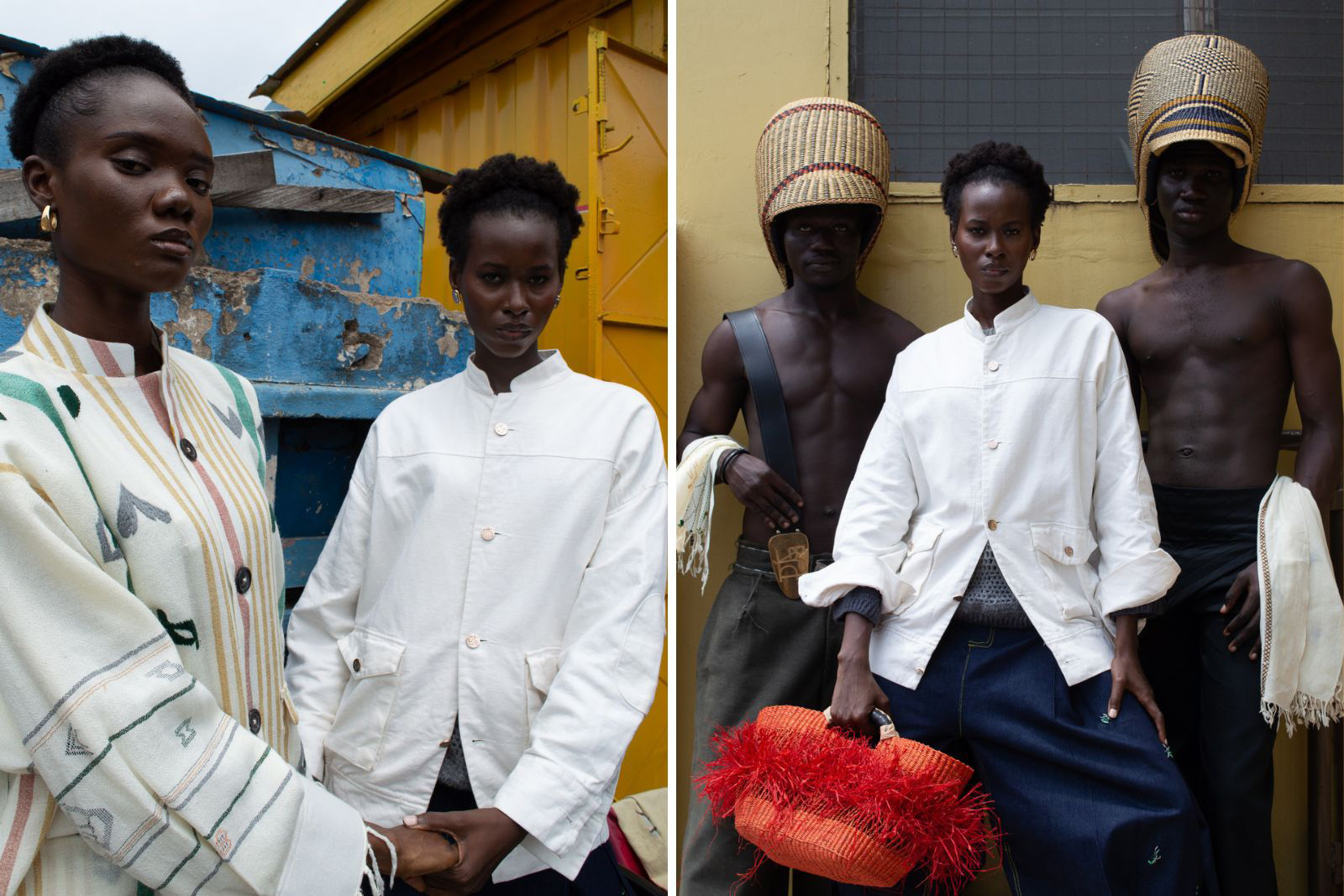
Co-founded by Pakistani designer Khudija Zaib Lughmani and Ghanaian-Namibian designer Gracey Owusu-Agyemang, DIJÁGO is a London-based luxury brand that draws on the founders’ Afro-Asian heritage and shared interest in sustainability.
The pair met while studying fashion design at Regent’s University London, launching the brand in 2022. Its collections combine Pakistani embroidery techniques with West African influences, using materials such as Zambian cotton and working with artisans in Pakistan. Some pieces also incorporate traditional Ghanaian symbols and motifs.
DIJÁGO presented its debut collection, Badlav, digitally at LFW in 2023. It featured pieces including a military-inspired wax cargo skirt and a sculptural top. The duo’s second collection, Ek Sien Jou, which brought together Pakistani architectural patterns and West African textiles, showed the following year as part of the official LFW schedule.
Its approach to luxury is deliberately slow — it produces a small number of new pieces each year, with many made to order, while prioritising natural materials and techniques.