New resource aims to boost schools’ confidence in teaching Islam
The charity RE Today launches Understanding Muslims, Understanding Islam series amid concerns about the quality of RE education across England
Religious education (RE) teachers across the UK are being encouraged to use a new compendium of lesson plans, case studies and first-hand accounts from dozens of British Muslims to help them teach Islam with greater confidence.
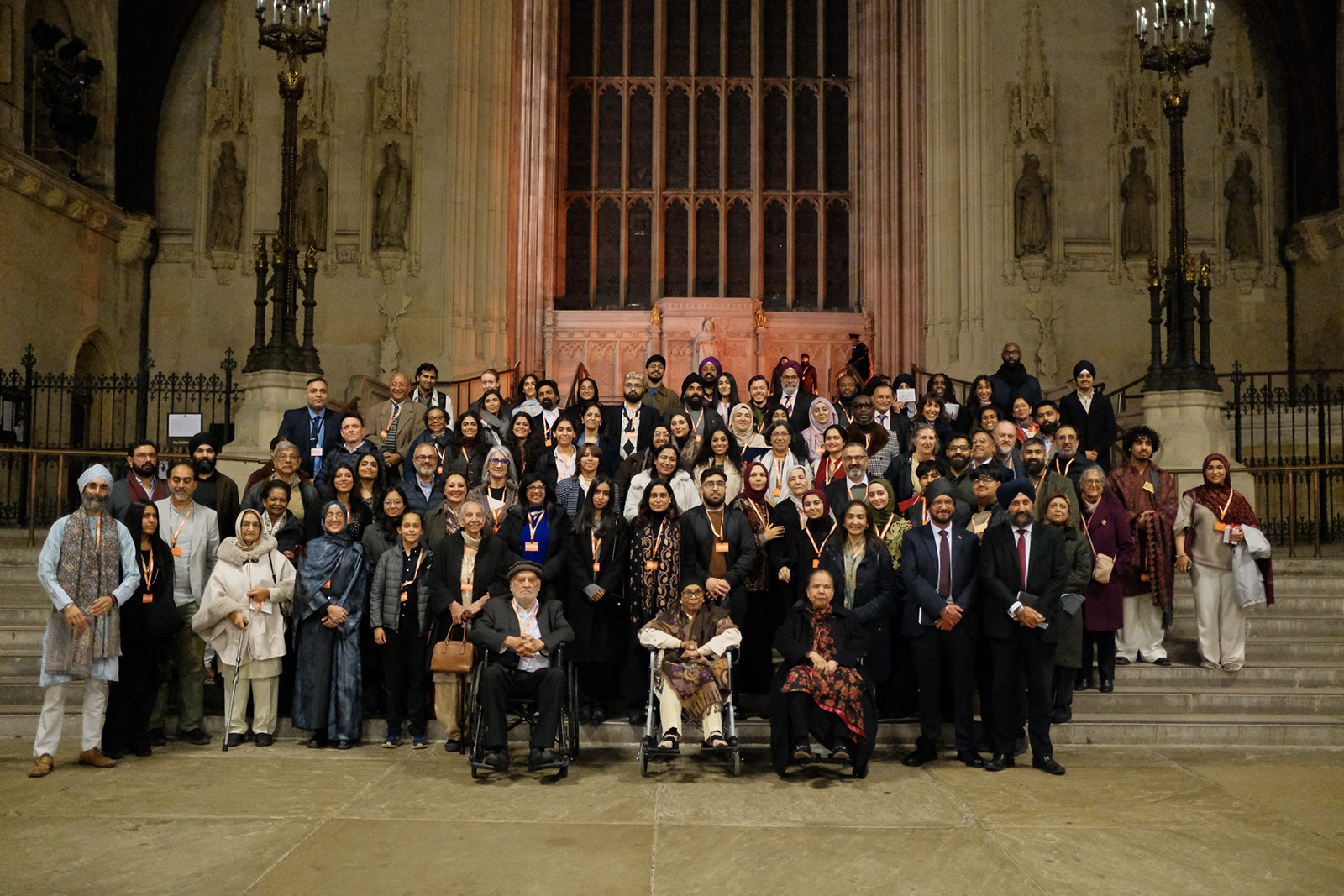
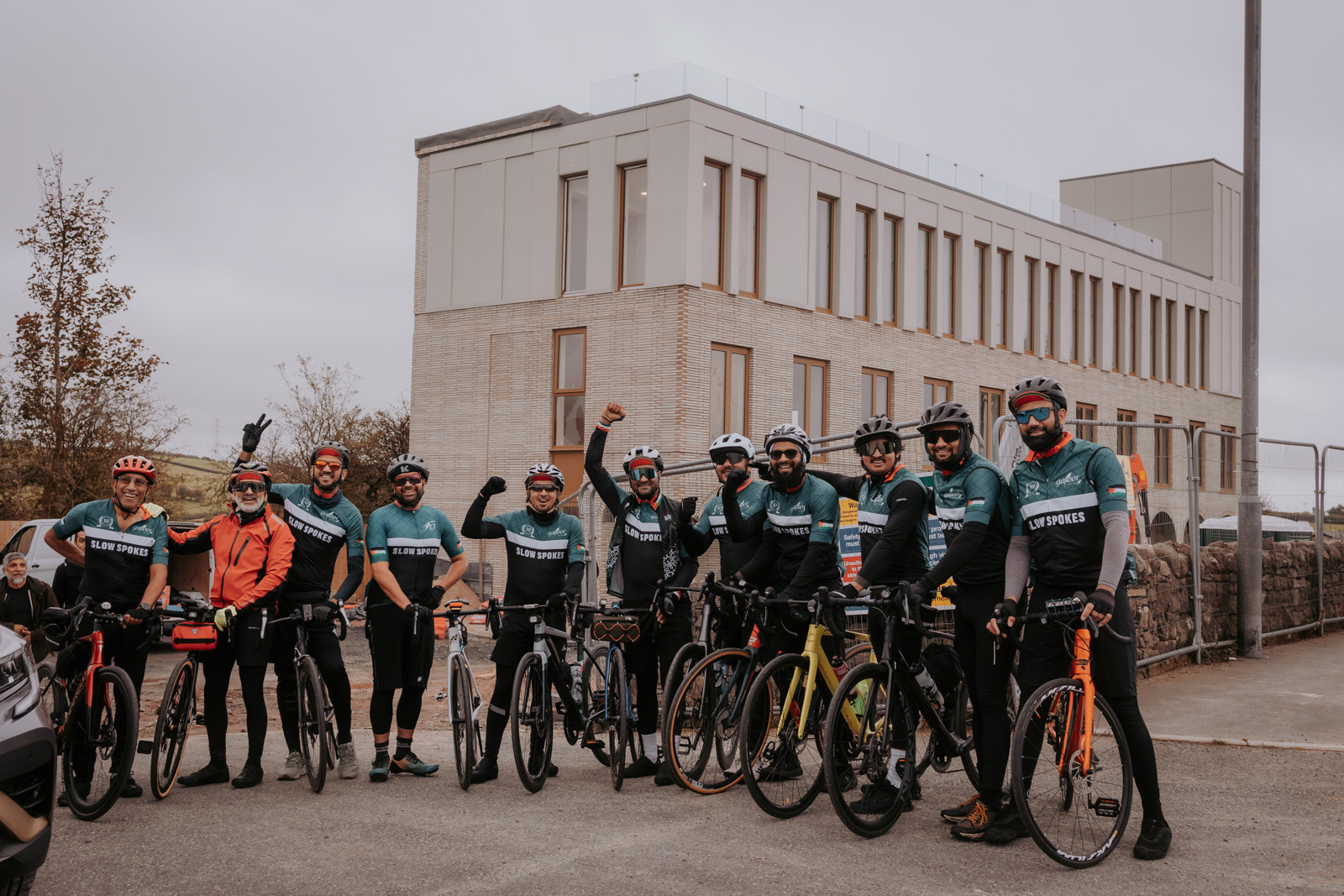
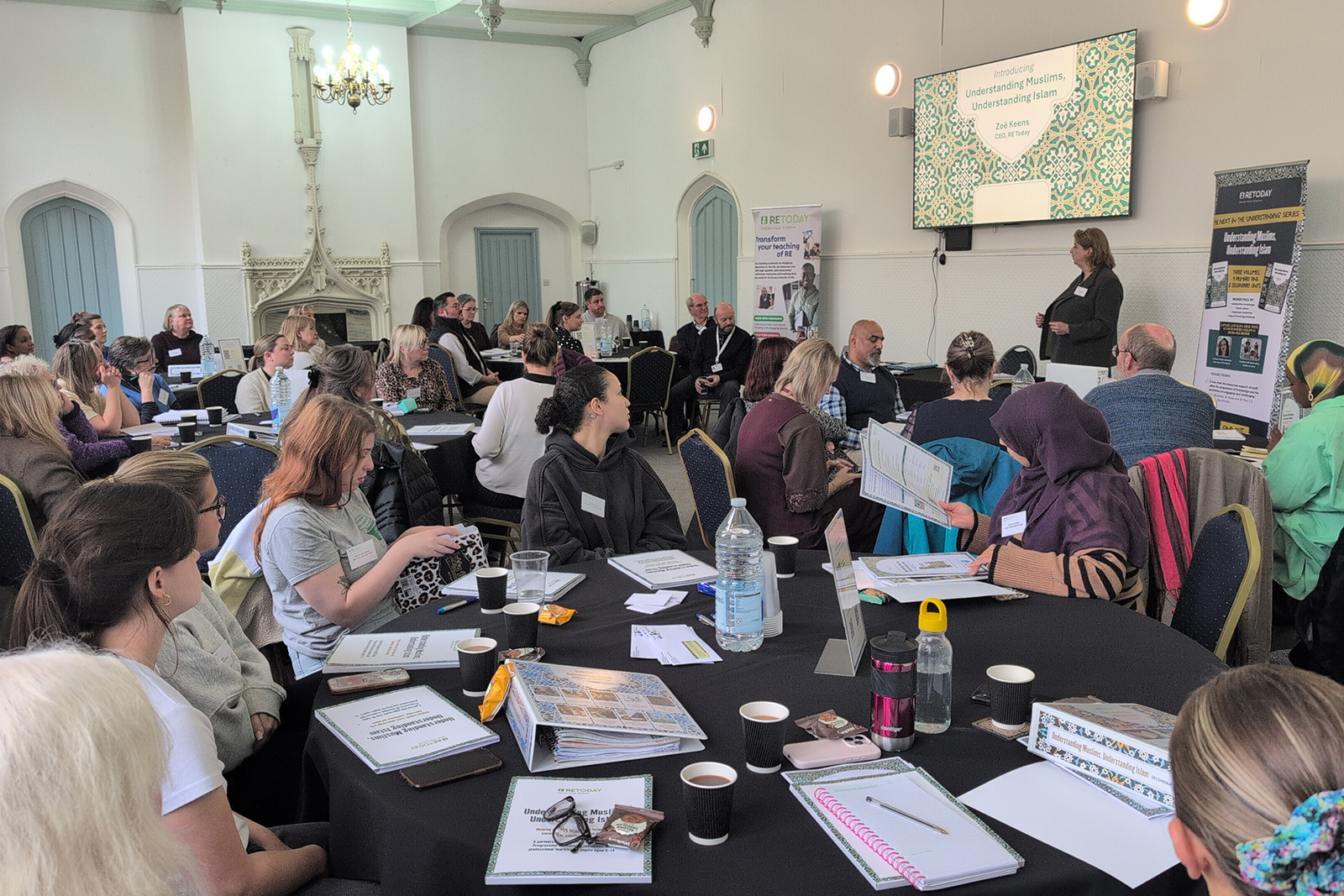
RE Today, a charity supporting teachers and schools with religious education, launched the Understanding Muslims, Understanding Islam series, designed to help teach pupils aged five to 14, at the British Muslim Heritage Centre in Manchester on 19 October.
Related content
It comes amid persistent concerns about the quality of RE teaching in schools, particularly when it comes to Islam. Although RE is compulsory in state-funded schools in England and Wales, it is not part of the national curriculum and its content is not set nationally. Schools generally follow a syllabus agreed locally, contributing to a variation in what pupils are taught.
A primary school teacher who spoke at the launch said she had initially approached teaching RE with little subject knowledge.
“I was literally walking into the lessons thinking: ‘Don’t ask me any questions; I know this, I don’t know anything else,’” she said.
She said the books and resources had helped her teach Islam in greater depth. Using the first volume, which was published in 2025, she introduced 18 new lessons into her existing RE teaching, which she described as “half an academic year” of quality RE. She also replaced an existing unit on pilgrimage with a six-week unit on Hajj.
The resource presents Islam as both a religious tradition and a lived faith, reflecting the diversity of the Muslim community, its beliefs, practices and experiences. Schools can purchase the materials through RE Today. They have already been trialled in schools, with teachers reporting that first-hand accounts and contemporary Muslim voices helped pupils explore the diversity of Islam.
A 2024 Ofsted report highlighted weaknesses in how RE was taught and learned in English schools, with the teaching lacking depth and containing misconceptions about religious traditions. The problem is particularly acute for Islam. A 2020 poll by the National Association of Teachers of Religious Education (Natre) found that one in four primary and secondary teachers were not confident, not very confident, or unsure about teaching the religion; a 2018 Natre survey of primary teachers found just 52% were confident teaching Islam, compared with 95% for Christianity.
The new resource comes after news that the government plans to reform religious education, with a proposed national curriculum intended to improve the consistency and quality of teaching. As Hyphen reported in August, Muslim education leaders welcomed the plans but warned that improving RE would also depend on how it was delivered in classrooms, including giving teachers the knowledge and confidence to teach about faith accurately.
Huw Thomas, director of education for the Diocese of Sheffield, said teachers could feel particularly anxious about getting religious education wrong.
Related content
“I don’t think people worry so much that they might get geography or history wrong, but if you get RE wrong, you feel like you’ve done something that could insult or offend,” he told Hyphen at the launch.
Ian Nicholson, national RE adviser at RE Today, said teachers could sometimes present Islam as a single, uniform religion. “I think Islam is often taught as a monolithic religion and there’s not enough focus on the complexity of Muslim life today,” he said.
Nicholson said RE Today also had a team of advisers who could work with schools to develop teachers’ knowledge and understanding alongside the published materials.
Haneen Shubib, core team manager at Equilibria, an organisation that works with schools to improve understanding of Islam, said teachers had highlighted how reductive some existing resources could be.
“What is so important to them is that lived experience, which is something that was echoed in the resources. They very much are looking for that sense of diversity, the Muslim voices, and that lived experience,” she said.
Shazia Nayyar, Equilibria’s interfaith coordinator, said the work was about “breaking down barriers and building bridges really, within communities as well as schools”.