
Famous faces back mother and daughter’s campaign for partition memorial in UK
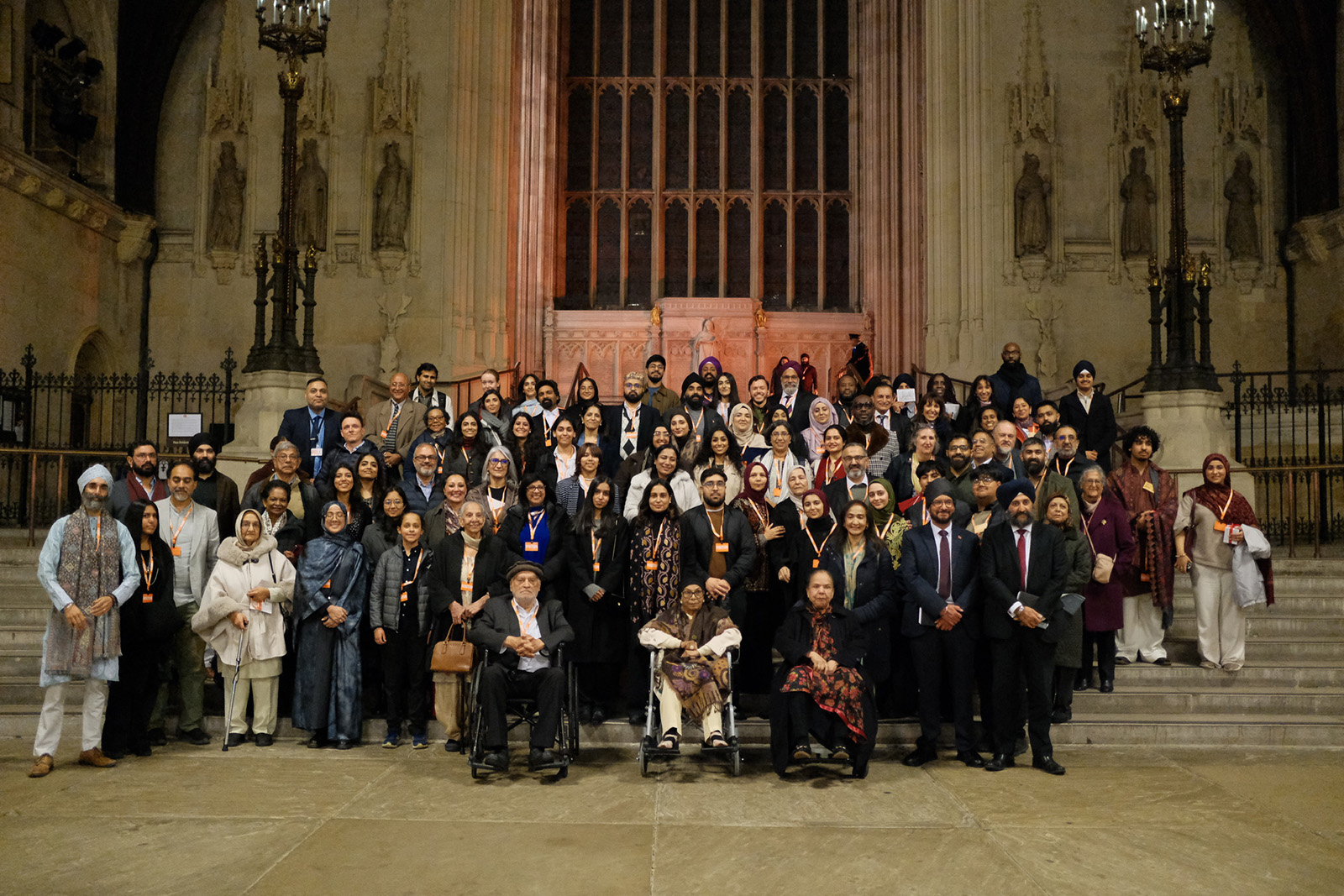
MPs Naz Shah and Apsana Begum are among hundreds of names on an open letter ahead of the 80th anniversary of Britain’s 1947 partition of India

Politicians, academics and artists are among hundreds of people who have backed a mother and daughter’s campaign for a permanent memorial to the partition of British India in 1947, ahead of its 80th anniversary next year.
The open letter is the work of Sadiya Ahmed, the founder of the Partition Memorial Trust, and her daughter Khizra. Among the more than 200 signatories are Labour MPs Naz Shah and Apsana Begum, singer Najma Akhtar and former England cricketer Zafar Ansari.
Sadiya said she hoped the letter would “strengthen the case for a permanent national memorial in London” as she began talks with a central London council, which she declined to name.
“Partition is the shorthand word we use for the dividing of colonial British India at independence in August 1947,” explained Sarah Ansari, a professor of South Asian history at Royal Holloway, who sits on the trust’s advisory committee. “Enormous numbers of people moved, either willingly or unwillingly.”
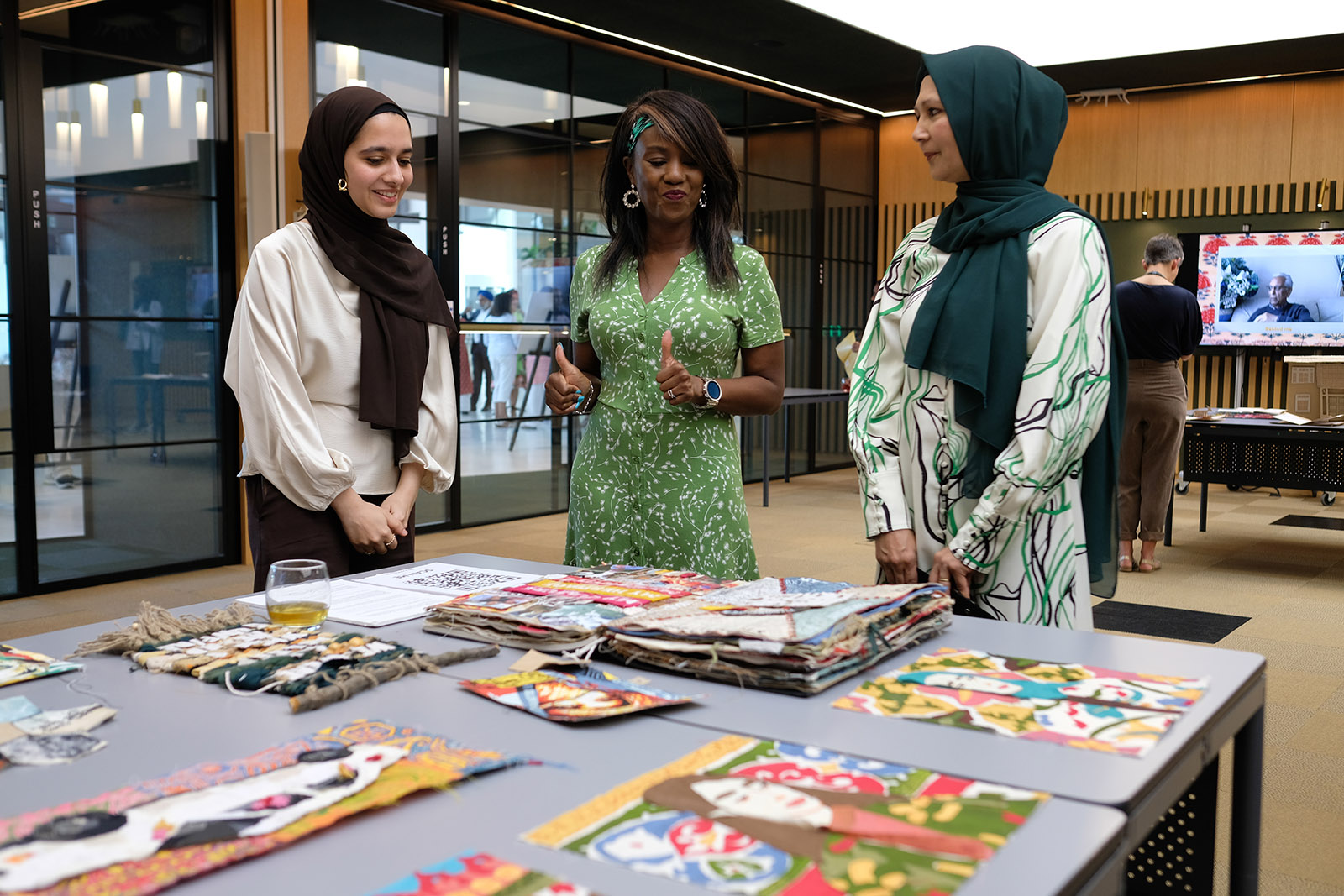
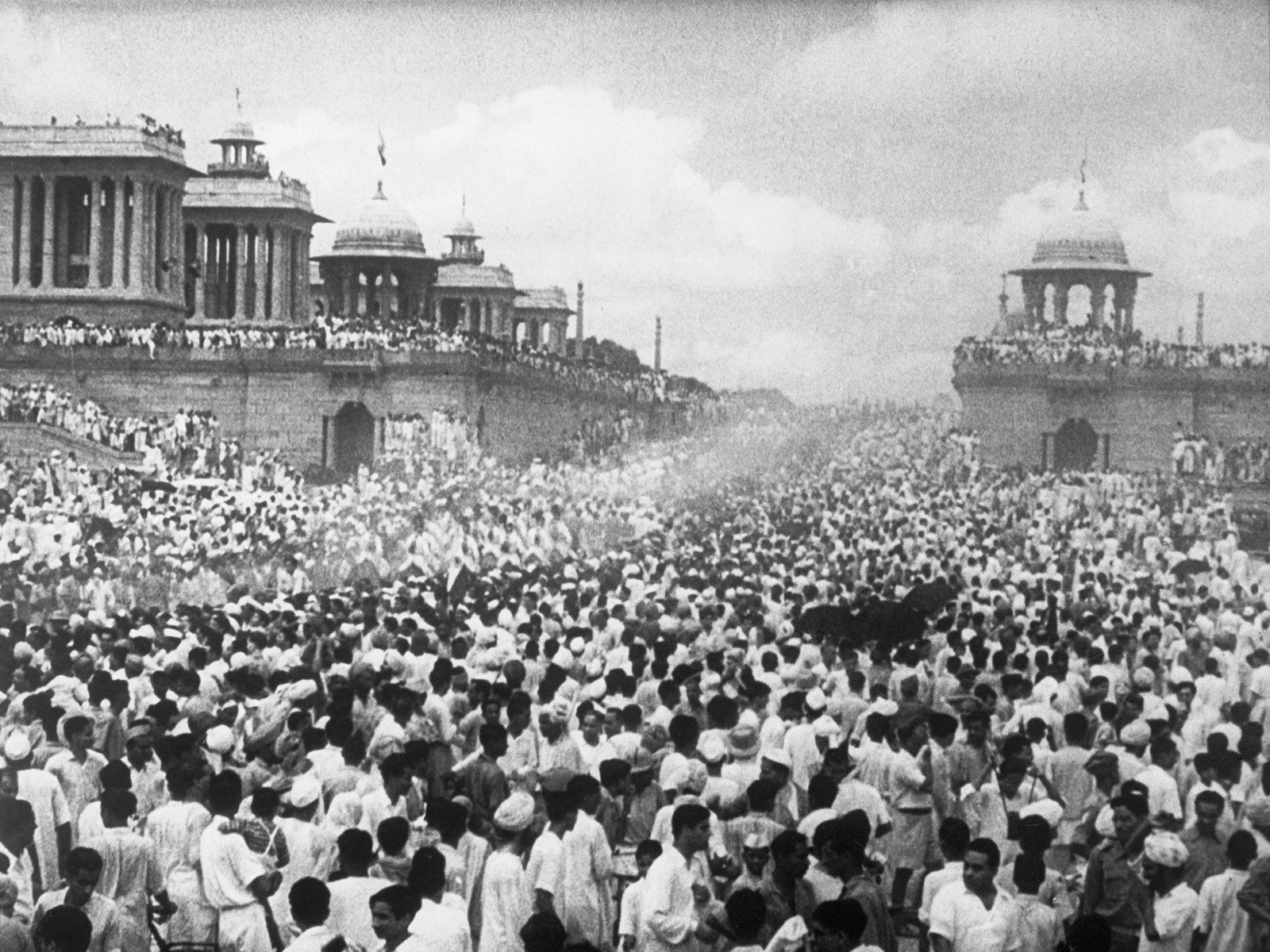
Historians estimate that approximately 15 million people were displaced and between one and two million died.
“People who had lived alongside one another for generations suddenly found themselves on opposite sides of newly drawn borders,” said Sadiya, whose late father-in-law Bashir Ahmed fled Kashmir after it became contested territory between the newly formed states of India and Pakistan. “For many families, partition meant losing far more than a home. It meant losing relatives, communities, culture, language and a sense of belonging.”
As uncertainty grew regarding what post-independence India might look like, bouts of inter-communal violence erupted. The new borders drawn between Pakistan and India “pitted former neighbours against each other”, said Ansari.
Khizra said Bashir — who she affectionately knew as Lalaboo — began sharing his story of partition with her when she was a child. As a seven-year-old boy, Bashir had witnessed his mother and brothers being killed and their home burned down. He walked alongside strangers for a week, crossing the border into what came to be Pakistan.
“Sometimes our grandparents don’t speak about what they’ve experienced because it’s too painful,” said Khizra. “As a result, younger generations can inherit the impact of those experiences without fully understanding where it comes from.”
Rav Singh — founder of the guided walks and lectures community group A Little History of the Sikhs — lives in Romford, east London, with his own family. He said that living among Hindu, Muslim and Christian families feels to him like pre-partition India.
“My grandmother Mohinder was born in Lahore and moved to east London in the 70s,” he said. Mohinder’s family, he explained, were certain that Lahore would be within the new Indian border being drawn by British lawyer and civil servant Cyril Radcliffe, and left temporarily before the partition for Ludhiana in Punjab to escape violence, only to find themselves unable to return.
In the mid-1990s, the gurdwara Singh’s grandmother attended daily in east London arranged a visit to Pakistan, allowing her to see her childhood home and the shops once owned by her late father. Ansari said the cruellest part of partition’s legacy had been the restriction of travel between India and Pakistan — linked to disputes over territories, in particular Kashmir, the status of minorities and the emergence of religious nationalism — which left people unable to visit their former homes.
Singh hosts guided walks across central London that tell the story of colonial India and partition. The walk begins at St James’s Palace, where conferences attended by more than 100 delegates began in November 1930 to develop India’s constitution. Next is Caxton Hall, the site of the inaugural meeting of the All-India Muslim League Party in May 1908, a group that would later help spearhead the creation of Pakistan.
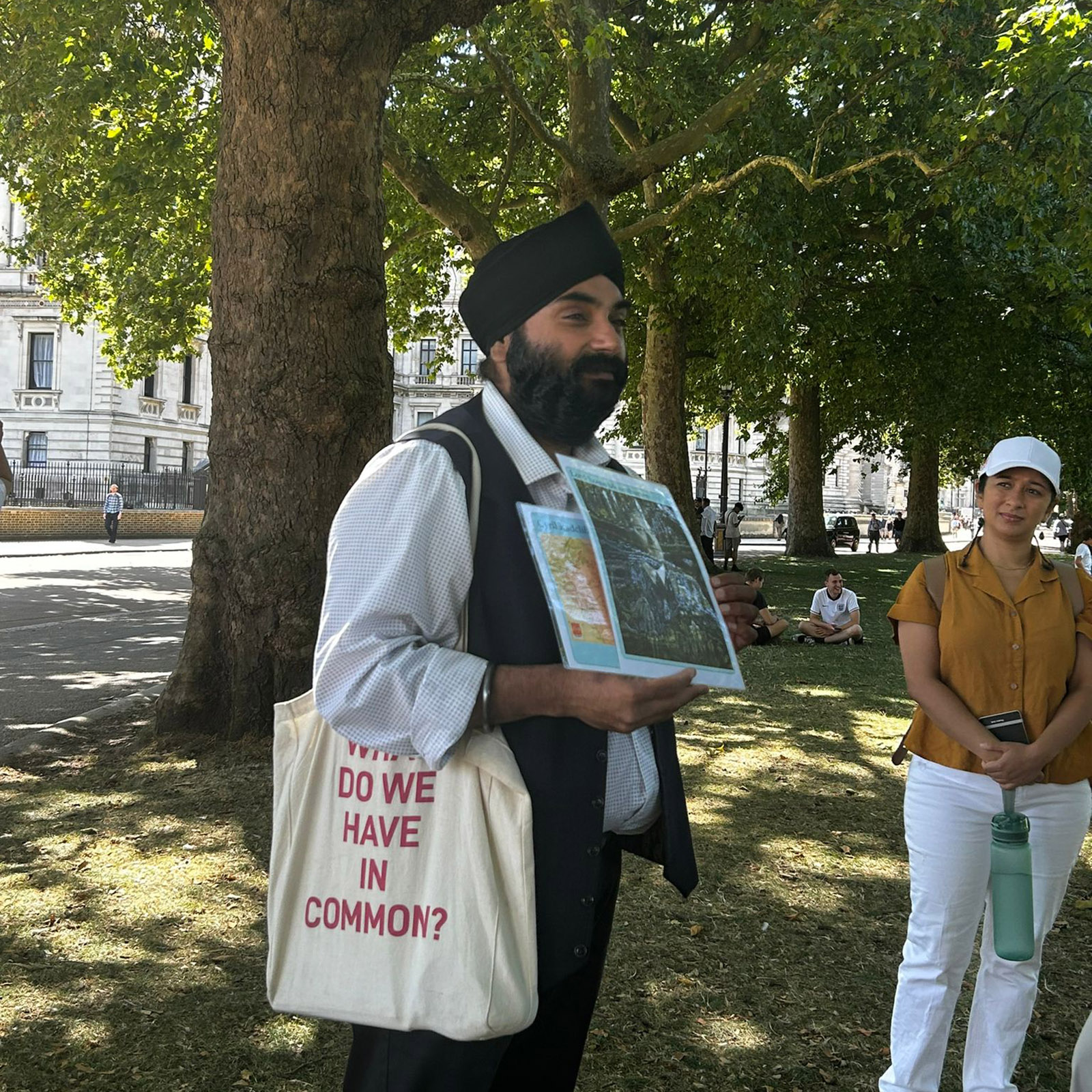
Several statues are featured in the walk, including one of Mahatma Gandhi, who opposed partition along religious lines; Robert Clive, a key figure in the East India Company, who became the first British governor of the Bengal Presidency; and Louis Mountbatten, the last viceroy of India, who oversaw the partition and transfer of power from Britain to the new independent states of India and Pakistan.
“Partition has too often been treated as South Asian history rather than British history, without recognising its connection to decisions made in Westminster and Whitehall,” said Sadiya. “For decades, families and communities have largely borne the responsibility for remembering.”
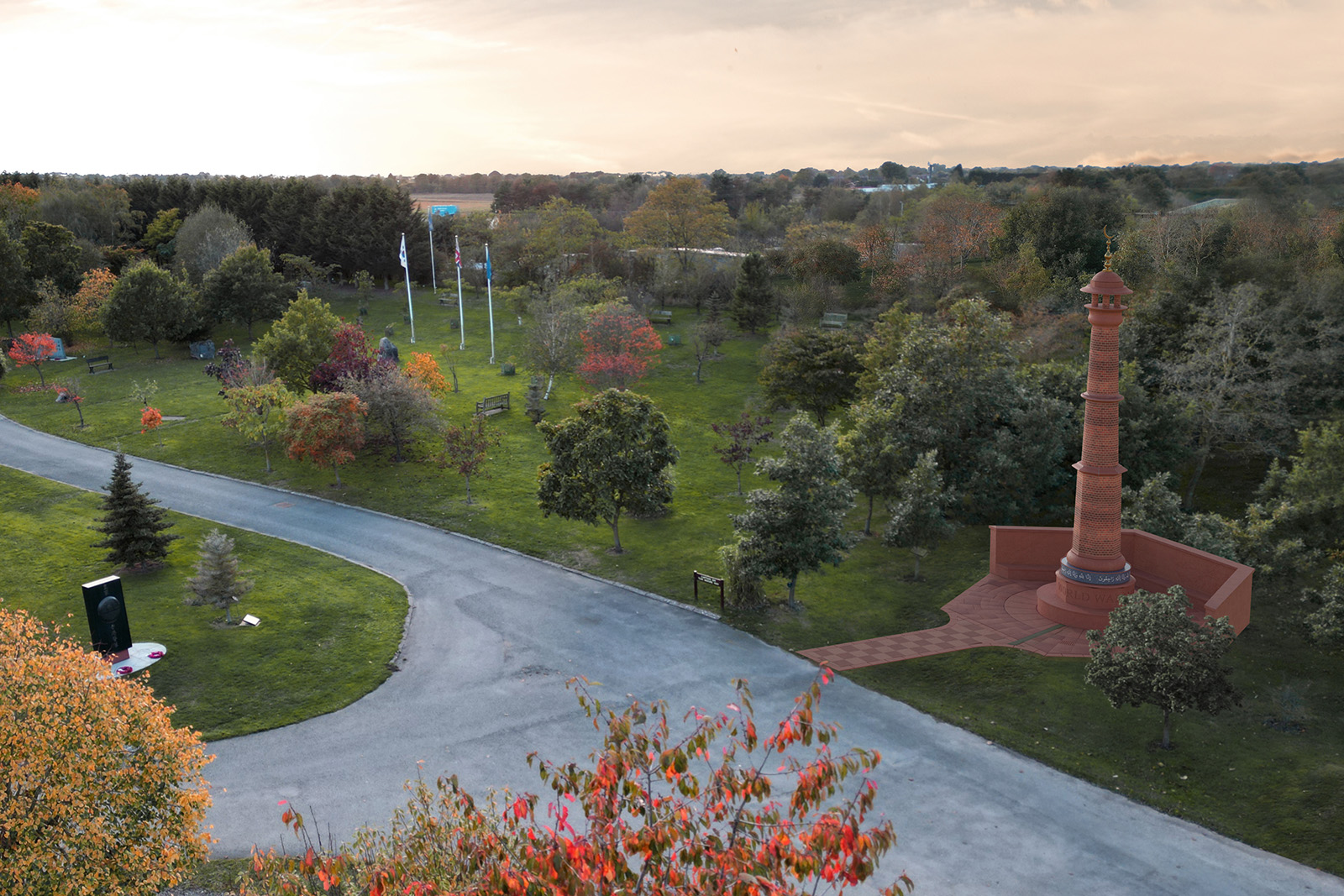
Singh said he wanted the memorial, which the trust hopes will be confirmed in time for the 80th anniversary in August 2027, to be a place for communities to gather. “Statues are silent,” he said. “A plinth of a Hindu, Sikh and Muslim doesn’t mean much. I would love a garden, a place where we can reflect and come together across faith lines like it was in pre-partition.”