
All hands on decks — new classes teach Muslim women the art of DJing
Amina Aaliya Beg is using music to empower her community and turn the tables on commonly held expectations
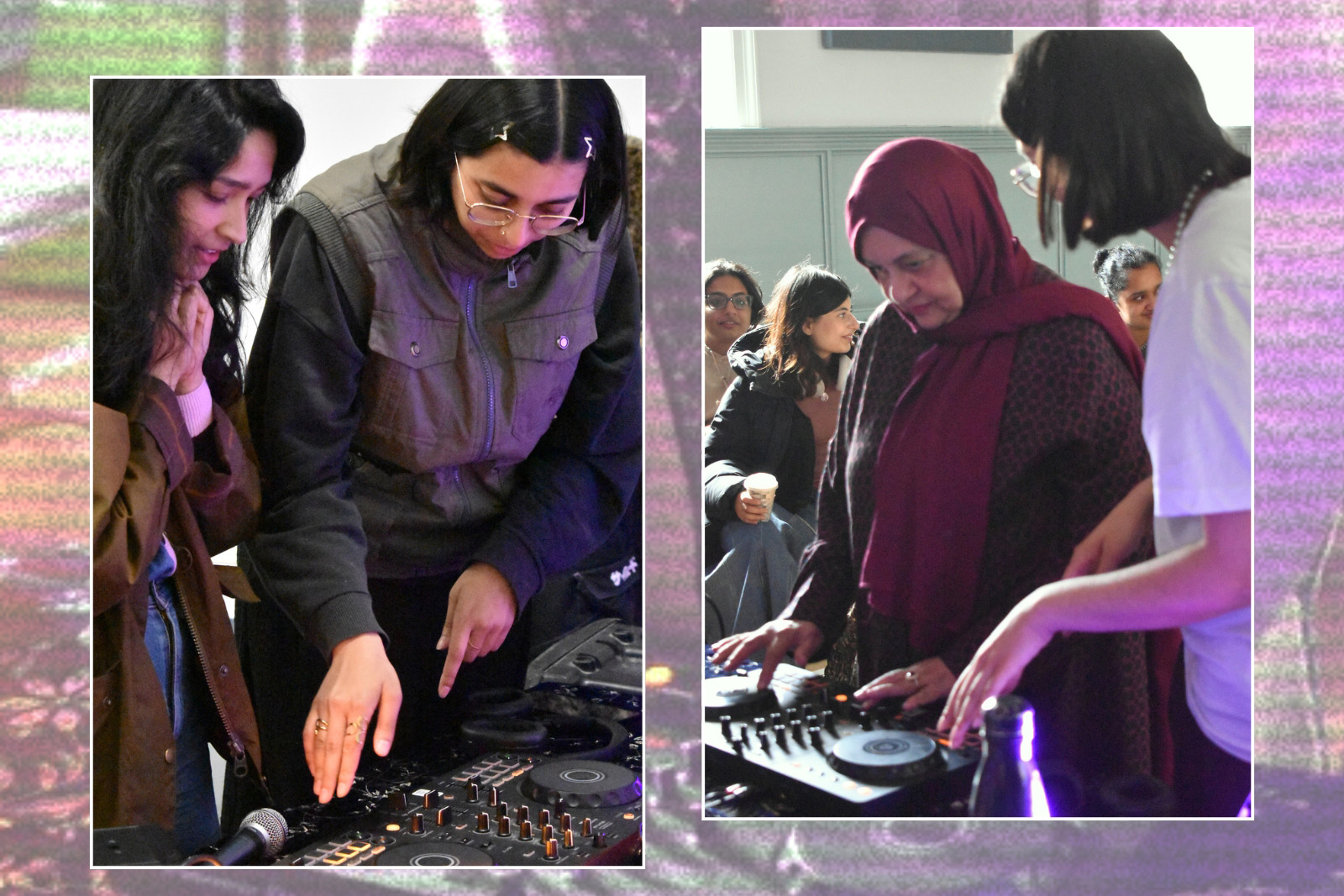
In a low-lit room at the Contact Theatre in Manchester, a middle-aged woman in a tie-dye skirt is learning to blend two well known Bollywood songs on a Pioneer DJ controller. Amina Aaliya Beg patiently guides her student, breaking down what all of the confusing buttons and faders do. When the beats synchronise and fall into place, the woman raises her arm instinctively and jumps to the rhythm.
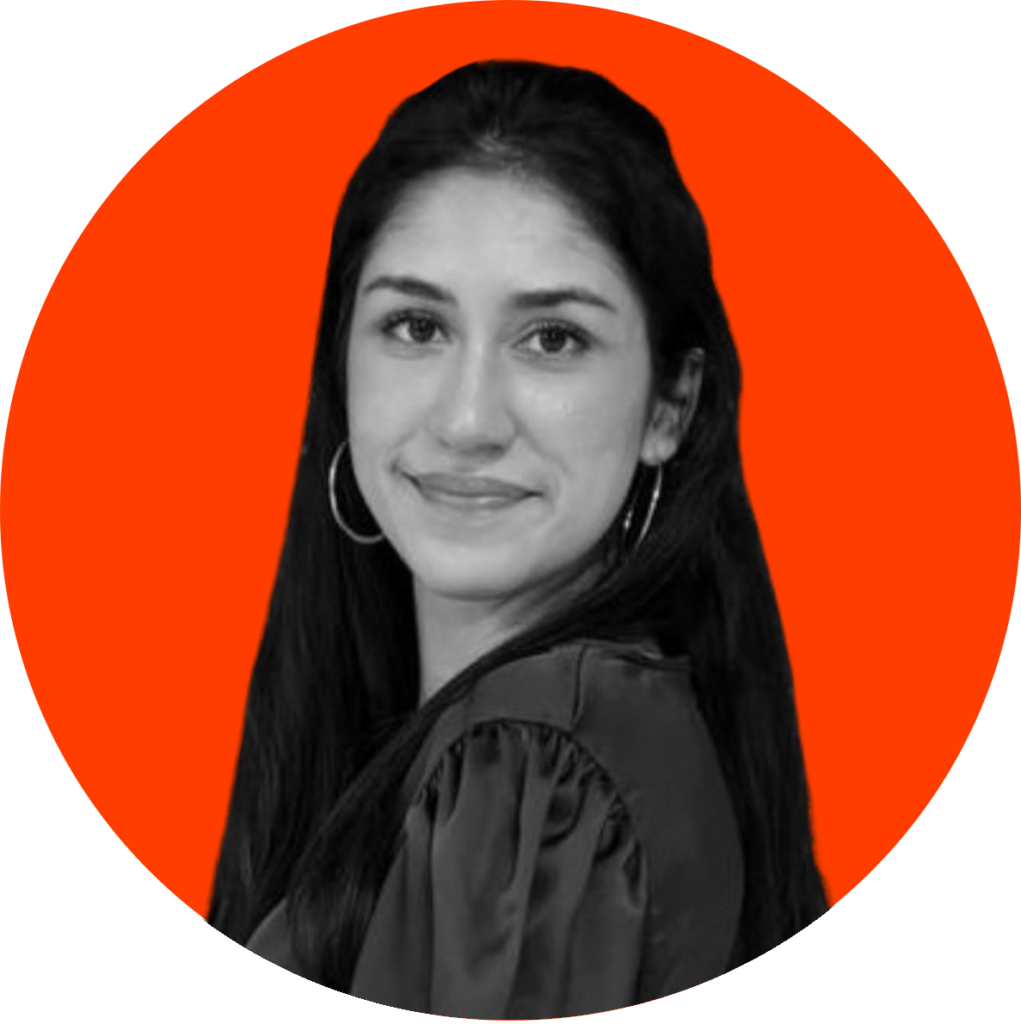
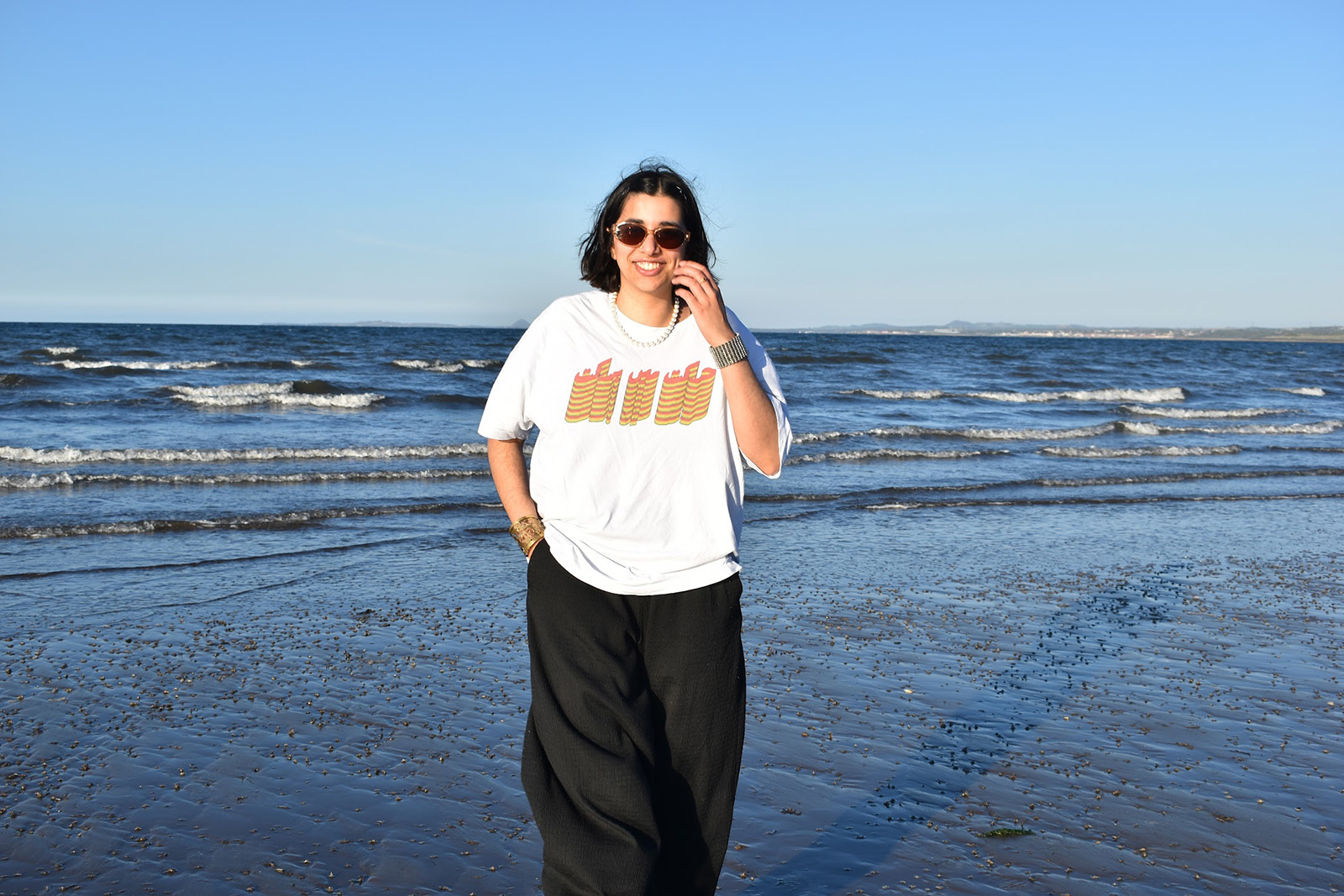
Beg, a 24-year-old DJ and multidisciplinary artist, knows what she’s doing behind the decks. In recent years, she has played live at Parklife, Brighton Festival and on the BBC Asian Network. Now, she is offering hands-on courses to South Asian women across the country.

I’m sitting in a loose circle of chairs with a group of women of all ages. Some have stylishly paired their kameezes with jeans while others are wearing traditional jhumka earrings.
The DJ set-up sits atop a table covered with a regal-looking rug that gives an attention-grabbing, shrine-like quality. Ajeeb Studios which Beg set up with her co-founder and husband James, takes its name from the Arabic and Urdu word for “astonishing”. The organisation creates outreach workshops that hope to challenge assumptions around who art is for.
Most of the women at our session came across Beg’s workshop via a tongue-in-cheek Instagram post that asked: “Is your auntie trying to get you married? Why not sign them up for a free DJ workshop?” The message noted that learning to DJ is a great way to save money because you won’t have to hire professionals come wedding season.
Beg’s teaching style emphasises practice over theory and, for the women, feeling the music over technical perfection. It’s an approach that clearly works as her students pick up the fundamentals with ease.
“I got such a buzz from it,” says Tima Saffan, a 24-year-old civil servant from Manchester. “Every time I tried something new on the deck, everyone cheered me on. I’d say getting into the flow of it was the hardest part but once I was there, I forgot about the people in the room. I want to bring all my friends next time because I know they’d love it too.”
Tanya Shah, 32, grew up with the sound of cassettes by famous Bollywood singers such as Asha Bhosle and Sonu Nigam, but she also recalls that her family set strict boundaries around music.
“I didn’t grow up typically being allowed to go to music events and club nights and things like that,” she says. “When I was going, I was rebelling and not telling my parents.”
Attending Beg’s workshop feels like a liberating continuation of her longstanding love of South Asian music.
“For the average person, it seems like this highly technical thing,” she says. “But, seeing the way that Amina teaches in a very gentle way, taking an easy, low-pressure approach makes it seem like OK, I can do this one day.”
For Afreen Islam, 36, from Stockport, the fact that Beg’s classes are tailored to her age group was a welcome change of pace, but it also points to a broader problem: where arts funding tends to go and who gets left behind as a result.
“I think what we are seeing is a lot of funding is [for younger people] and then it gets cut off after that,” she says.
As Islam sees it, playing tunes to an audience is part of a longstanding tradition that has been passed down through generations of women. “DJing is about storytelling,” she says. ‘I’m so happy to have inherited that ability to tell stories.”
Shah views taking part in the workshop as part of a new chapter of life. Lately, she has been exploring the space where her faith and creativity meet.
“I stepped away and did my own kind of thinking about how I feel about Islam and how I want to practise religion. I’ve realised that I can do activities like this alongside my religious practice,” she says. “It isn’t one or the other.”
That tension is familiar to Beg. She spent a long time brainstorming art forms to connect with South Asian women and didn’t expect that DJing would be the most successful.
“When I was teaching them poetry, they were just like, ‘It’s a bit boring. I don’t think I’m going to enjoy it,” she says. “With DJing and dancing, it’s a performance. Once they’re on stage, no one wants to go home.”
In fact, Beg sees her faith and the discipline of DJing as complementary.
“I’ve never seen it in conflict because you’re always hearing naats and nasheeds” she says. “The Quran is so poetic and its recitation feels sonic.”
DJing isn’t the only creative medium Beg uses. She has brought theatre and DJing together in her comedy drama My Mum Told Me Not To Marry An Atheist, a one-woman show that she performed in Glasgow at the National Theatre of Scotland and at Camden People’s Theatre.
Related content
The story focuses on Dadi, a DJ and radio host, and her granddaughter Kamal, and explores the roles and expectations placed upon successive generations of South Asian women.
Meanwhile, music has taken her to clubs across the country and events such as the Belgian arts festival Kunstenfestivaldesarts and Co-op Live.
“I love celebrating what you wouldn’t hear in mainstream clubs, like Desi club music and old Bollywood. It’s really nice recontextualizing it into a club or festival, wherever you are.”
She also insists that creativity is a freedom that everyone should be able to enjoy. “Sometimes you feel that you’re not smart enough to understand art,” she says.”That’s a mindset I wish we could all unlearn, especially people from global majority backgrounds.”
Teaching aunties to mix is just one way to fulfil that mission. Brimming with enthusiasm from the day’s class, she views the sessions as providing a gateway to women-led DJ events across the board.
“I’m constantly thinking, how we could make this into an actual club night,” she says. “I tell all the women who come, ‘You’re never too late to do anything.’
“It’s liberating because, so often, we’re seen through this reductionist lens of being sad or traumatised. I mean, just look around. Here are all of these people I’ve never met before, together, laughing and dancing like we’ve known one another for years.”