
How social media fuelled the deadly Ceuta migration crisis
False claims, recruitment posts and far-right narratives spread online around the mass crossing from Morocco into Spain in July

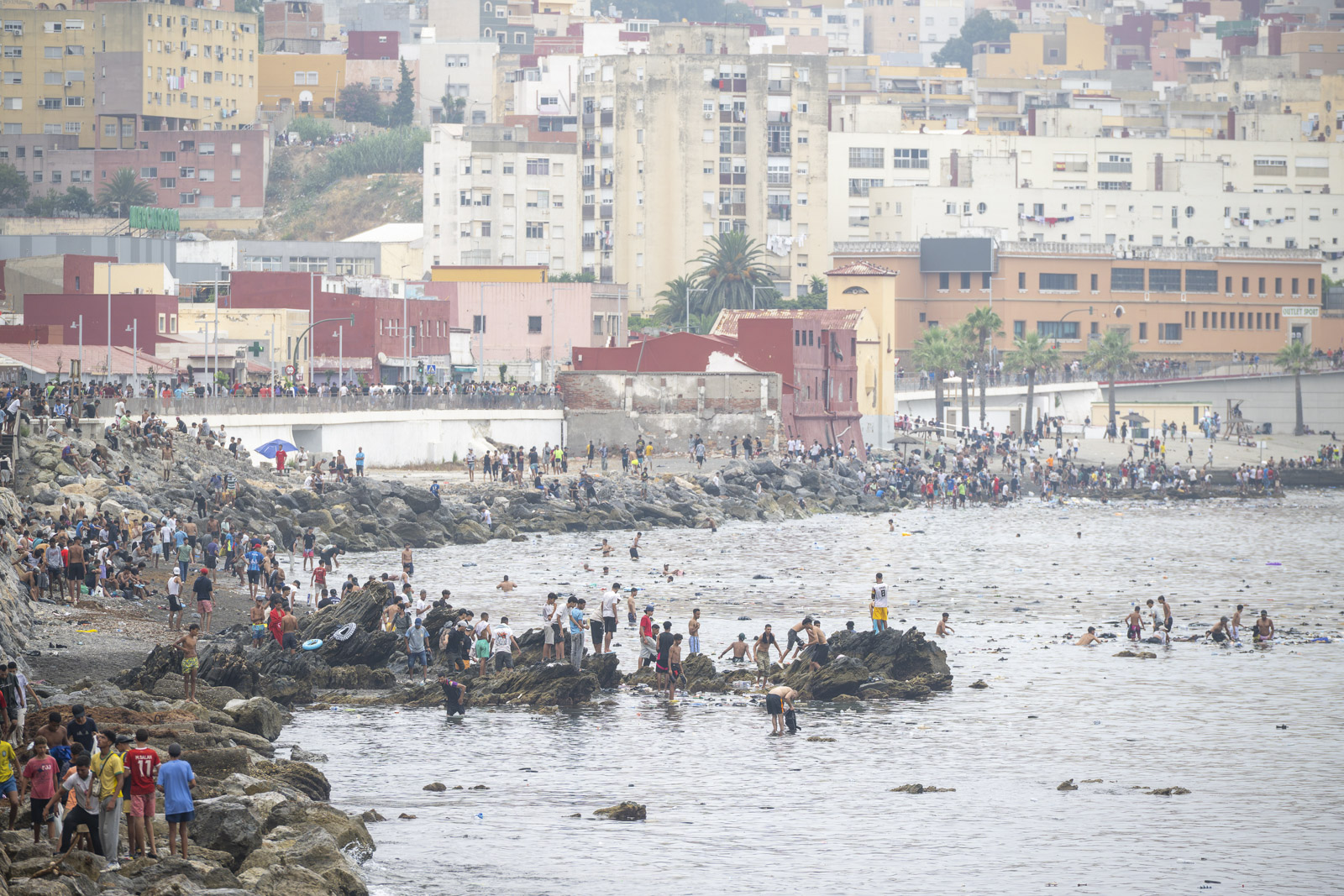
More than 72,000 people crossed from Morocco into Ceuta, the Spanish enclave on the north African coast, between 30 and 31 July. At least 100 died in what became the deadliest mass crossing Morocco has witnessed.
In the days before the mass crossing, Dr Myriam Cherti watched a crisis forming in her Facebook feed. Groups used by prospective migrants were filled with posts about reaching Ceuta and celebratory videos of those who had made it.
Related content

“I could see things building up,” said Cherti, a migration researcher at the University of Oxford’s Centre on Migration, Policy and Society (Compas).
Among those being celebrated was Farah, a young woman who went viral after swimming from Fnideq in Morocco to Ceuta on 28 July. Cherti later saw AI-generated images falsely purporting to show Farah having secured European residency.
“It’s all this dream of making it to Europe and becoming successful,” she said.
Other posts misrepresented a Spanish supreme court ruling that barred the immediate “pushback” of people who reached Ceuta or Melilla, another Spanish enclave in north Africa, by swimming. The ruling did not give them a right to remain in Spain: it required authorities to use the ordinary return procedure instead.
Beneath the celebratory posts and misleading claims, the danger was already becoming apparent. Even before the crisis peaked on 30 July, Cherti was seeing posts from people searching for missing relatives.
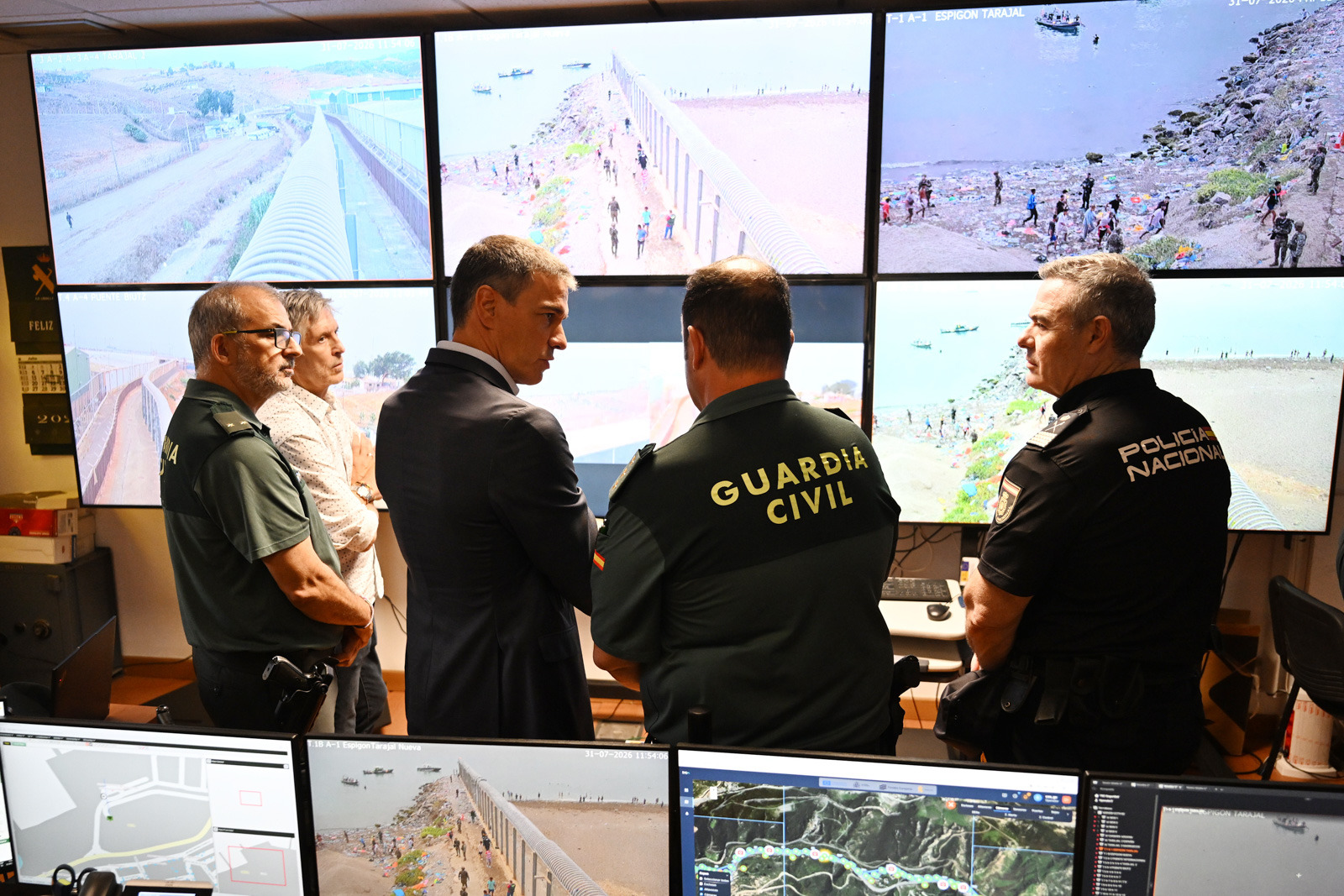
Within days, the consequences extended beyond the Spain/Morocco border. Italy suspended the EU’s border-free Schengen arrangements with Spain, despite Ceuta not being part of the Schengen area. Madrid retaliated in kind. The vast majority of those who made the crossing were returned to Morocco within days, but thousands, including children, remain in Ceuta in a continuing humanitarian emergency.
A month on, experts warn misinformation and disinformation played a significant role in the crisis. Spanish fact-checking nonprofit Maldita.es, working with the Arab Fact-Checking Network, analysed more than 1,100 Arabic-language Facebook posts mentioning Ceuta and the supreme court ruling between 8 and 31 July.
On 30 July alone, it found 215 posts carrying the identical claim that migrants reaching Ceuta and Melilla by swimming would not be immediately expelled. Maldita also found that Facebook was used to recruit people for the crossing, while logistics were discussed on WhatsApp.
“Maldita found odd patterns of messages and posts going viral that carry indicators of coordinated behaviour,” said Stephan Mündges, coordinator of the European Fact-Checking Standards Network. “It’s a piece of the puzzle, but we need more pieces to be certain whether this was coordinated.”
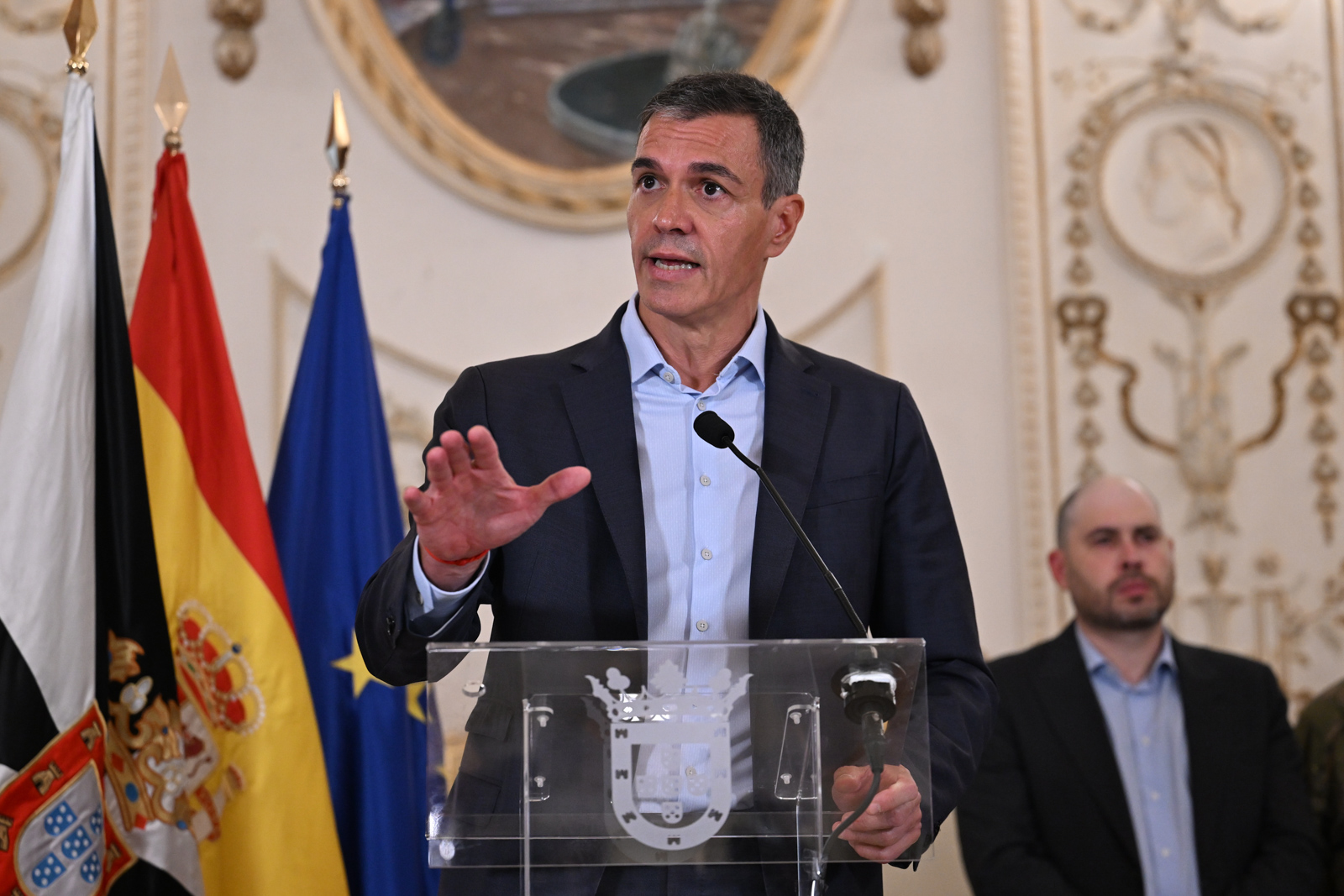
In the days following the July crisis, Spanish prime minister Pedro Sánchez initially blamed traffickers and misleading social media posts about the supreme court ruling, before saying that EU research indicated Russian, Israeli and far-right networks had spread disinformation.
Separately, analysis by counter-disinformation group 411 found that Russian-linked accounts pushing far-right messages about the crisis reached more than 500,000 people within days.
Russia and Israel have rejected Sánchez’s claims.
Saman Nazari, lead researcher at civil society nonprofit Alliance4Europe, called for major sources of Russian disinformation — including pro-Kremlin blogger Rybar and the automated disinformation network Pravda — to be blocked in the EU: “It makes no sense. They’re sanctioned by the EU, they shouldn’t be accessible to European audiences.”
Mündges said tech companies had “sometimes quietly, sometimes loudly, disengaged from countering misinformation” over the past two years, increasing “the likelihood of a crisis spiraling out of control”. He said platforms should invest more in fact-checking and effective community notes.
In mid-August, the EU announced an ad hoc fact-checking agreement with Meta and TikTok in response to the Ceuta crisis. An EU spokesperson said the platforms had also committed to banning content related to people smuggling.
July’s mass crossing between Morocco and Ceuta may have been the largest, but it was not the first. In May 2021, around 8,000 people entered Ceuta during a diplomatic dispute between Spain and Morocco. The row began after Spain allowed Brahim Ghali, leader of the Polisario Front, which campaigns for the independence of the Moroccan-claimed Western Sahara, to receive hospital treatment for Covid. As tensions escalated, Morocco was widely condemned for relaxing controls on its side of the border, allowing thousands to cross into Ceuta. Cherti described the episode as “a clear example of how Morocco responded to diplomatic tensions”.
The dispute intensified in early September after a leaked Spanish police report alleged that Moroccan security forces had shown “permissiveness” and may have facilitated the July breach. Sánchez denied that his government had received advance warning and promised to publish the relevant reports, as tens of thousands protested across Spain over the migrant crisis and the government’s handling of it.
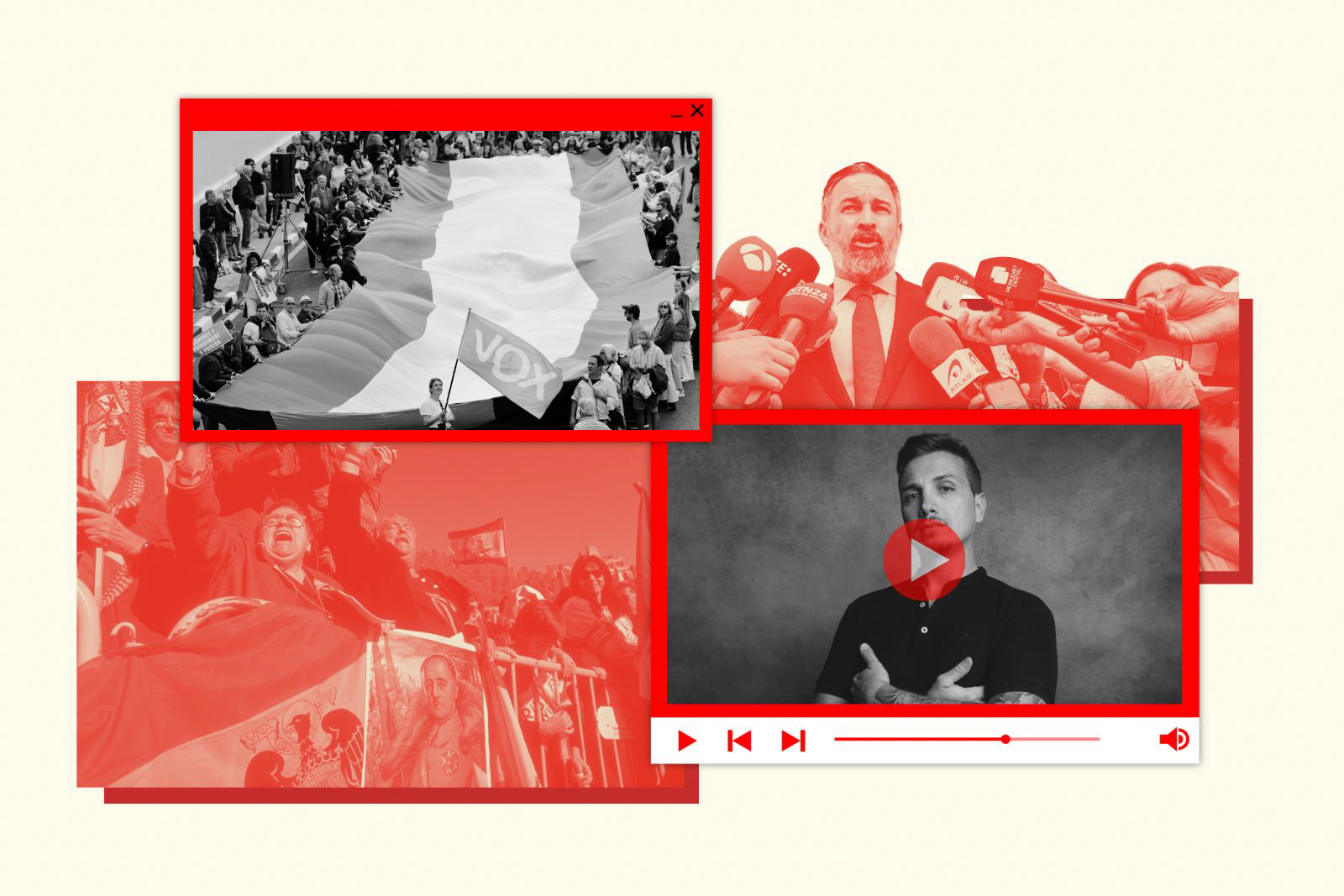
Cherti described July’s crisis as “an early Christmas present for the far right”. Ceuta and Melilla may be Europe’s only land borders with Africa, but it is being used as an example for far-right movements demanding more restrictive immigration policies.
She believes that addressing underlying factors driving irregular migration from Morocco is vital, including youth unemployment: a third of Moroccans aged 15 to 29 are neither working nor studying. More accessible legal migration pathways would also reduce the risk of another such crisis. She noted that visa-free travel into Ceuta and Melilla, which previously allowed Moroccan workers to commute daily into the Spanish cities from neighbouring areas, was suspended in 2020 and subsequently abolished two years later.
Nazari argues that social media platforms — including those owned by Facebook and Instagram parent Meta — should shut down groups and pages promoting illegal crossings. He pointed in particular to groups advertising products such as rubber boats that could enable dangerous crossings.
Under the EU’s Digital Services Act, Nazari said, a failure by Meta to have procedures for shutting down such groups could warrant investigation. “This could be a reason to actually investigate if there are any systemic risks here that they are not addressing,” he said.
An EU spokesperson told Hyphen: “Migration is a sensitive issue across Europe, and we have seen significant disinformation activity on social media seeking to exploit it, fuel divisions and increase polarisation.
“In the case of Ceuta, we saw attempts by Russia to exploit the crisis online. However, we have no conclusive evidence to suggest that the crisis itself was triggered by disinformation from foreign state actors.”
Hyphen contacted Meta for comment.