
The Hyphen view from Europe: the far right has found a way to win while losing

Voters in Sweden and Berlin rejected the far right in key elections this month — but its ideas are proving rather harder to defeat

September brought some heartening news from Europe: the far right can still lose elections. Less heartening was the discovery that it doesn’t particularly need to win them.
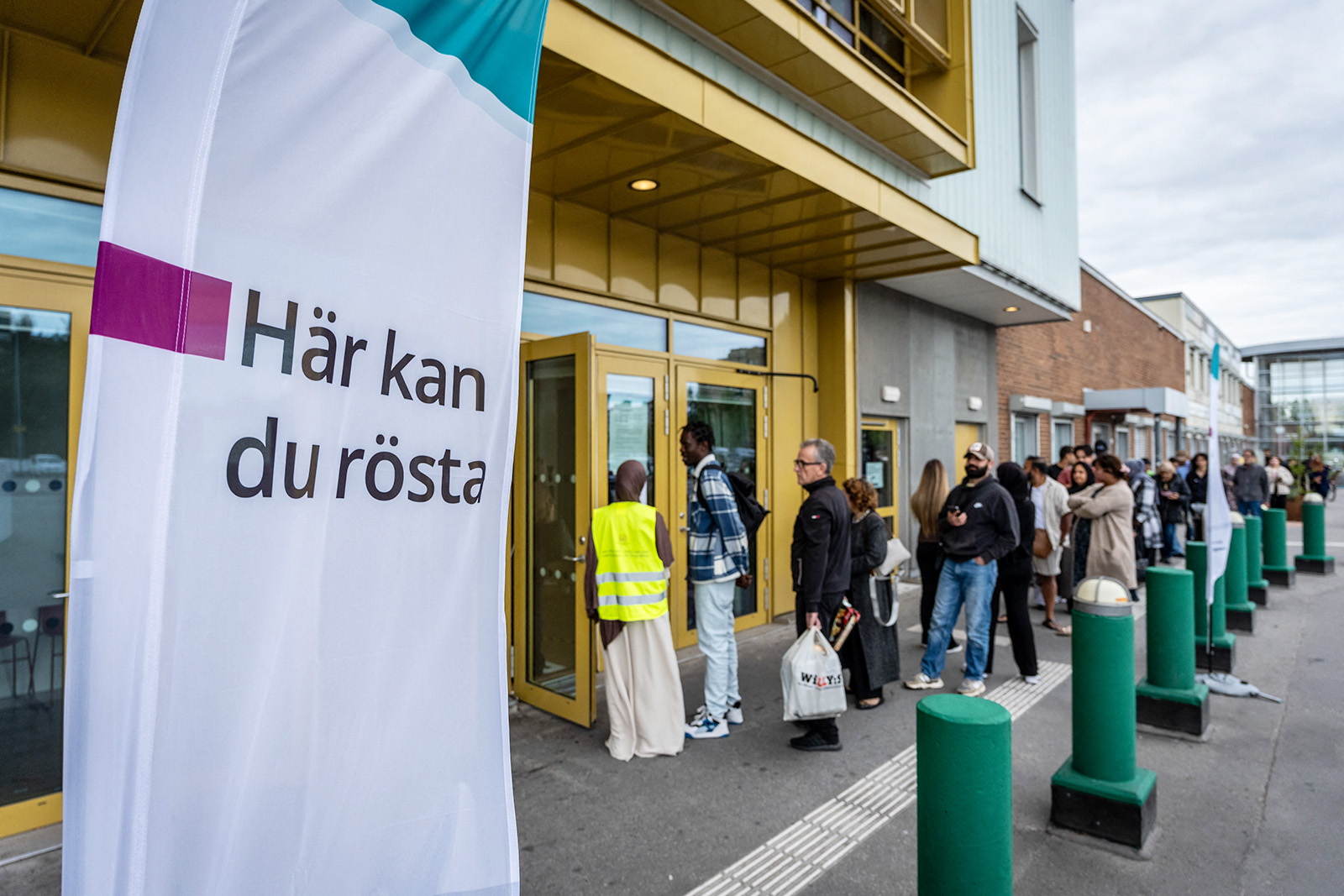
In Sweden, the Sweden Democrats — a far-right party with roots in actual Nazism — lost around three percentage points of vote share in the general election, their first decline since entering parliament in 2010. This followed a campaign featuring proposals to stop the building of mosques, questions about whether Muslims could actually be Swedish and promises to restrict Islamic dress, suggesting there may be limits to the electoral rewards of worrying about what Muslims are wearing.
Germany gave us a more complicated glimpse into voters’ minds in three state elections. There were encouraging scenes in Berlin, where Die Linke (The Left) was the most popular party in the German capital for the first time with a campaign that had little to do with division and a lot to do with its promise to “make Berlin affordable again”. The AfD didn’t do as well as predicted, even if it did nearly double its vote share to 16.3%, having blamed the housing crisis on immigration with the slogan “apartments are not asylum homes”.
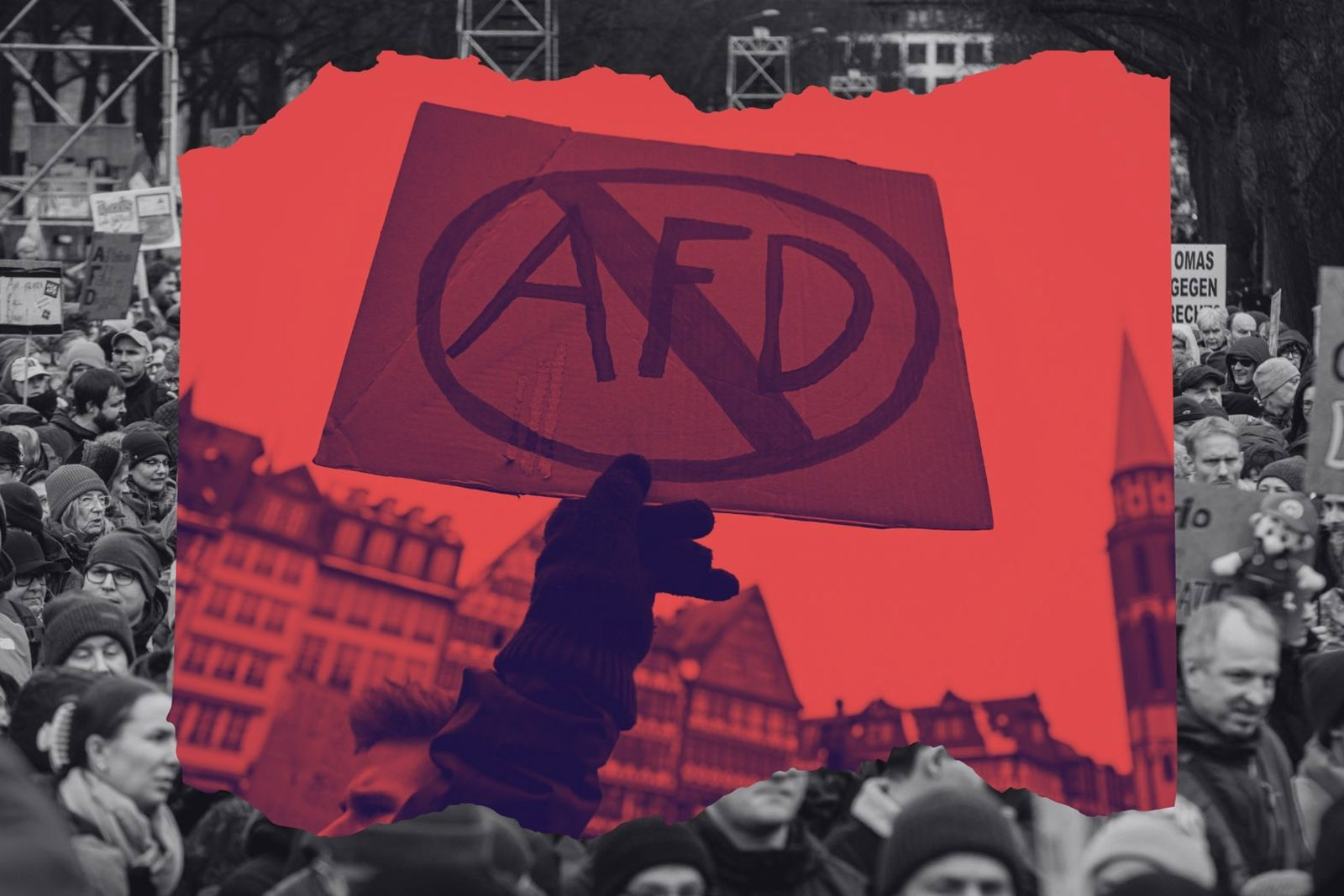
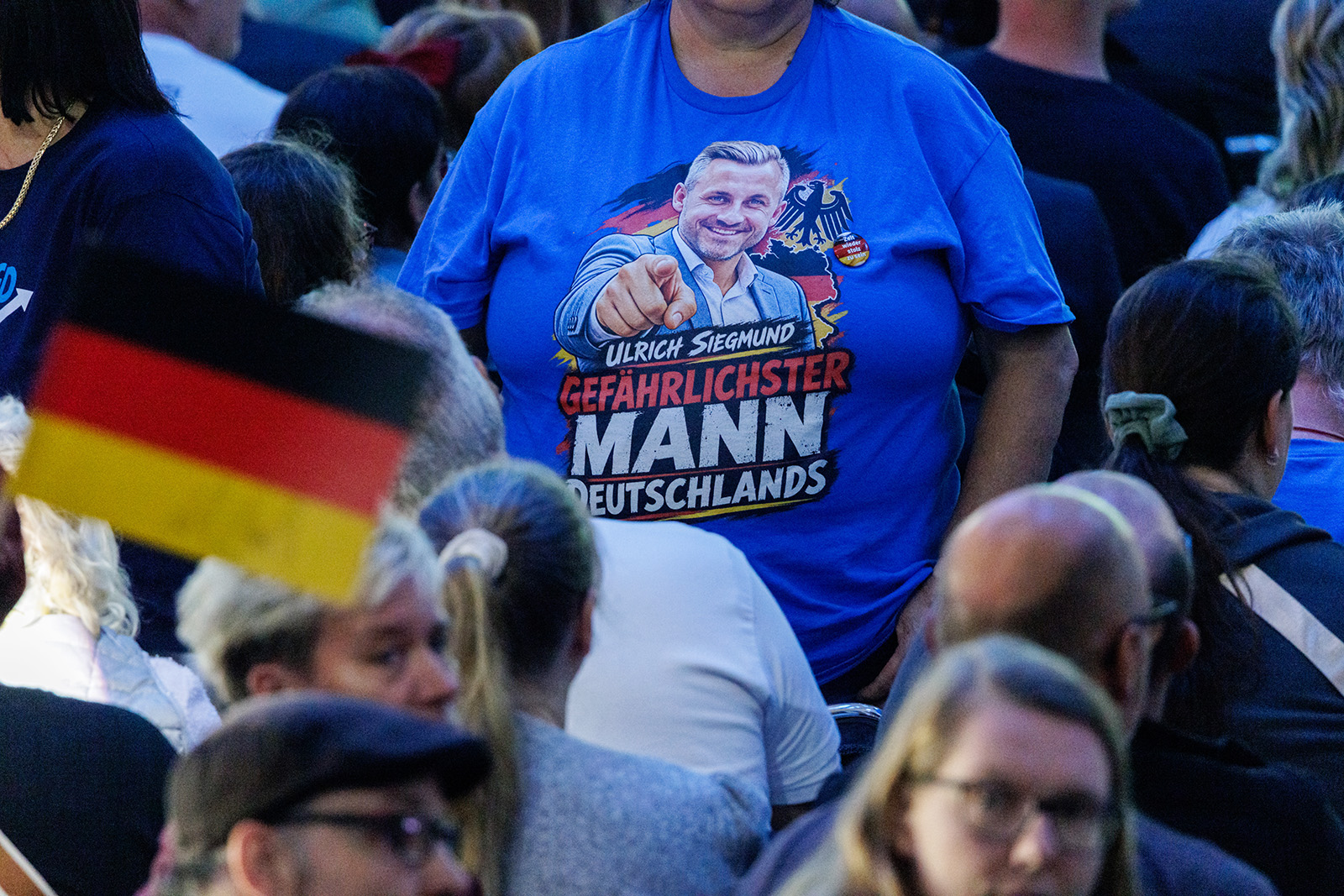
Unfortunately, Berlin was the exception. The AfD came first in Mecklenburg-Western Pomerania and, earlier in September, won a 43.8% landslide in Saxony-Anhalt — not despite its extremism but because of it, as Mohamed Amjahid argued in an article for Hyphen.
Still, Sweden and Berlin might have allowed us a little optimism, if the far right’s ideas hadn’t been so obviously thriving regardless.
Over in Italy, Giorgia Meloni — once Europe’s terrifying new far-right leader, now the woman everyone stands next to at summits — announced plans to ban burqas and niqabs in schools, cap the number of foreign pupils in classrooms and require some migrant parents to learn Italian.
There is something almost quaint now about the endless argument over whether Meloni has “moderated”. Apparently you can become a moderate without changing your extreme politics much at all, provided the moderate people move far enough towards you.
France supplied an even uglier example. Footage emerged of a municipal police officer in Carcassonne making racist and anti-Muslim remarks on patrol, including one talking about France “becoming Muslim under Macron”. This officer had previously volunteered with National Rally president Jordan Bardella’s security operation. The National Rally says it expelled him; prosecutors are investigating.
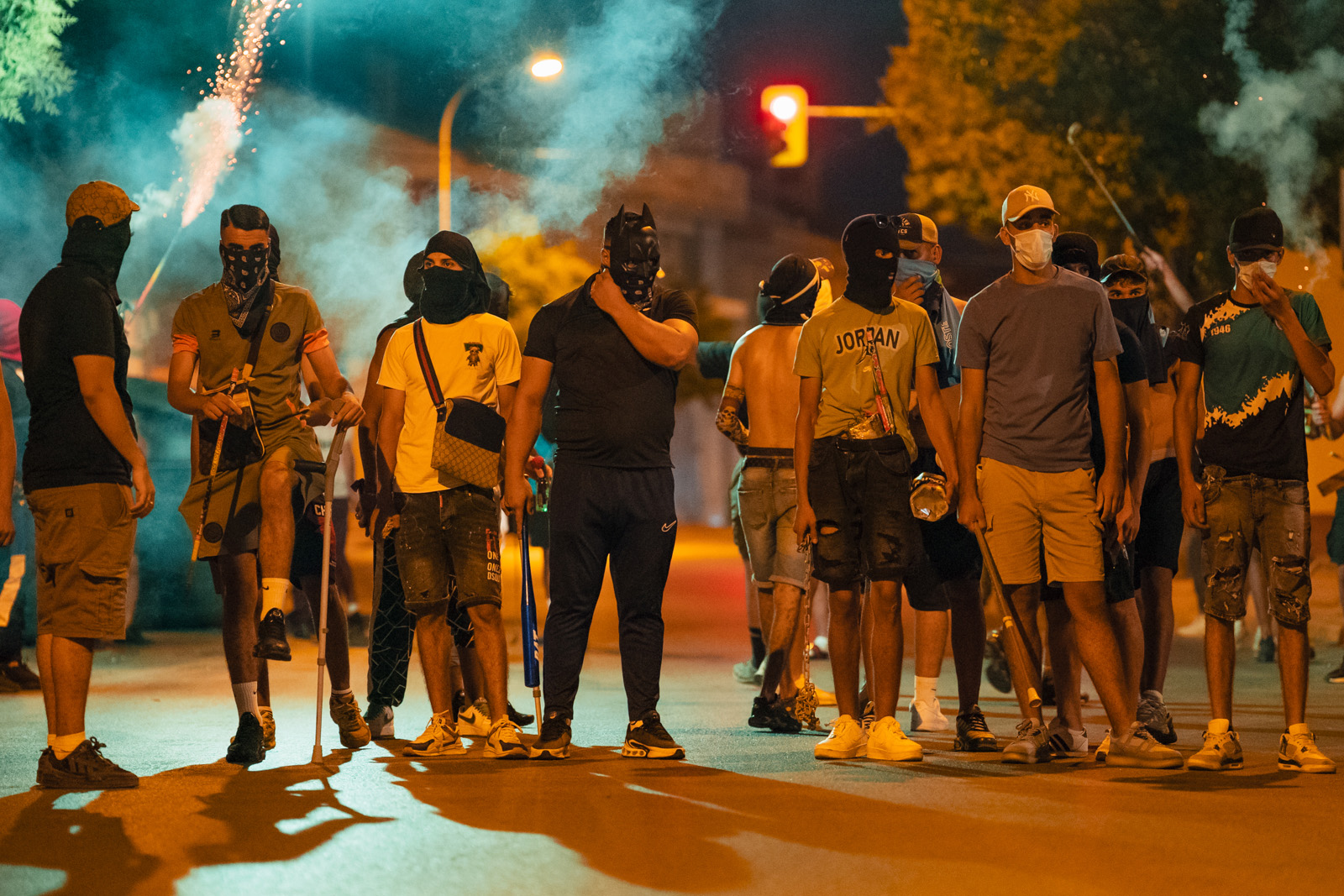
Then there was Ceuta. In July, more than 72,000 people crossed from Morocco into the Spanish enclave in two days and at least 100 died. We traced how the crisis was fuelled online, from recruitment posts and false claims about migrants’ right to remain in Spain to AI-generated images presenting the journey to Europe as a success story. Afterwards, Russian-linked accounts pushed far-right narratives about the crossing to hundreds of thousands of people, while the catastrophe itself became an argument for tougher borders. Migration researcher Dr Myriam Cherti called it an “early Christmas present for the far right”. At this rate, you do begin to question the whole naughty-or-nice system.
In our stubborn search for optimism, we turned to the unlikely world of gaming. Dutch-Egyptian developer Rami Ismail told Hyphen that Arabs had become the default videogame villains once developers had tired of Nazis: “It’s always jeeps, goats and dudes with guns.” He has devoted much of his career to changing who gets to tell the story, in an industry where the money remains overwhelmingly concentrated in North America and western Europe.
So, we can leave September confident that Europeans are not marching uniformly rightwards. Voters can and do reject far-right parties. But the more insidious battle is elsewhere, in the murkier world of ideas: far-right parties can lose votes while their ideas shed the label “far right” and become simply politics. Theirs is a slippery sort of defeat.