
The AfD is winning because of its radicalism, not despite it
Germany’s far-right party secured a historic victory in the eastern state of Saxony-Anhalt on Sunday. Mohamed Amjahid says its success came from turning embedded prejudice into votes

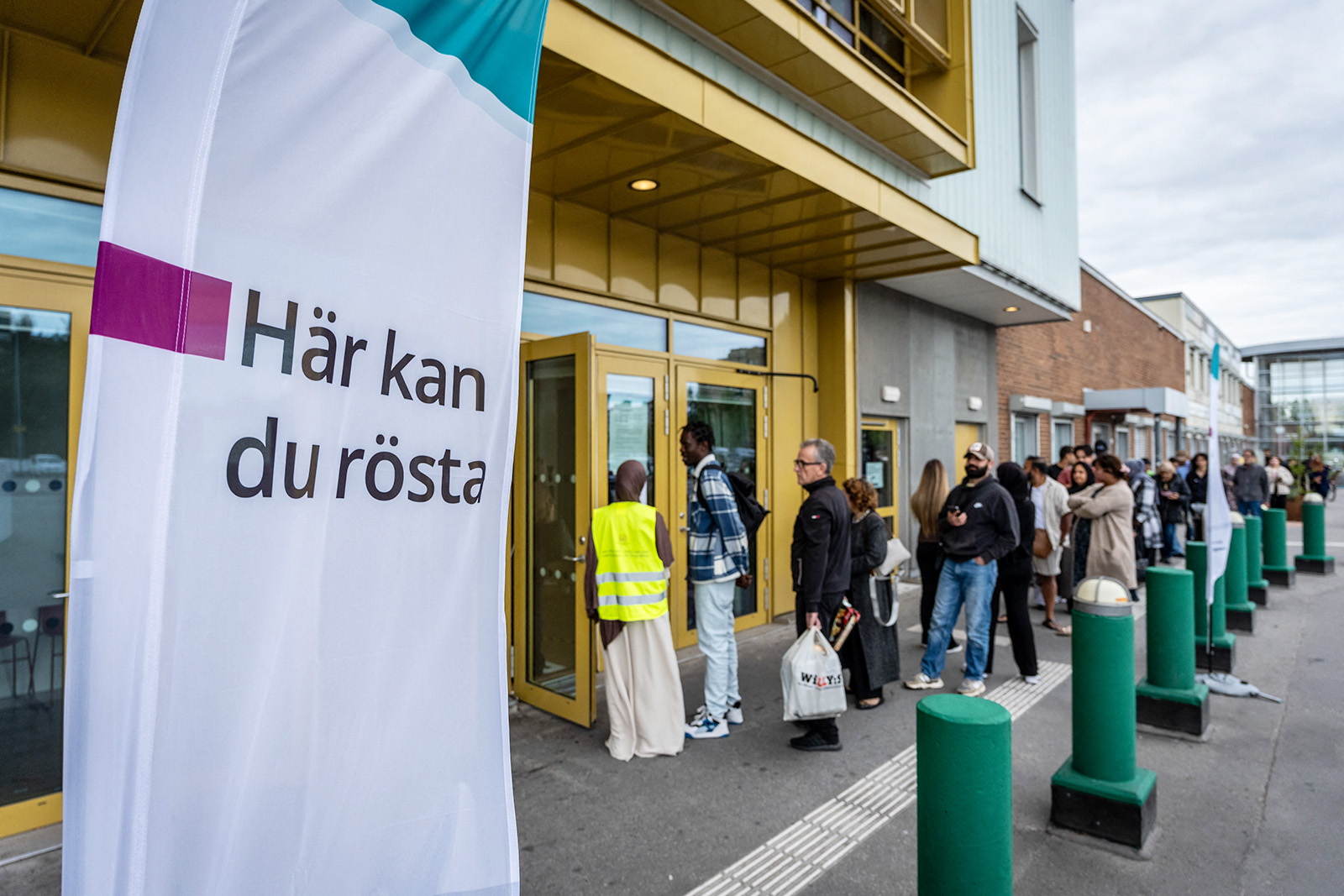
On election day in the German state of Saxony-Anhalt, I was reporting from the capital, Magdeburg. Outside the main railway station, I watched respectable-looking, middle-class AfD voters embrace neo-Nazis with shaved heads and tattoos — I saw a literal expression of the coalition that had just brought the far-right party its greatest victory.
Until now, few people outside Germany have paid much attention to this small eastern state. But on Sunday, the AfD secured nearly 44% of the vote there — the strongest result for a far-right party in postwar Germany. Hundreds of thousands of people voted for it.
Related content
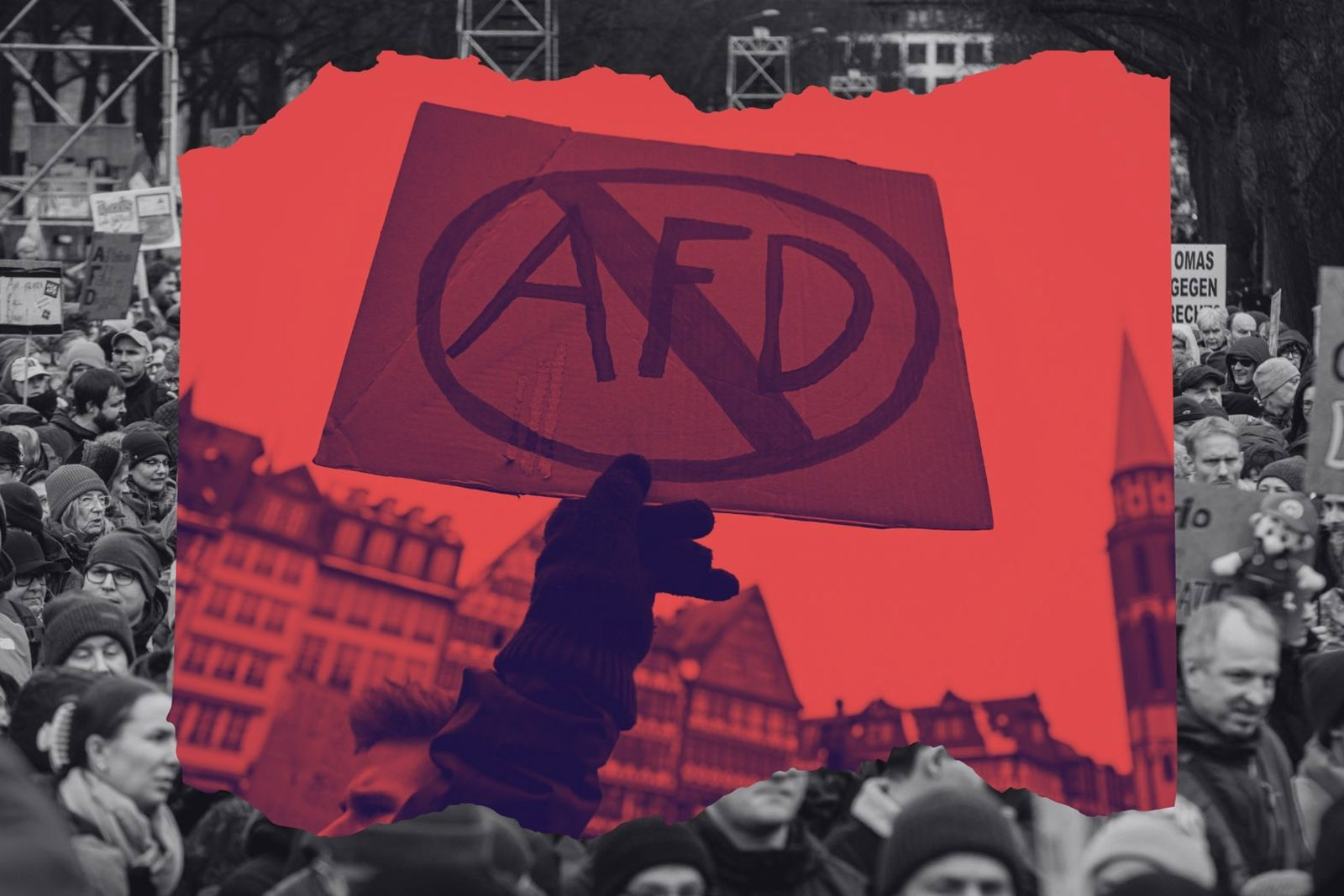
Germany’s political powers are divided between the federal government, its 16 states and its municipalities. This structure was designed after the second world war to prevent the re-emergence of a powerful, centralised fascist state. But that system of checks and balances could now become a disaster for minorities in some regions of the country.
Crucial areas including education, culture and policing are controlled at state level. The AfD won 39 of the 83 seats in Saxony-Anhalt’s parliament, leaving it just three short of an absolute majority. Although its route into government remains uncertain, it now has a genuine prospect of turning its ideology into policy.
The party’s growing power poses a particular threat to Muslims, as well as Jewish, Sinti and Roma communities. In its manifestos and countless speeches, the AfD has promoted “remigration”: the mass expulsion of people it does not consider ethnically or culturally German. Its politicians’ statements reveal a racist and ethno-nationalist worldview rooted in the idea of white supremacy.
The danger is not abstract. I have spent more than a decade researching police violence and the abuse of state power in Germany, and one thing is clear to me: the police apparatus, which falls under state jurisdiction, is ill-prepared for a far-right seizure of power. On the contrary, it is susceptible to far-right ideology — a vulnerability that could have catastrophic consequences for ethnic minorities.
Numerous cases have emerged of police officers exchanging antisemitic, anti-Muslim and other far-right messages in group chats. In recent years, officers have stolen weapons and ammunition from police stocks that later surfaced in neo-Nazi circles, while far-right networks have been uncovered across police agencies in several states. In a series of data scandals, the personal information of left-wing politicians, lawyers, and journalists — including me — was unlawfully retrieved from police data bases and appeared in neo-Naza threats. Studies have also found that police officers and other public sector workers are disproportionately represented among AfD politicians.
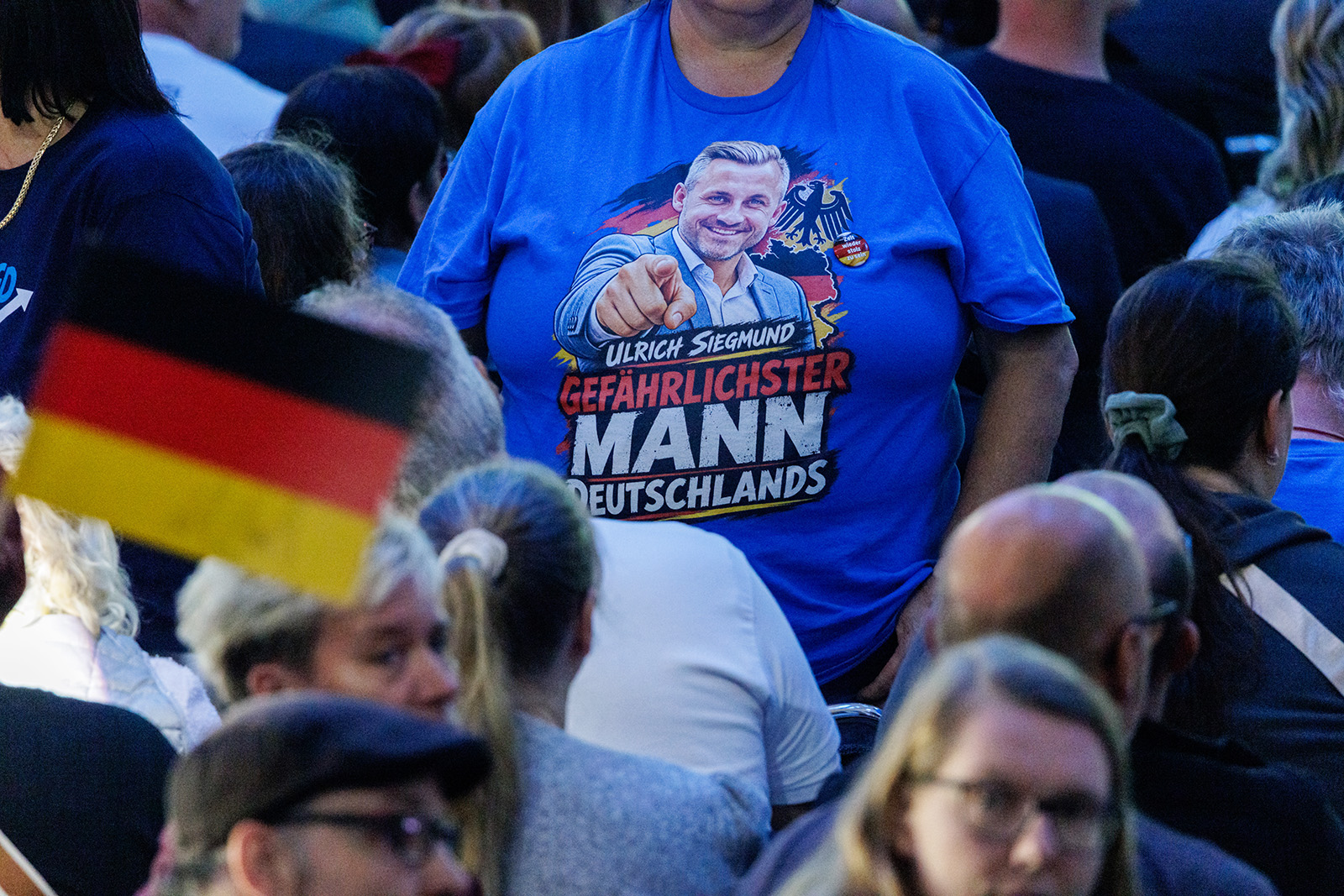
Yet a fundamental misunderstanding persists in many German newsrooms. Reports frequently say that more and more people are voting for the AfD even as the party becomes increasingly radical. The opposite analysis is more persuasive: more and more Germans are voting for the AfD because it is becoming increasingly radical.
Antisemitism, anti-Muslim racism and hostility towards Sinti and Roma are not confined to the political fringes but, studies show, are deeply rooted within mainstream German society. The AfD has succeeded in translating this into votes by presenting itself as the uncompromising defender of German Leitkultur — a supposedly dominant national culture also invoked, in less extreme forms, by more mainstream parties.
This is part of a distinctly German dilemma: the danger arrives with democratic legitimacy. In some eastern states, the AfD now commands the support of nearly half the electorate.
Since reunification, a profound divide has persisted between the territory of the former West Germany and that of the former German Democratic Republic in the east of the country. The AfD has so far achieved its greatest successes in the east. People there often complain that they are stigmatised and misunderstood, insisting that a vote for the AfD is merely a protest. Yet some of these supposed protest voters see no problem with Hitler salutes at AfD rallies or, as I witnessed in Magdeburg, with literally embracing neo-Nazis.
Related content

But this cannot simply be dismissed as an eastern German problem. The AfD is gaining ground in the west as well. It is hailed as a saviour by voters attracted to it precisely because it is hostile to Muslims, immigrants, queer and disabled people, and because it offers an authoritarian, ethno-nationalist vision of Germany. The country’s re-fascistisation is a pan-German problem. On Sunday, it became impossible to ignore.
The AfD has at times proved too extreme even for some of its counterparts on the European far right. Unlike parties that soften their presentation as they approach power, it increasingly makes little effort to disguise what it is or what it wants.
Saxony-Anhalt may only be the beginning. Elections will be held in Berlin and Mecklenburg-Western Pomerania in two weeks, and the AfD has already demonstrated what its escalating radicalism can achieve. The question is no longer whether such a party can win an election in Germany. It is what Germany’s institutions — and the people most endangered by it — are now expected to do.