
Labour conference is the easy bit — Burnham’s real test comes in a month
After weeks of ‘relatively easy’ crowdpleaser policies from the new PM, the 2026 budget will reveal what Andy Burnham really stands for

The easiest audience in British politics sits in a conference hall. The seats are filled with people who have given up days off and paid to be there, party members willing to show their adoration and genuine fans who have queued outside to see their beloved leader.
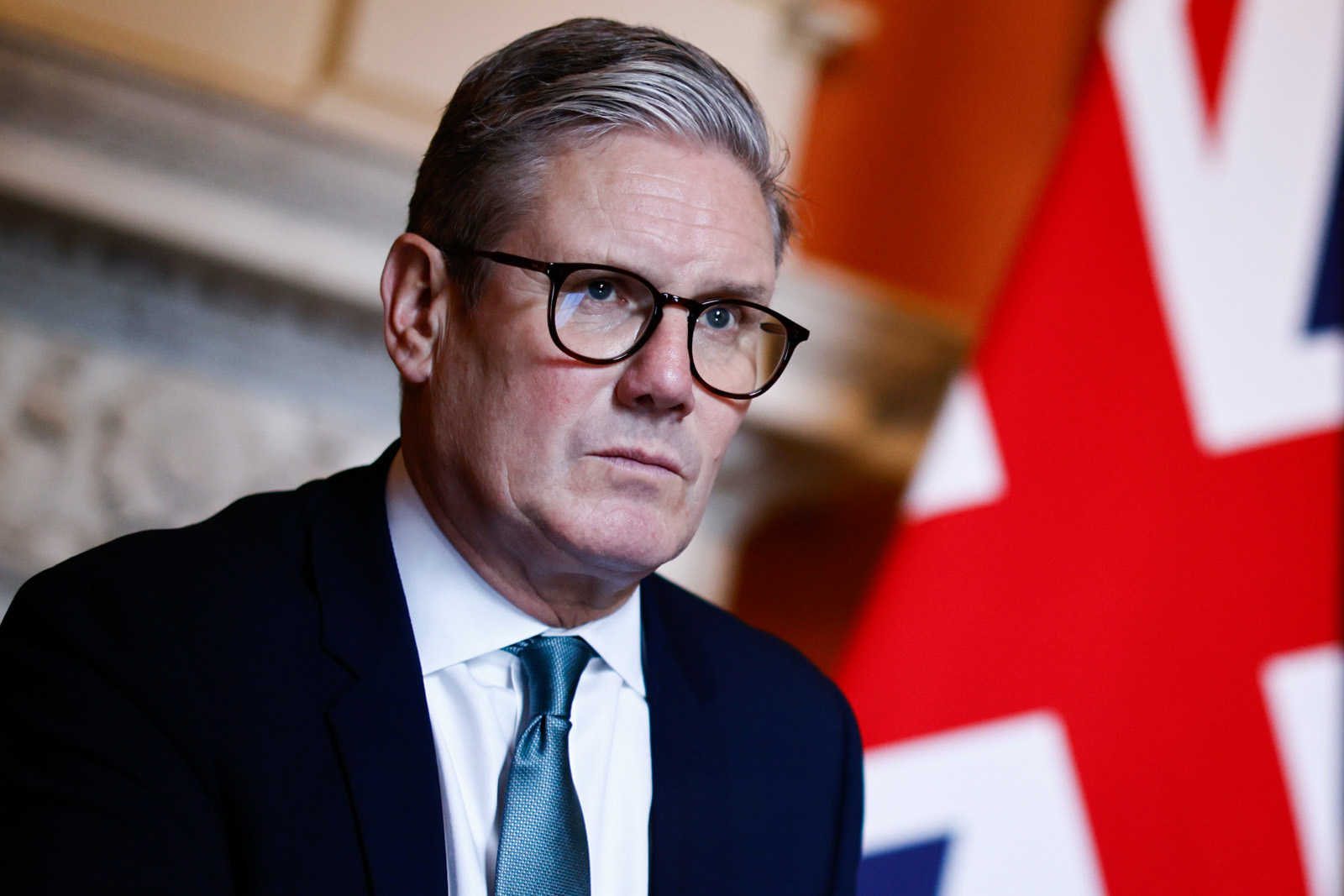
Next week in Liverpool, Andy Burnham will address the Labour Party conference for the first time as prime minister, speaking to a room that will be overjoyed that the prince across the water has finally become king. If he wanted to, the prime minister could spend 15 minutes talking about the UK’s weather forecast and he would be cheered — it’s almost impossible to get that moment wrong. Take it from someone who has watched a lot, and I mean a lot, of conference speeches. Even Keir Starmer, a man who had no charisma, was able to walk off stage each autumn feeling like Mick Jagger.
It’s all a bit trivial, in truth. The media’s attention will focus on the moment and Burnham’s performance — but the real test is on 28 October, when he won’t be taking centre stage, and instead his chancellor will be front and centre at the despatch box, delivering the first budget of the Burnham era, giving us our first proper look at what this government really stands for.
We know Burnham is passionate about devolution and the headline we’ve been told to expect from the budget is that it will move “power and money out of Westminster, and into every postcode around Britain”. The challenge, however, is that the economy is not growing particularly fast, and there just isn’t actually much money to actually move.
The disruption caused by the war in Iran is affecting supply chains, inflation and borrowing costs. Bloomberg Economics estimates that the surge in gilt yields will wipe roughly £12bn from chancellor John Healey’s £23.6bn buffer and recent growth forecasts have warned of a growth downgrade if the UK does not get its debt payments down.
The budget, therefore, is likely to require some difficult decisions. So far, we haven’t had a huge amount of direction of what they are likely to be. Burnham has signalled caution on tax and spending, warning against tax rises — speaking in New York this week, he said: “We [Labour] have had two budgets in 2024 and 2025 and we have to be conscious of the extent to which we have raised revenue.”
But not everyone is convinced. Andy Haldane, the former chief economist at the Bank of England, who had previously advised Burnham, said earlier this month that the markets believe “a traditional tax-and-spend socialist government with better TikTok videos” is coming.
So far, everyone in the Treasury I have spoken to has rejected that, saying that they will show restraint and that the budget will reassure the markets. I’ve heard those lines before. One of Starmer’s first and most damaging moves was to strip the winter fuel allowance from pensioners in a move that was meant to signal to the markets that Labour would be a sensible government. Instead, the policy, which wasn’t in the manifesto, enraged constituents and MPs and became an early factor in Starmer’s ultimate undoing. Burnham watched all of that from Manchester — so he should know that the financial markets are not the only audience capable of punishing a Labour government. Being at the total whim of market sentiment can be unwise.
Labour’s own electoral coalition under Burnham is still being assessed and the big question is whether what we saw in his by-election victory in Makerfield, where he united the progressive vote, can be replicated nationwide. Exclusive polling by Opinium for Zeteo UK carried out on 11 September found that eight in every 10 Liberal Democrat and Green voters remained open to switching allegiance depending on the direction Labour takes. A wealth tax on individuals worth more than £10m would make 37% of those voters more likely to back Labour; raising the personal allowance to at least £15,000 would do the same for 36%.
These are the policies that progressive voters would like to see; Burnham has neither totally ruled them out nor committed to them. That ambiguity served him well as a candidate. It will not survive a budget.
Related content
But tax and spend is, of course, not the whole story. Getting the economy growing is arguably the most important part of any budget. Darren Jones, who only months ago sat at the heart of both Downing Street as chief secretary to the prime minister and chancellor of the duchy of Lancaster, told me on my show this week that the government had far more to do on “stimulating the underlying dynamism of the private sector economy” and that the UK needs “businesses and investors willing to take a risk and invest in people in order to stimulate growth”.
Few people know the numbers better than Jones, who served as the chief secretary to the Treasury, and his comments should be viewed as pointed intervention. Those on his wing of the Labour Party will be pushing Burnham and arguing their position that no amount of redistribution, or tax and spend, will solve a growth problem — they will want to see business-friendly policy. One Labour MP and former minister from that wing of the party said to me: “We’ve heard a lot from Andy; it’s all been relatively easy stuff. Budgets are where you have to make hard choices and we will finally see who he is.”
After the budget, there will be no illusion about what a Burnham government really looks like. While Liverpool will tell us what Burnham wants Britain to believe, it is the budget that will tell us what he really believes himself.
Shehab Khan is Zeteo UK’s political editor