
MPs’ support for Starmer will be cold comfort if Trump hikes UK tariffs
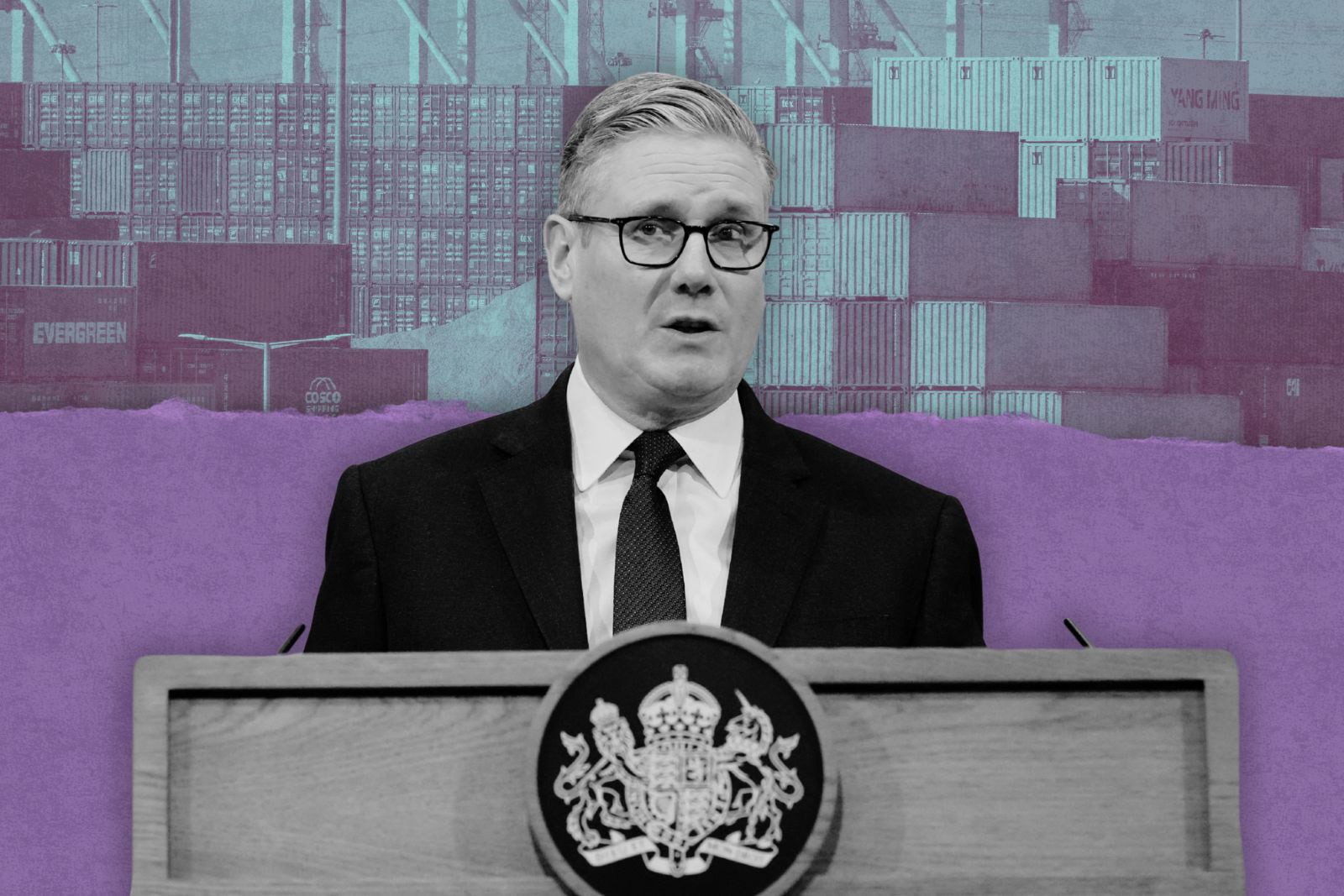
The prime minister has won political support for refusing to join the war with Iran. But America has the power to make Britain pay

Keir Starmer is often portrayed, by his own backbenchers as much as his opponents, as someone who changes his mind rather often.
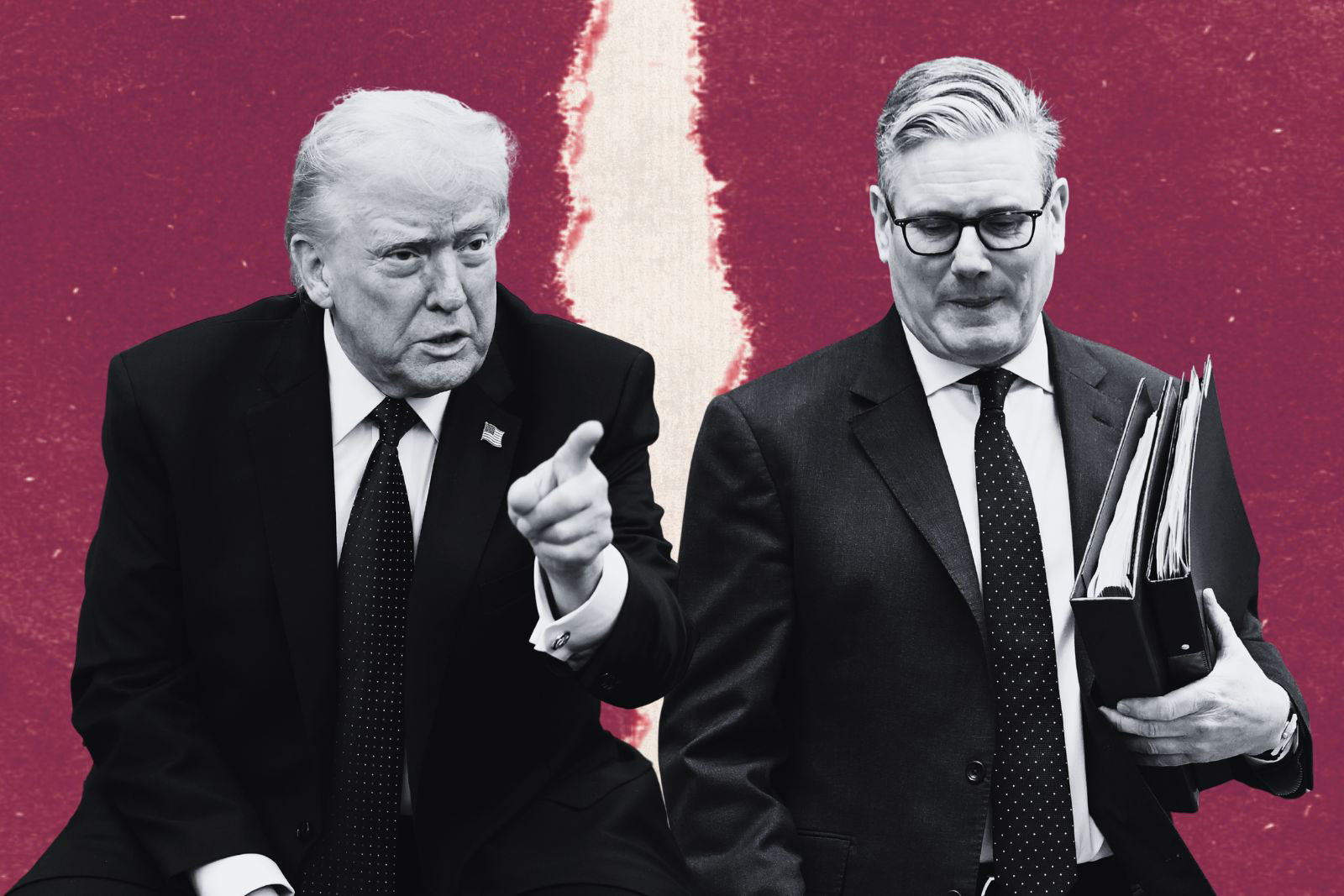
So the sight of him standing at the despatch box this week and telling the House of Commons again that he will not yield to Donald Trump has produced some grudging admiration around Westminster from friends and foes alike.
“I’m not going to change my mind,” Starmer told MPs. “I’m not going to yield. It is not in our national interest to join this war and we will not do so.”
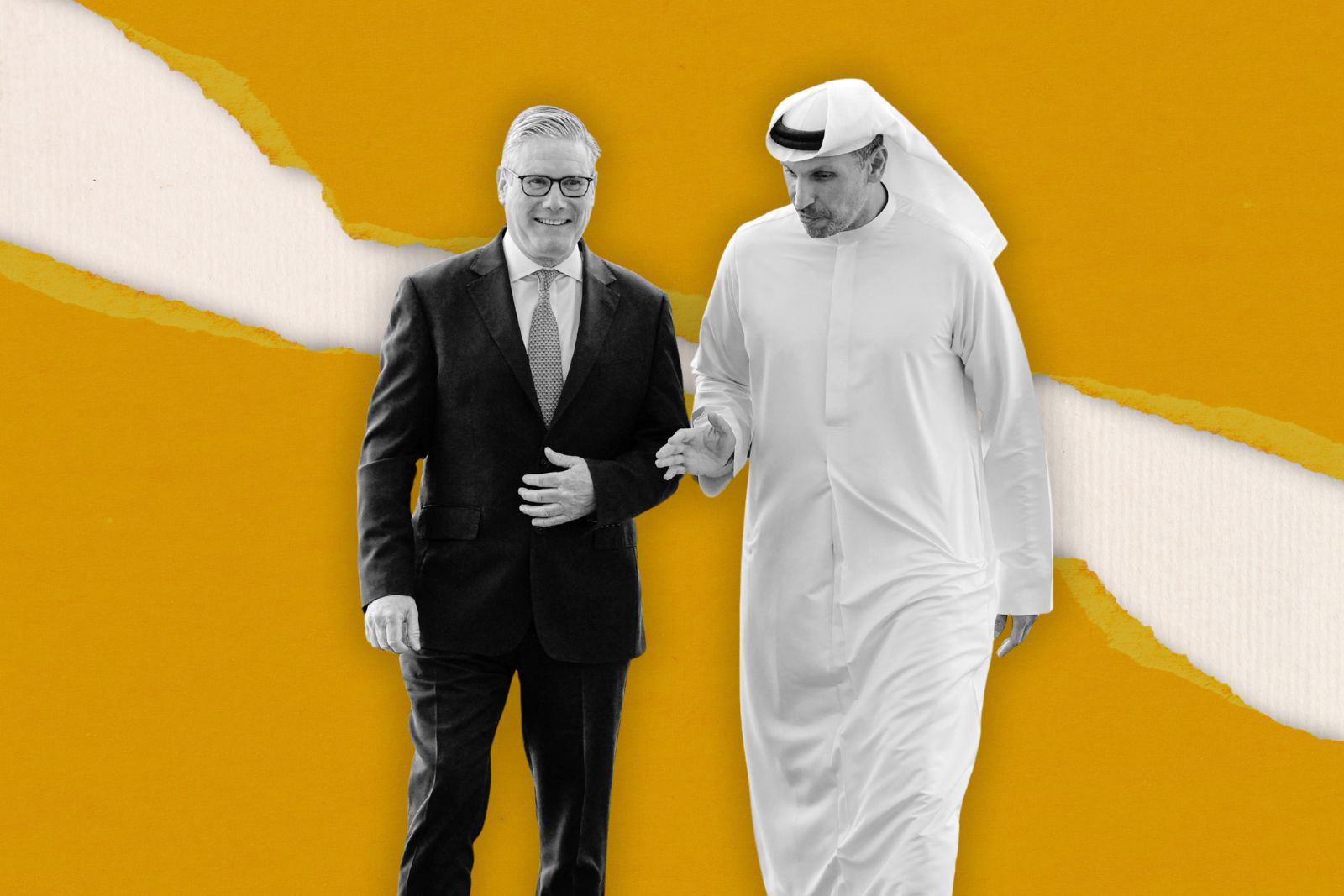
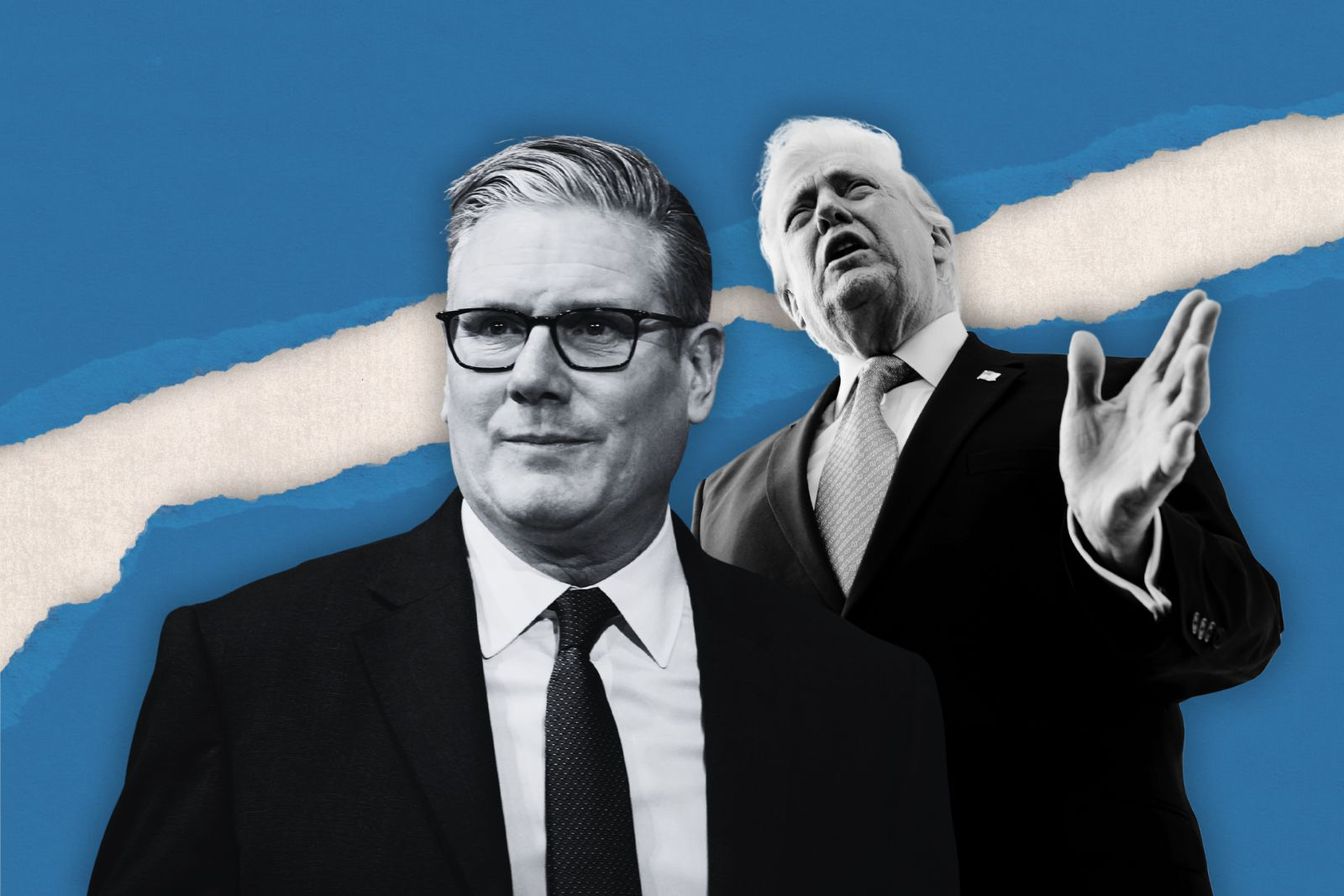
The language was unusually direct and not well received in the US. Trump, interviewed by Sky News after Starmer’s Commons statement on Wednesday, was asked about the special relationship. The president responded that the UK was “not there” when America asked for help and then ominously said that the tariff deal struck last May “can always be changed”.
Trump has repeatedly been critical of Starmer in the last few weeks, at one point saying he was no Churchill. But it is the line about trade, rather than the personal jibes, that has spooked many in Westminster. “He is telling us the price,” one senior Labour MP said to me. “It will hit our economy hard if he changes trading arrangements.”
If Trump decides to punish the UK, which is not beyond the realms of possibility, the consequences for an already weak economy that is being hammered further by the war could be significant.
To make matters worse, Labour peer and former Nato secretary general George Robertson chose this week to accuse both current and former British governments of “vandalism” for their years of supposedly low defence spending. Britain, he told the Financial Times on Tuesday, could not be defended with an “ever-expanding welfare budget”.
While there are commitments to reach 2.5% of GDP being spent on defence by 2027 and then 3% in the next parliament, many within the military I have spoken to say that will still not be enough. For their part, several senior Labour MPs — both backbenchers and ministers — have argued to me that cutting the welfare budget is not the solution. Graeme Downie, a Labour MP who has long called for additional defence spending, told the Guardian: “This cannot be a fight between defence and welfare. The solution needs to be more creative and focused on a whole-of-government approach to security and resilience.”
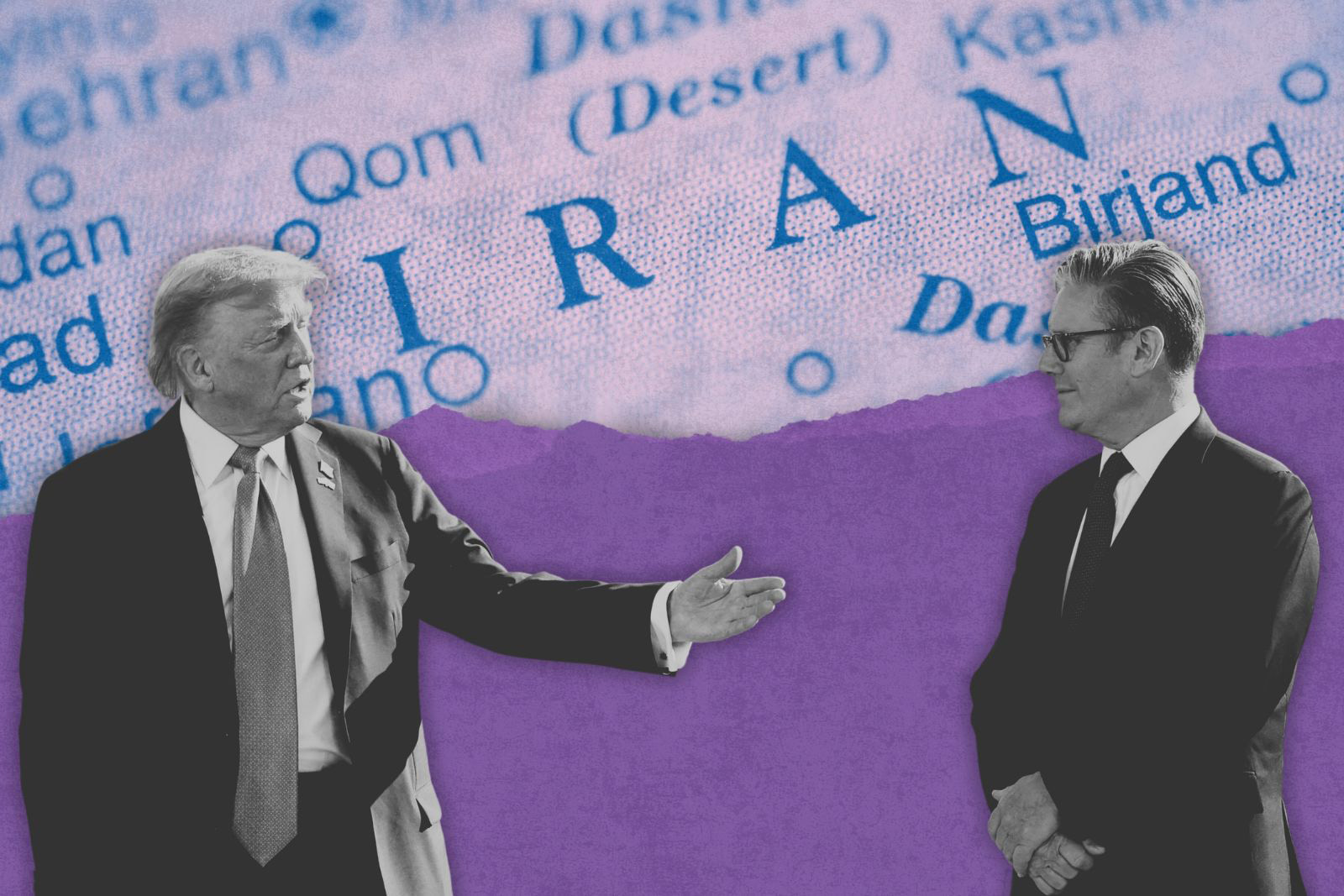
Ministers are being open about the frustration of having to deal with a war that ultimately had nothing to do with the UK. Several I have spoken to in the last few weeks have made it clear to me they are exasperated that this is changing the calculation of nearly all policy decisions. Some, including the chancellor Rachel Reeves, are making their feelings known publicly.
In the Mirror this week she called the war a “mistake” and said she was “frustrated and angry that the US went into this war without a clear exit plan”. This is not language a chancellor deploys about an American president lightly, but it is easy to see why she feels this way: the IMF this week cut its UK growth forecast from 1.3% to 0.8%, just as Reeves and Starmer were tentatively arguing the economy was, at long last, turning a corner.
To coordinate what is becoming a sprawling response, a new Middle East response committee has been set up inside government. It is made up of two groups: one ministerial and one containing officials from several government departments, mirroring the committees that were set up during the pandemic.
Related content
Worst case scenarios where CO2 and fuel supplies start running low are actively being planned for. “It’s sensible to do this but it shows where we are at,” one Labour backbencher told me. “I’m impressed he [the prime minister] is holding firm but I worry the consequences could be so bad.”
There is an acceptance in government that, the longer this war goes on, the worse things will become for the UK. When the prime minister’s spokesperson was pushed repeatedly at a journalists’ briefing about what Number 10 was doing right now to tackle the problem, his main answer was that the UK and France would co-host a summit on Friday for more than 40 nations working to reopen the Strait of Hormuz. Yet there is little indication of whether, or how, Britain could actually compel the US, Israel and Iran to do this.
The US-Iran ceasefire expires early next week, though there has been speculation it could be extended. Either way, it is clearly fragile, and while the UK did not start this war we are dealing with the consequences. Starmer is standing firm for now, but the price is likely to be paid in supermarket aisles, Treasury spreadsheets and the quiet reordering of a state that does not have the money to do everything at once.
Shehab Khan is an award-winning presenter and political correspondent for ITV News.