
Government dashes social housing hopes by ruling out mandatory targets

Andy Burnham’s government accused of ‘caving to developers’ in response to National Planning Policy Framework consultation

Andy Burnham has been accused of repeating “maddening” mistakes after ministers snubbed a proposal to set a mandatory target for the proportion of social rent homes in large developments — despite 1.3 million households languishing on decades-long waiting lists.
An investigation by Hyphen last year exposed the dearth of social rent homes that had been greenlit for construction during Labour’s first six months in power, which led to the Green Party urging the housing minister to adopt targets for social housebuilding for the first time.
Labour voted this down, saying the changes were “not the right way forward”, but went on to propose the setting of such a target in a consultation on the National Planning Policy Framework (NPPF) at the end of 2025, raising campaigners’ hopes.
Related content
On Monday, however, the government said it had “decided not to set a fixed minimum proportion of social rent at this time” — despite 55% of the 814 respondents backing the proposal.
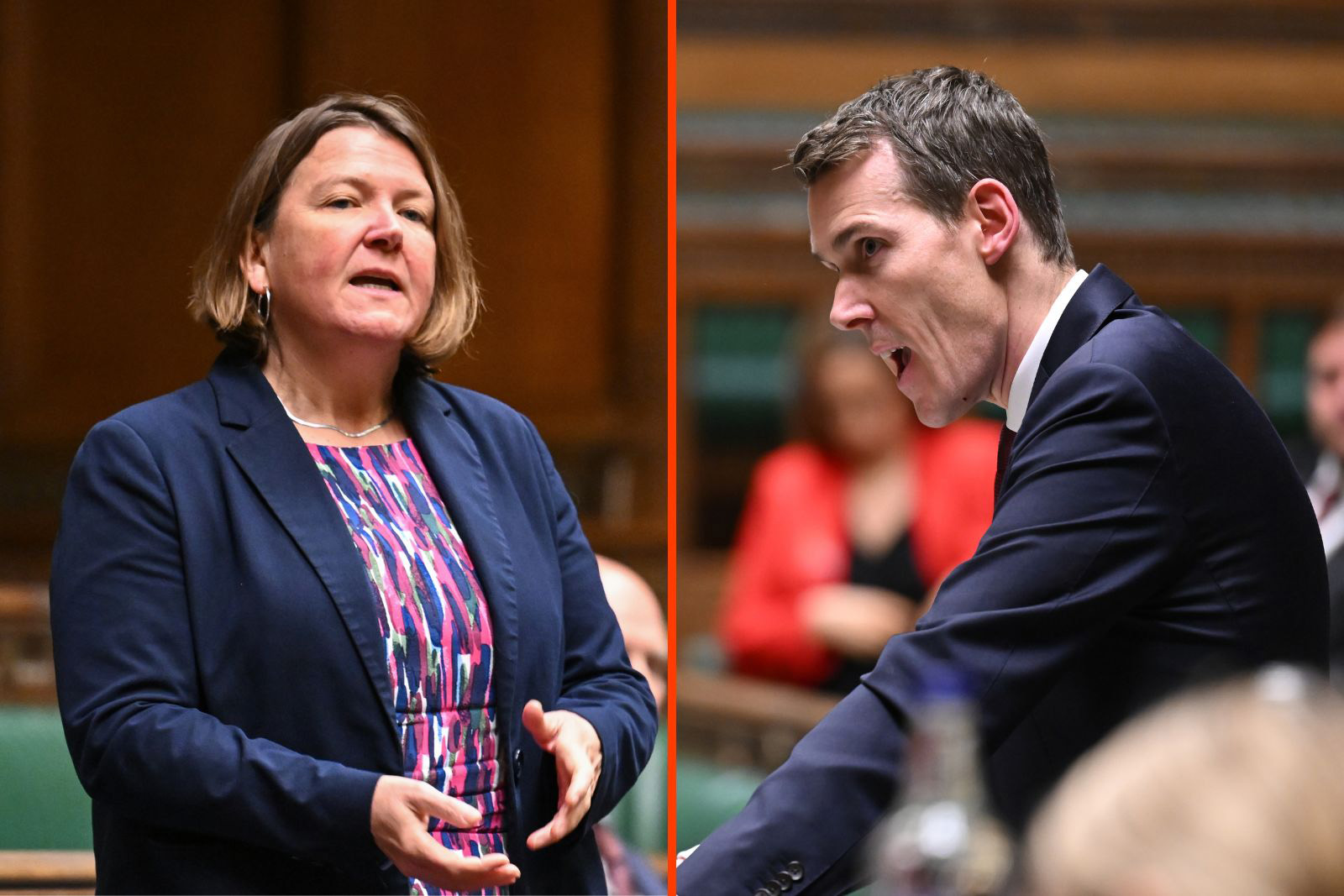
“The Labour government talks about council and social housing but never delivers,” the Green Party’s co-deputy leader Mothin Ali said in a statement to Hyphen.
“With this consultation, they had an opportunity to mandate quotas but have once again caved in to the developers. The Green Party attempted to amend the planning and infrastructure bill last year to set watertight quotas but the Labour government blocked it.
“It doesn’t look like the change of face at the top of the government, including a new housing secretary, will make any difference at all. Andy Burnham’s Manchester was infamously a developers’ playground and it looks like he’s going to carry this on nationwide now.”
Social rent, meaning council housing or its equivalent, is typically about 50% of the local market rate, determined by a government formula linked to relative local earnings and the size of a house.
Campaigners claim mandatory targets are needed to ensure enough council homes are built.
In the 2024-25 financial year, English councils granted planning permission for just 7,384 social rent homes, government data released in March 2026 reveals — 3% of the total 235,000 homes that they greenlit.
The figures confirmed the findings of Hyphen’s investigation, which suggested that more than half of England’s councils had not approved the building of any homes for social rent during Labour’s first six months in government.
A third of councils in England responded to our freedom of information requests. Just 6.2% (3,147) of the more than 50,000 homes approved by these 119 local authorities between July and December 2024 were earmarked for social rent, the responses showed.
Sixty of the councils that responded to our FoI requests in 2025 — including areas such as Luton and Slough, and London boroughs including Harrow and Kensington and Chelsea — did not greenlight the building of a single social rent home in those six months.
Hyphen repeatedly asked Burnham — in the weeks before and after he became prime minister — if he backed mandatory targets for social rent housing delivery. We did not receive a response.
“Many respondents argued that a national requirement could reduce local flexibility, fail to reflect site-specific viability constraints and risk slowing overall delivery of both affordable and market housing,” said the government in its response to the consultation feedback. “Responses emphasised that targets should be set locally, based on evidence of need.
“The government will continue to require authorities to identify the proportion of social rent needed in their areas and set out requirements clearly in local plans.”
One expert said the approach, which the government insists will be kept under “review”, calls into question Burnham’s pledge in June to “oversee the biggest council house building programme since the post-war period”.
“I don’t understand what mechanism they think they’re using to deliver the biggest council house building programme since the war,” said Glyn Robbins, a housing academic and campaigner.
“Unless you have targets, unless you have those requirements, then how are we ever going to get there?
“How are they going to make that happen, if they don’t at least have some minimum requirements that councils and developers are aware of and know are non-negotiable? How is it going to work? They’re relying on what, good will?
“There is nothing that’s happened in the last 30 or 40 years to suggest that this will work. It’s maddening because we’ve seen and heard all of this before.”
The revamped NPPF also loosens planning policy by introducing a new “default yes” approach for home-building within reasonable walking distance of well-connected train, tram and underground stations. Housing secretary Angela Rayner said this would help “tackle the housing crisis” by “unlocking thousands of homes around well-connected transport hubs”.
In an equality assessment to the NPPF changes, the government said of its decision not to set a mandatory target for social rent homes: “We are not making changes to the NPPF to introduce this policy at this time, following concerns raised through the consultation that this could have an adverse impact on overall numbers of affordable and social housing, and undermines [sic] local flexibility.”
Muslims are substantially more likely to live in social rented housing than any other faith group in England and Wales, and four times more likely to live in overcrowded homes, according to the 2021 census.