
Sadiq Khan urged to investigate police role in referring babies to Prevent
Most referrals of young children to Home Office’s counter-terror scheme in England and Wales were made by police, with stark regional differences

The mayor of London is being urged to investigate the role of the police in referring babies and toddlers to the Home Office’s counter-terror scheme, in response to data exclusively uncovered by Hyphen.
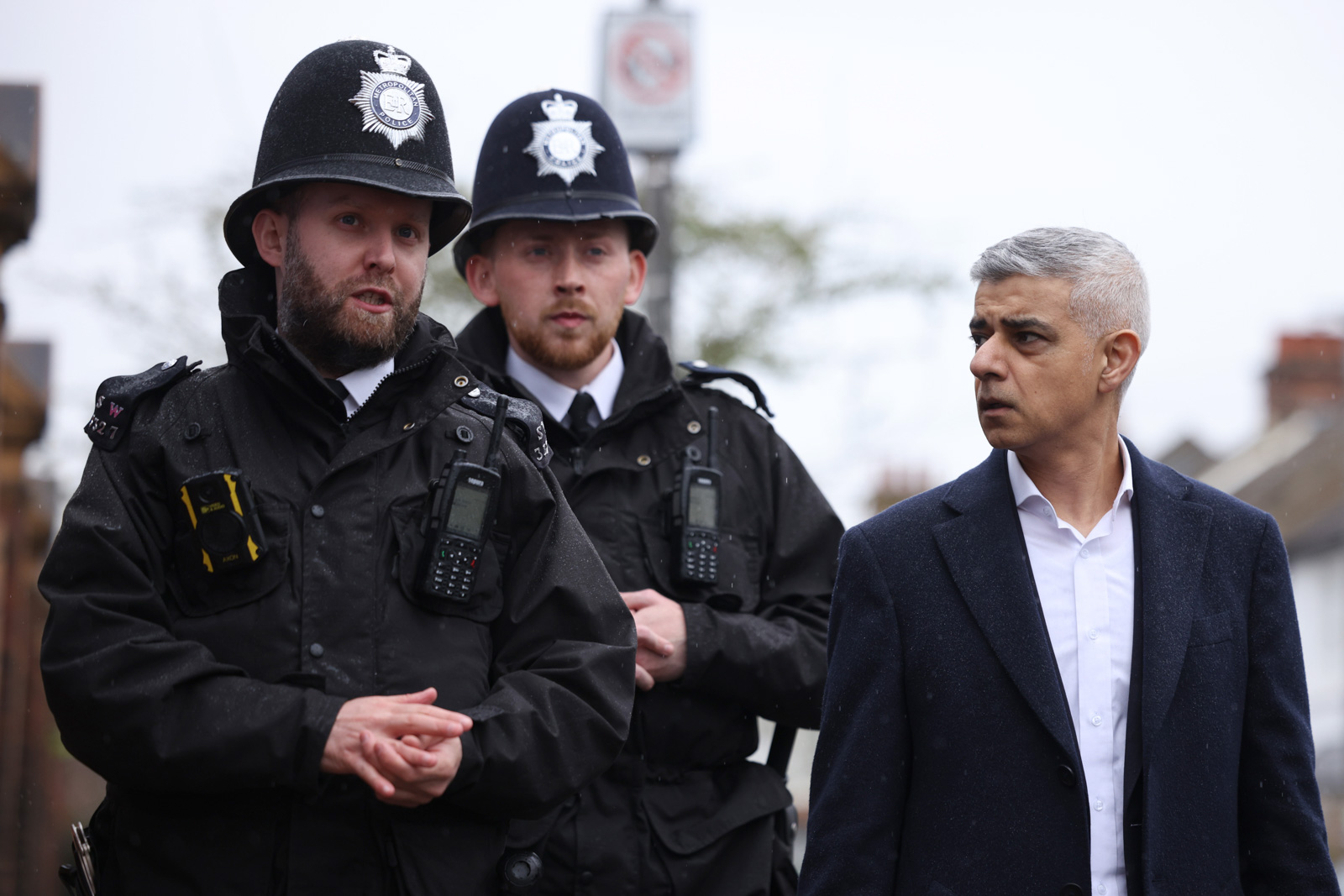
Sadiq Khan, who oversees the Metropolitan Police — Britain’s largest police force — will be quizzed at mayor’s question time on Thursday over new data that shows children aged three and under in London were referred to Prevent 77 times between 2016 and 2025, more than anywhere else in Britain. The Home Office has resisted telling Hyphen how many of these referrals were made by the Met, but higher-level data obtained through multiple freedom of information (FoI) requests shows that police in England and Wales — including the Met — were responsible for more than half (125) of the 216 such referrals over the nine years.
Related content

Police were three times as likely to refer a baby or toddler to Prevent as education workers such as nursery staff, who made 43 such referrals.
The disparity is even starker when referrals are broken down by reports due to so-called “Islamist concerns”, for which 151 babies and toddlers were reported in total. The policing sector made about 64% (96) of these referrals, the data shows.
The figures mean that a disproportionate amount of police activity when it comes to Prevent referrals is concentrated on babies and toddlers. Across all ages, police were responsible for a much lower percentage of overall Prevent referrals in the year to September — 31%, or 3,208 referrals out of 10,293 — according to the most recently published government data. That is fewer than the 3,496 (34%) that came from the education sector.
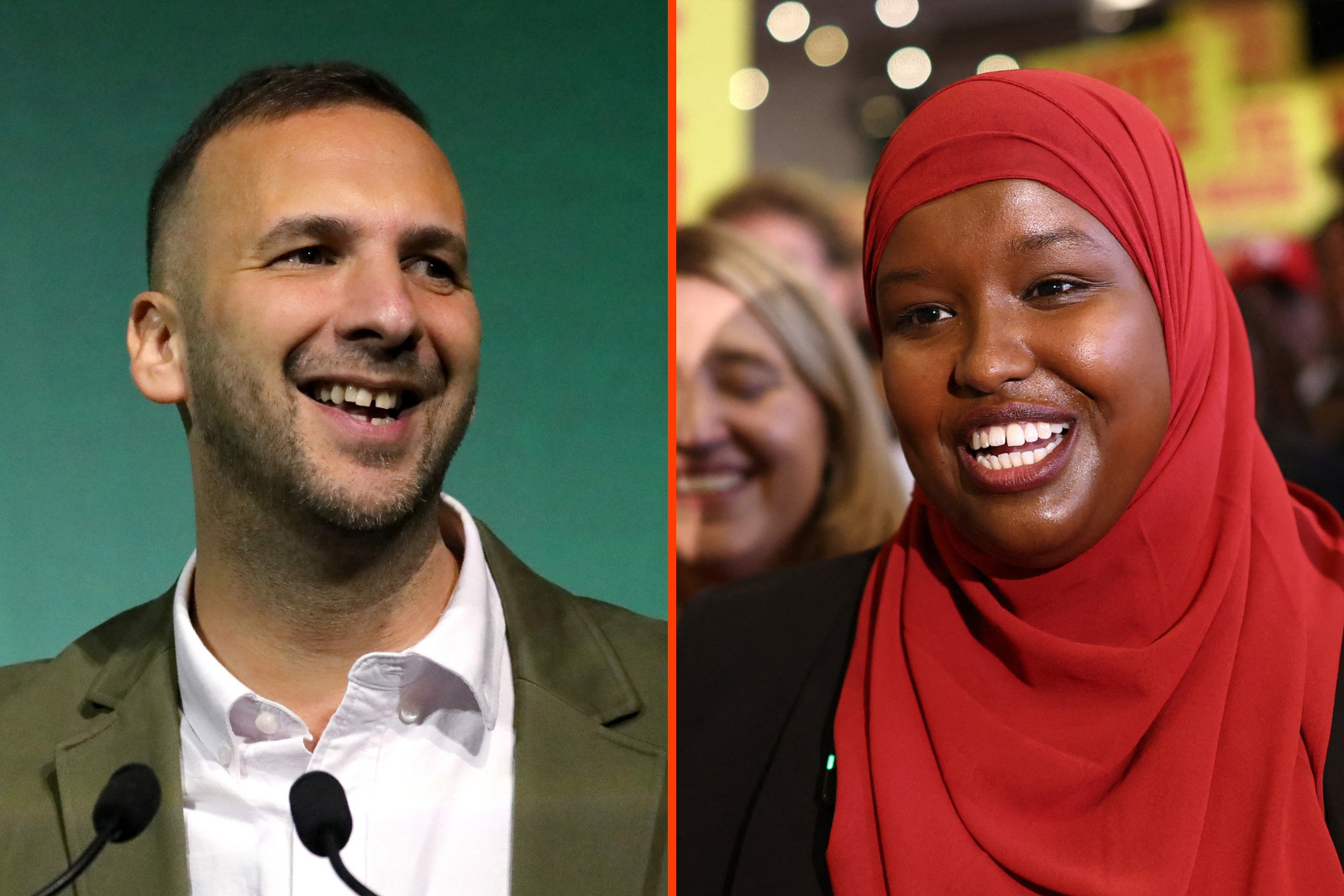
“It’s utterly stunning data,” said Green Party London Assembly member Benali Hamdache, who is set to question Khan over our findings at the mayor’s question time at City Hall.
“The idea that someone has flagged an infant as an extremist is truly shocking and speaks to a waste of police time and resources, stigmatising of literally infants and babies and an absolutely wrong-headed approach to anything like this.
“I’ve heard for a long time the damaging impact that a wrongful Prevent referral can make to someone’s life, whether that’s their ability to access education or work or opportunity. It’s deeply concerning to me that a young person less than four could have this on their record for a very long time.”
Children aged three or younger living in London were also more likely to be flagged to the counter-terrorism scheme for specifically “Islamist concerns” than those elsewhere in England and Wales, making up about 42% (63) of all such referrals nationally.
That is the case even factoring in that 16.5% (422,322) of the 2,552,048 youngsters in England and Wales in this age bracket were living in London as of the 2021 census, and that about 21% of children aged two and under in London were recorded as being Muslim.
Other hotspots for the referral of babies and toddlers to Prevent for any reason and from any sector were the West Midlands (37 referrals), the East of England (27) and the East Midlands (25), the data shows.
At the other end of the scale, not a single child in that age bracket living in Scotland was referred to Prevent over the nine years for which we analysed data.
A senior police source, speaking on condition of anonymity, said: “These figures are shocking and deeply concerning, particularly given that the majority of referrals involving babies and toddlers are made by the police.”
They said the use of counter-terrorism referrals in such cases must be “urgently scrutinised”, adding that: “The significant variation between regions appears to point to very different approaches to Prevent.
“It raises serious questions about the processes and safeguards used to set and apply thresholds for referral.”
Hamdache added that he was “deeply concerned to see that disproportionality in London”.
“It does speak to me concerns about how practice and approach might be happening in regards to Prevent in London, which have been concerns to me for a while,” he said.
“I’ll absolutely be taking this to decision-makers to question what is happening in London, because, very clearly and very frankly, infants and babies should not be referred to Prevent.”
Hyphen asked the Home Office how many times police in different regions had referred babies and toddlers to Prevent over the nine-year stretch, but it failed to respond within the 20-day statutory time limit set out in FoI legislation.
Apsana Begum, Labour MP for Poplar and Limehouse, in east London, called for clarity over the Met Police’s role in referring babies and toddlers to Prevent.
“That children not even a year old are being referred to Prevent should concern us all,” she said in a statement emailed to Hyphen.
“The Prevent programme has been shown time and time again to foster discrimination against Muslims and this data suggests that the Metropolitan Police have questions to answer.”
The human rights charity Rights & Security International (RSI) raised concerns in 2025 that the personal data of those referred to Prevent may be being duplicated across a “convoluted spider’s web” of publicly administered databases, where it may remain visible to police, immigration authorities and other agencies even after the initial entry has been deleted.
Hyphen asked the National Police Chiefs’ Council (NPCC) if Counter Terrorism Policing Headquarters (CTPHQ) — the policy, strategy and coordination nerve centre for the UK’s 11 regional counter terrorism and intelligence units — held any policies on whether children should be reported to Prevent automatically in the event that a member of their family, such as a parent, has been referred.
The NPCC, which represents police leaders across the UK, snubbed our FoI request, claiming it would cost too much to answer, but said: “Whether or not a family member should also be considered for referral to Prevent by CTPHQ officers (presuming they have not been referred by a member of the public or statutory partner) is generally considered to fall within ‘policing as usual’ considerations under the Prevent duty and the CTSA [Counter-Terrorism and Security Act].
“If an officer identifies a relevant concern, the requirements of [the] Prevent duty take effect.”
Prevent, part of the government’s wider Contest counter-terrorism strategy, has a stated aim of safeguarding people from “becoming terrorists or supporting terrorism”.
The programme places a duty on specified authorities in England, Wales and Scotland, such as schools, universities, councils and NHS trusts, to report people if they are deemed “at risk of being drawn into terrorism”.
Reports to Prevent are assessed by police and councils and may be escalated to the government’s Channel programme, which decides whether to intervene and can develop “support” plans.
Channel is a “voluntary programme” where the subject of a Prevent referral, or a parent or guardian acting on their child’s behalf, consents for them to “receive support to address their terrorism susceptibilities and reduce the risk to them”.
Data obtained by Hyphen reveals for the first time that a small number of referrals relating to babies and toddlers were adopted as Channel cases.
Related content

No babies under 12 months old had their Prevent referrals adopted at Channel cases between 2016 and 2025, but between three and 12 cases relating to kids aged one to three were taken on, the data shows.
Prevent Watch, an advocacy and campaign group, has “documented numerous cases of babies caught up in Prevent’s dragnet”, the organisation’s director Layla Aitlhadj has said.
In one case, shortly after a mother had given birth, the first people the baby met were “not her family and friends but a Prevent officer and social worker who visited her hours after giving birth to express concerns about the baby being ‘radicalised’,” Aitlhadj wrote in a blog post.
Hyphen first revealed in 2025 that babies and toddlers had been referred to Prevent hundreds of times since 2016.
The RSI report in January 2025 noted that “official policy says the police must usually delete data stored on the designated Prevent database after six years [but] the data can remain in other databases indefinitely — risking real long-term impacts on the person referred, including children who have since become adults”.
The Home Office “strongly rejected” these findings, insisting “data on individuals at risk of being drawn into terrorism is held by the police only temporarily”, is “kept strictly confidential, except where a serious security risk arises” — and that it “does not maintain these individuals on watchlists”.