
A new and messy realignment of UK politics is at play in the local elections
As voters across the country prepare to head to the polls, emerging parties and independents look set to make significant gains

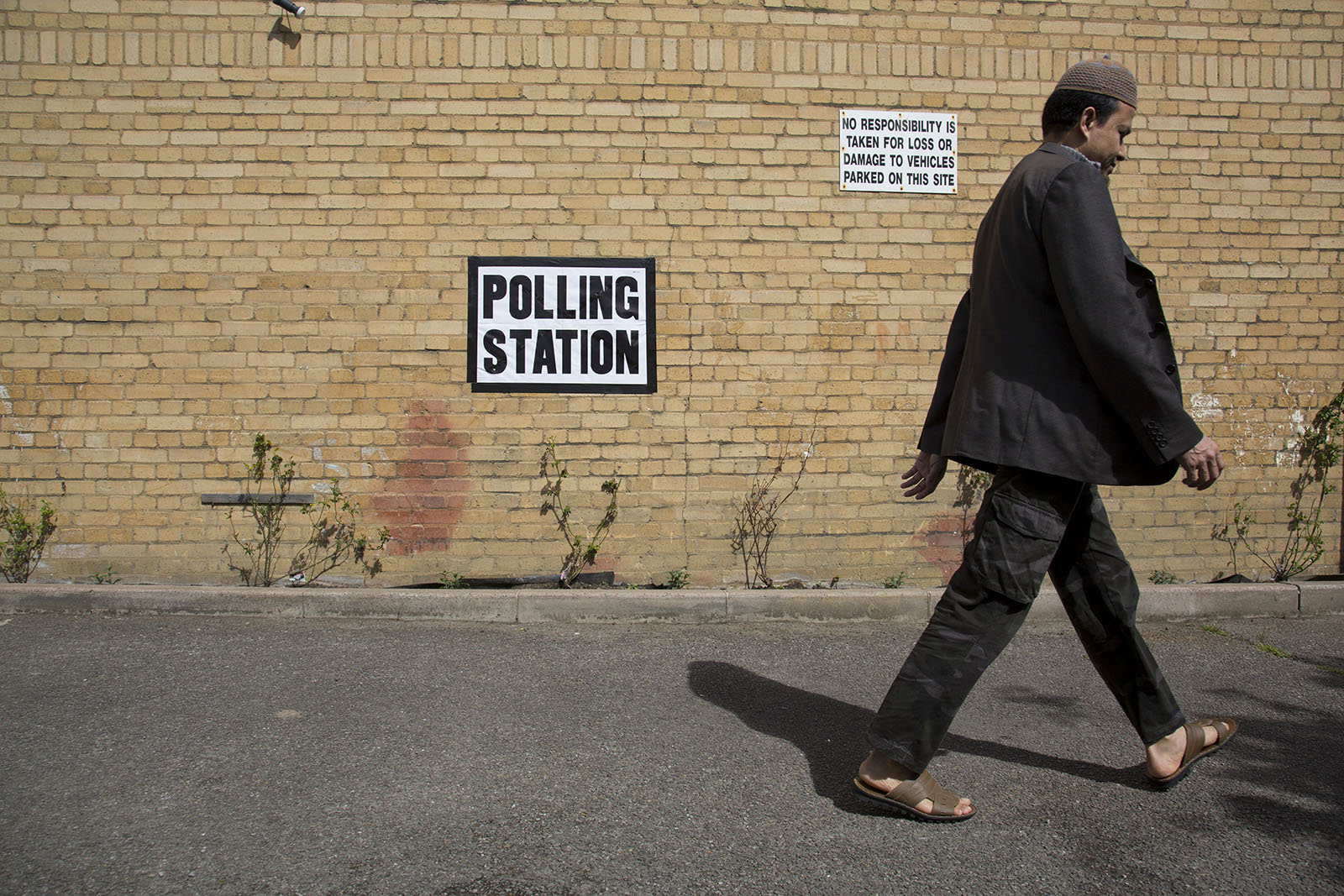
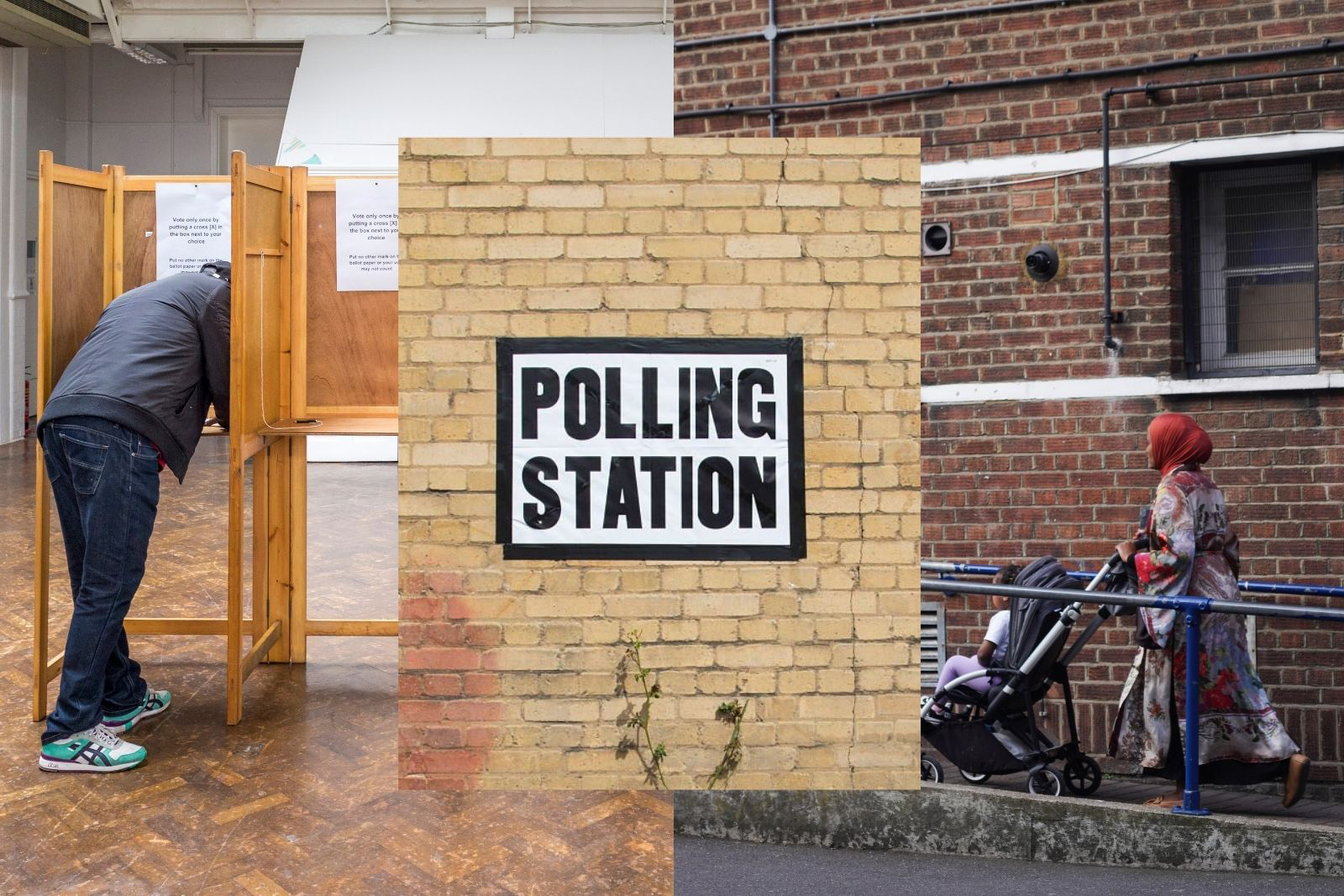
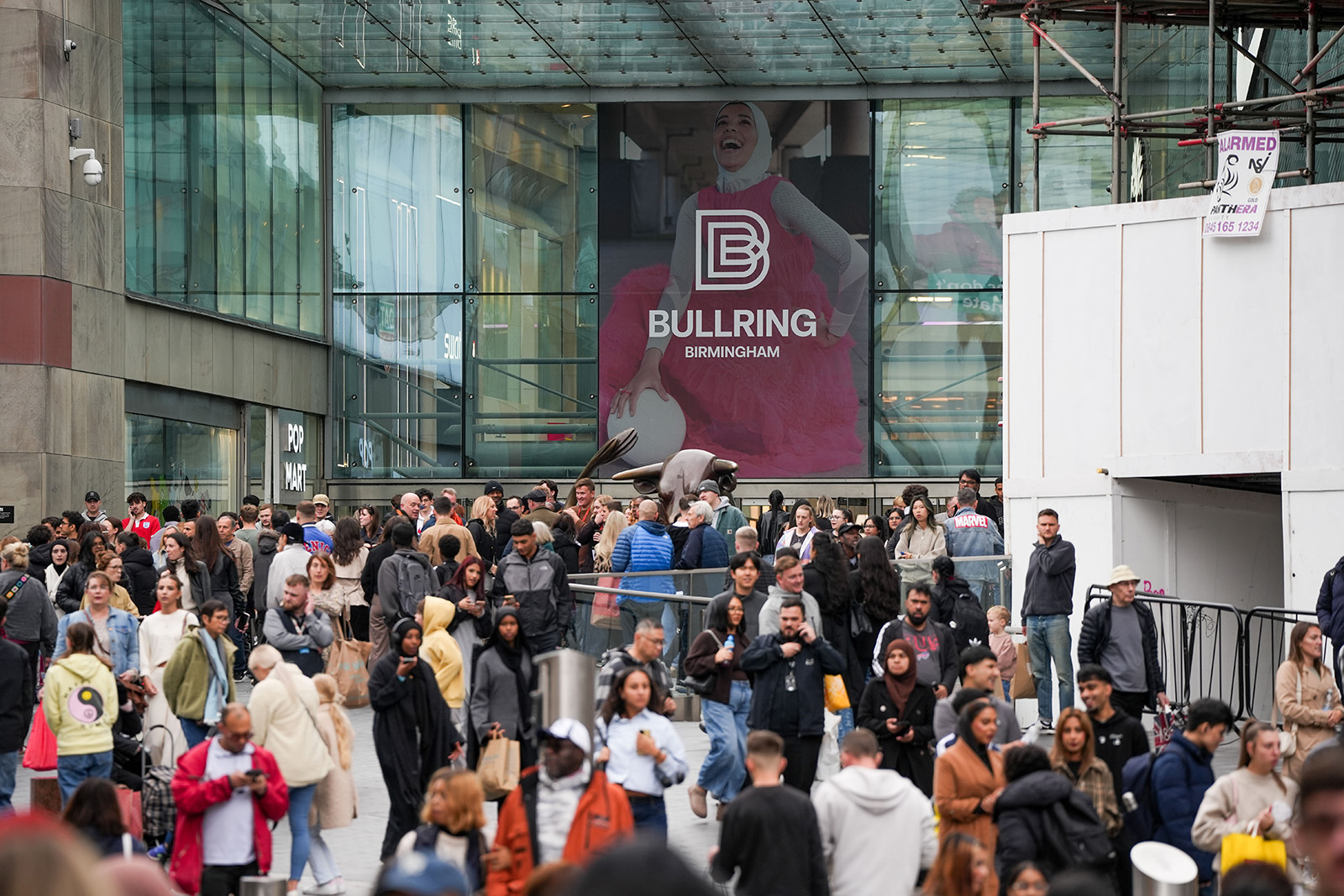
“Not Labour.” That was the most common answer I heard from Brummies when I asked how they plan to vote in the local elections on 7 May. Why? Take your pick, but piles of rubbish on the streets, pothole-ridden roads and the party’s weak stance on Palestine were all near the top of the list.
“Highways to hell” are how some local people describe the state of the roads in the predominantly Asian inner-city Birmingham wards of Sparkbrook and Sparkhill. Drivers can end up paying hundreds of pounds a week for car repairs.
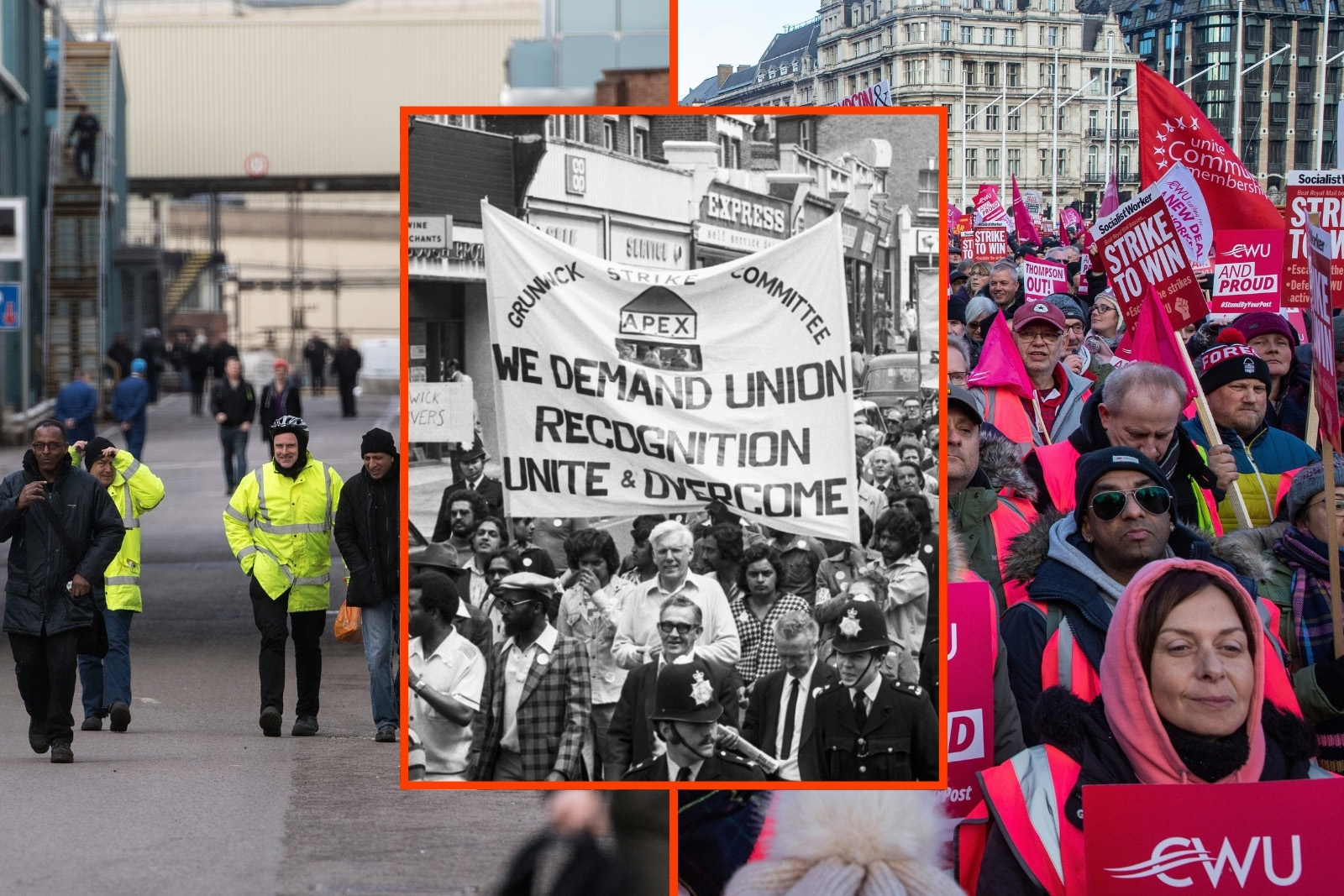
Then there’s the mountains of rubbish blocking pavements as bin strikes continue into their 16th month. Waste management workers say that if an agreement is not reached they could stand to lose £8,000 a year as Labour-run Birmingham City Council attempts to claw back savings. On the picket line outside the Tyseley recycling centre, a woman named Wendy tells me she is on the brink of homelessness as her rent has risen by £400 while her wages are likely to fall. A lifelong Labour supporter, she says she feels betrayed by the party she would once have voted for without batting an eyelid.
Related content
All of the independent candidates I met — the city has 71 of them standing for 101 seats — say they support the striking bin workers. The council’s financial woes, according to them, are self-inflicted and a result of mismanagement.
Almost all point to the hundreds of empty homes in Birmingham designed for, but not used by athletes at the 2022 Commonwealth Games, which are now to be sold by the council at a loss of more than £300m to the taxpayer. Then there’s the council’s new IT system, which was meant to cost £20 million to install but is now on target to cost more than seven times that with a final bill set to top £145 million.
On top of all that come Labour’s self-inflicted wounds on a national level: the appointment of disgraced party grandee Peter Mandelson as British ambassador to the US, and cuts to disability benefits and winter fuel payments — both of which the party eventually U-turned on but not before igniting a political storm.
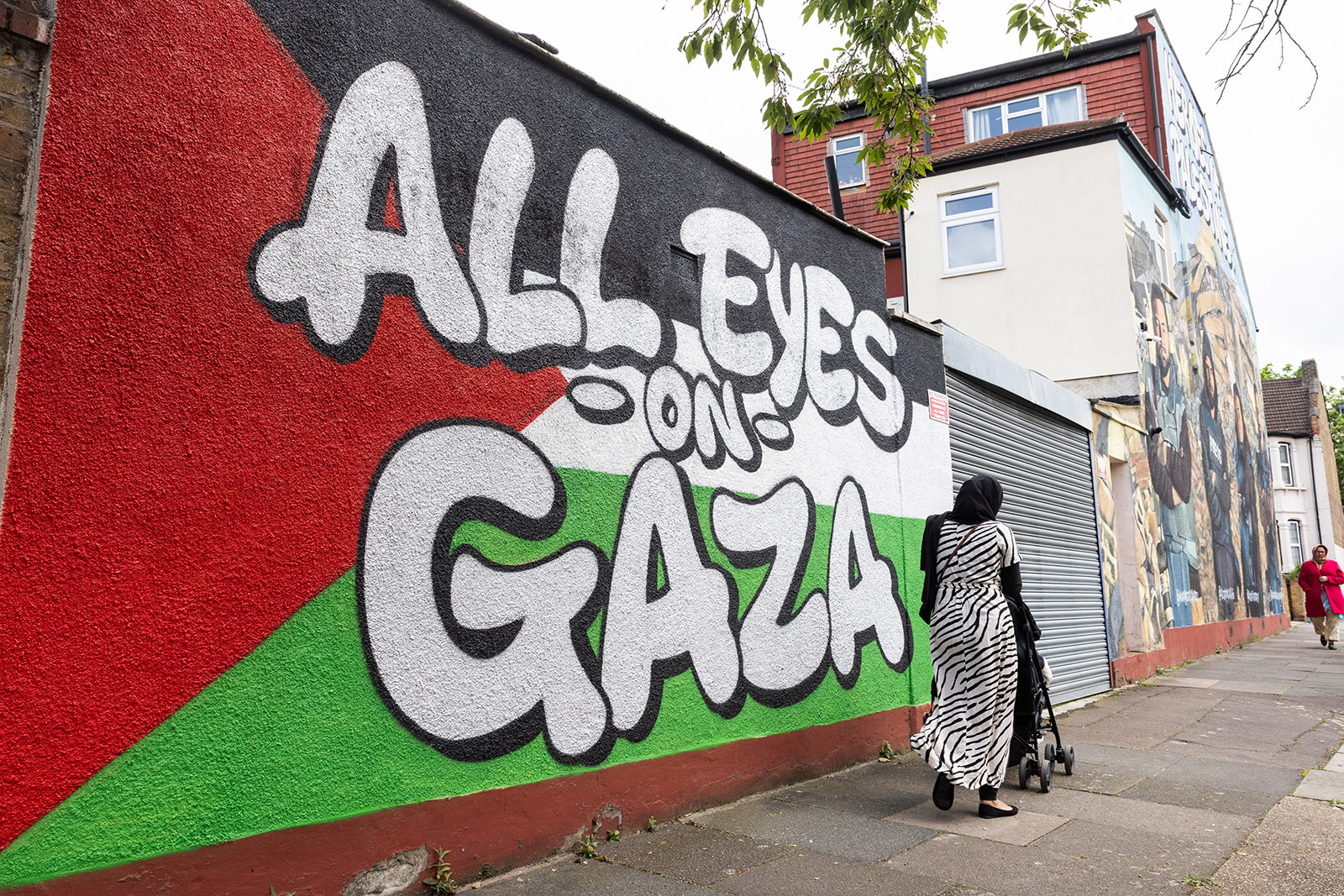
Foreign policy also looms large for many. Palestine flags still line the streets in some neighbourhoods and people haven’t forgotten Prime Minister Keir Starmer’s infamous LBC interview, in which he said that Israel “has that right” to cut off food, water and electricity to a civilian population in Gaza.
Labour, which initially refused to back a ceasefire, was punished in the 2024 general election, losing the seat of Birmingham Perry Barr to independent candidate Ayoub Khan. Previously safe seats such as Birmingham Yardley, Birmingham Ladywood, Birmingham Hodge Hill and Solihull North all became marginals overnight. In many ways, those results foreshadow what is likely to happen at the local polls next week.
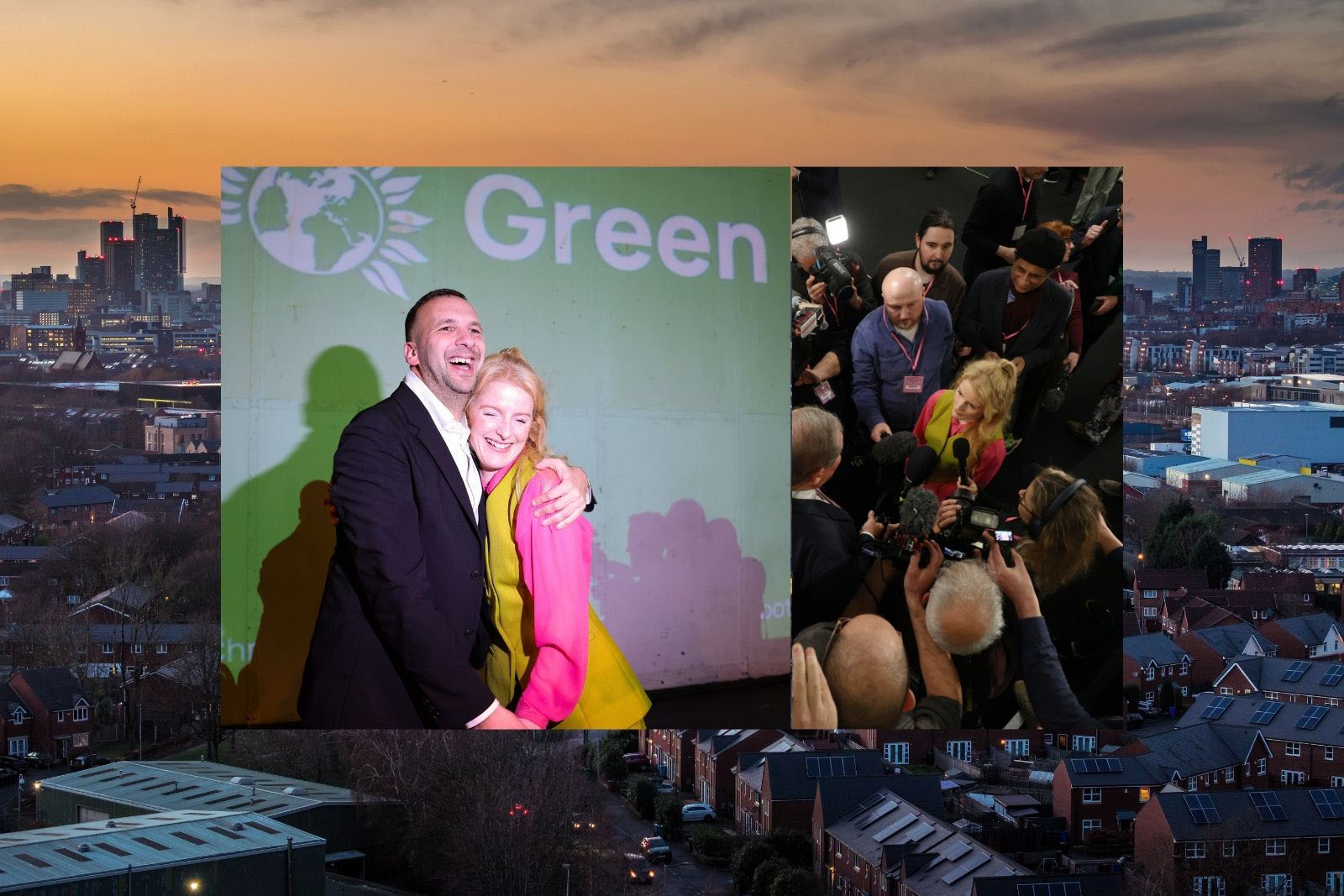
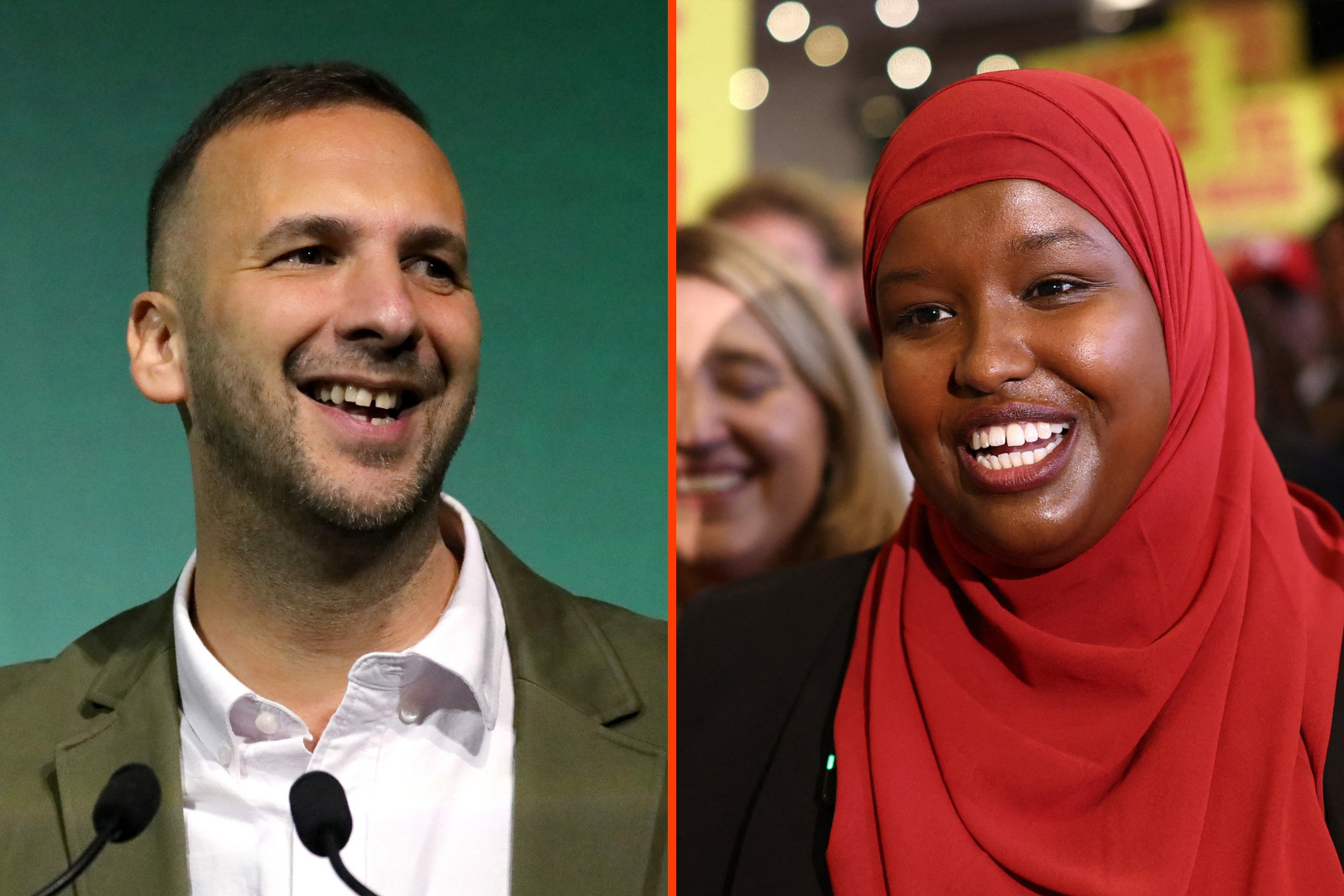
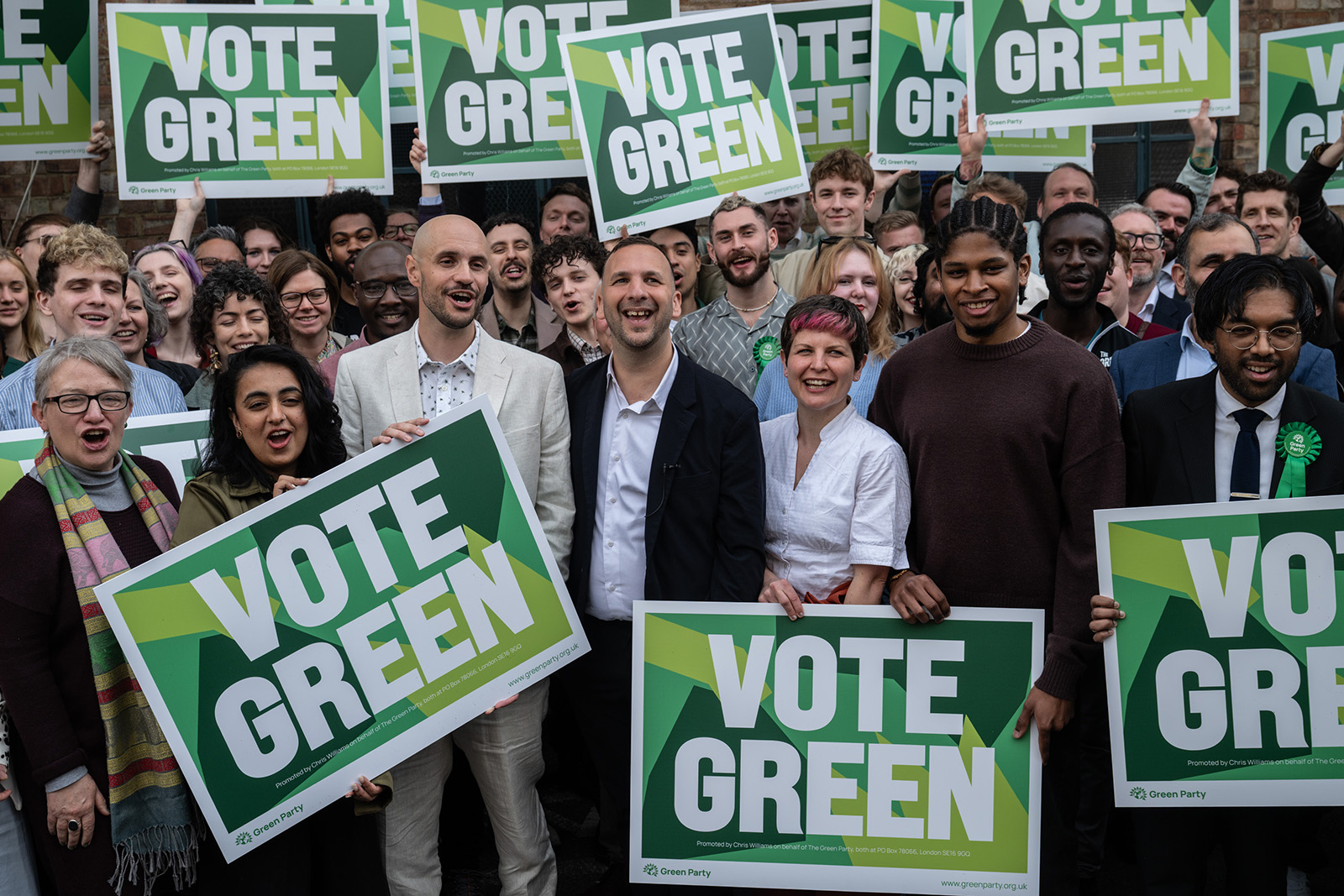
The independents are not the only threat. Zack Polanski’s Green Party hopes to reel in the anti-Labour vote. While many independents and Greens take a similar stance on foreign policy, there are stark differences between them too. Senior figures associated with the Birmingham-based Independent Candidates Alliance have accused the Greens of “degeneracy”. Shakeel Afsar, who stood as an independent in Moseley and Hall Green in the 2024 general election, told me that his introduction to politics was protesting against the inclusion of information regarding LGBTQI+ communities in lessons at a local school.
Both he and Akhmed Yaqoob, who came close to unseating Home Secretary Shabana Mahmood in the general election, describe themselves as centrists. Walking through the stretch of Stratford Road running through the Sparkbrook ward, both men cut a commanding presence. The local people stopping to shake their hands are a mix of lifelong Labour supporters and first-time voters.
The Green Party, led by a gay Jewish man, is proudly socially liberal. It, too, is picking up support among Muslim voters, as demonstrated by Hannah Spencer’s recent victory in Gorton and Denton, where nearly one-third of voters are Muslim. As I’ve said before, British Muslims are not a political monolith.
It’s not only Muslims angry with Labour. In the overwhelmingly white suburbs, Nigel Farage’s rightwing populist Reform UK has surged both locally and nationally. The party is likely to make significant gains in predominantly white working-class areas, such as Sunderland and Barnsley. In Wales, it is competing with the centre-left Plaid Cymru for control of the Senedd.

In London, a doughnut effect has emerged, where the Greens are eating into Labour support in inner-city wards, while Reform looks to make gains in outer boroughs.
In many ways, Birmingham and London illustrate a broader national shift. A messy realignment of our politics with winners on both the left and right. But what comes next? While the future of Birmingham City Council remains uncertain, current polling suggests the Greens could take control of local authorities in Hackney and Lambeth.
Last year, Reform enjoyed similar fortunes, winning control of several councils including Warwickshire, Durham and Kent. The party kicked up a fuss about rising council taxes and pledged a British-version of Elon Musk’s purportedly cost-cutting Doge programme. As it quickly found out, however, there was nothing left to cut in council budgets.
Reform-run Worcestershire County Council ended up hiking council tax by 9%. Paul Chamberlain, the Reform cabinet member in charge of the cuts at Kent County Council, told the FT: “We made some assumptions that we would come in here and find some of the craziness that Doge found in America … and that was wrong, we didn’t find any of that.”
For all of Reform’s talk of a war on woke and stopping the boats, a council’s primary function is administering bin collections, road repairs and social care. Unglamorous stuff that makes huge differences to people’s lives. The Greens also want to do things differently, but the question remains as to whether they will be able to.
A glance at the party’s 2024 general election manifesto commitments in relation to local government is illuminating. Almost all of its pledges — from high-quality social care to keeping local museums, theatres and libraries open — depend on central government investing billions more into local authorities. But the next general election isn’t likely to happen until 2029, meaning the Greens could gain power at a local level without any prospect of controlling the purse strings nationally.
I put all of that to the Green candidate for Hackney mayor, Zoë Garbett. “Local government has been hammered over the last decade and a half,” she says. “Councils are really fighting to survive.”
Her party’s manifesto for the east London borough is full of thought and local knowledge. It demonstrates a seriousness about governing and a sense of imagination about the future. Among the party’s pledges is a plan to use local authority pension funds to finance social housing and to explore introducing Hackney’s first community eco-mooring from which they hope to provide workshops and activities for local people.
For all their differences, Reform UK, the Greens and the independents have a crucial similarity in the eyes of the electorate. Few of their candidates have any experience of government at any level and very little reputational baggage. An increasing number of people are seeing such candidates as a viable vote for change. A few weeks ago, a carpenter I met in Denton, Manchester surprised me when I asked him how he planned to cast his ballot. “Reform or Green,” he told me, not quite decided. “We need something different.”
Two years ago, in the 2024 general election, the most common response to that question was “Not Conservative”. Labour’s thumping majority, achieved on just 34% of the vote, was dubbed a “loveless landslide” and can accurately be seen more as a Tory loss than a Labour victory. Above all else, it too was a vote for change.

The government’s nosedive in the polls and the surging support for Reform and the Greens looks like it is starting to affect Labour’s policy agenda. The party has announced Pride in Place funding for high streets, community centres and local infrastructure in some of the most deprived communities in Britain — many of them places where Reform is doing particularly well. Meanwhile, Green campaigning on housing in inner London has got Labour talking about rent caps and scrapping right-to-buy on council housing.
For many voters, however, those ideas are too little, too late. As one man in Birmingham said to me when I asked if he’d vote for the Labour Party under a new leader: “That ship has sailed.”
It is worth remembering that, should they be elected at a local level, Reform and the Greens will face the same challenges as the parties they replace. If voters don’t see the material changes they are demanding, they will be more than willing to look elsewhere next time around.