
What you need to know about Zack Polanski’s Urdu video
The Green leader has been attacked for campaigning in a language that isn’t English. But multilingual political adverts have a long history in the UK
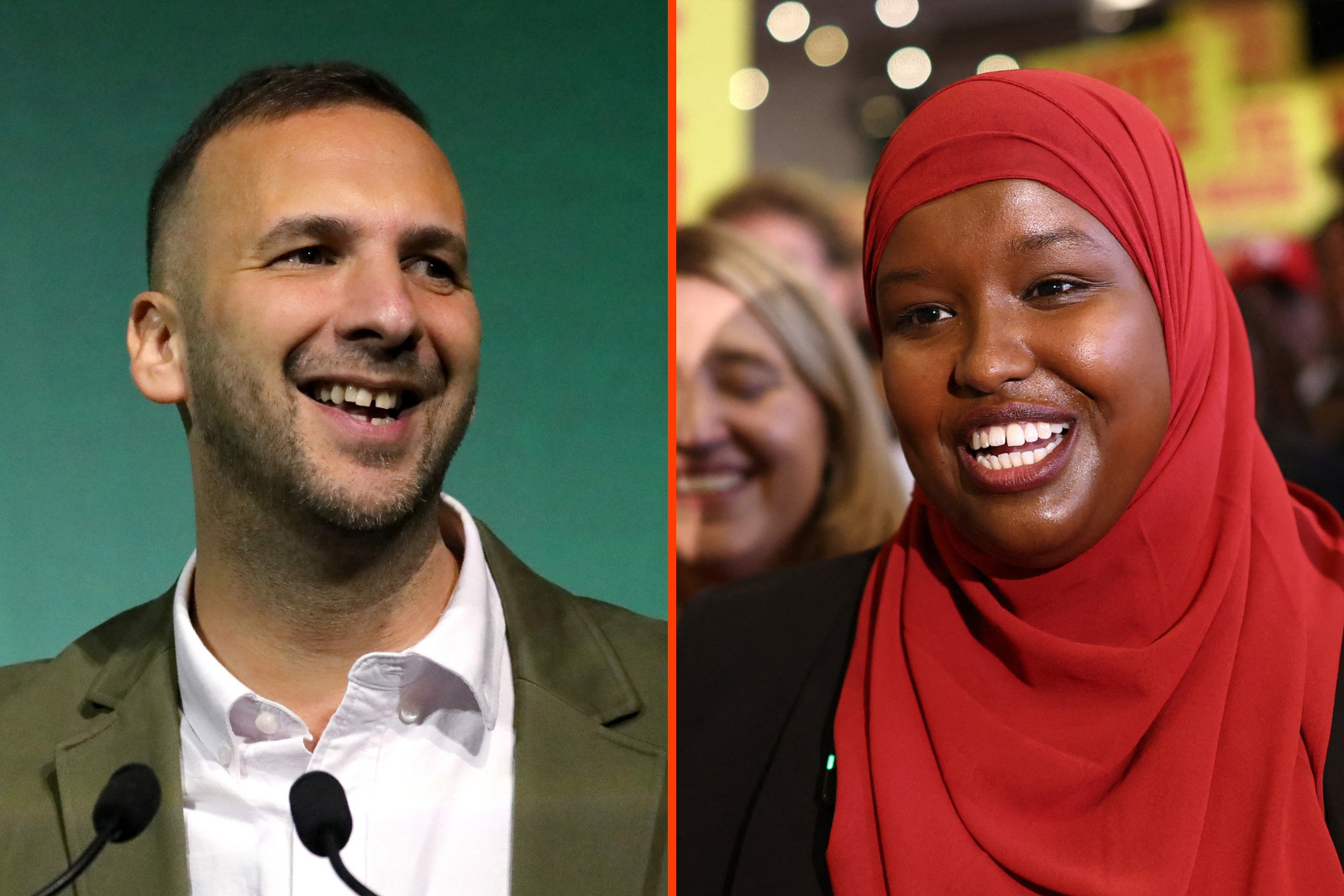
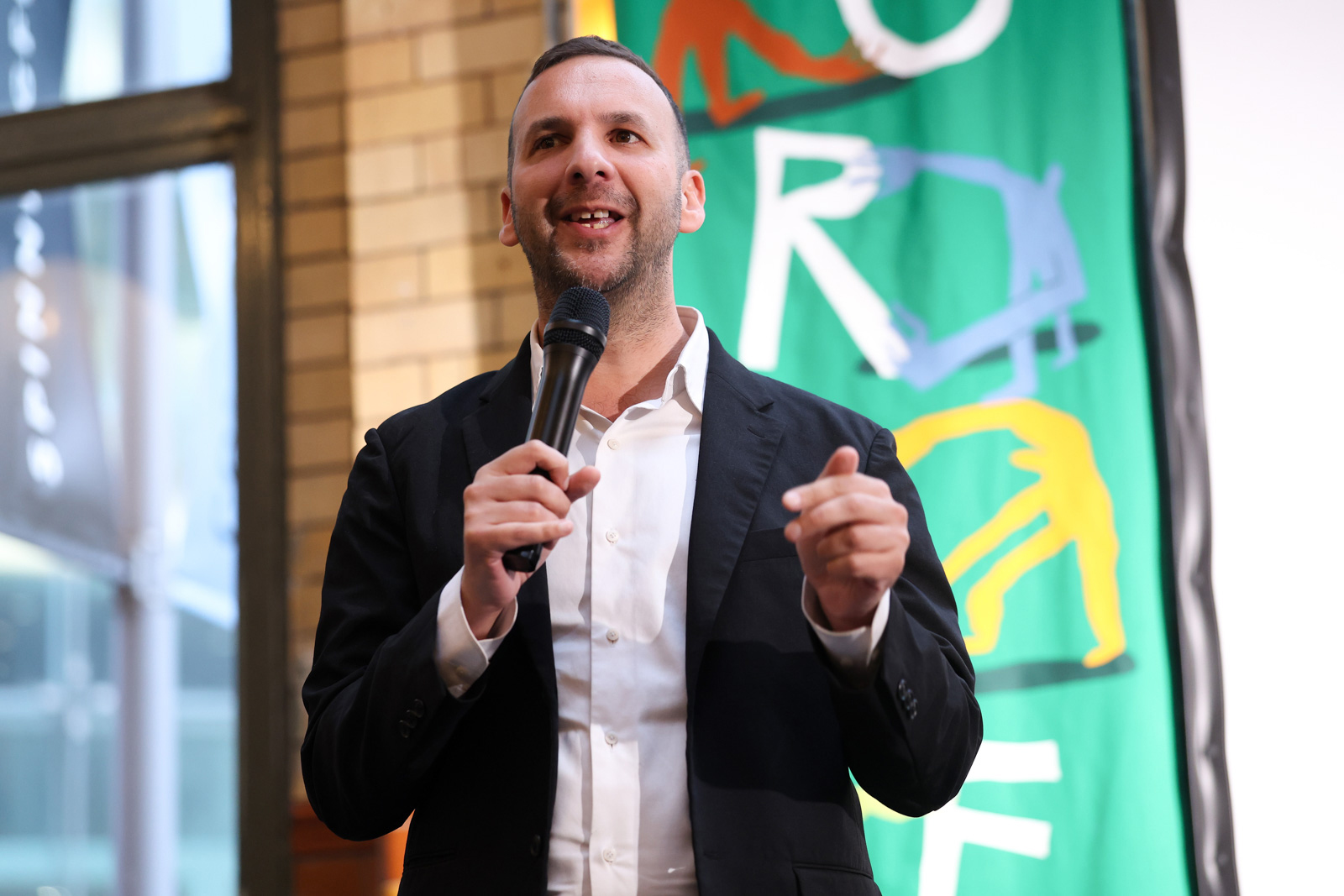
Zack Polanski, the leader of the Green Party, has appealed to voters in strained Urdu to back him in the upcoming Holborn and St Pancras byelection on 8 October.
The video has received more than 700 comments since it was shared on Instagram on Monday. While many people have praised Polanski for his efforts, it has also attracted a flurry of abuse.
Earlier in 2026, Reform UK and Conservative Party MPs attempted to ban non-English material from political campaigns after the Green Party used Urdu in leaflets in the Gorton and Denton byelection in February.
Richard Tice, the deputy leader of Reform, and Conservative MP Paul Holmes tabled amendments to the Representation of the People bill. While Tice sought to make election materials not written in English or Welsh illegal, Holmes attempted to ban all election materials published in languages other than English, Welsh, Cornish, Ulster Scots and Irish during campaigns. Both amendments were rejected.
Have politicians used other languages to engage voters in the past?
The Labour Party published election materials in Hindu, Urdu and Gujarati during the 1970 general election in a bid to appeal to people who had recently arrived in the UK from India. During the general election in 1974, other parties followed suit.
Political parties have also printed campaign leaflets in Cantonese to appeal to the Hong Kong diaspora, as well as in Polish and Romanian to target eastern European communities.
Why do political parties use other languages in political campaigns?
Dr Salman Al-Azami, a senior lecturer in language, media and communication at Liverpool Hope University, said using different languages in political campaigns is “common practice in modern politics”.
“Political communication in election campaigns is all about reaching out to voters,” he added. “Politicians use language that will reach different communities, and using a community language to attract a particular section of the electorate is an acceptable and common practice in modern politics.”
He gave the example of Zohran Mamdani, the mayor of New York, who “used this strategy very effectively to reach out to his voters doing TikTok videos in Bangla, Urdu, Gujrati, and other languages”.
What have experts said about the proposed bans?
Abubakr Nanabawa, the national coordinator of The Muslim Vote campaign, said “people of all communities and backgrounds deserve to be spoken to in an election”.
“If political parties want to use different languages to communicate with different parts of the electorate, there’s no problem with that,” he added. “Democracy thrives when it’s accessible to everyone. The vast majority of people are able to speak English and understand English, but it’s about political parties showing that they are willing to reach out to various communities.”
Dr Amina Easat-Daas, a senior lecturer in politics at De Montfort University, said “non-English election materials have historically been used across most of the centre and left-wing political parties in the UK”.
“Such knee-jerk responses erase recognition of the linguistic diversity in the UK,” she said. “For example, would such a ban apply to Cornish or Scots? Or do the bans evidence growing fear and hostility towards any diversity in the UK? Either way, banning non-English communications does not make minority communities disappear — rather, it normalises hostility and prejudice.”
Dr Al-Azami described attempts to ban other languages as having “no place in Britain”.
He said: “In a cosmopolitan and multicultural city like London, asking to ban a language is racist and xenophobic. Politicians should let the voters decide whether they accept Zack Polanski’s choice of language in his campaigns rather than asking for such a ban that has no place in modern Britain.”
What do experts think about Polanski’s use of Urdu?
Nanabawa said Polanski’s video, and the Green Party’s strategy more broadly, as seen during the Gorton and Denton byelection, shows communities that it “is serious about representing them”.
“It takes a bit of effort to do a video in a language you don’t know or understand, and in Zack’s case, if you’ve seen the video, it’s clear he doesn’t know Urdu. But it’s about trying to show some appreciation and saying: ‘I will put some effort into representing you’.”
Dr Easat-Daas said the video recognises and celebrates the diversity of communities in the constituency of Holborn and St Pancras and more widely across the UK. However, she cautioned that it could unintentionally perpetuate negative stereotypes that people from minority backgrounds don’t speak English.
“Urdu is understood and used by many with South Asian heritage,” she said. “However, since most of these communities are also bilingual and fluent in English too, the move to publish an Urdu video perhaps unintentionally risks compounding stereotypes that those with migrant backgrounds don’t speak English and live in silos.”