
‘This time it backfired’: Sweden’s far right loses ground after anti-Muslim election campaign
The imam behind Ask a Muslim says the Sweden Democrats’ fall in support reveals the limits of the party’s divisive tactics — even as its ideas remain embedded in mainstream politics
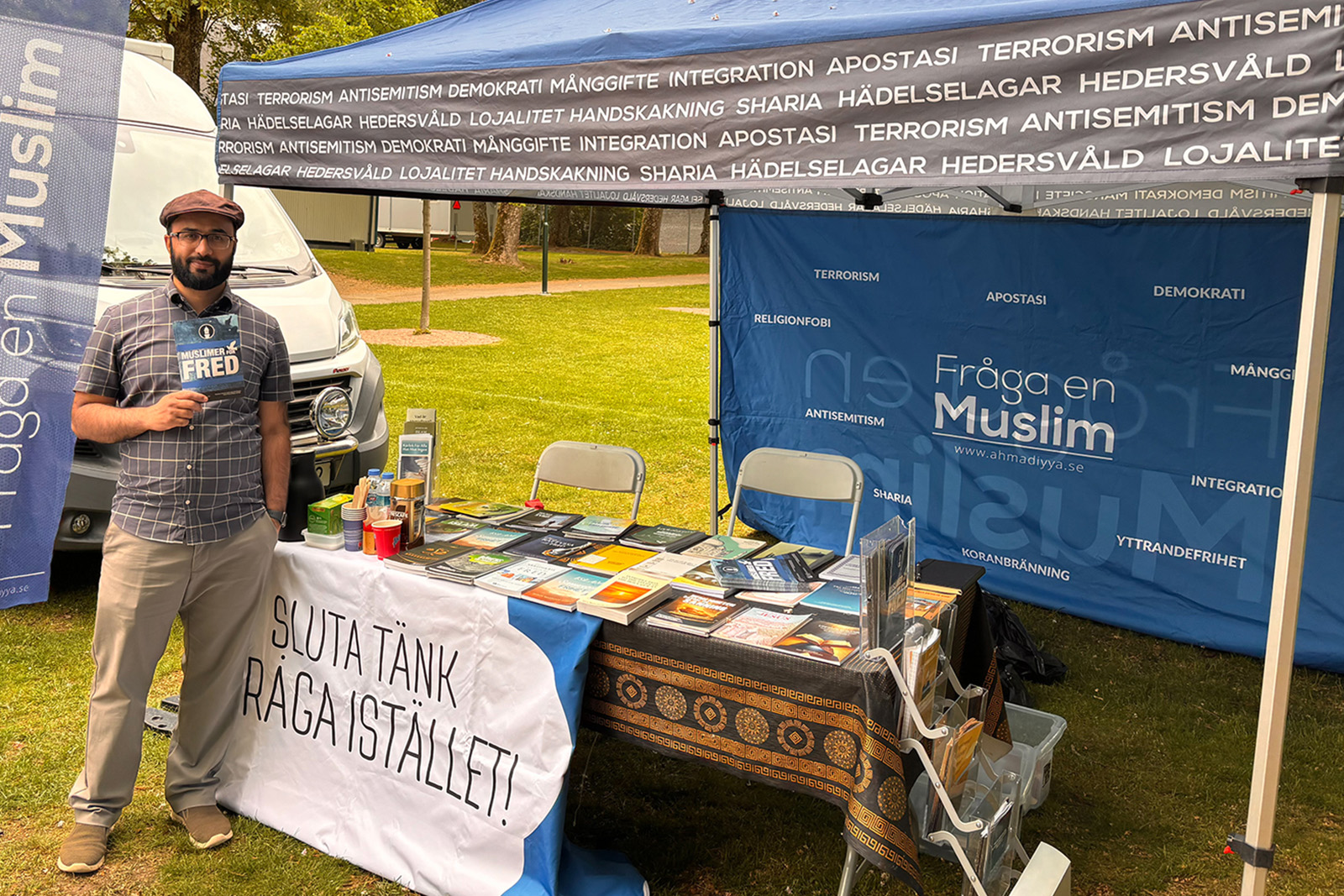
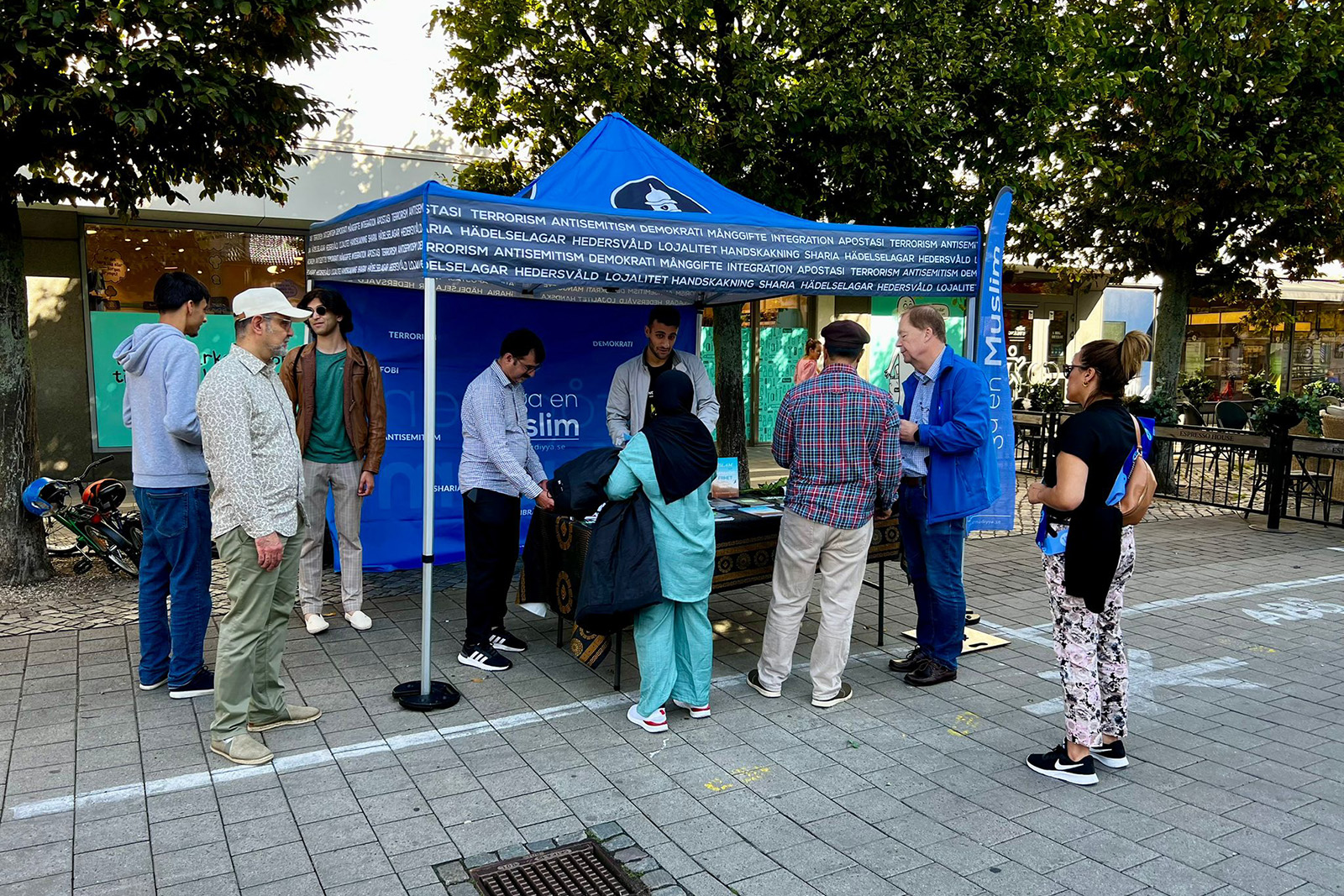
Every Saturday, somewhere in Sweden, volunteers pitch a tent under the banner, Ask a Muslim. On the canvas is a list of subjects likely to provoke questions: jihad, sharia, polygamy, women’s rights.
Passersby are invited to stop and ask anything they want. Some arrive with questions about the hijab or freedom of speech. Others simply want to thank the volunteers for being there. Occasionally, someone comes looking for an argument.
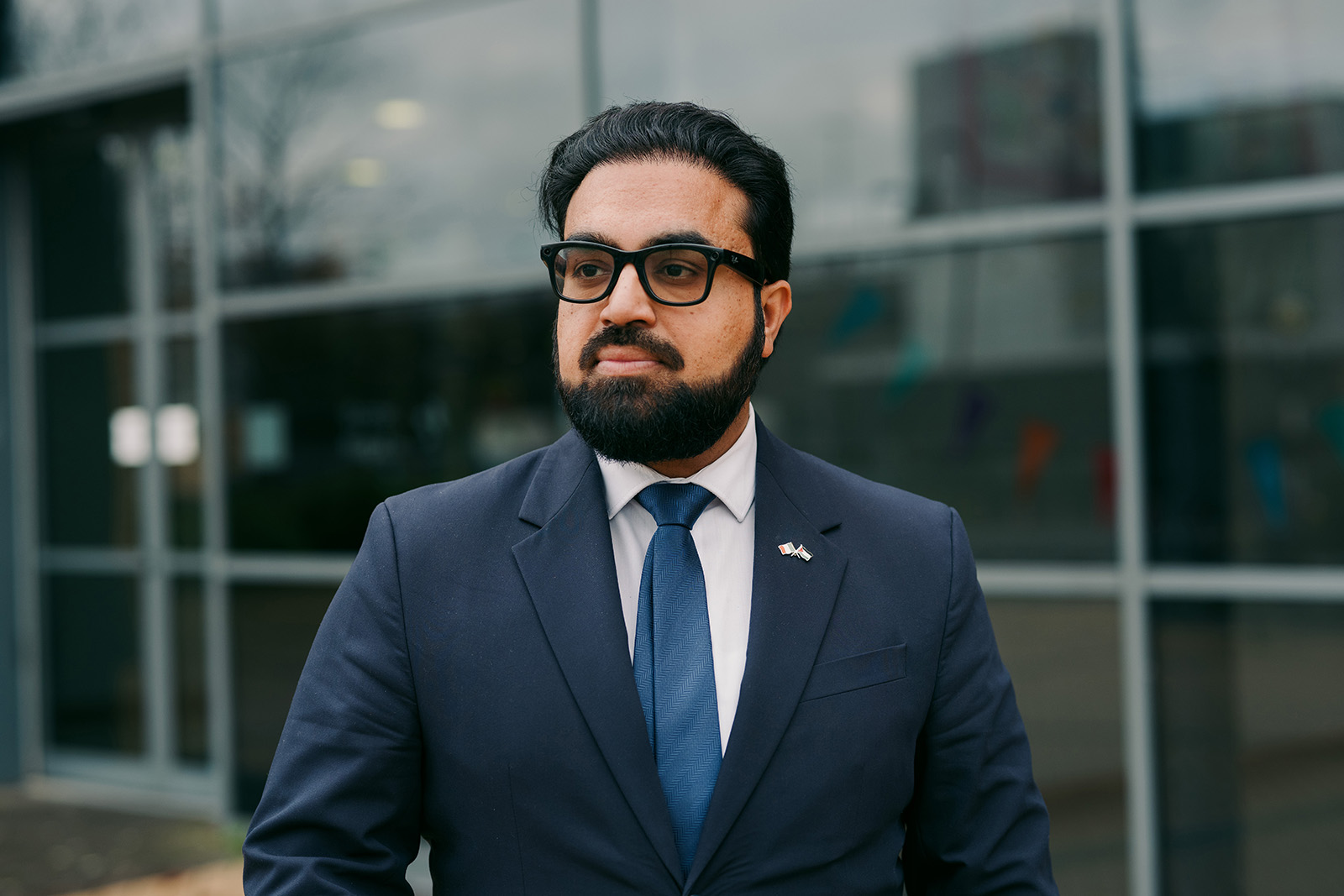
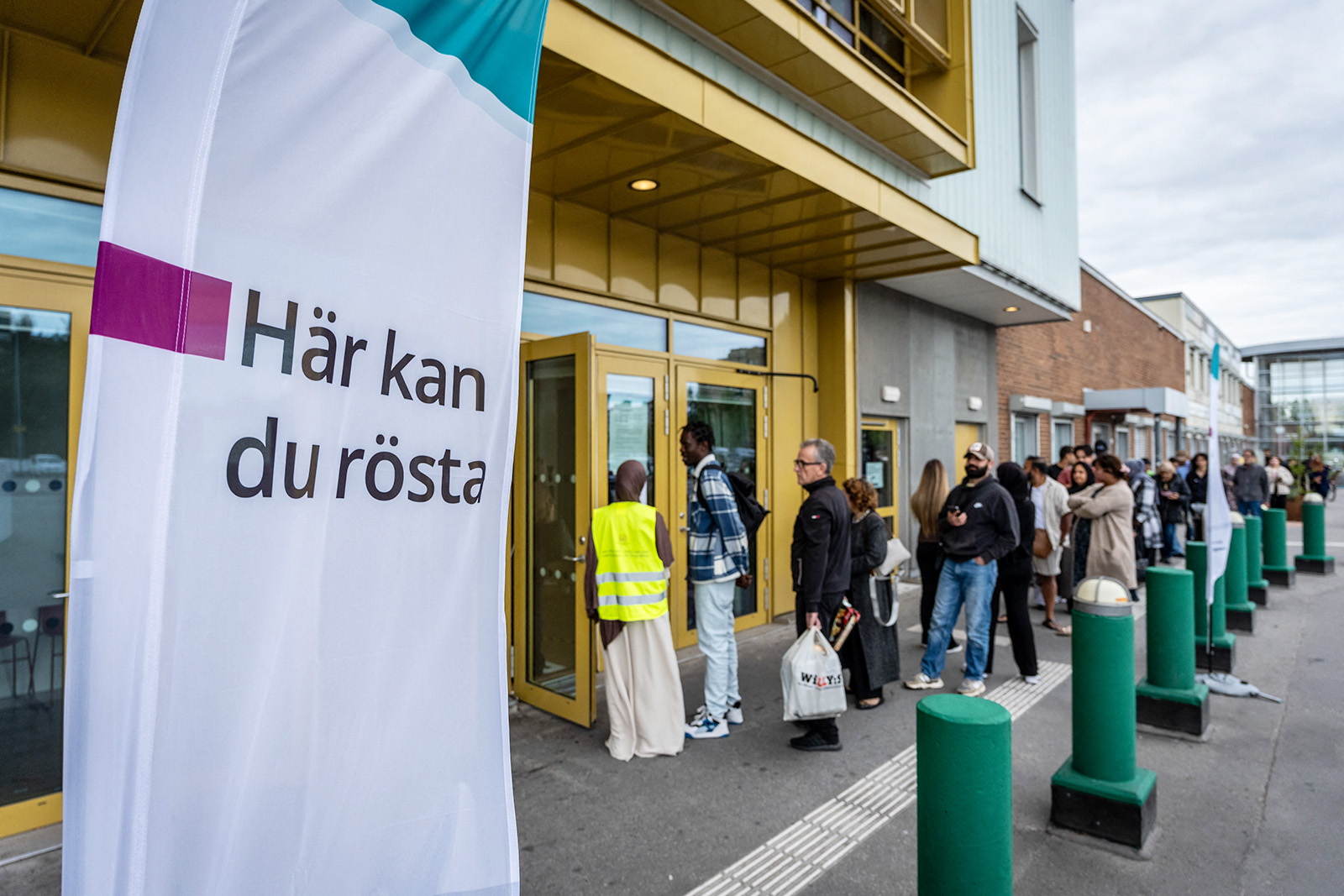
For nearly a decade, the campaign has offered imam Kashif Virk a vantage point from which to observe Sweden’s increasingly fraught conversation about Islam. Its latest test came on 13 September: a general election in which the far-right Sweden Democrats lost around three percentage points and fell from second to third place in terms of seats won.
Now, with almost all votes counted, the centre-left-led opposition bloc is projected to win a very narrow parliamentary majority. Forming a government could still take weeks, but one outcome is clear: the Sweden Democrats suffered its first fall in vote share since entering parliament in 2010.
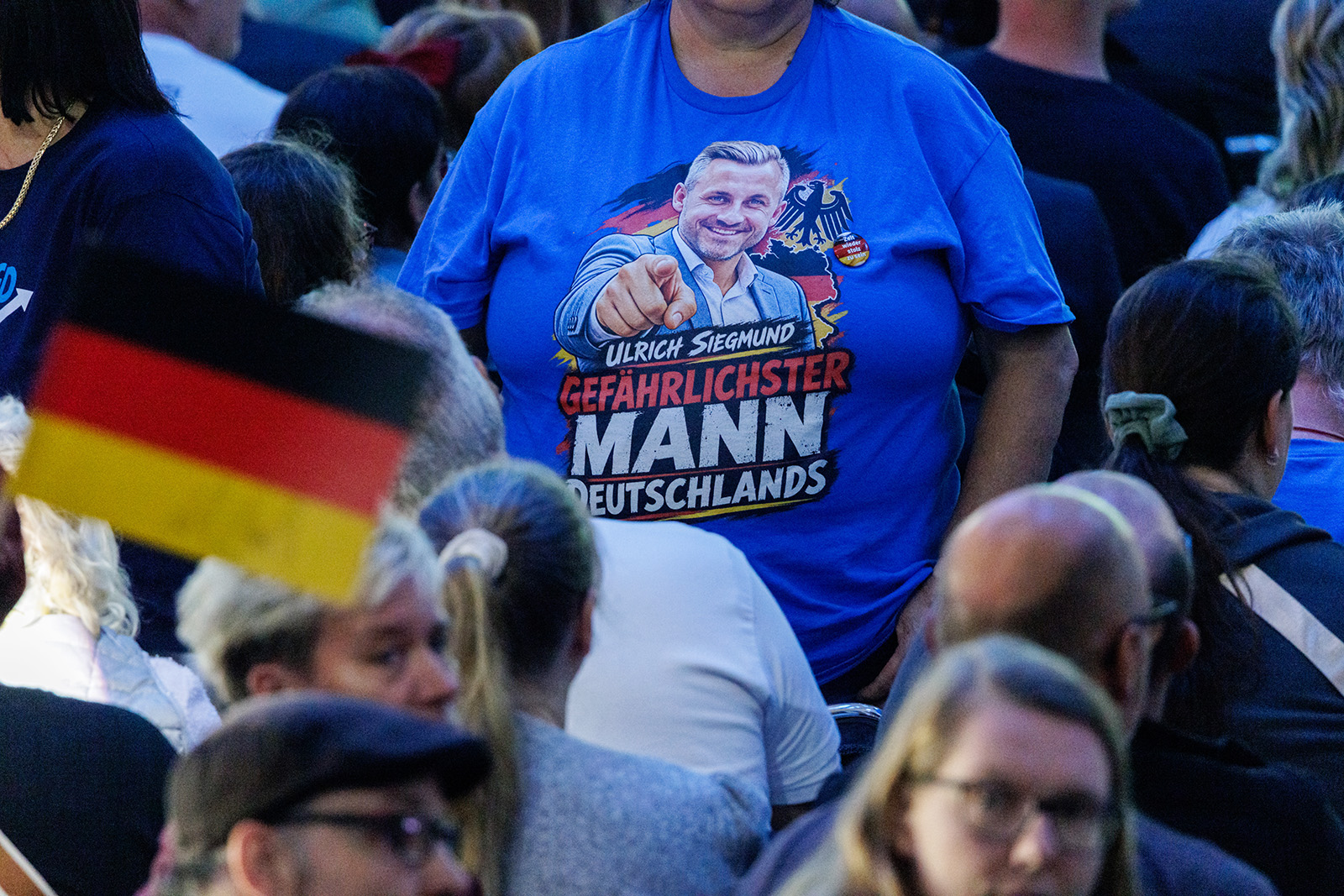
The result interrupted a remarkable ascent. Once treated as political pariahs because of its neo-Nazi roots, the Sweden Democrats became indispensable to Ulf Kristersson’s centre-right minority government after the 2022 election. Without holding cabinet posts, the party still had the clout to push Swedish policy and political debate sharply to the right on immigration, integration and crime.
The party hoped to go further at the 2026 general election and enter government for the first time following a campaign that called for restrictions on Islamic dress and mosques, while senior party figures questioned whether Muslims belonged in Sweden at all. The party still won about 17.5% of the vote, down from 20.5% at the last election.
Virk believes the result shows the risks of campaigning on hostility towards Islam and immigration. “The same strategy was used again this year, but this time it backfired,” he said.
But he does not regard the result as an irreversible turning point. The Sweden Democrats remain Sweden’s third-largest party, while ideas once associated with its political fringes have entered mainstream debate about immigration, crime and national identity.
Earlier in 2026, Sweden Democrat MP Richard Jomshof challenged the government’s use of the term “Islamophobia” in parliament. In response, the centre-right coalition removed the word from its national anti-racism terminology and replaced it with “anti-Muslim racism”, saying it would press for the same change across the EU. Ministers argued that Islamophobia could conflate hatred towards Muslims with legitimate criticism of Islam.
Virk, a full-time imam serving the Ahmadiyya community in Malmö, launched Ask a Muslim with his colleagues in 2017, having watched fear of Islam reach deeper into national politics. Modelled on a US Ahmadi initiative, the idea was to replace argument at a distance with conversation face to face.
“We didn’t expect it would create so much of a stir, or that people would actually come over and ask questions,” he said.
The Ahmadiyya movement, founded in 19th-century India by Mirza Ghulam Ahmad, has around 1,600 members in Sweden. In 1976, it opened the country’s first purpose-built mosque in Gothenburg.
Every weekend, volunteers take the campaign to a market, public square or fair. Virk says it has now visited around 150 Swedish towns and cities. The questions they hear tend to follow the news: sharia after the Taliban returned to power in Afghanistan; freedom of speech during Sweden’s Qur’an-burning controversies; and, persistently, women’s rights and the hijab.

Imam Musab Rashid, who runs the campaign in Stockholm, said its reception varies by area. In districts with large Muslim populations, passersby often express solidarity. In other areas, people are more likely to stop with questions about Islam. While most approach with genuine curiosity, he said, some “come with an agenda — just to ask, not to listen”.
In one southern town, Virk recalled, a woman approached him distressed by the idea of five-year-old girls wearing headscarves. He responded by asking who chose the clothes worn by her own young children. She accepted that parents generally made those decisions, he said, before agreeing that a 15-year-old should be allowed to choose for herself.
Virk isn’t aiming to convert anyone, he hopes these encounters will leave people less fearful and more willing to reconsider assumptions about Muslims.
He estimates that about 90% of those who approach the campaign do so positively. None of its encounters has become physically violent, he said. Verbal aggression occurs maybe once every six months.
“We realised that Sweden is not an Islamophobic country at all,” he said. “People are very positive, open. They want to learn more.”
That optimism coexists with an acute awareness of danger. Virk sometimes feels unsafe living with his family near the Malmö mosque. Several years ago, he said, a bullet hole was discovered in one of its windows after New Year’s Eve.
The latest official figures identified an Islamophobic motive in 199 hate crimes reported to police in Sweden in 2024. Twenty-seven involved physical attacks or other physical abuse, while others included threats, harassment and damage to property. The figures include only cases flagged by police and subsequently identified as having an Islamophobic motive.
Virk believes hostility towards Muslims has several sources: fear of unfamiliar communities, longstanding portrayals of Islam as inherently violent, and inflammatory political and media narratives. But he also acknowledged failures within Muslim communities, including segregation and an unwillingness among some organisations to engage openly with wider Swedish society.
The Ahmadiyya community occupies a complicated position within Islam. Many orthodox Muslims do not recognise Ahmadis as Muslim and the movement is persecuted in several Muslim-majority countries. Virk said that even though some Swedish Muslims privately resent the attention given to their small community, others support their campaign and offer to help.
Related content

Ask a Muslim does not claim to speak for all Swedish Muslims. Virk presents it instead as a demonstration of what sustained public engagement can achieve — and what its limits are.
“We’re a small community with limited influence,” he said. “What we can do is try to shift the public mindset through these conversations.”
Virk does not expect the election result alone to change life materially for Swedish Muslims. What he hopes for is a change in political language: an acknowledgement that Muslims are part of Sweden, rather than a population to be managed, feared or courted only at election time.
The questions Ask a Muslim volunteers field have changed remarkably little since 2017, but Virk believes that is a reason to keep showing up rather than abandon the experiment.
“Change takes time,” he said.