‘We’re Spanish too’: Ceuta’s Muslims face exclusion in their own city
After mass arrivals in the territory from Morocco, established Spanish Muslim communities say they too are being treated as outsiders

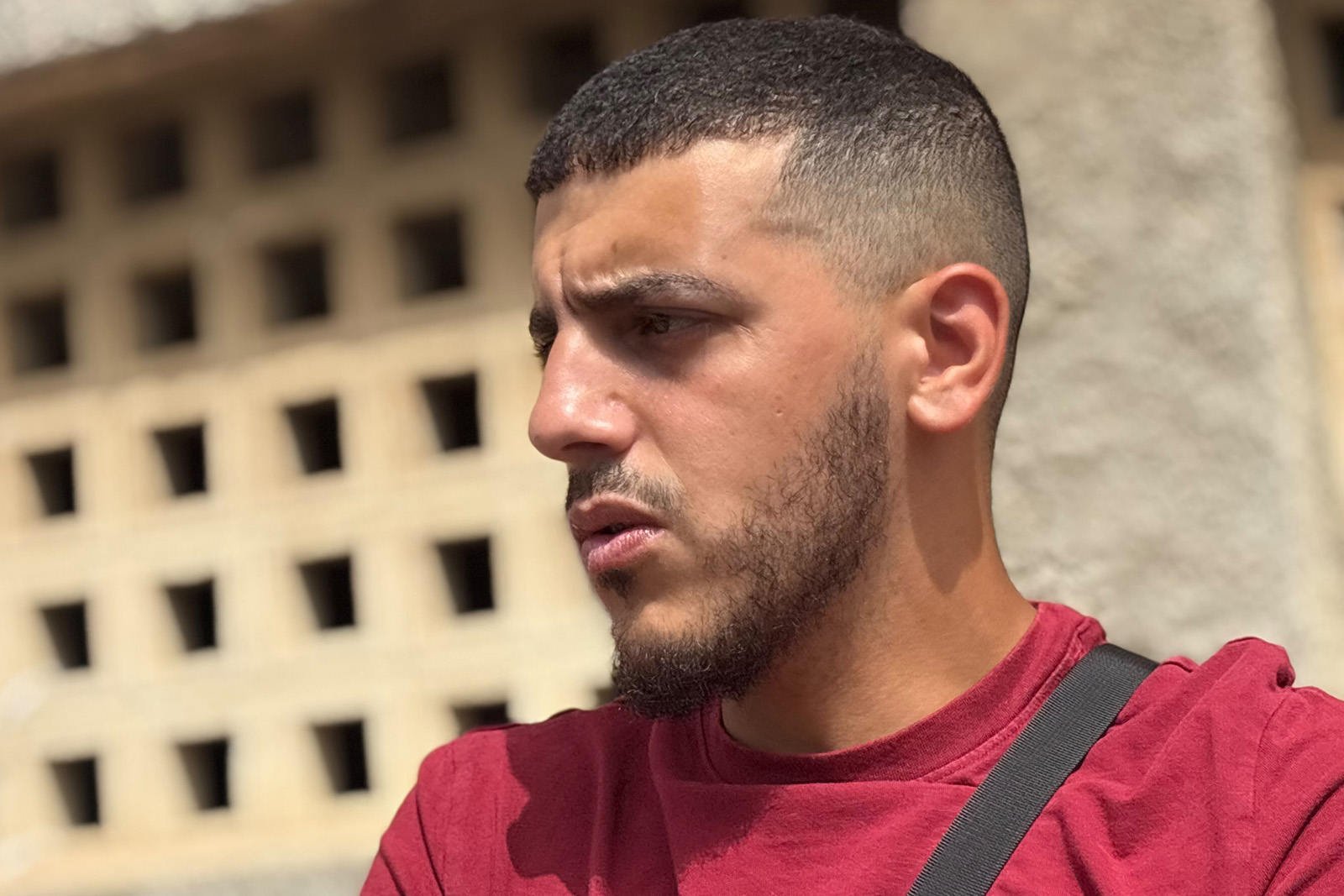
On an average morning, Abdellah Mustafa receives up to 40 calls. As president of the Sidi Embarek neighbourhood association in Ceuta — a Spanish enclave on the north African coast — he has become a point of contact for the growing number of Muslim residents reporting racist abuse since July, when tens of thousands of migrants crossed the border from Morocco.
One recent call was from a Muslim mother who was called a “shitty mora” by a man at a bus stop while waiting with her six-year-old daughter. Her husband had reported the incident to the police, but the family contacted Mustafa to bring public attention to what had happened.
“They call me because they don’t want Ceuta to be torn apart. I don’t want that either. I won’t let anyone attack my community. They call me because they want me to put a stop to this.”
As a community leader and spokesperson, Mustafa says his role is to give Ceuta’s Muslim residents a voice, particularly when they feel their concerns are being ignored. He is not an elected official and has no authority over policing or government policy, but he does whatever he can to draw public attention to them.
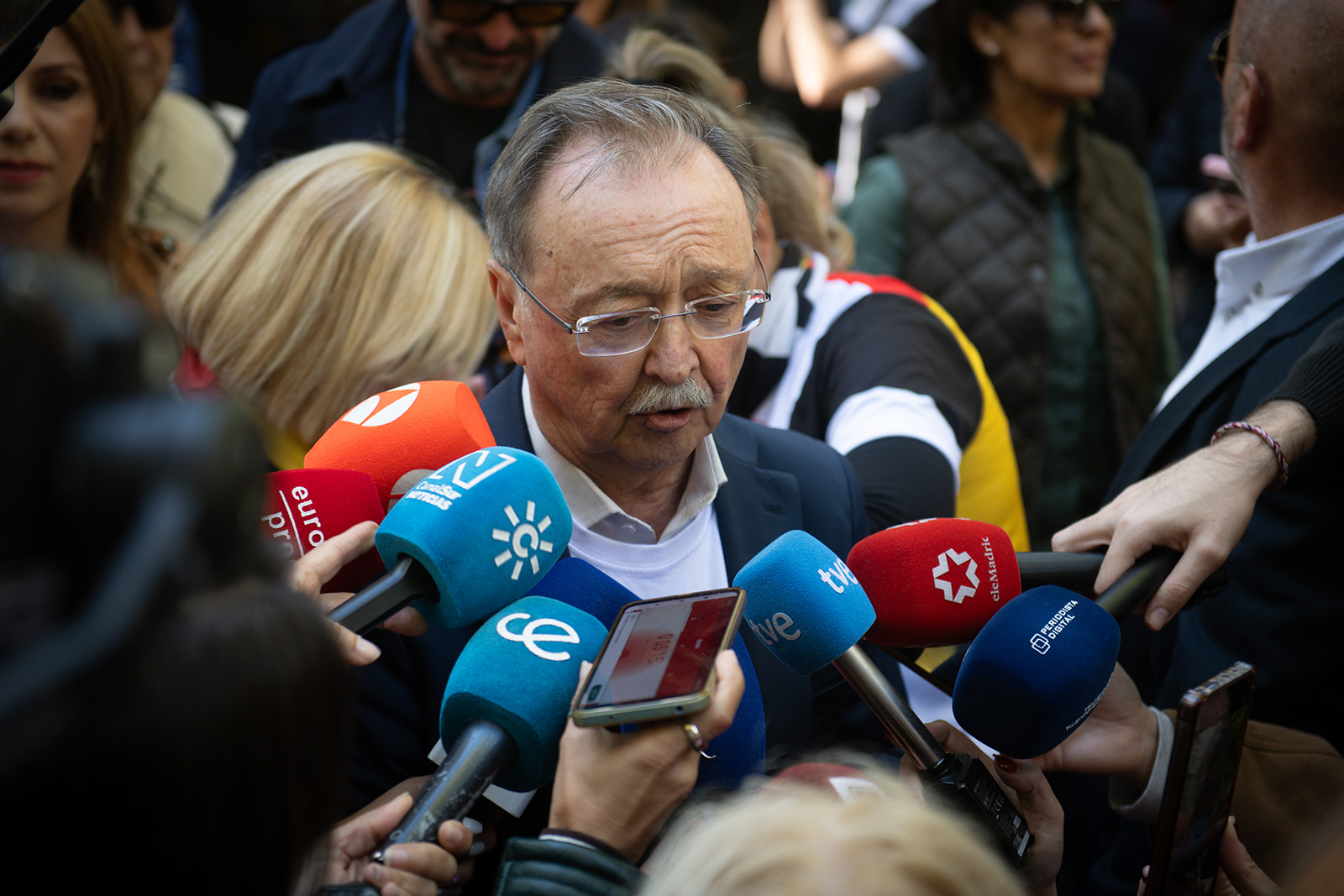
Mustafa has spoken directly with Juan Jesús Vivas, president of the autonomous city of Ceuta and a senior figure in Spain’s conservative People’s Party (PP), whom he accuses of failing to respond adequately. In September 2026, Vivas described the July arrivals as an “invasion” and accused Morocco of pursuing a “policy of harassment” against Ceuta.
“Juan Vivas is one of the PP’s political heavyweights. He’s been in power for 26 years and has built a network of political patronage that works in his favour,” Mustafa says. “We warned Juan Jesús Vivas Lara one Saturday in August that his rhetoric would end up encouraging attacks against immigrants and Ceuta’s Muslims.”
His fears were borne out in the weeks that followed, as Muslim residents reported a spike in racist and physical assaults.
“The discourse promoted by the city misleads people and encourages them to repeat it,” he says. “It has legitimised this hostility.”
Mustafa also claims that his attempts to discuss measures to improve coexistence have repeatedly been ignored. “Whenever we’ve approached him with proposals to improve coexistence, he has never listened to us,” he says.
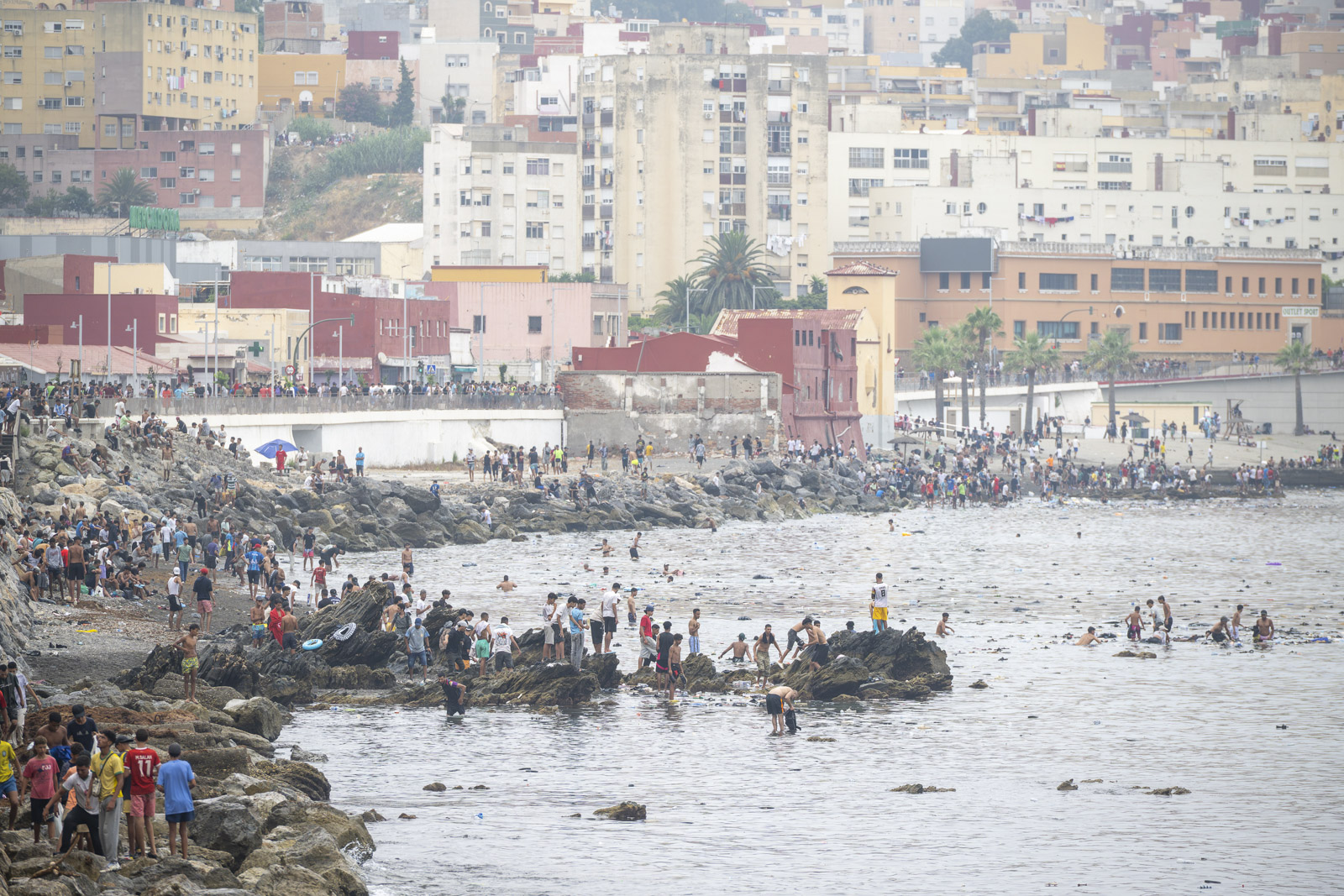
On 30 and 31 July, tens of thousands of people crossed into Ceuta from Morocco, many by sea. Most subsequently returned, but the crossings left the city struggling to accommodate those who remained. As of 12 October, according to police figures, between 16,000 and 18,000 migrants were still in Ceuta, sleeping outdoors. Makeshift camps along the beaches were cleared ahead of a rare visit by Spanish royals earlier in October, with some of those displaced moving into nearby woodland.
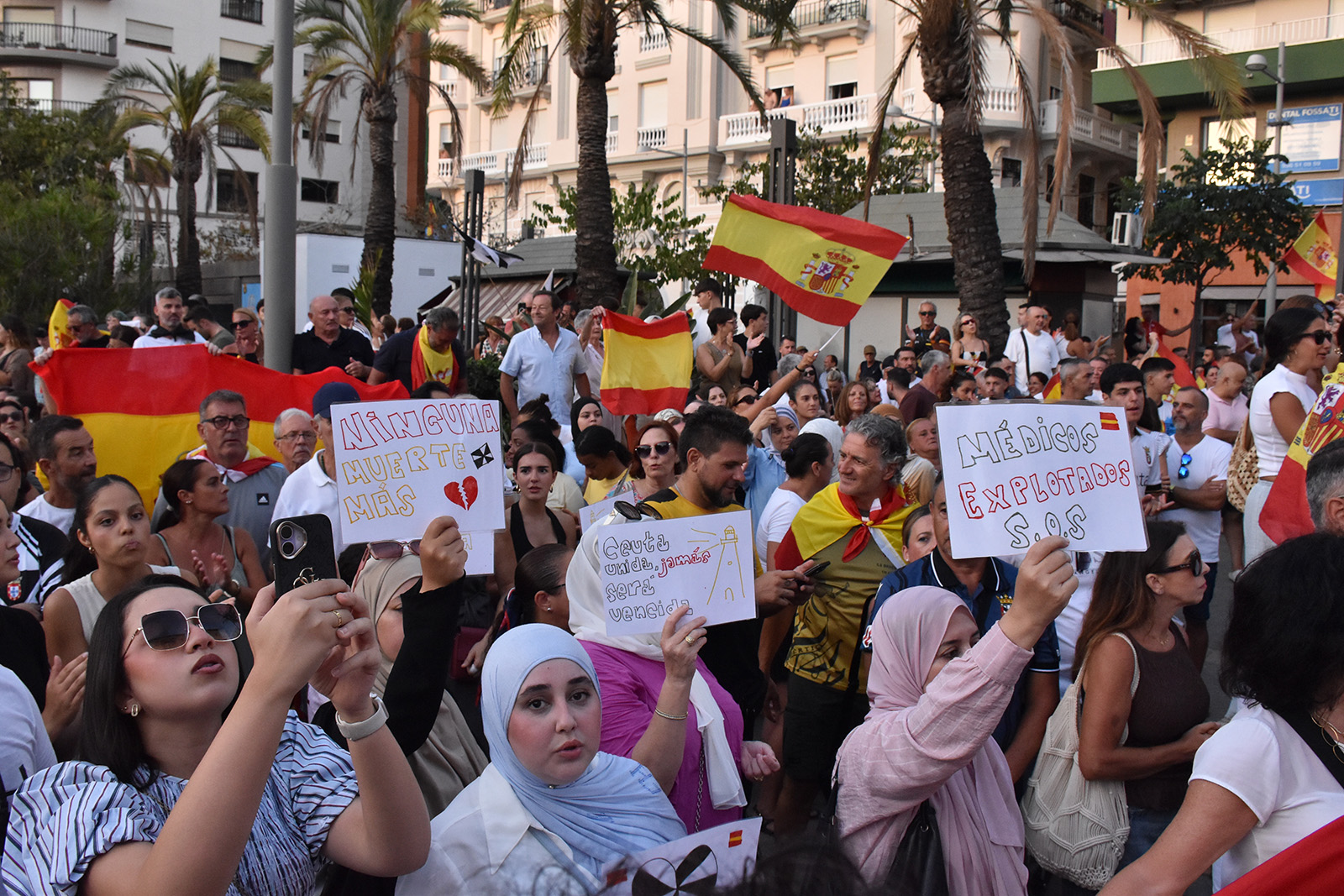
The crisis has also brought residents out onto the streets. On 9 August, around 5,000 people — according to police estimates — attended a demonstration organised by Ceuta’s four religious communities calling for security, humanitarian assistance and coexistence. Eight days earlier, dozens of residents confronted around 20 members of the far-right group Núcleo Nacional before police intervened.
Mustafa believes racism towards Muslim Ceutans existed long before the crossings — he points to previous demands to close mosques — but that the crisis has emboldened a minority of residents to express it more openly.
He describes an incident at a demonstration in which two Muslim residents, including a 13-year-old girl, were reportedly assaulted and accused of carrying “tuberculosis”. The girl’s mother subsequently filed a complaint with Spain’s National Police, while Mustafa denounced the incident publicly and brought it to journalists’ attention, using it as an example of the verbal abuse faced by Ceuta’s Muslim community. His aim, he says, is to “make sure our voices are heard” and draw attention to the growing hostility towards Muslim residents.
The mass arrivals also generated some 9,600 hateful social media messages in 48 hours, according to Spain’s Observatory on Racism and Xenophobia. Some posts accused Muslim Ceutans of siding with Morocco and encouraging migration, while others called for their expulsion.
For Ceuta’s Muslim community, the hostility strikes at a fundamental question of belonging. Muslims account for approximately 43% of the city’s 83,664 residents, and many families have lived in the enclave for generations. Yet their religion, use of Moroccan Arabic, or Darija, alongside Spanish, and perceived connections to Morocco can leave their Spanish identity open to question.
Siham Abdellah’s parents, grandparents and great-grandparents were all born in Ceuta. Members of her family served in the Spanish military. She believes the crisis has given some residents licence to express prejudices that had long been present.
“There’s a part of the population that has been waiting to say the worst things to us,” she says. “Now they have the opportunity to pour their venom onto the Muslim community.”
At demonstrations, she says she has witnessed calls for migrants to be deterred with “machine guns loaded with chorizo”.
For Abdellah, the increased hostility she and other residents are experiencing can’t simply be explained as Muslim Ceutans being mistaken for newly arrived migrants. She believes the crisis has brought longstanding prejudice against the city’s Muslim community into the open.
“We’re not being confused with anyone,” she says. “This is an easy way to express racism.”
She believes some residents regard being Muslim and Moroccan as interchangeable identities: “It’s pure ignorance mixed with racism.”
Nayib, a football coach whose daughters wear hijabs, has also become concerned about the way his family is perceived. “I’m fifth-generation Spanish,” he says. “Nobody is going to tell me I’m not Spanish. I have my birth documents. I’m not Moroccan.”
He says his daughters are now regarded with distrust. “The far right is pointing at us,” he says.
Víctor Albert-Blanco, a sociology professor at the Open University of Catalonia who has conducted fieldwork in Melilla — another Spanish enclave on the north African coast — says the crisis has made an “underlying tension particularly visible”.
“In both [Ceuta and Melilla] there’s a tension between Spanish and Muslim identity. Also there’s the proximity with Morocco that is structural but emerges in crisis moments,” he says.
Related content
Historically, Spanish national identity has been closely associated with Catholicism, Albert-Blanco explains, while Muslim, Moroccan, Arab and Amazigh identities are frequently conflated. As a result, Muslim residents can find themselves expected to demonstrate their loyalty to a country to which they already belong.
“They feel Spanish and Muslim,” he says.
The crisis has also placed Muslim Ceutans in a difficult position when it comes to helping those arriving from Morocco. Some say that offering humanitarian assistance has been interpreted as support for the crossings themselves.
“Some Spanish residents of Ceuta told me this has happened because we helped them,” Abdellah says. “They think showing humanity means being OK with this situation.”
For Mustafa, protecting Ceuta and treating migrants with dignity are not opposing positions.
“We’re trying to protect Ceuta from the perspective of human dignity,” he says. “There’s no battle between Catholics and Muslims. We’ve both helped during this crisis.”
Using the local nickname for Ceuta residents, he adds: “We’re caballas. Our Spanish identity should never be questioned.”