
Senior MP tells Burnham: ‘get on with’ appointing anti-Muslim hostility tsar

Six months after government announced ‘special representative’ to oversee Islamophobia work, position is vacant — and takeup of new definition is patchy
A senior Labour MP has urged the government to “get on with” appointing Britain’s first “anti-Muslim hostility” tsar — six months after the position was announced.
According to government insiders, the hiring process for the role was delayed by concerns that more mechanisms and structure needed to be put in place to facilitate their work. It was then pushed further down the agenda by the successful leadership challenge to Keir Starmer by Andy Burnham.
Related content
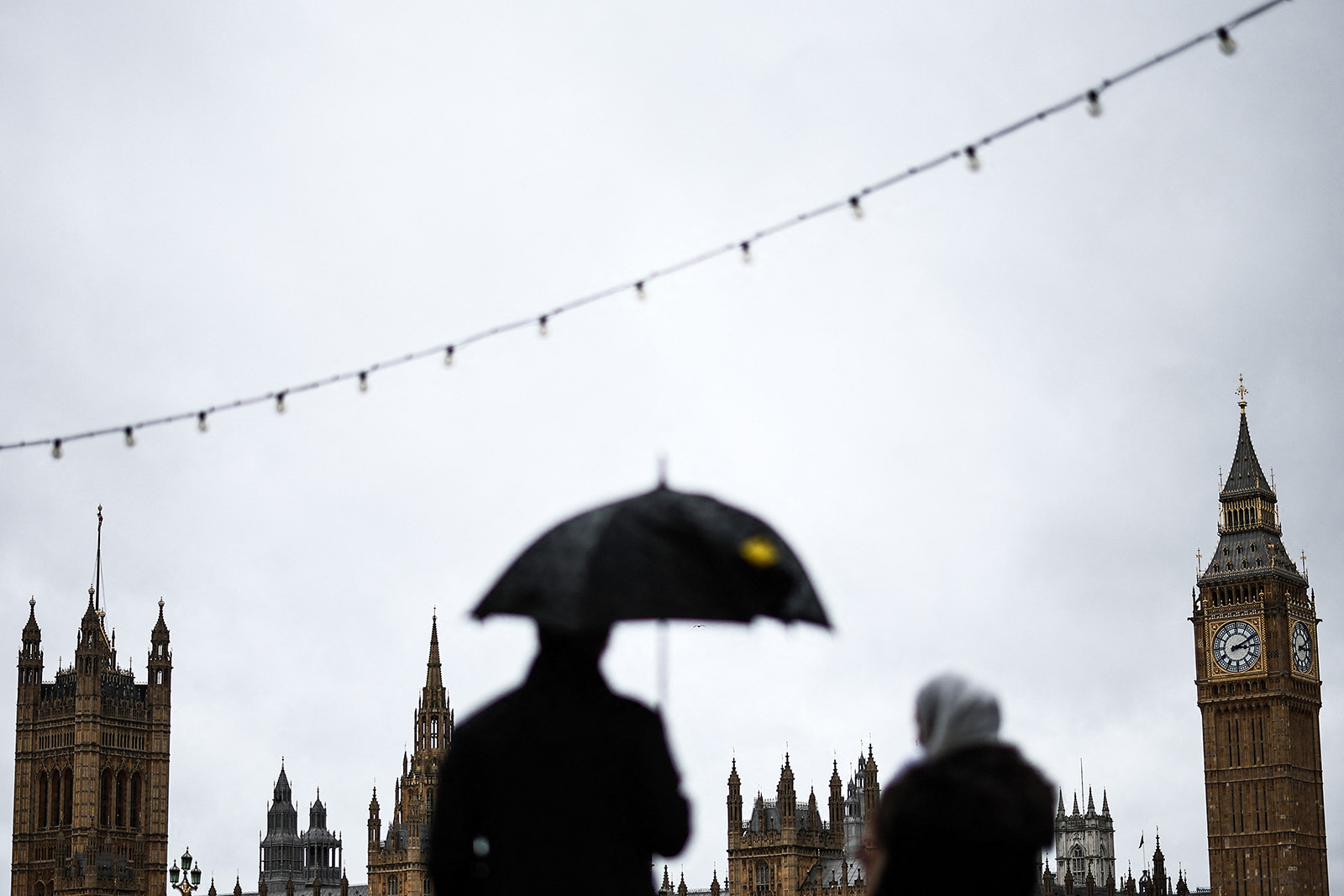
The announcement of the post — officially a “special representative” — in March formed part of the Protecting What Matters strategy. It came alongside the publication of the long-awaited government definition of Islamophobia, which had been watered down to a non-statutory “anti-Muslim hostility” definition following a backlash from rightwing organisations. The job was intended to “oversee implementation” of the definition and “advise schools, universities and public services”.
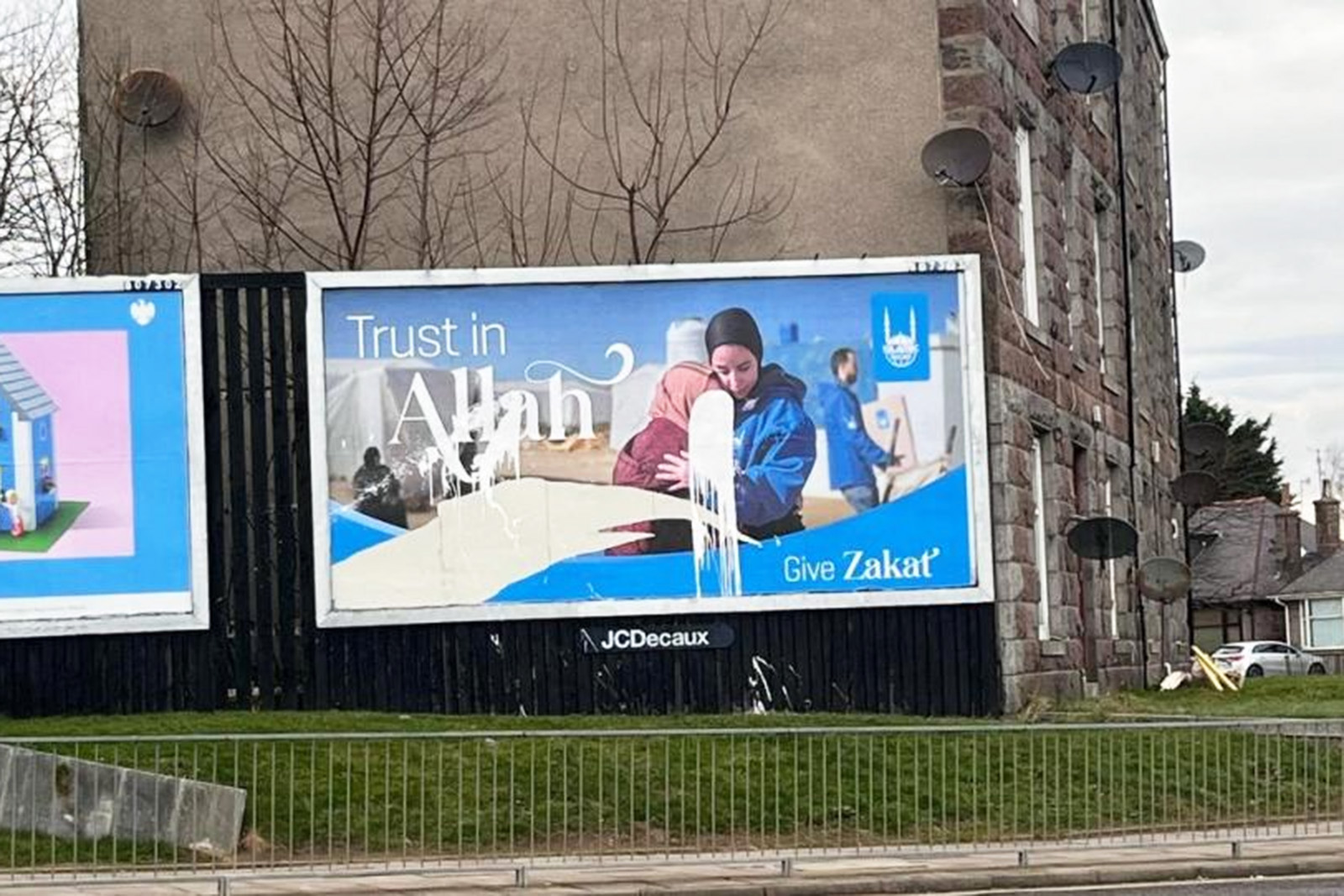
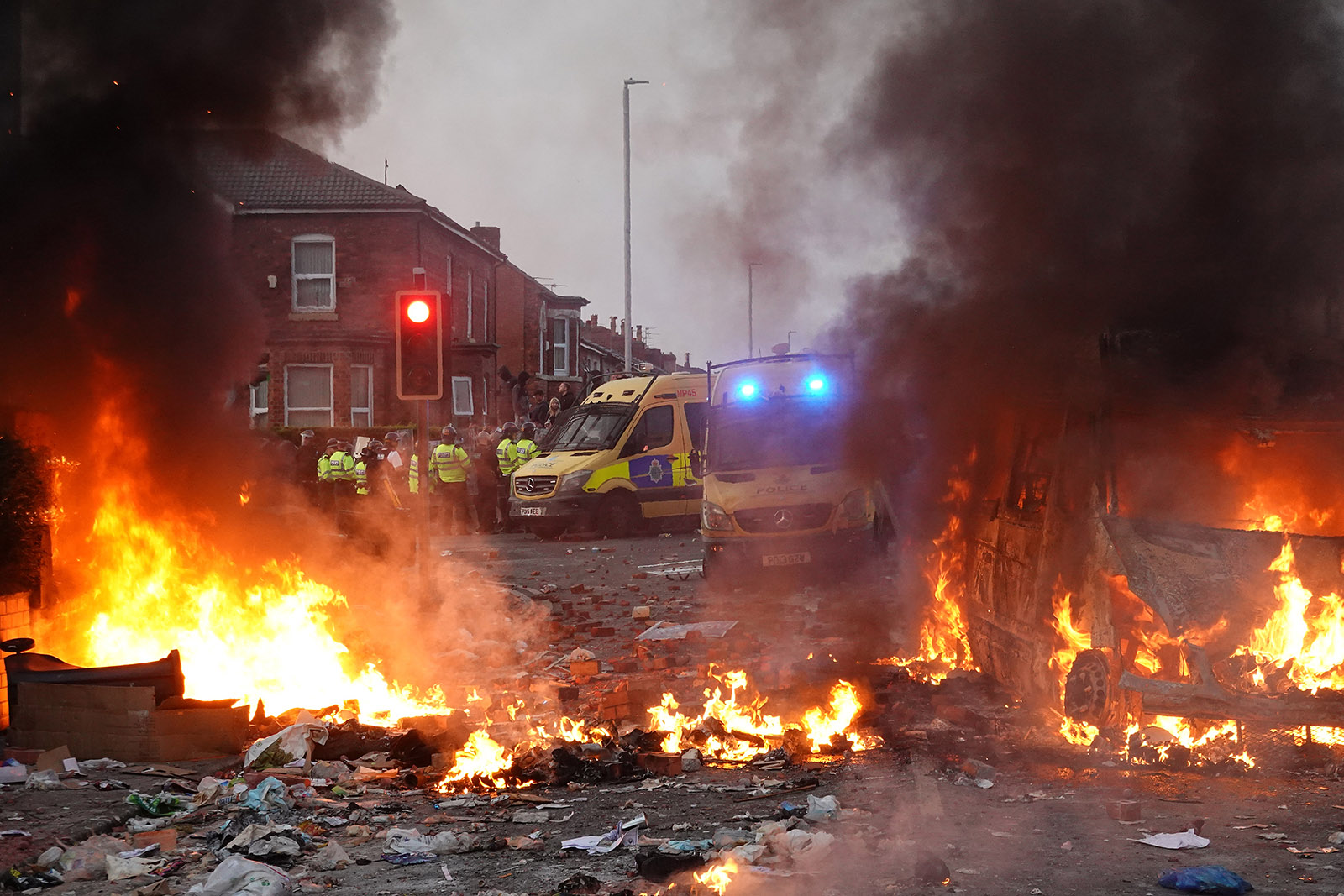
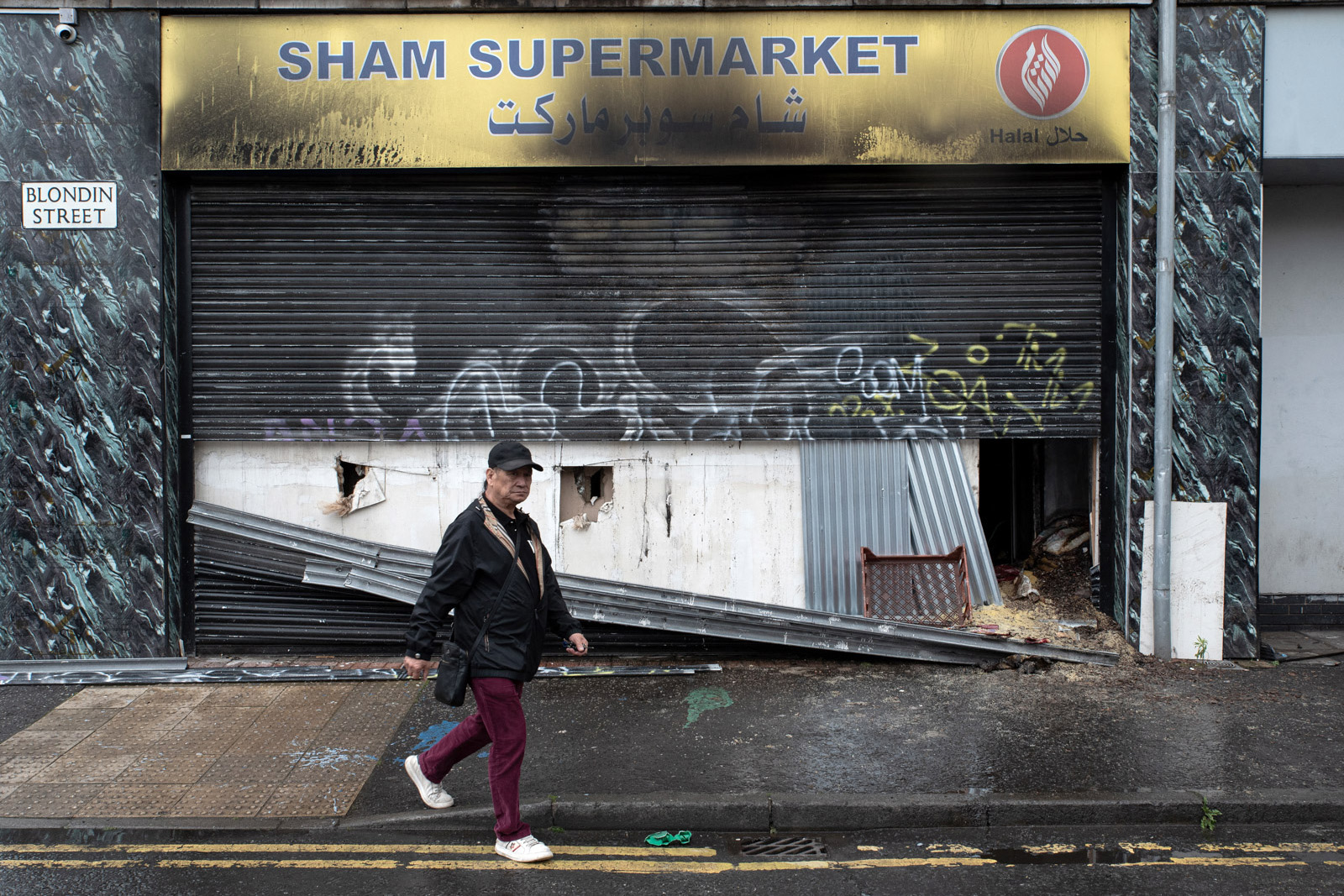
It has remained unfilled in the intervening period, despite Islamophobic attacks in the UK reaching “emergency levels” during this time, according to the human rights charity Amnesty.
“There is a clear need for the anti-Muslim hostility tsar to be appointed,” said Afzal Khan, Labour MP for Manchester Rusholme and a former member of the party’s shadow cabinet. “The government needs to get on with it.”
Khan added that November is Islamophobia awareness month and would offer an opportunity for the government to “relaunch” its efforts to tackle anti-Muslim hate.
With the tsar missing in action, Hyphen approached every English police force and Russell Group university, as well as the 10 local councils and 10 NHS trusts with the greatest proportion of Muslims in their areas to find out whether they had adopted the anti-Muslim hostility definition.
Just three of those 10 NHS trusts had done so, with a further one planning to. At least two other NHS trusts beyond the 10 we approached have adopted the definition, as has a national body, NHS Resolution, which advises trusts about complaints. Another national representative body, NHS Employers, is planning to adopt it.
Only one of the 10 councils had adopted the government’s definition, we found, with two others using other definitions of Islamophobia. The Local Government Association does not monitor how many councils have adopted the definition or use others.
None of Britain’s 24 Russell Group universities said they had adopted the definition, though one told us that they used a definition different from the government’s.
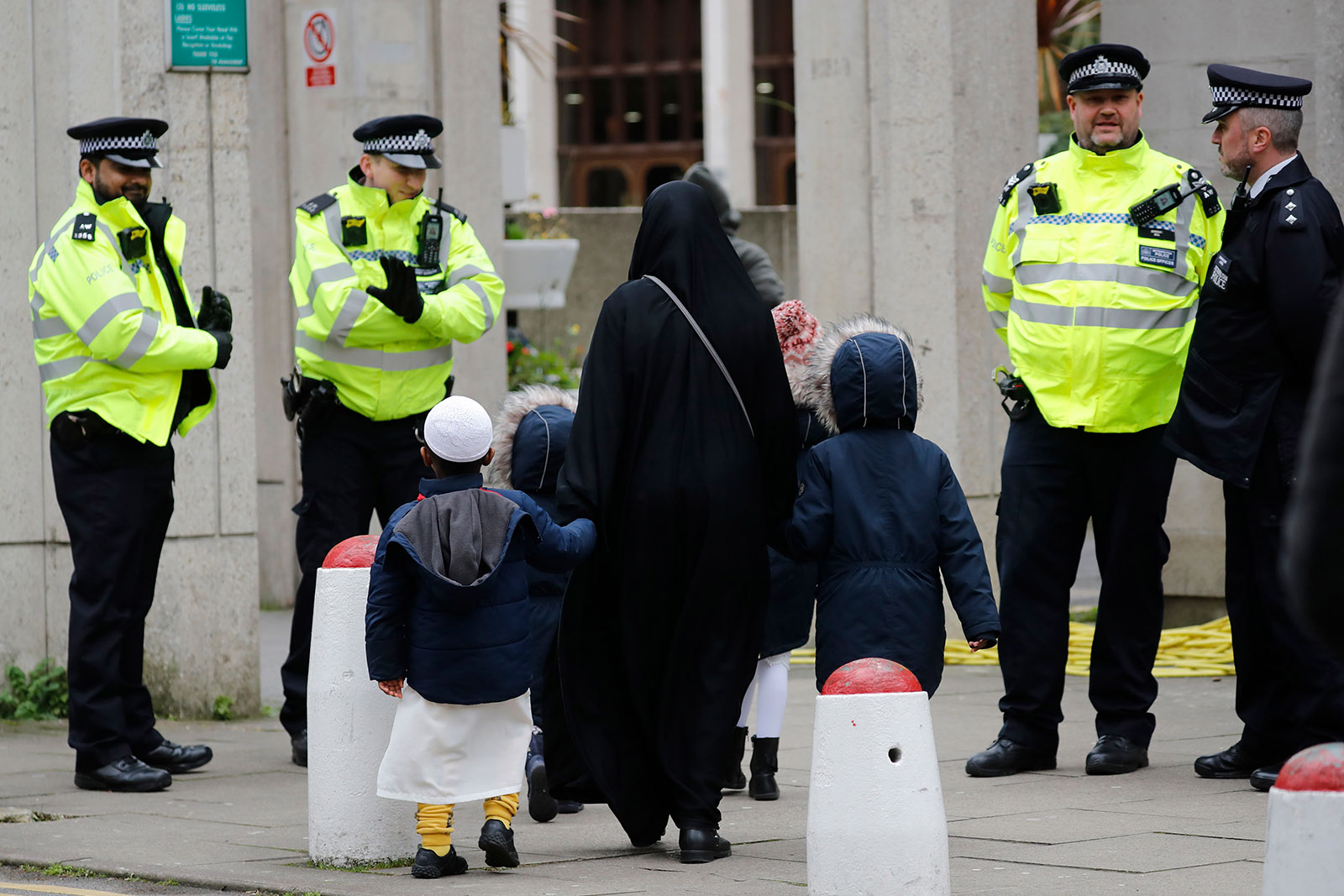
Similarly, no police force confirmed that it was using the definition, although one said it was planning to do so. The National Police Chiefs Council does not currently track whether forces are using the definition.
The Ministry of Housing, Communities and Local Government (MHCLG), from which the definition originated, told Hyphen that all central government departments had adopted the anti-Muslim hostility wording. Somewhat ironically, however, the Labour Party itself does not use the government’s wording, preferring the more muscular definition of Islamophobia developed by the all-party parliamentary group on British Muslims in 2019.
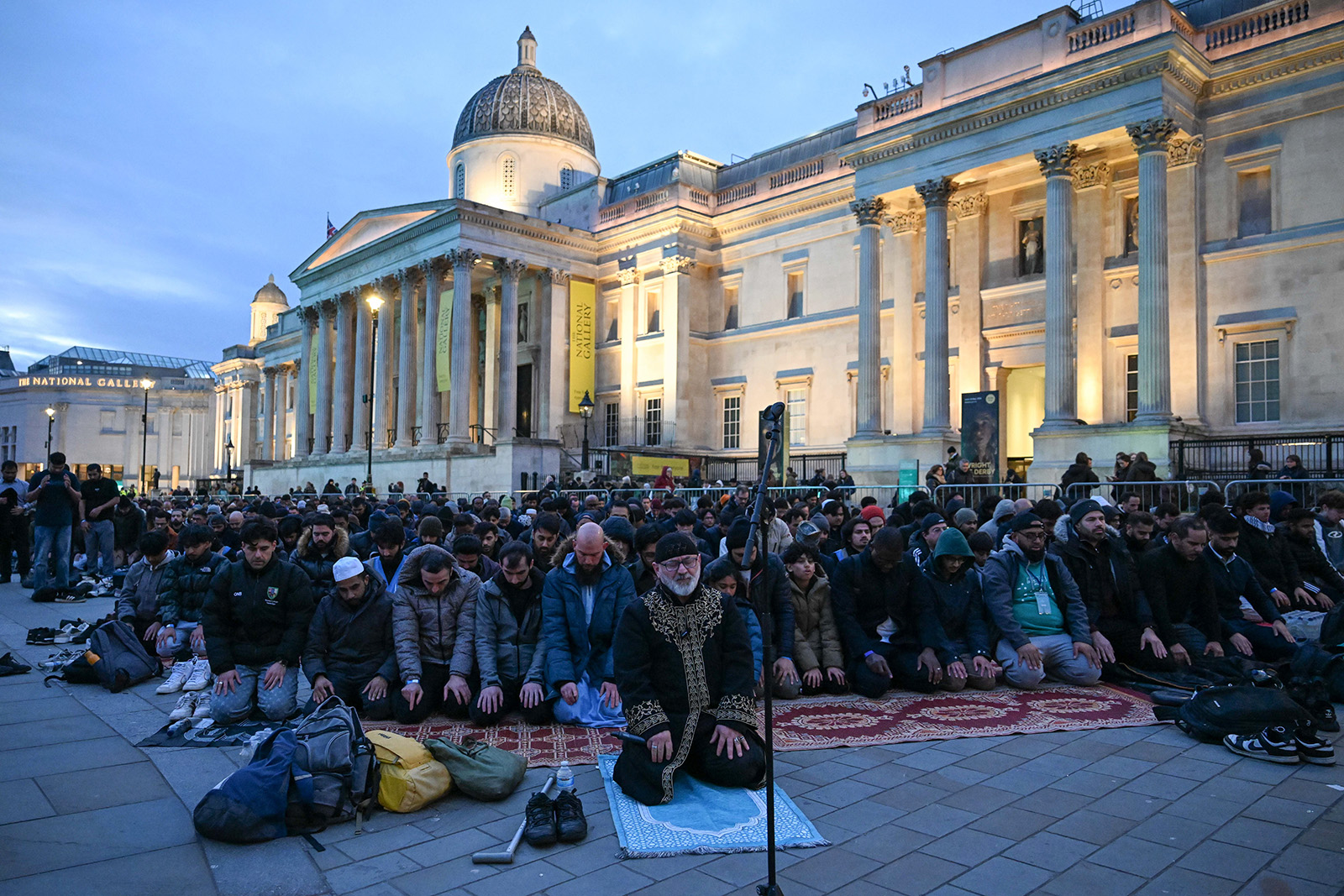
“We are still seeing a lack of urgency, accountability and meaningful action on the ground,” said Naomi Green, assistant general secretary of the Muslim Council of Britain. “Muslims are increasingly living with fear as incidents become more frequent, while masked men take to the streets, riots and rallies explicitly target Muslims, and anti-Muslim rhetoric becomes increasingly normalised.”
She added: “The government needs to demonstrate that tackling anti-Muslim hatred is a genuine priority, with clear accountability and action across public services and communities.”
A Hyphen investigation earlier this year found that the Home Office scheme to provide funding for additional security at mosques was suffering from severe delays, with more than 300 having been left waiting for a response to their applications, some for up to two years.
An MHCLG spokesperson did not offer a reason for the delay in appointing the special representative, but acknowledged that “hate crimes targeting Muslims are at a record high”.
“The adoption of this definition is an important step towards tackling anti-Muslim hostility and supporting efforts to keep Muslim communities safe,” they added.
“We continue to encourage the adoption of the definition across the public, private and third sectors, and we are engaging with organisations on the best approaches to support effective implementation.
“The appointment of a special representative will support this work and wider cross-sector action to tackle anti-Muslim hostility.”