
8 findings from major NHS maternity probe that Muslim families need to know
The National Maternity and Neonatal Investigation, chaired by Labour peer Valerie Amos, assessed thousands of public responses to a call for evidence

A landmark review into maternity services has found “stark inequalities” in maternity and neonatal care UK — with women from religious and ethnic minority backgrounds, including Muslims, persistently experiencing poor outcomes.
Commissioned by former health secretary Wes Streeting, the National Maternity and Neonatal Investigation saw a team of advisers speak to 450 families across England, visit 12 NHS trusts and assess 10,500 responses to a public call for evidence. It concluded by calling for a redesign of NHS maternity services.
Amina Hatia, midwifery manager at the pregnancy charity Tommy’s, told Hyphen: “Reading that some felt judged because of visible expressions of their faith, encountered anti-Muslim or antisemitic attitudes, or felt they needed to conceal aspects of their religious identity in order to receive better care, is deeply troubling.
“The most meaningful way we can thank those who shared their stories is by keeping their voices at the centre of this work and ensuring they lead to safer, more compassionate and more equitable maternity and neonatal care for every family.”
Here are the key findings for Muslim families from Amos’s report.
Muslim and Jewish women are concealing their religious identity
The investigation, chaired by Labour peer Valerie Amos, found that some women had experienced poor treatment from staff that they felt was a result of their religious identity.
Some Muslim women said they were questioned about the clothing they were wearing, including being asked “why are you wearing this?” during labour or appointments. Others said professionals had assumed that they did not speak or understand English; in some cases this led to derogatory comments by staff. Some Jewish families also experienced staff being unhelpful or speaking to them aggressively.
As a result of religious discrimination, families reported not disclosing their faith, or avoiding making requests that might identify them as being Muslim or Jewish. For example, some Jewish families avoided ordering kosher meals.
Cultural and religious needs are often poorly understood
The report found that understanding of different cultures was “not routinely built into care”, resulting in care that did not fully meet Muslim women’s needs. Some families said their requests for privacy during breastfeeding and examinations, and for care to be provided by female clinicians, were not understood or met. In some cases, these requests were met with frustrations and reluctance, which contributed to delays in care and women feeling dismissed.
Ethnic minority women are less likely to feel listened to
Data from the investigation’s call for evidence found that only 31% of respondents from Asian backgrounds felt staff listened to their concerns during labour and birth, compared with 39% of white respondents. When families did raise concerns, they often felt dismissed, not believed, or fearful of negative consequences, leaving them feeling less supported. The data found that 35% of Asian respondents and 37% of Black respondents felt safe and supported, compared with 44% of white respondents.
Clinical tools may disadvantage ethnic minority women
Amos’s report highlights that some clinical tools, technologies and training have not been designed with “sufficient consideration” for ethnic minority women, leading to poorer outcomes. She said this can affect clinical decision making and make it harder to spot the worsening symptoms.
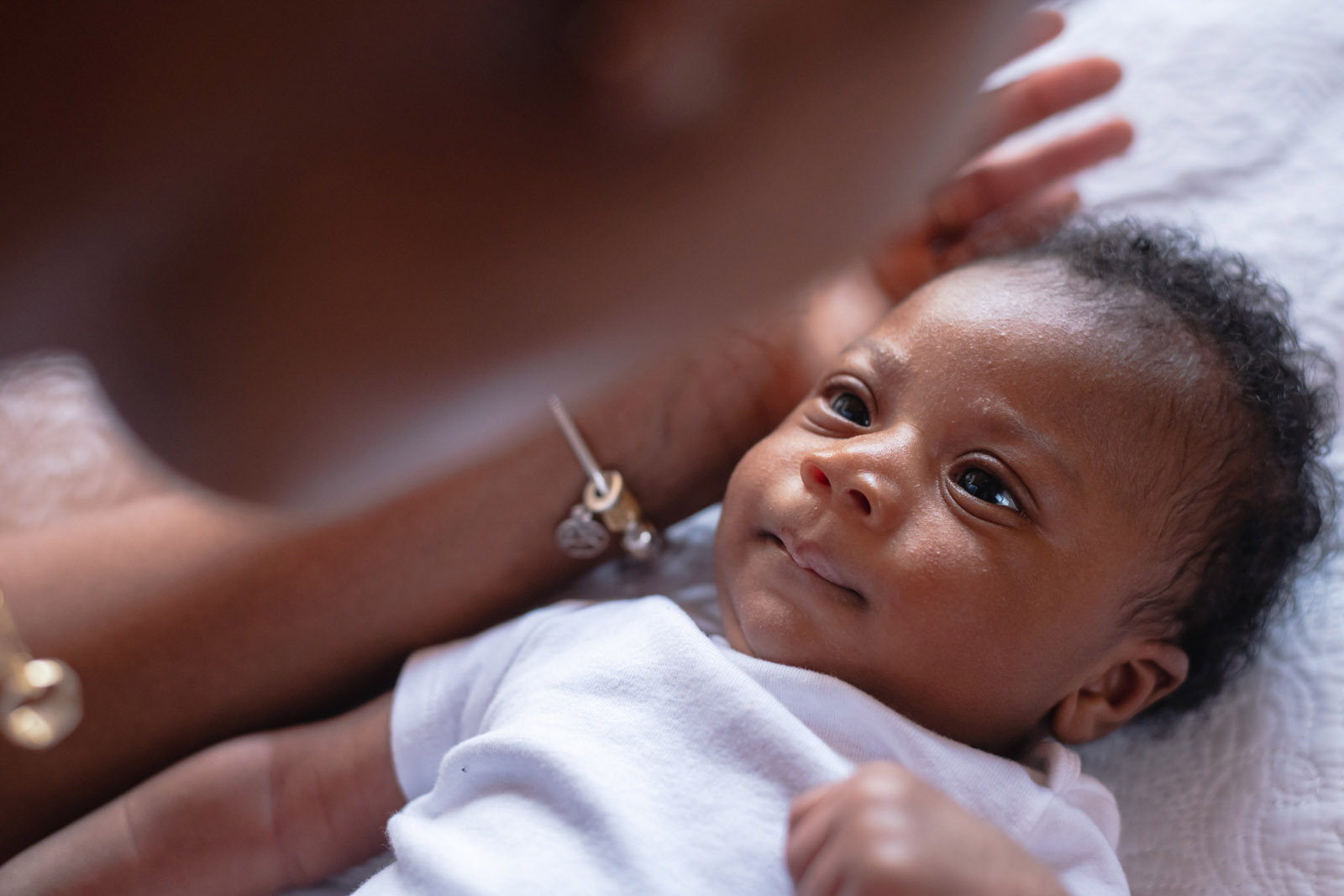
For example, in the assessment of suspected jaundice in newborn babies, the current guidelines are less suitable for babies of darker skin tones because they do not account for differences in skin pigmentation. A urine test used to diagnose pre-eclampsia, a serious pregnancy complication that causes high blood pressure, also appears to be less effective for Black women, missing around 41% of preeclampsia cases in Black women compared with 23% of women who are not Black.
“This highlights a broader risk that healthcare systems may not work equally well for all communities when diversity is not adequately considered in their design and implementation,” Amos said.
Muslim staff are more likely to experience discrimination
The report found that NHS staff who identify with a religion are more than twice as likely to report discrimination from patients and the public, as well as from colleagues and managers.
Among faith groups, 16% of Muslim staff and 11% of Jewish staff reported discrimination from patients or the public in the last 12 months, while 14% of Jewish and 13% of Muslim staff reported experiencing discrimination from managers or colleagues at work. Of staff with no religious affiliation, 5% reported discrimination from patients, while 6% reported discrimination from colleagues.
Racism is a ‘critical’ patient safety issue
Writing in the report, Amos said that racism and discrimination, whether overt or structural, experienced by staff or by patients, are not “peripheral concerns to be addressed through occasional training”.
Amos said discrimination must be treated as a “critical safety issue” that requires urgent intervention. She recommended that where inequalities in access, experience, safety or outcomes are identified, they must be reviewed and escalated to board level. She said that where patterns emerge, action must be taken to deliver measurable improvement.
She added that this “must be considered by regulators as part of their assessment of service safety”.
Better ethnicity data is needed
Related content
Amos’s report found there is inconsistency around how data is collected and recorded across NHS trusts. Alongside this, the use of broad ethnic categories “can mask important differences in outcomes”.
Amos said that, currently, data collection focuses on clinical outcomes and misses the impact that discrimination, communication barriers, lack of trust and cultural differences has on women’s experiences. “The NHS needs to routinely capture both outcomes and experiences to fully understand inequalities,” she said.
Anti-racism training should be reviewed and updated
The report recommends an independent evaluation to assess the content of anti-racism training across maternity and neonatal teams — and whether it works. Using these findings, Amos said a national minimum standard for mandatory training should be established.
Following the publication of the report on 30 June, the government announced that it would invest £41m to overhaul maternity care and appoint the UK’s first maternity and neonatal commissioner. The Department of Health and Social Care also said a “comprehensive national action plan” would be published in December, setting out priority actions and long-term reforms, with families and clinicians to be involved in drawing it up.