
British Pakistani doctor’s new eye scan can spot dementia years early
Dr Rayaz Malik is preparing to submit the technology to the European Medicines Agency for approval, which could see it rolled out in hospitals

A British-Pakistani doctor has invented a groundbreaking eye scan that can detect early signs of neurodegenerative diseases such as dementia, Parkinson’s and multiple sclerosis years before symptoms appear.
Dr Rayaz Malik, who has been developing and testing the technology for 25 years, is now preparing to submit it to the European Medicines Agency for approval, which could see it rolled out in hospitals and other medical settings.
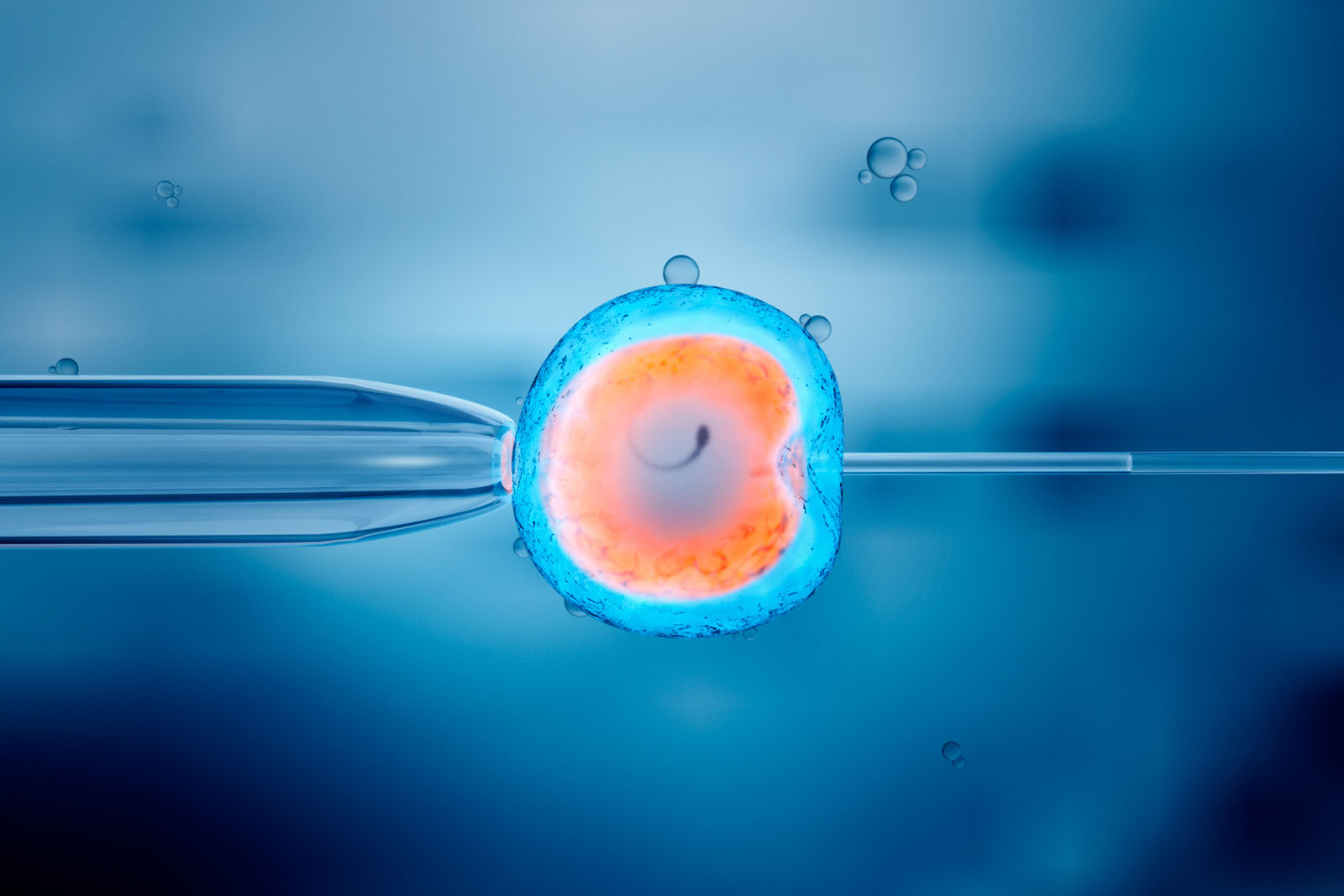
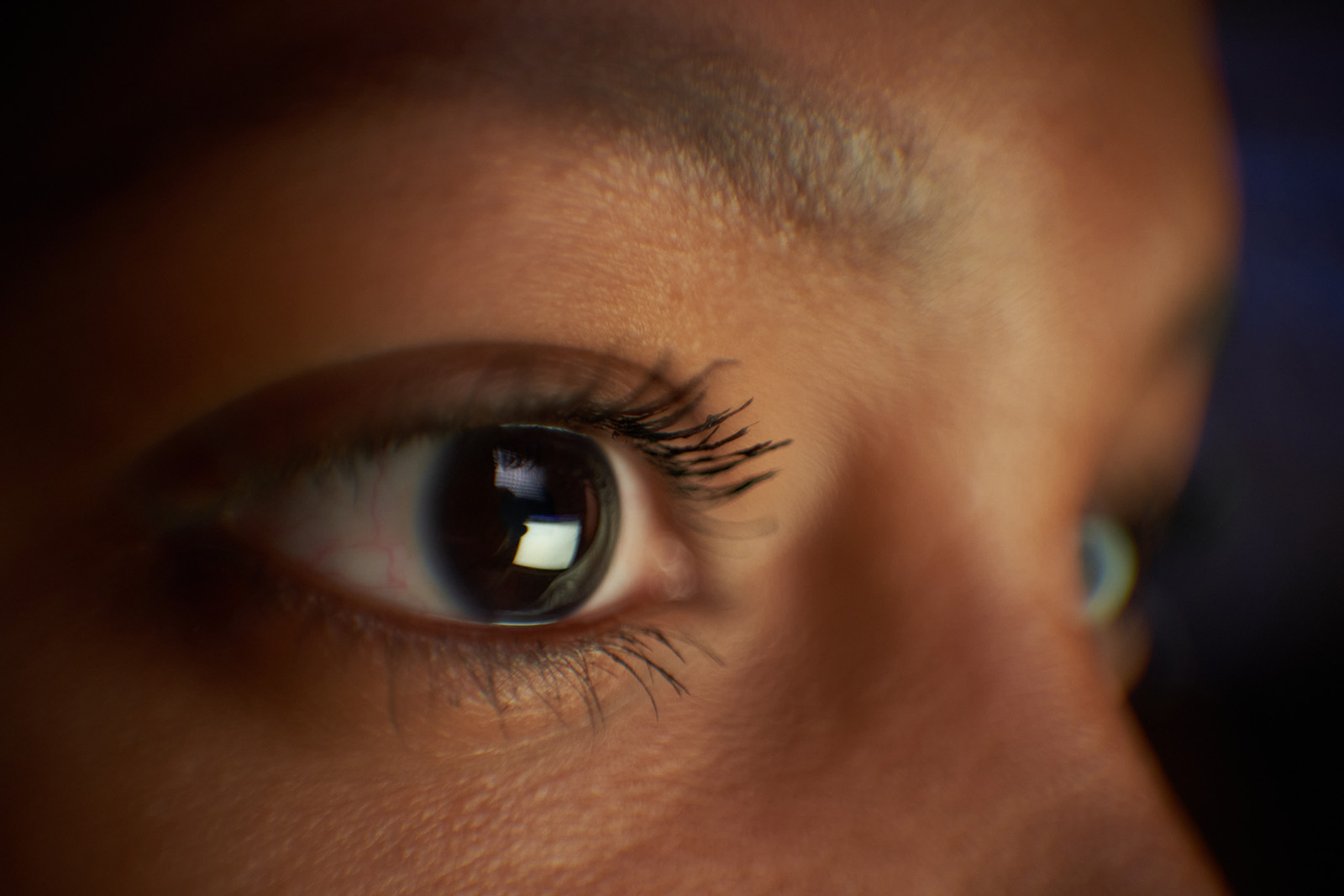
The non-invasive technique, called corneal confocal microscopy, images nerve fibres in the cornea at the front of the eye. These images are then analysed using an AI model that can detect signs of nerve damage and repair, which are a key sign of neurodegenerative diseases.
Related content
Malik, a professor of medicine at Weill Cornell Medicine, said he hoped the scan would transform how neurodegenerative diseases are diagnosed.
“I would love it if we could have this as a diagnostic instrument that is actually going to make a meaningful impact on people,” Malik said.
Malik first began developing the scan in 2001 when he was working as a lecturer at the University of Manchester. At the time, Malik said he used the corneal confocal microscope to take images of the front of the eye and then manually examine them. “We would physically look at how many nerves there were and how many branches and work out a way of measuring if there was damage or repair going on, but now AI does that for us,” he said.
Malik’s studies have shown that the scan can detect early signs of neurodegenerative disease by identifying nerve damage years before symptoms appear. So far, the scan has been able to accurately predict the development of diabetic neuropathy up to five years before symptoms appear and dementia up to three years in advance. Currently, most people with diabetes and neurodegenerative diseases are not diagnosed until the disease has advanced.
The model can also detect nerve damage from HIV with a high degree of certainty, and measure the effectiveness of treatments.
Malik said his team is about to carry out a study looking at Lecanemab, a therapy approved by the US Food and Drug Administration that is thought to slow the progression of dementia. “We are going to use this to see if there is a regeneration of nerves,” he said.

He hopes the scanners may be used in hospitals as well as in opticians in the future. “If we can get them cheaper and available on the high street, I believe people will be queueing out the door because they are worried and they want to know either if they have a particular neurodegenerative disease or if they are at risk of developing it. My ultimate vision is that we would have something that is available to everyone,” he said.
Early detection could be particularly beneficial for people from ethnic minority communities. According to Alzheimer’s Research UK, Black and Asian people may be at a higher risk of developing dementia owing to their increased exposure to dementia risk factors, such as type 2 diabetes and high blood pressure. In the UK, South Asians are up to six times more likely to develop type 2 diabetes than the general population.
Related content

The NHS currently aims for patients referred by their GP to be seen by a neurology specialist within 18 weeks, though only 60% are seen during that time. Malik said some patients may be waiting up to 18 months. According to a report published by the Association of British Neurologists in January, the UK has between 1.1 and 1.6 consultant neurologists per 100,000 people, compared with 6.6 neurologists per 100,000 people in comparable high-income European countries.
“For me that’s a process that could be changed dramatically by saying let’s get the scan, and if it shows anything, you’ve got a streamlined pathway,” he said.
To add to the problem, most people visit their GP only once symptoms occur.
“Most people with neurodegenerative diseases end up being seen by specialists maybe 10, 15, even 20 years after the disease started,” said Malik. “It’s very difficult then because you are fighting this almost end-stage disease and, no matter what you do, it’s very difficult to reverse or prevent that progression.
“There’s a big problem with type 2 diabetes — we are not picking this disease up early enough. So if I can identify it 10 years before, we can do things to improve the risk factors that cause the nerve damage, such as being overweight, having poor blood sugar control or high blood pressure,” Malik said.