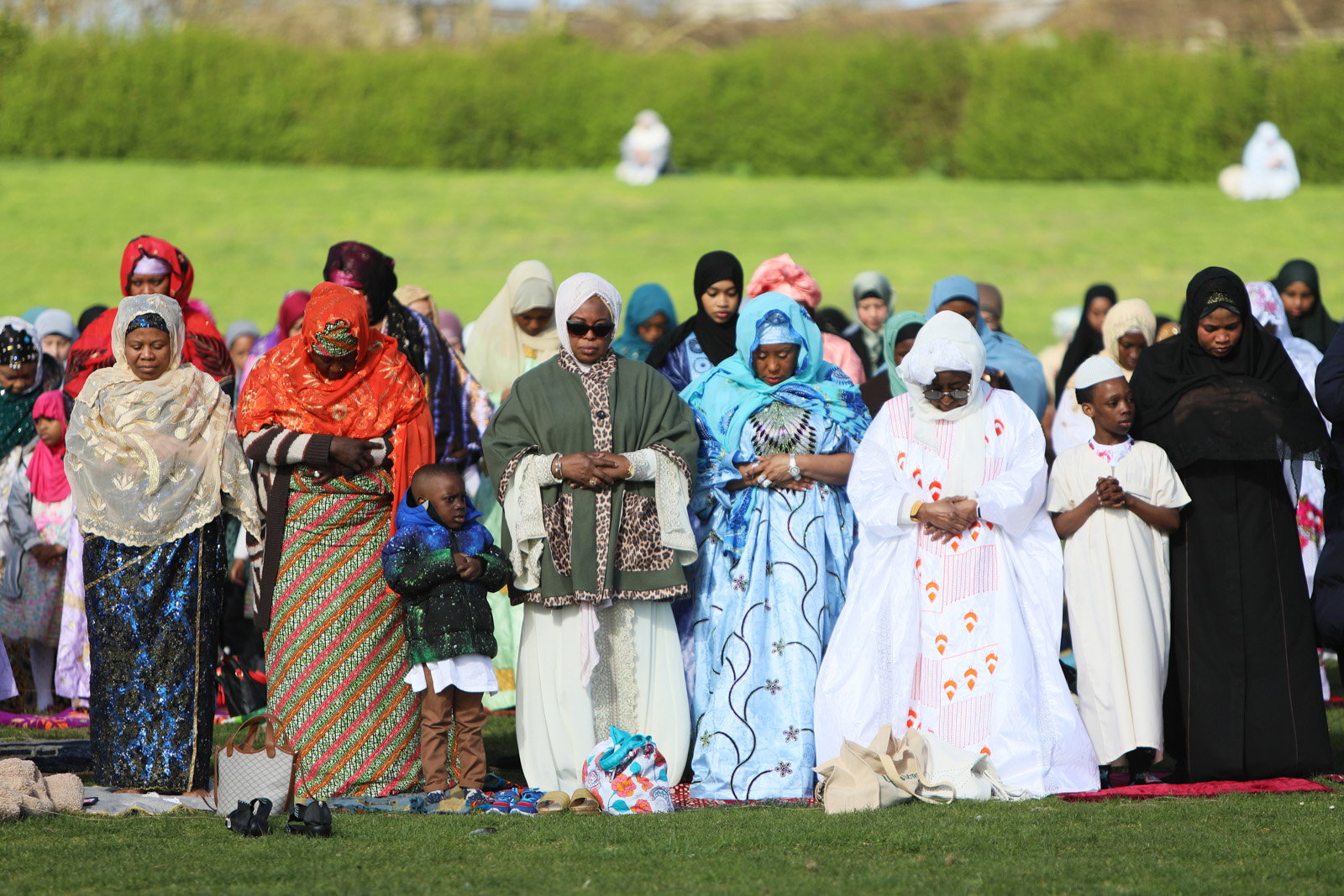

The Hyphen view from Europe: from out of office to out of capacity
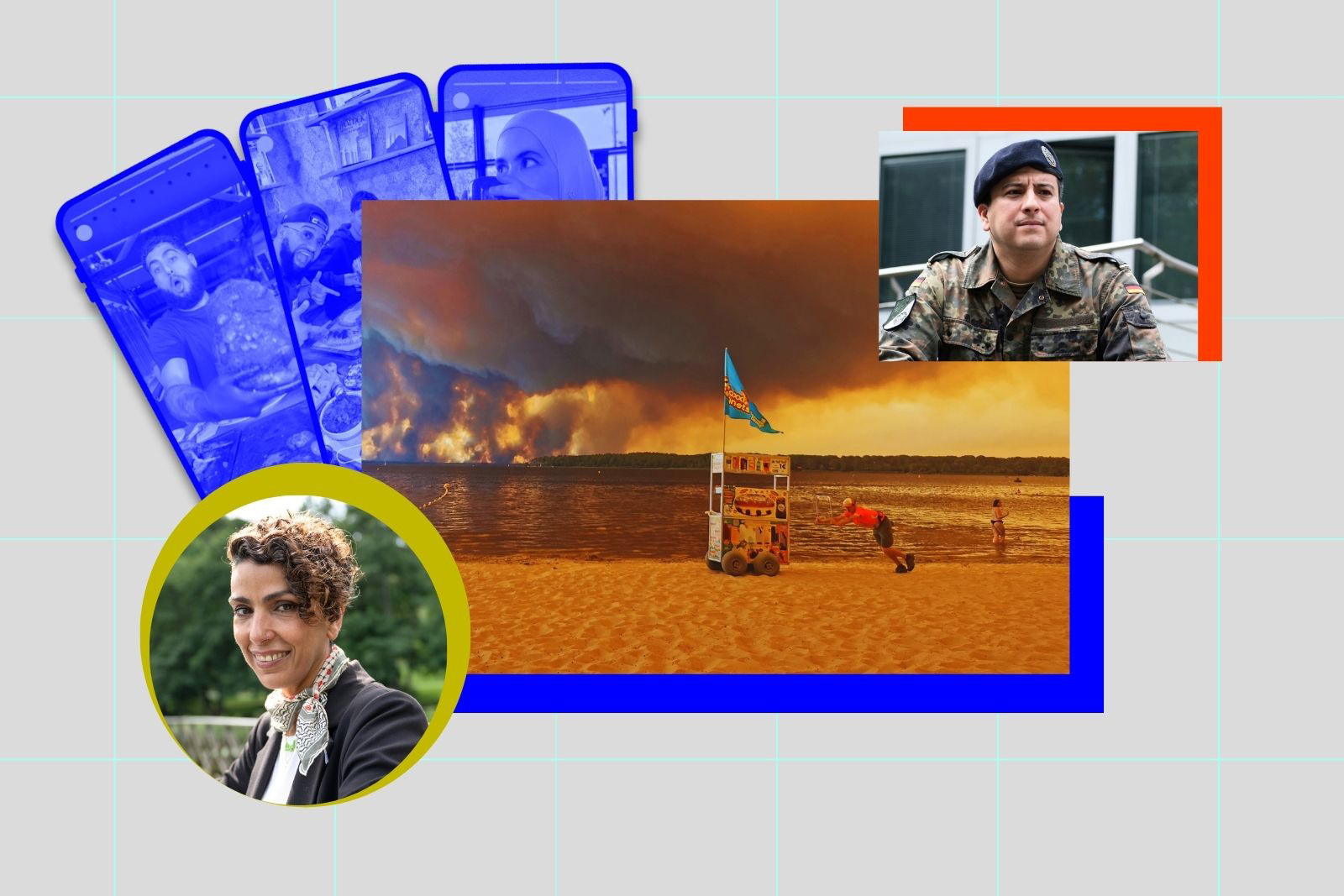
Europe tried to take the month of August off — as it has always done. The climate, war and institutional crises had other plans

Europe does few things quite as effectively as shutting down for August. Governments close for business as ministers take to jetskis, entire industries put their out-of-office on, cities empty on to the coast. It’s a continental agreement and it works because everyone wants it to.
Climate change is not respecting this arrangement.
This summer, as Europeans attempted to scratch their mosquito bites and doze on their lilos, extreme heat and wildfires have raged across their beloved holiday spots. Tens of thousands were evacuated and more than 20 have been killed. Fanned by record-breaking temperatures and drought, Europe’s emergency services have admitted that they are “out of capacity”.
What we feared for years now looks like our new reality. August is no longer Europe’s month off, but its annual stress test. Stress tests can be useful — they show you what works, what doesn’t and what probably should have been serviced several years ago — but they’re never pleasant.
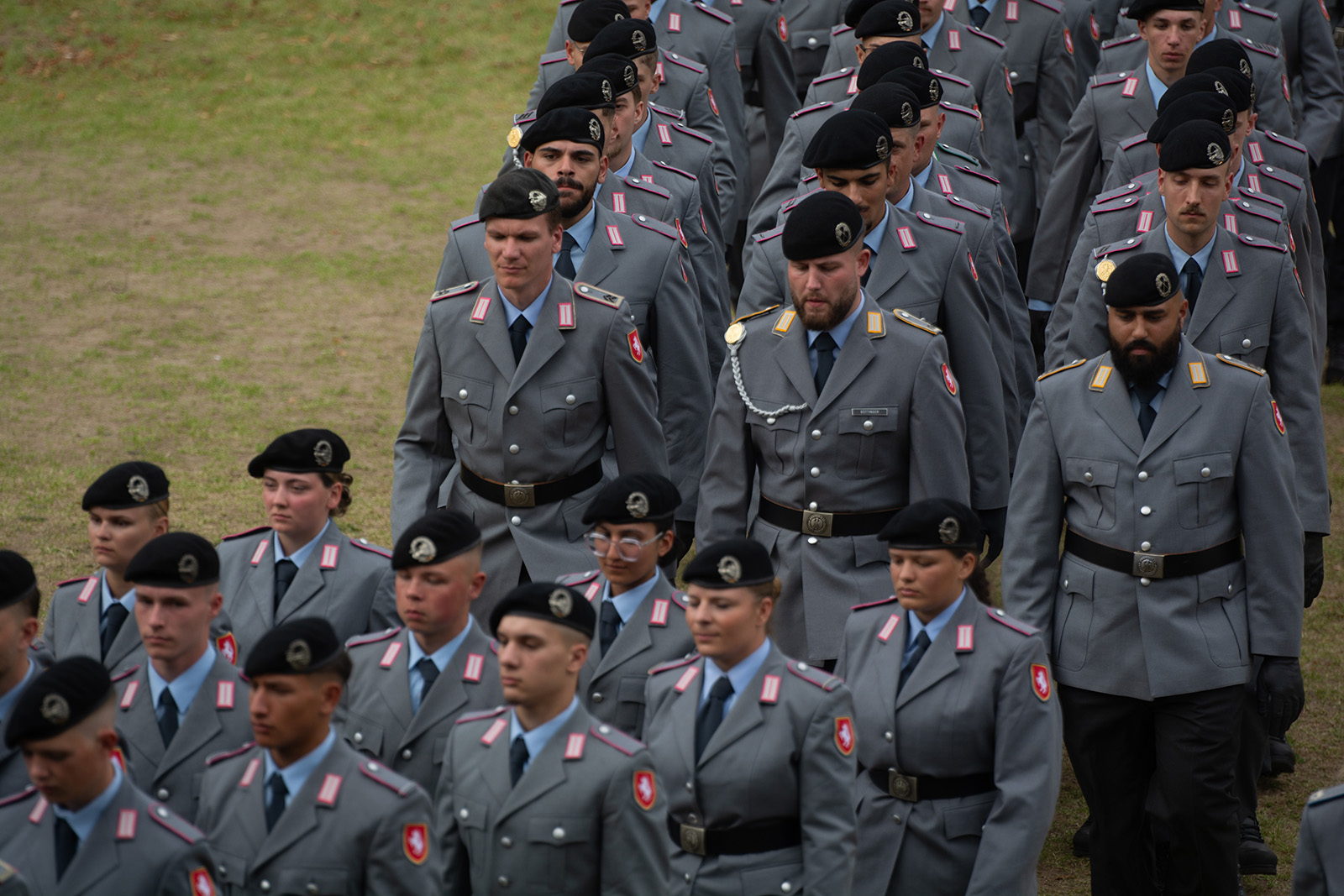
Germany may have escaped the worst of the wildfires, but it is facing pressure of a different kind. With war still raging in Ukraine and Donald Trump’s interest in Europe waning, Berlin wants to build Europe’s strongest conventional army.
This has made one longstanding anomaly harder to ignore.
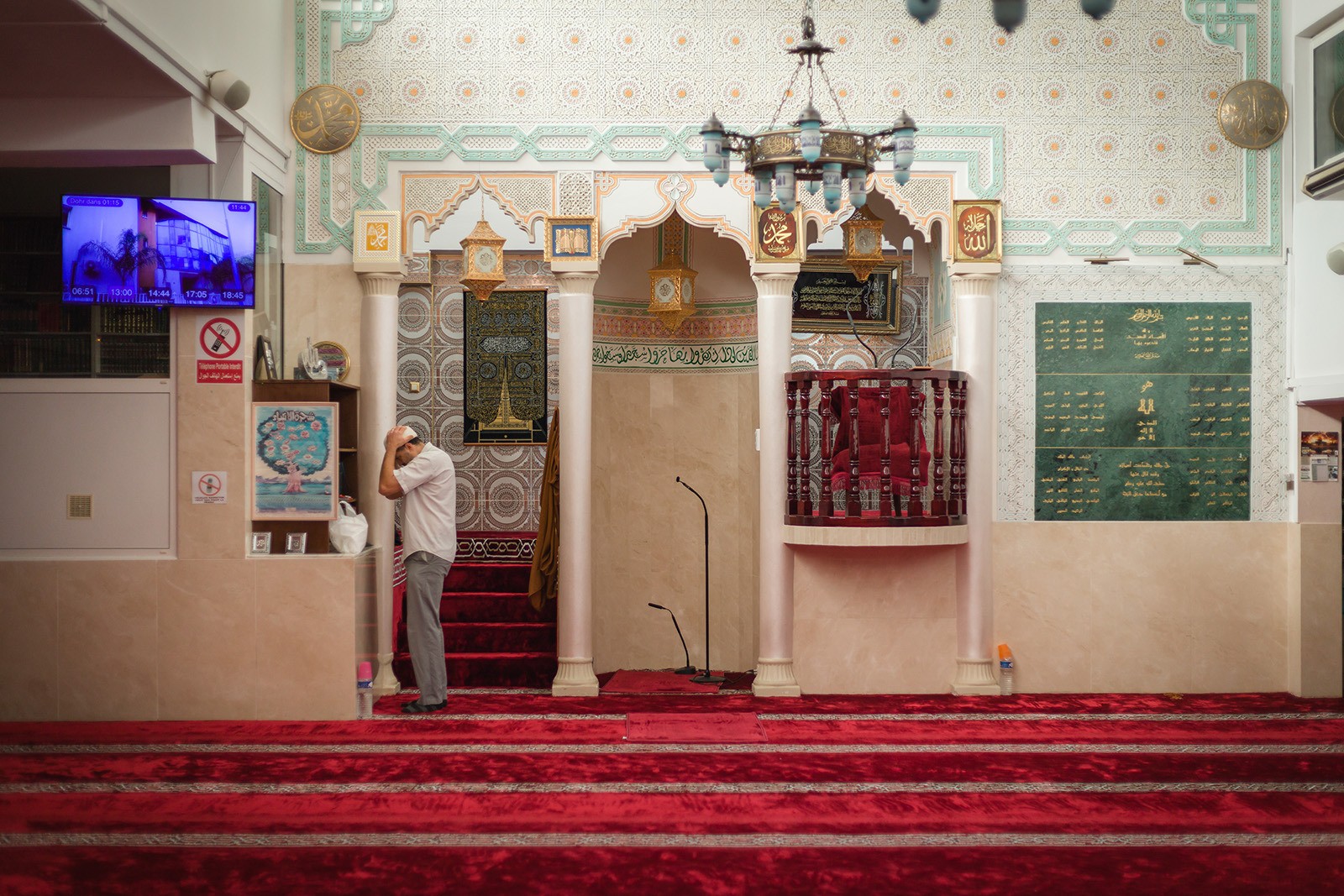
The Bundeswehr has about 3,000 Muslim soldiers. For years, their Protestant, Catholic and Jewish colleagues have had access to military chaplains of their own faith. Muslims have not.
As Liv Stroud reports for Hyphen this month, that is finally changing. By the end of the year, Germany hopes to appoint its first Muslim military chaplains after more than 15 years of debate over how to fit Islam into a system that was not designed to accommodate it.
The solution remains imperfect — Muslim chaplains will initially be externally contracted rather than enjoying the same institutional status as their Christian and Jewish counterparts. But it turns out that nothing focuses the bureaucratic mind quite like urgently needing more soldiers.
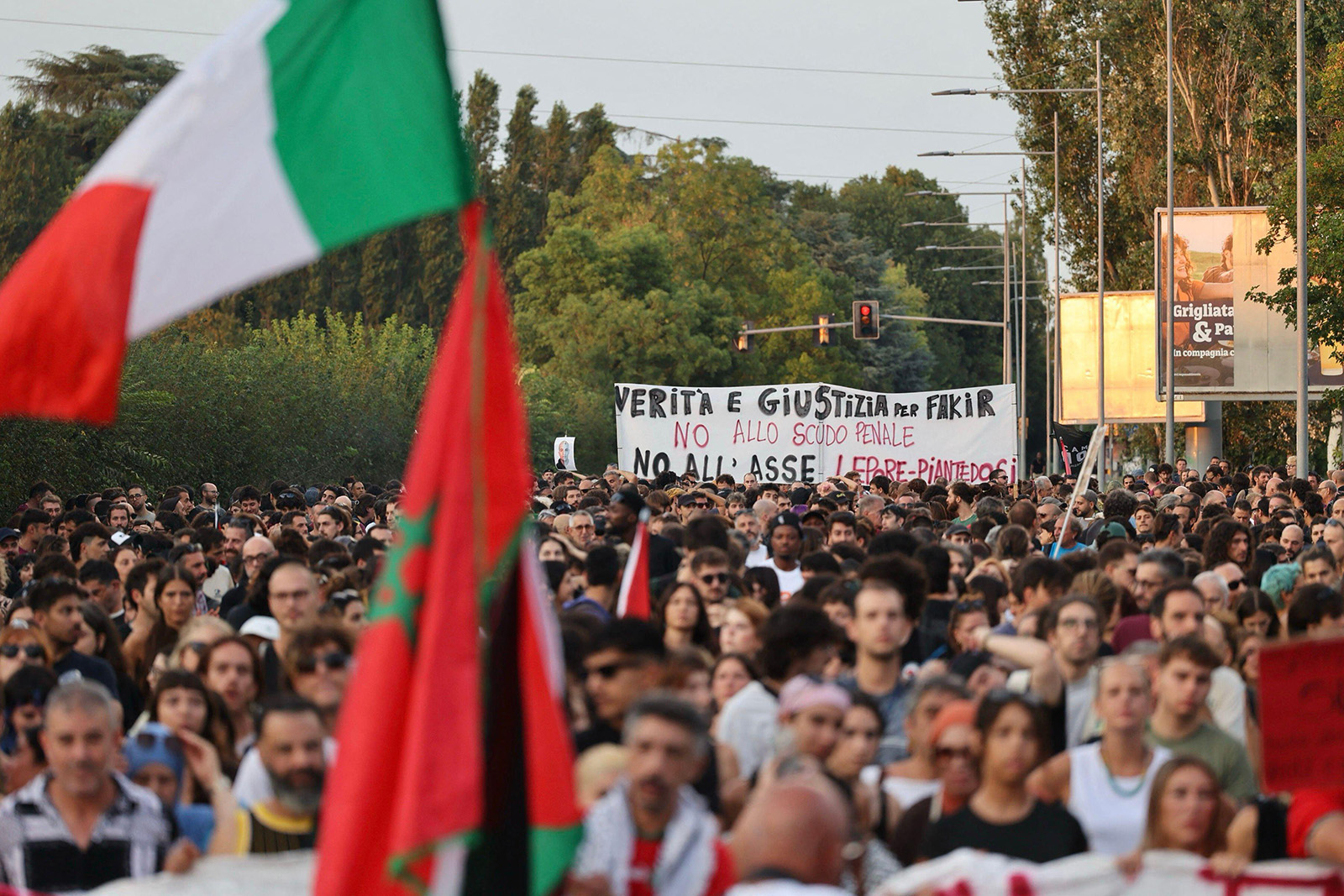
In Bologna, the horrifying death of a Moroccan man while being restrained by police has exposed a different faultline.
As Elizabeth Djinis reported for us, Abderrahim Fakir’s death has prompted protests and demands for an independent investigation. His case has become about more than the circumstances of one man’s death: it has focused anger about policing, race and the treatment of migrants in Italy. Without overstating the comparison to George Floyd, parts of the story do feel familiar: a death in police restraint has become a breaking point at which years of mistrust find a face and a name upon which to focus outrage.

European cinema has its problems, too, dwindling finances and disappearing audiences among them. But the film industry is at least starting to recognise multiculturalism as a solution rather than a problem. In Sweden, producer Linda Mutawi spoke to Heba Habib about the “cultural intelligence” at the heart of Fikra, the company she co-founded to work between northern Europe and the Middle East. As European film becomes more dependent on international financing and audiences, being able to operate between cultures, she says, is not so much a nice thing to put in the diversity report as a way to get the film made.
Social media, as usual, is ahead of all our institutions — for good, for bad, and thankfully for food.
Tom Flanagan has reported on how a generation of Muslim food influencers are building huge followings around halal food with restaurant reviews and recipes. TikTok, unsurprisingly, has been quicker than the Bundeswehr to celebrate the role Muslims play in European life.
Europe’s ministers will soon be returning to their desks, sunburned but maybe motivated by the wildfires that threatened their holiday homes. This summer break will surely have made the continent’s urgent problems — extreme heat, buckling emergency services, faltering trust in justice — a little harder to ignore.
Summer’s nearly over — everyone feeling rested?