
Rami Ismail is on a mission to change who gets to make video games

The gaming industry’s money and opportunities are concentrated in the west. The Dutch-Egyptian developer wants where you live to matter less than what you want to make

It’s late on a rainy Friday in Amsterdam and Rami Ismail is rushing from meeting to meeting. His days are so packed that anyone hoping to speak to him needs to book time through an online form.
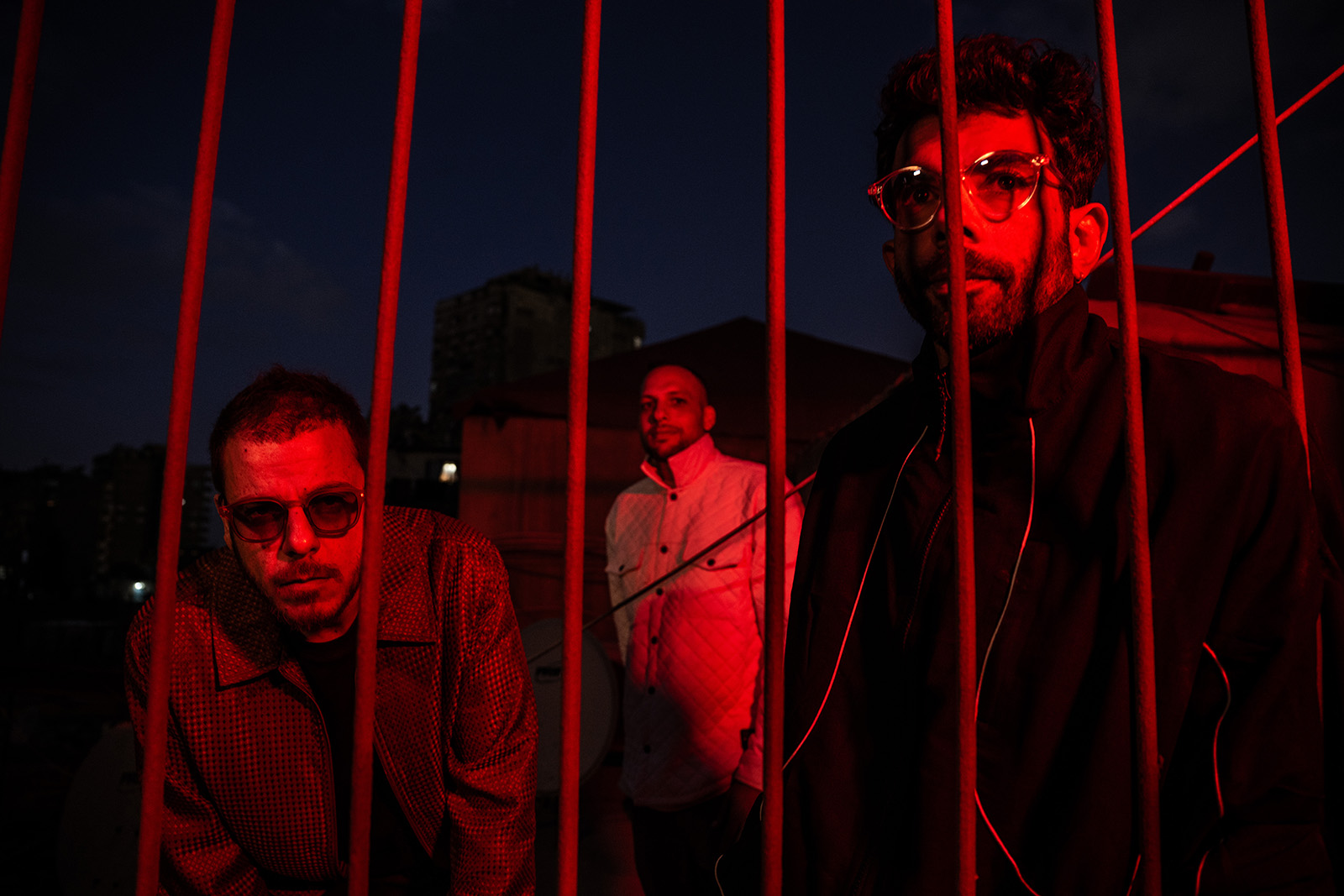
The 37-year-old Dutch-Egyptian developer is one of the video game industry’s most prominent Muslim figures. He made his name as co-founder of Vlambeer, an independent Dutch studio whose mobile game Ridiculous Fishing won two Apple design awards. Now he has made it his mission to ensure that money, language and geography do not decide who gets to make video games.
Related content
“If we leave it to western people to decide whether an Egyptian, Cameroonian or Malawian story is worth telling, we’re going to lose to a French, English or Swedish story every time,” he said. “Because they understand the story they’re telling, they can fund it.”
The global video game industry is estimated to be worth $196bn in annual revenue, more than the music and film sectors combined, but investment is unevenly distributed. Data from Ampere Analysis, published by Statista in 2025, showed that North America attracted 36% of private investment, followed by western Europe with 27% and Asia-Pacific with 18% — although Asia-Pacific accounts for more players and revenue than any other region.
Making a game requires substantial upfront investment: even small independent productions can cost tens of thousands of euros, while blockbuster titles such as Call of Duty cost hundreds of millions. Developers, therefore, often rely on publishers, which choose what projects to fund, recoup their investment from sales and then take a share of the revenue. This gives publishers considerable power over what gets made — and which stories reach players.
“If you don’t have access to that kind of money, making games is much harder,” Ismail says. “If you don’t have access to the big conferences where those publishers and audiences are, to the accelerators or incubators that teach you how to avoid common mistakes, to the English language, to visas, it’s much harder.”
In 2019, he founded gamedev.world, an online gamers developer conference designed to remove barriers of cost, language and visa access. Its talks and live question-and-answer sessions are translated into eight languages, including Arabic and Russian, and Ismail says it has attracted 30,000 developers.
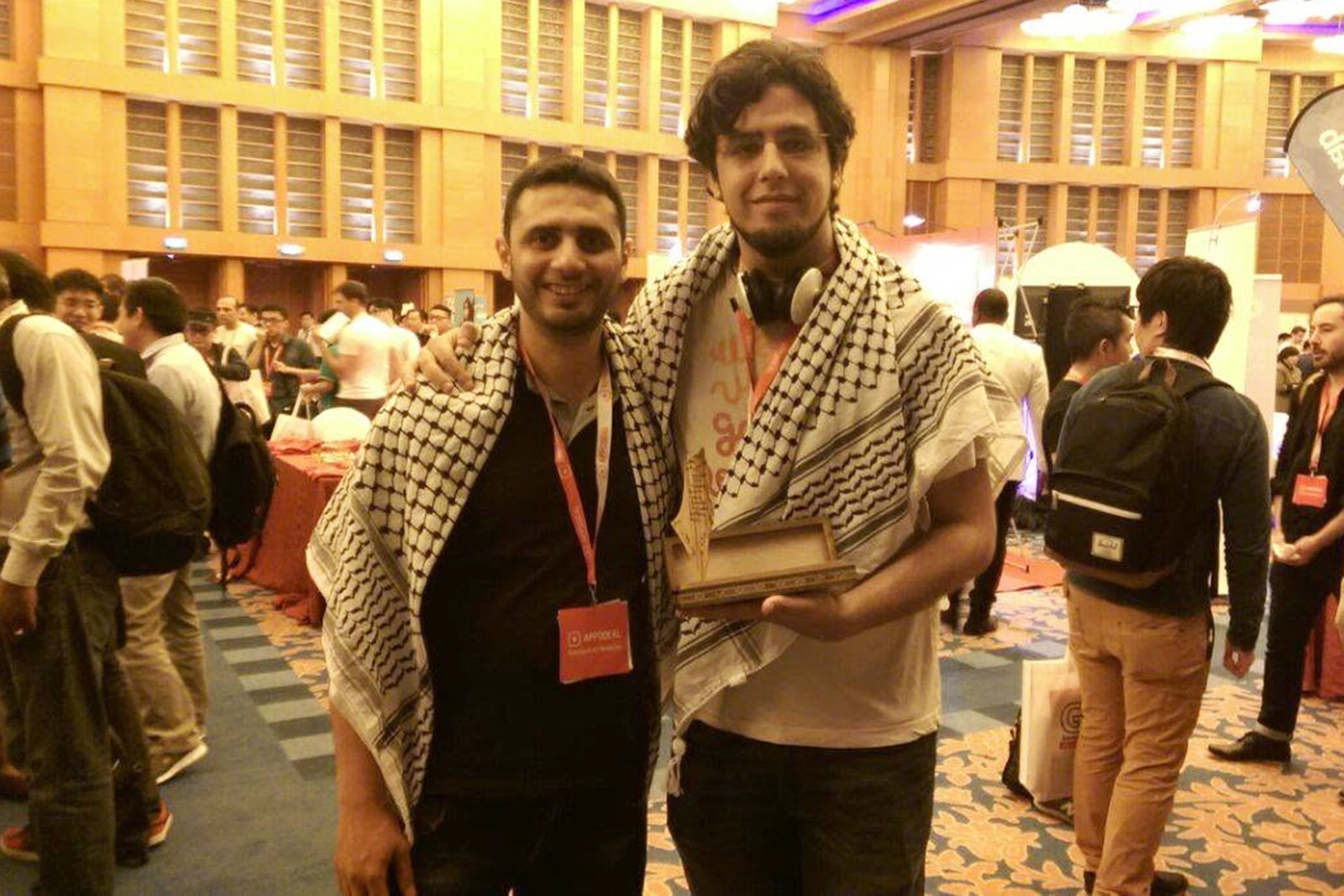
His work is part advocacy, part consultancy and sometimes even funding. For Palestinian developer Rasheed Abueideh, it has been life-changing.
In 2016, Abueideh wanted to submit a game to the IndieCade competition but could not pay the entry fee because PayPal did not recognise Palestine. He called Ismail’s phone-in advice show, Call Me Ismail, for help.
“Rami made the payment himself on the spot,” Abueideh says. “It made me realise that he wasn’t just an expert in the industry, but someone who stands for something.”
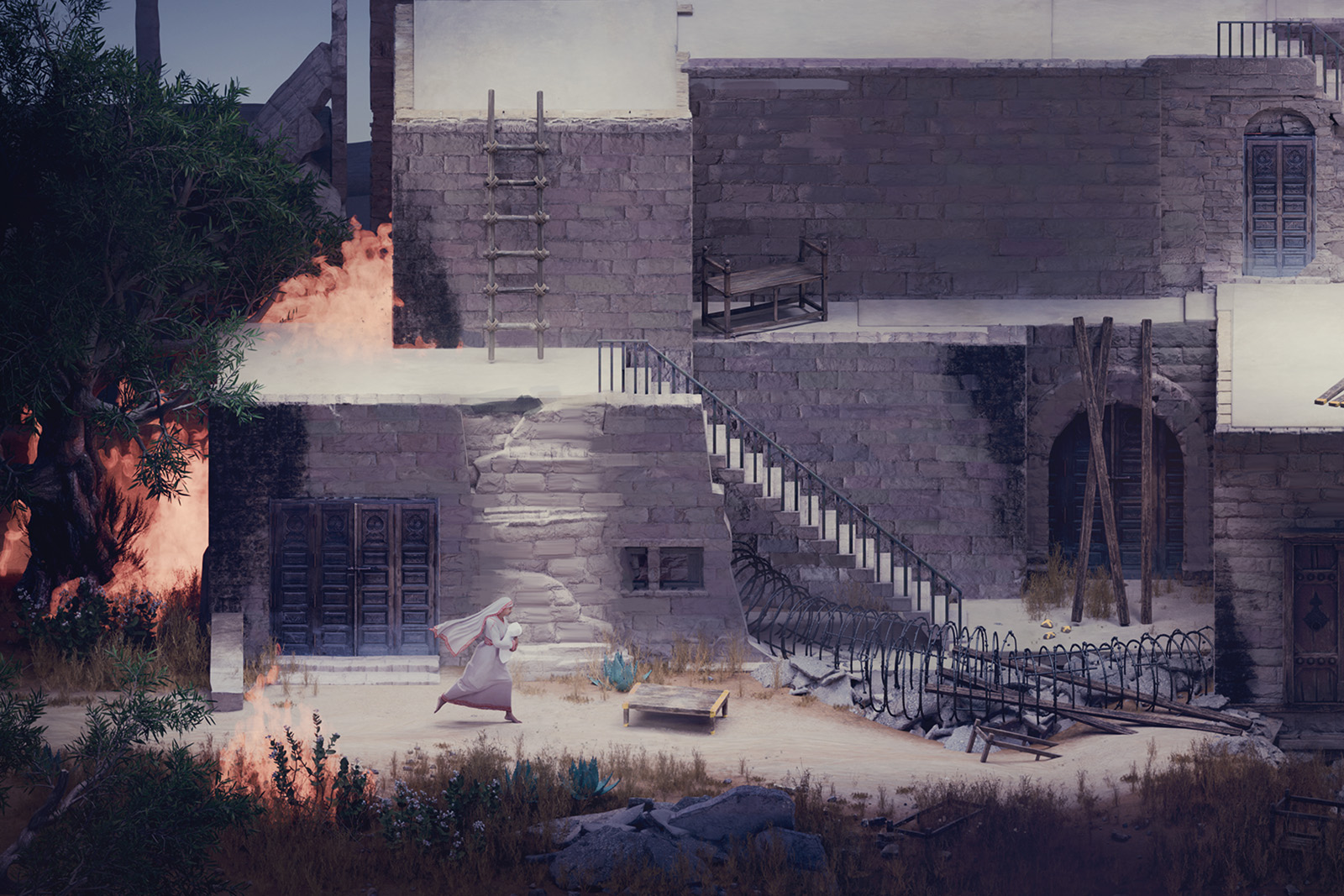
Ismail went on to advise and advocate for Abueideh, invited him to speak at industry events and supported the release of his first game, Liyla and the Shadows of War, about Israel’s 2014 attacks on Gaza. Apple initially rejected it from its games category before reversing its decision following public pressure, including from Ismail.
“Back then, I never knew anyone in the gaming industry who was Arab,” Abueideh says. “And that was huge for me.”
Ismail dates his own mission to the success of Ridiculous Fishing. “I realised my parents made a very intentional choice to live in the Netherlands and that if we’d moved to Egypt, we wouldn’t be having this conversation,” he says. “That felt wrong to me and it ignited a mission I’ve been on ever since.”
Raised Muslim, Ismail says his faith and background inform his work and his opposition to the way Arabs have traditionally appeared in games.
“We became the cheapest evil you could implement once people got tired of Nazis in video games,” he says. “Developers just went, well, what’s as bad as Nazis? Arabs. It’s always jeeps, goats and dudes with guns.
“I’m not saying you can’t have Arabs as bad guys in your game. It’s just that we’re the default option; there’s nothing positive about our culture.”
Ismail has also pushed developers to treat accurate Arabic as a basic requirement. At Portland’s XOXO festival, he taught an audience enough of the language in 25 minutes to recognise that the word “hotel” had been rendered incorrectly in a game with a reported $300m budget.
Related content
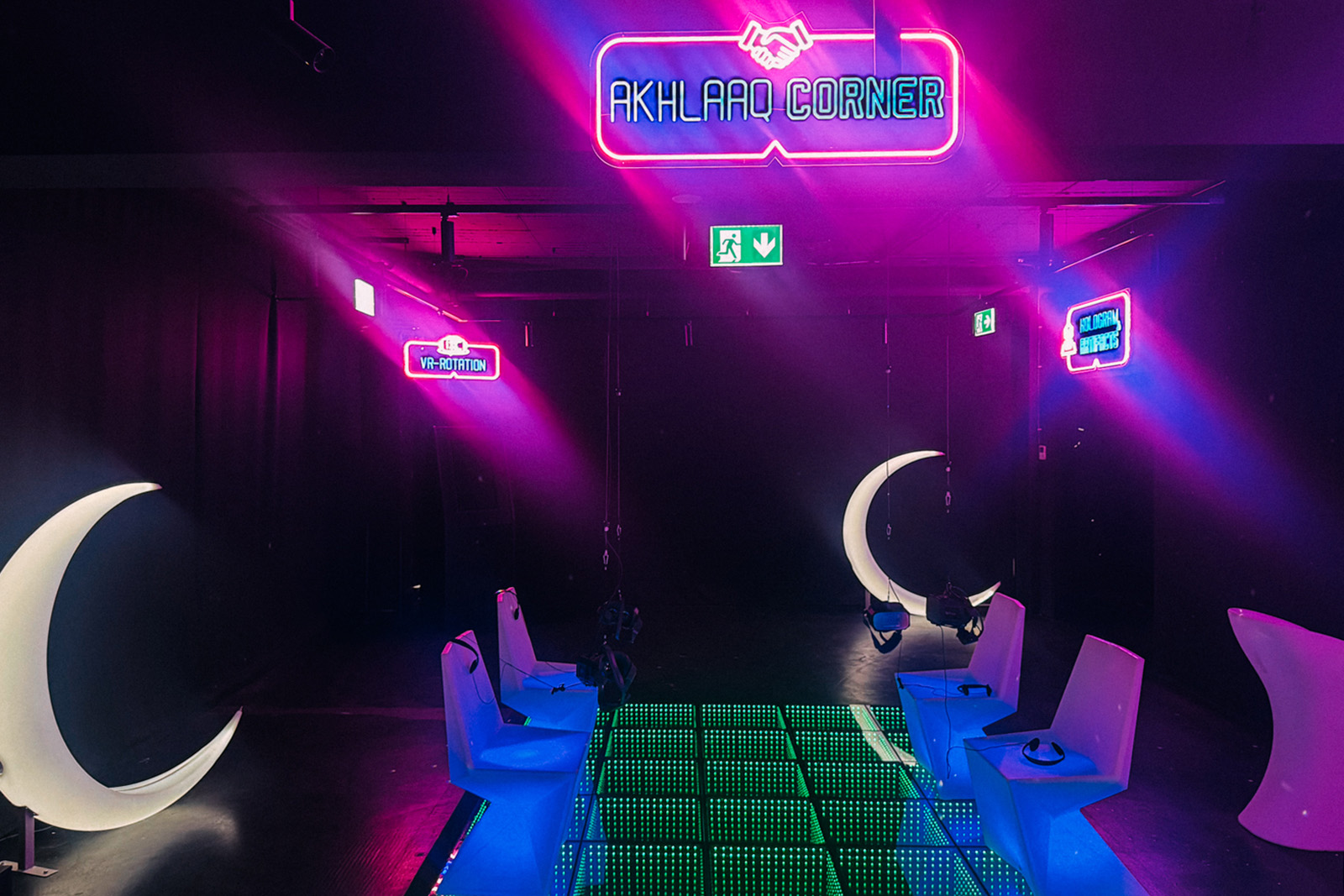
“Now I get emails from developers sending me screenshots of their games in Arabic, asking me to check because they don’t want to end up on a website called notarabic.com by Ramsey Nasser, where he mocks games and movies that get Arabic wrong,” he says.
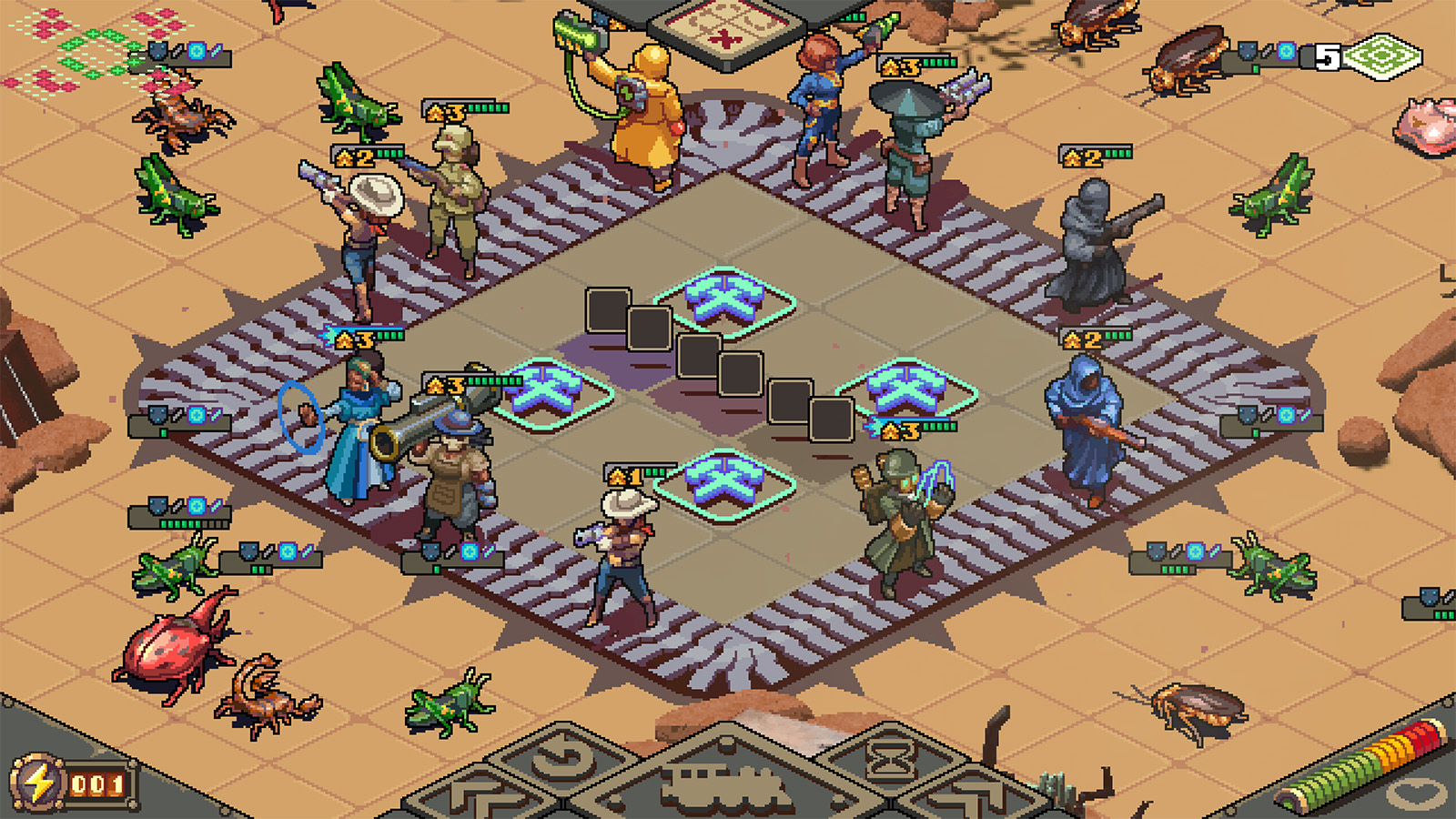
Ismail is now preparing to release Australia Did It: End-of-the-World Railway Defense Business, a tactical, turn-based game that represents a change of pace from his earlier work.
“In my career, it’s always been: go fast, dodge things, get overwhelmed,” he says. “With Australia [Did It], I wanted to make a game that very explicitly does not overwhelm.”
And he believes gaming is becoming more open as Muslim developers and other previously marginalised groups become more visible within it.
“If there’s anything this industry needs, it’s fewer people trying to fit what it already is and more people trying to be who they are,” he says.
“If I can make it so a kid in Egypt wakes up and thinks, ‘I can do this’, the world will be better. Because that kid will look at the world in a way it hasn’t been looked at in video games before.”