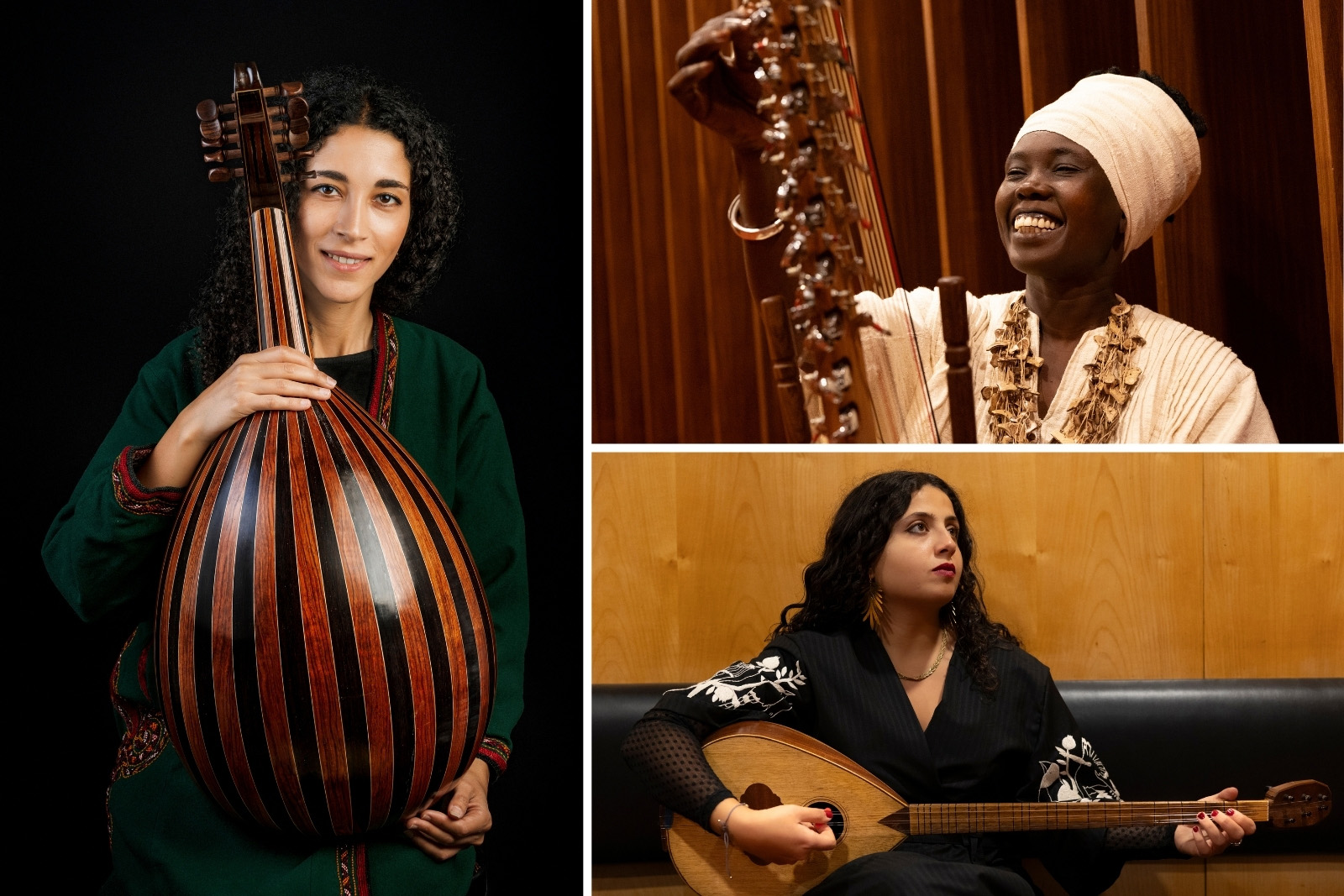

Third Culture Kids: the diasporic DJs reshaping Amsterdam nightlife
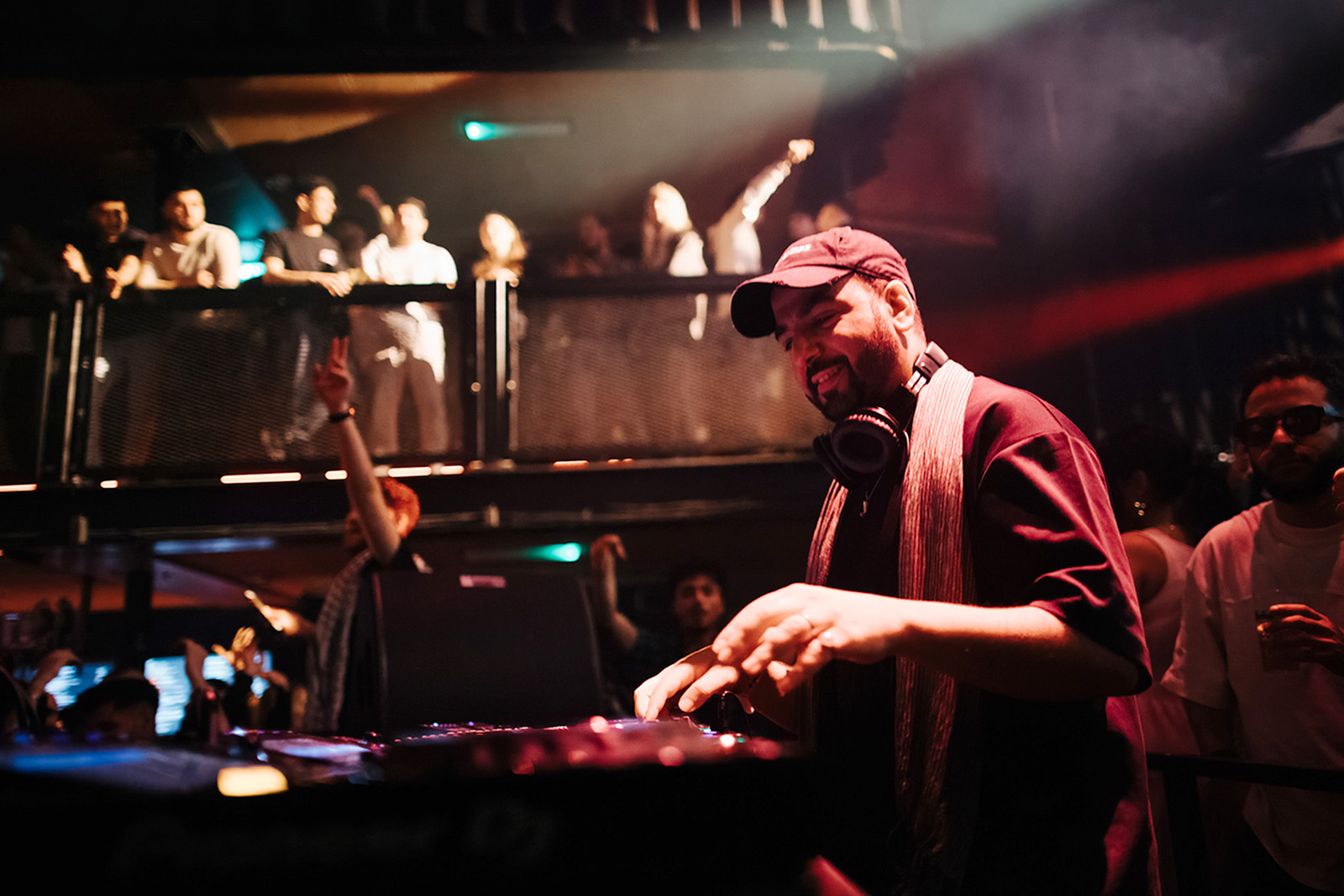
Moataz Rageb started organising parties to share his love of Arab music with the world. Now he’s building an entire scene

Parallel, a club in Amsterdam Noord, is booming. This space is used to the high-octane pulse of techno but tonight, it’s being taken on a different journey: sledgehammer beats give way to Bedouin rhythms, minimal electronica is swapped for riotous Egyptian shaabi edits, Eurodance goes Persian. The energy is frenetic, chaotic even. This is exactly what Moataz Rageb, the night’s organiser, wanted.
This is Third Culture Club, a party built around sounds that defy genre or geography. It emerged, says Rageb, from a lack of visibility for new music from the south-west Asia and north Africa region in Amsterdam. Alongside his other night, Disco Arabesquo — one of the city’s only Arab disco parties — it is part of a growing wave of diasporic DJs reshaping the city’s nightlife.
In a scene long dominated by western electronic music, these nights reflect a broader shift: one driven by artists drawing on diasporic identities to create their own spaces, sounds and audiences.
“Throughout my travels, I met DJs and producers who are geniuses,” Rageb says of his time spent in Egypt, Lebanon and Dubai over the past few years. “I wanted to bring them to Europe. The stuff they were doing was more future-leaning, experimenting with new sounds and blending genres. So I started the idea of Third Culture Club to invite these friends and have a club night centred around third culture kids.”
It’s been a hit. With DJs from Lebanon to Egypt and Iran, sets move between Palestinian rap, Egyptian street music and Persian disco — a far cry from Amsterdam’s usual programming.
For Rageb, the party’s success reflects the tensions of growing up between cultures. Born in Amsterdam to Egyptian parents, he says it wasn’t until he heard Do You Love Me? by the Bendaly Family that he recognised a space for music combining Arabic and western influences. Since then, he has been collecting Arabic music cassettes.
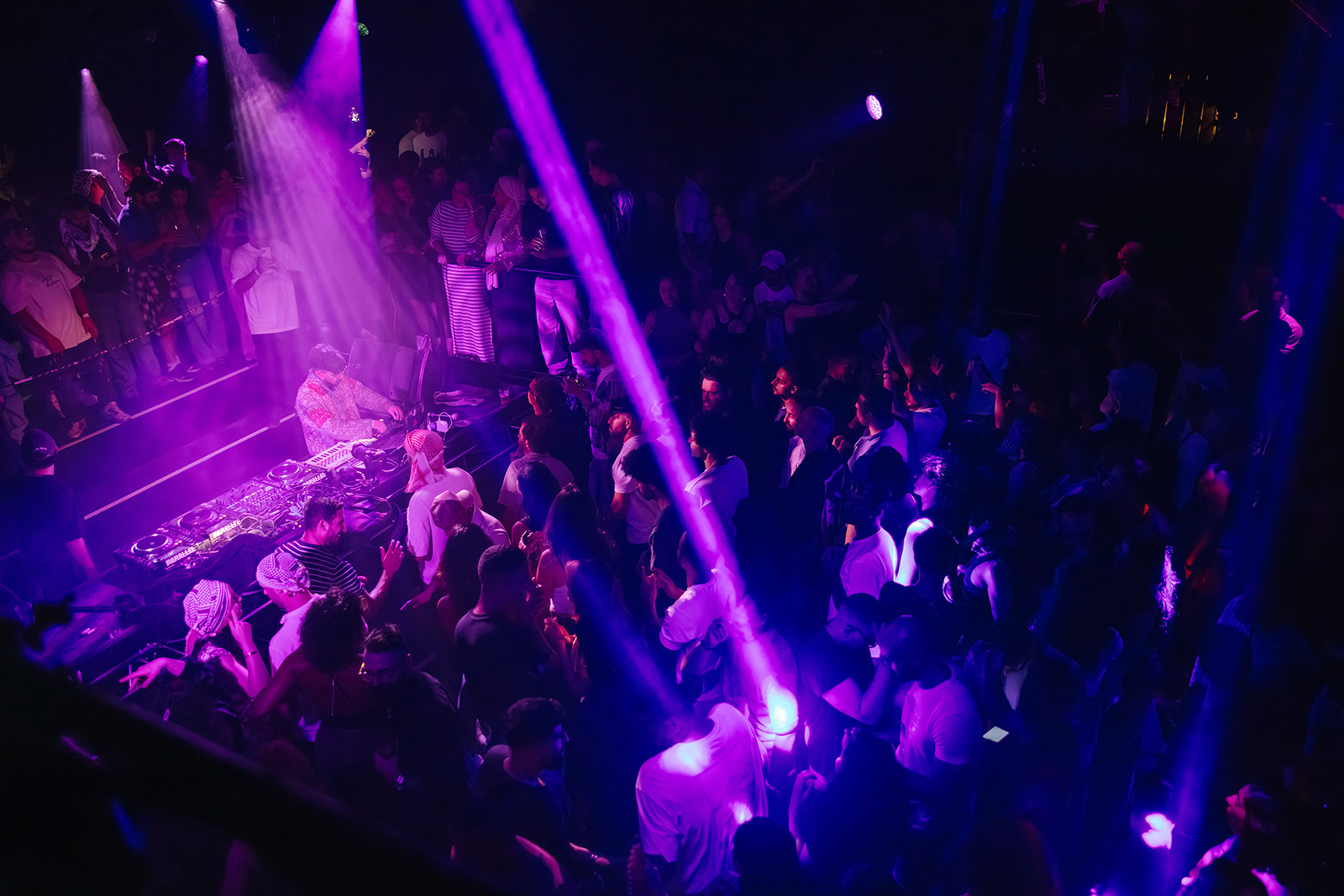
A former teacher — “I left my day job to become Batman” — the 38-year-old has been DJing for eight years under the name Disco Arabesquo, which also lends its name to his party. He recalls travelling to Cairo to a stranger’s garage to source cassettes for his first event.
“I thought they were going to kidnap me,” he says. Instead, he found around 11,000 tapes, many of which now shape his sound.
“The people coming to Disco Arabesquo wanted to change perceptions of the region,” he says. “Third Culture Club goes beyond that. People already understand the region is creative, multicultural and multifaceted.
“We centre identity and the DJ’s own story, which makes it different. The DJ decides the direction of the night.”
One of the DJs shaping the scene alongside Rageb is Katayoun Arian, known as Katayoun. A Dutch-Iranian artist and curator, she brings a narrative approach to her sets.
“My curatorial work defines how I DJ,” she says. “There’s a lot of thinking around genre-building. I tell a narrative about music history, almost like an art historian.”
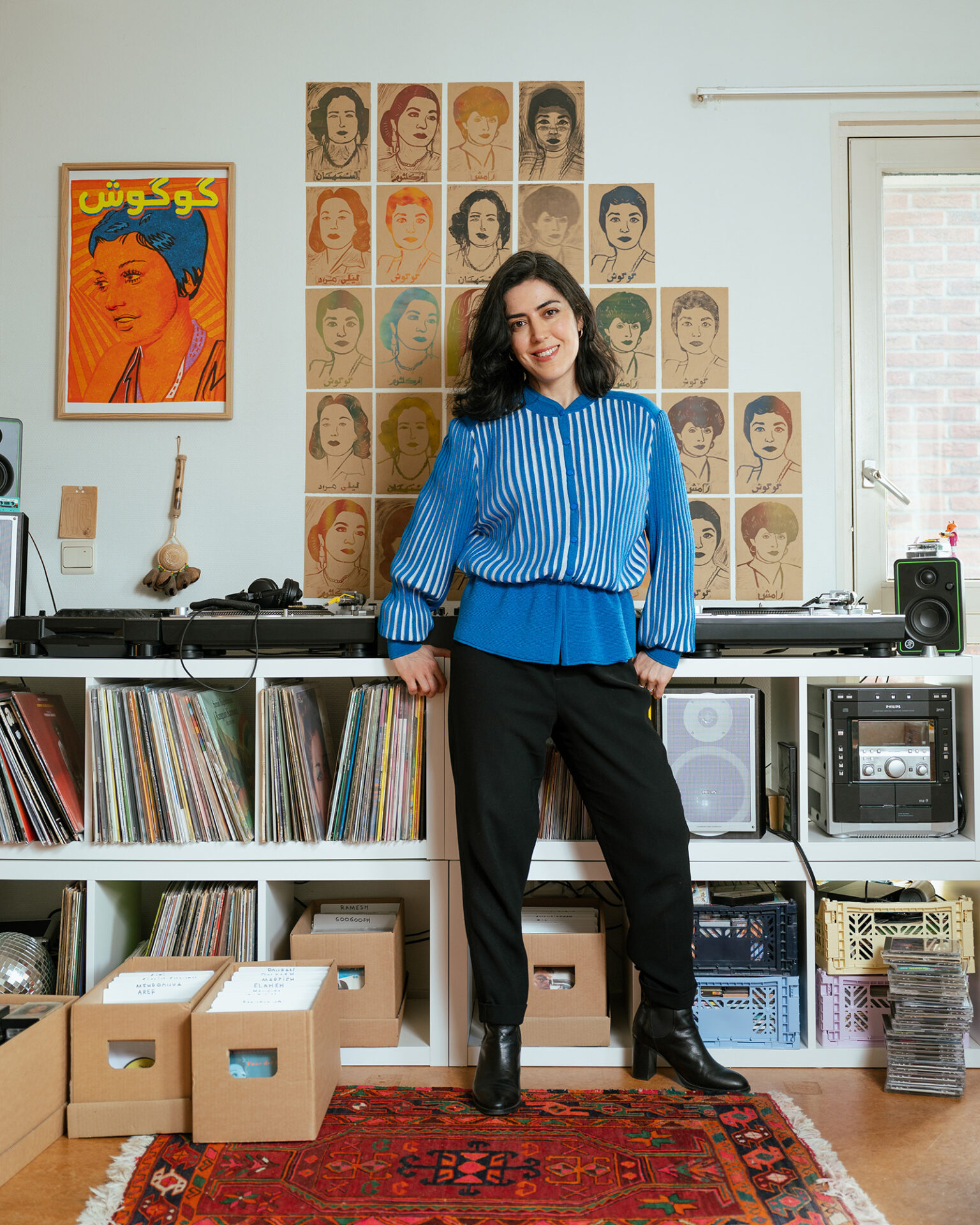
Her sets draw connections across musical traditions, tracing shared histories rather than flattening them.
“It’s about bringing different geographies together — Arabic and Persian music — and finding the overlaps,” she says. “I’m not interested in presenting something as exotic. I do the real deep dive, the real research.”
Like Rageb, Katayoun has built her own platforms, including Disco Diaspora, a party focused on global diasporic sounds.
“I was doing activism around 2015 and we didn’t wait for anyone to give us space,” she says. “We organised it ourselves. There was no guarantee people would like the music, but it felt necessary.”
For her, sharing Iranian music is also about drawing out histories that are often overlooked.
“These stories are like dormant seeds,” she says. “You can plant them and let them grow.”
What distinguishes nights like Disco Diaspora, Disco Arabesquo and Third Culture Club is not just the music but the way they allow culture to tell its own story — outside the news framework through which the region is often understood.
It is also, Rageb says, a product of the city itself.
“I don’t think this could happen anywhere,” he says. “It only works in global places like Amsterdam.”