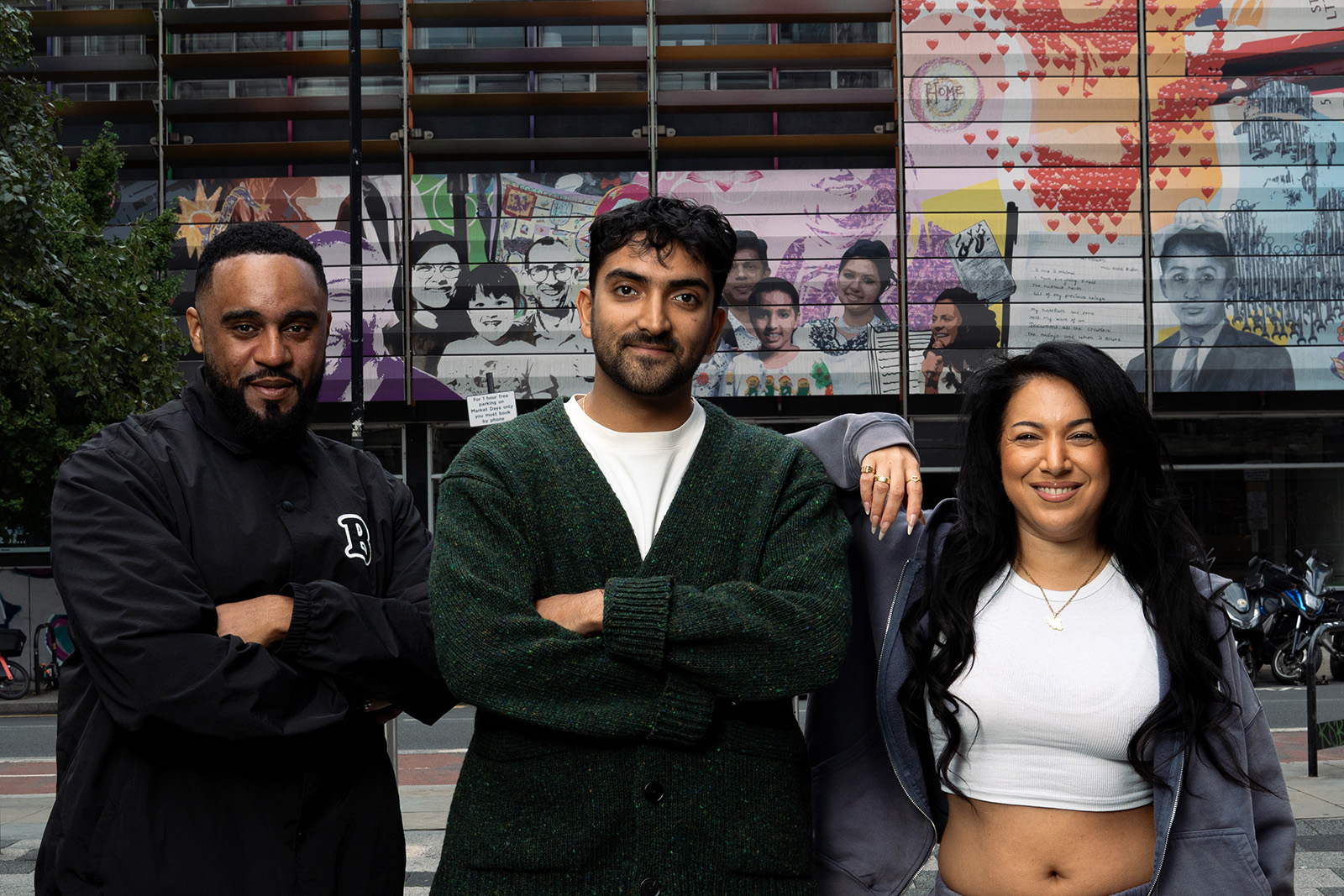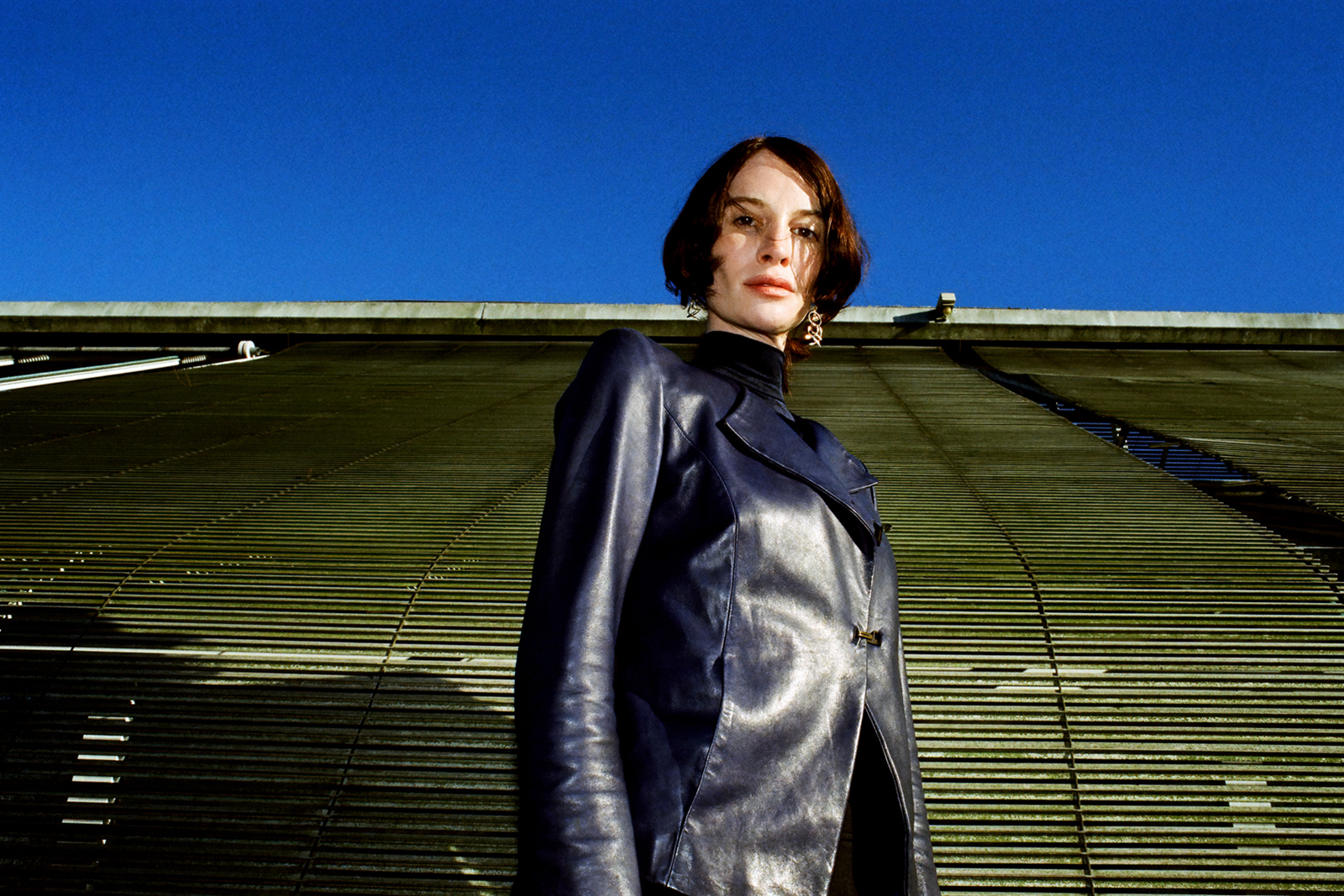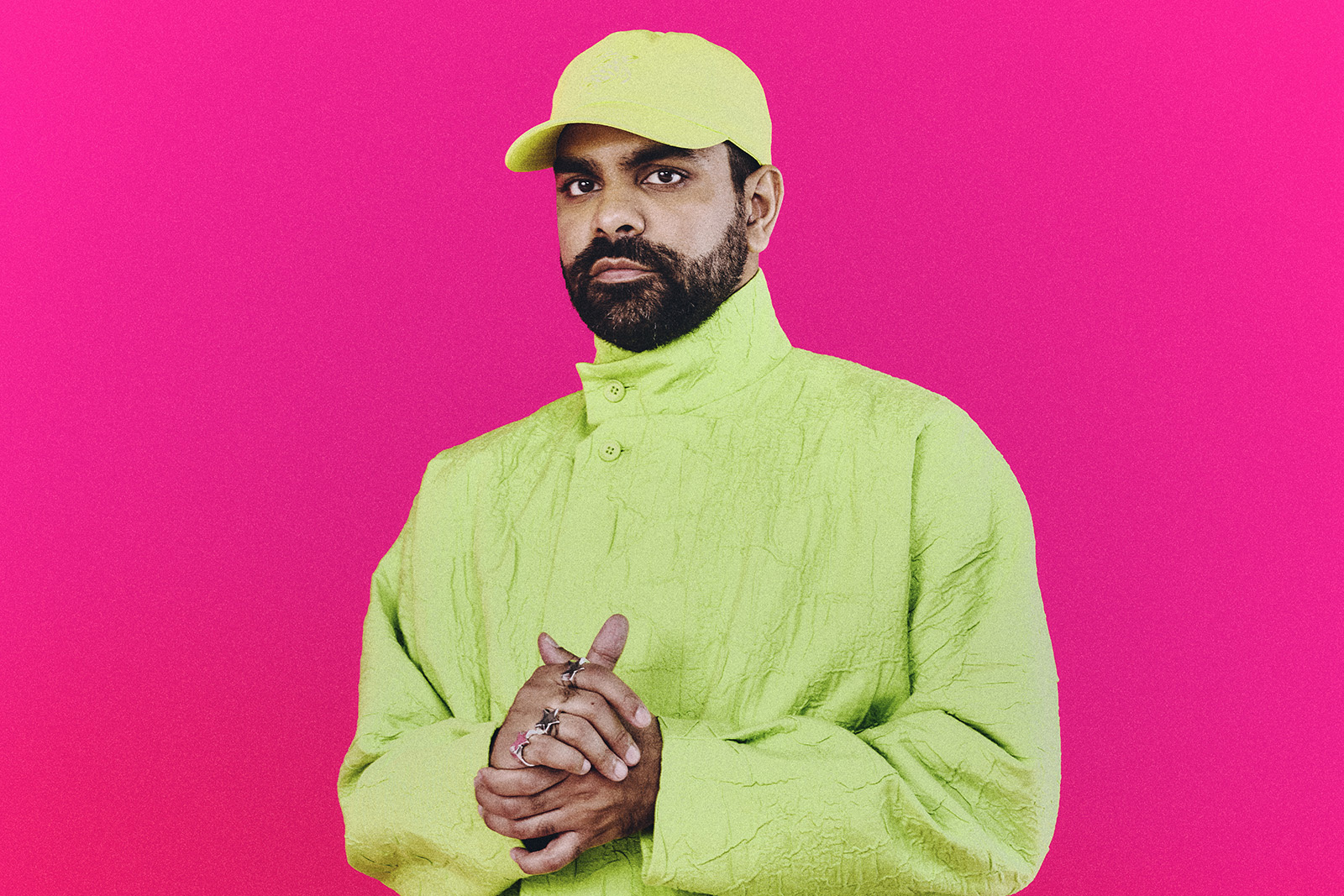

Another Sky brings together a constellation of experimental sounds
Returning for its third edition, the grassroots London-based music festival provides a showcase of boundary-breaking artists from the Swana region
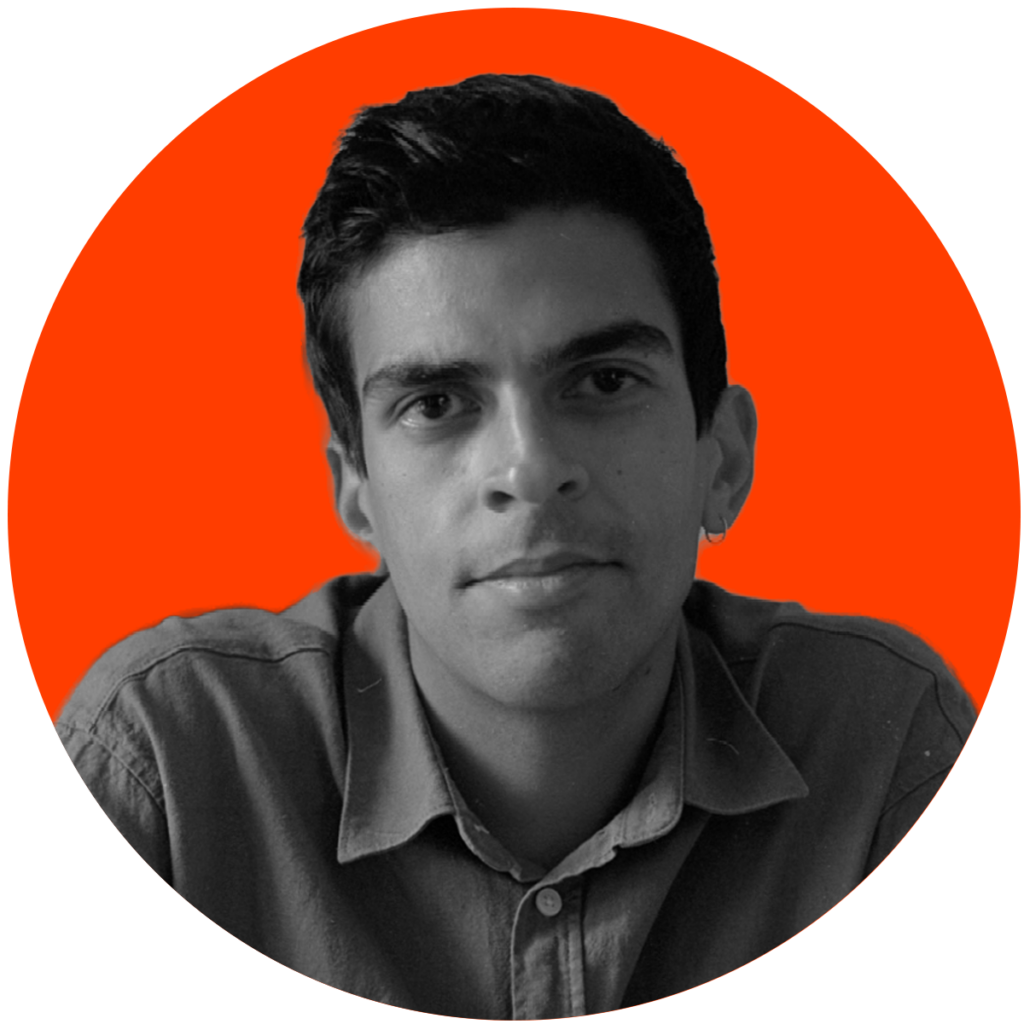
“Another Sky represents the messy, vibrant existence of diaspora art, rather than reducing it into a simple narrative,” says festival organiser Sam Salem. “We try to be as open and as cacophonous as we can, since we’re creating a platform for art rather than gatekeeping what can and can’t be performed.”
Since 2023, British-Jordanian composer Salem has been organising the experimental festival, focused on the south-west Asia and north Africa (Swana) region. Alongside co-founder Emily Moore, he has programmed two editions at London’s Cafe OTO, each featuring a vast range of groundbreaking music from diaspora artists, alongside film screenings, visual art exhibitions and workshops. New commissions and world premieres have been performed by the likes of Iranian-British turntablist Mariam Rezaei, Turkish composer Zeynep Toraman and Iranian improvisational artist Golnaz Shariatzadeh. Meanwhile, producers including El Kontessa and Bint have led the club-focused late night programming.
Related content
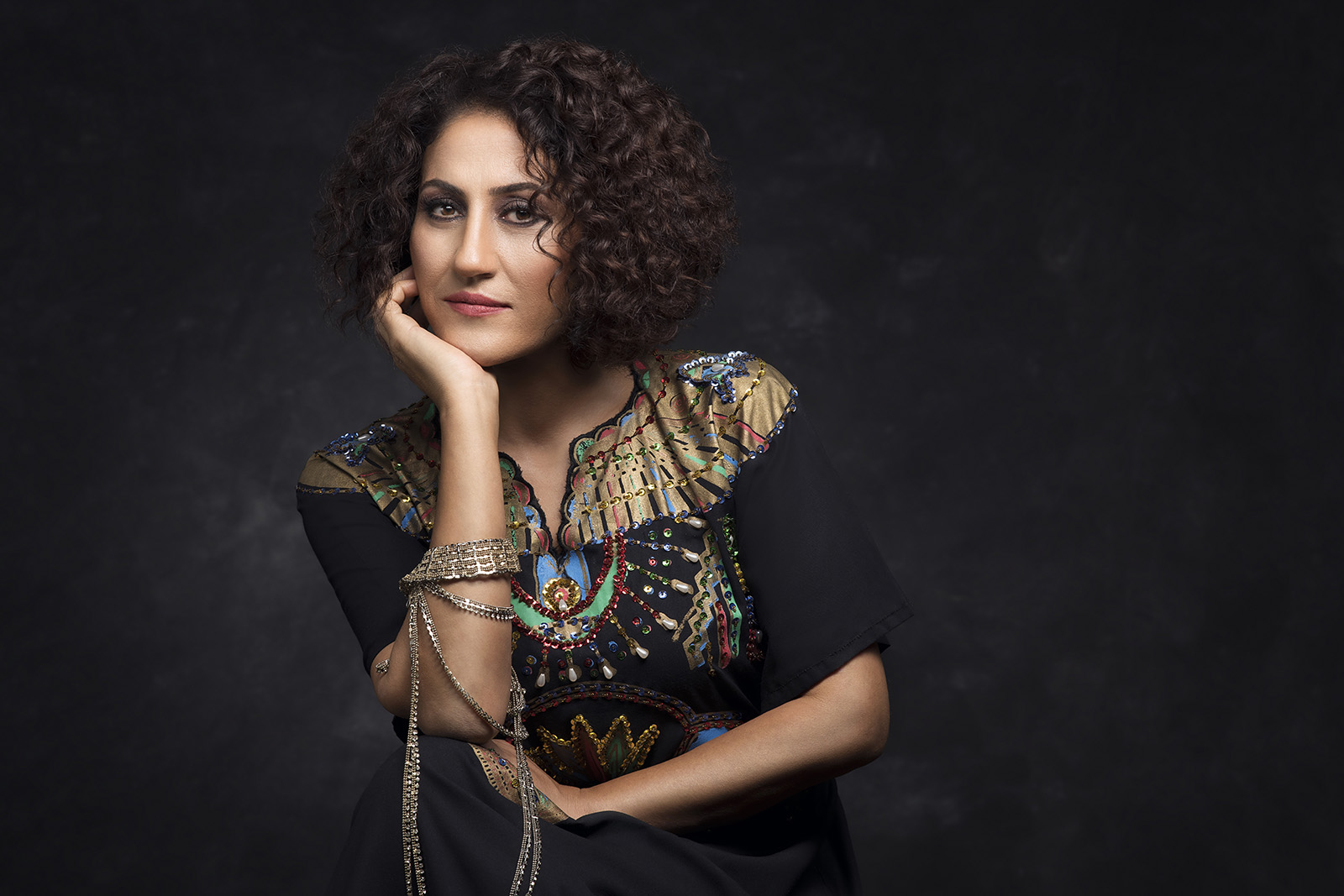
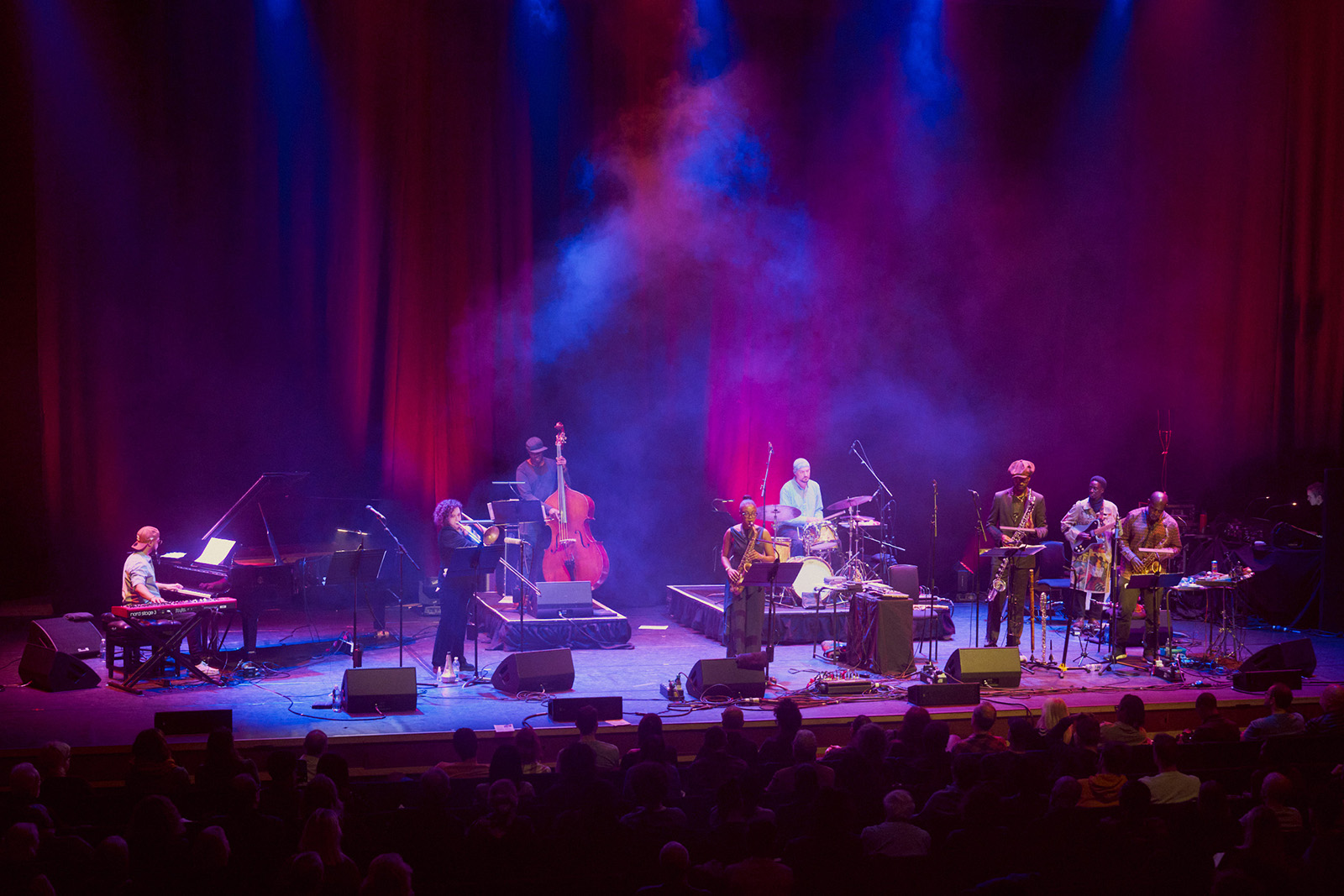
The 2025 edition was, sadly, pulled owing to a lack of funding, but across a sunny April weekend in east London the grassroots event made a triumphant third outing, featuring 10 musical performances ranging from ambient soundscapes to hammering dancefloor-focused Palestinian electronics, modern classical composition and choral improvisations.
“Each time we put on an event, we’re not sure if we’ll be back the following year because funding is so precarious in the UK, but that makes it even more worthwhile when we can go ahead,” Salem says. “There aren’t many people who look like me in the new music and experimental fields, so we always approach Another Sky with the ethos of making space for those who are chronically underrepresented. We don’t tell people what to play, we just let them express themselves in whichever way they want to.”
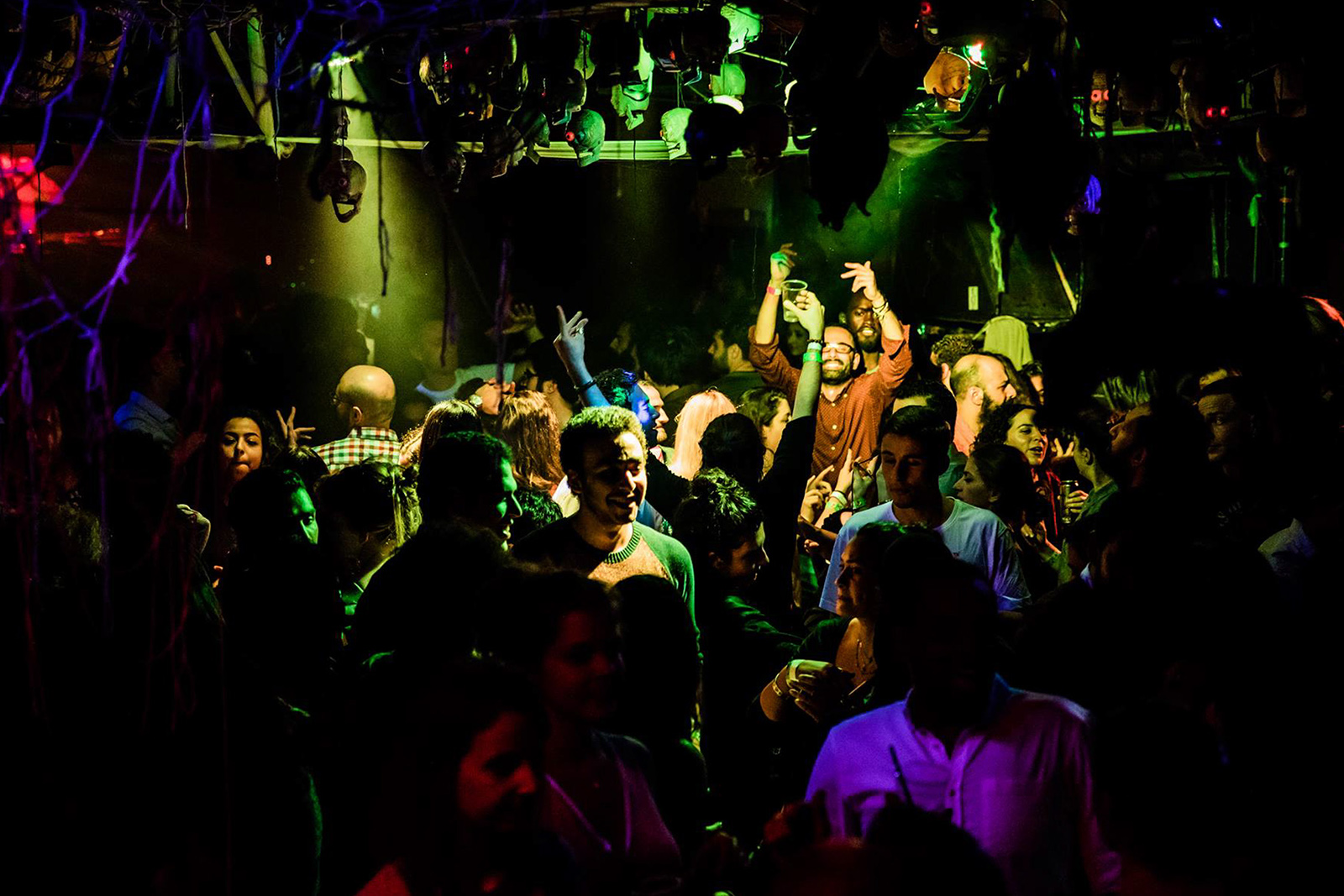
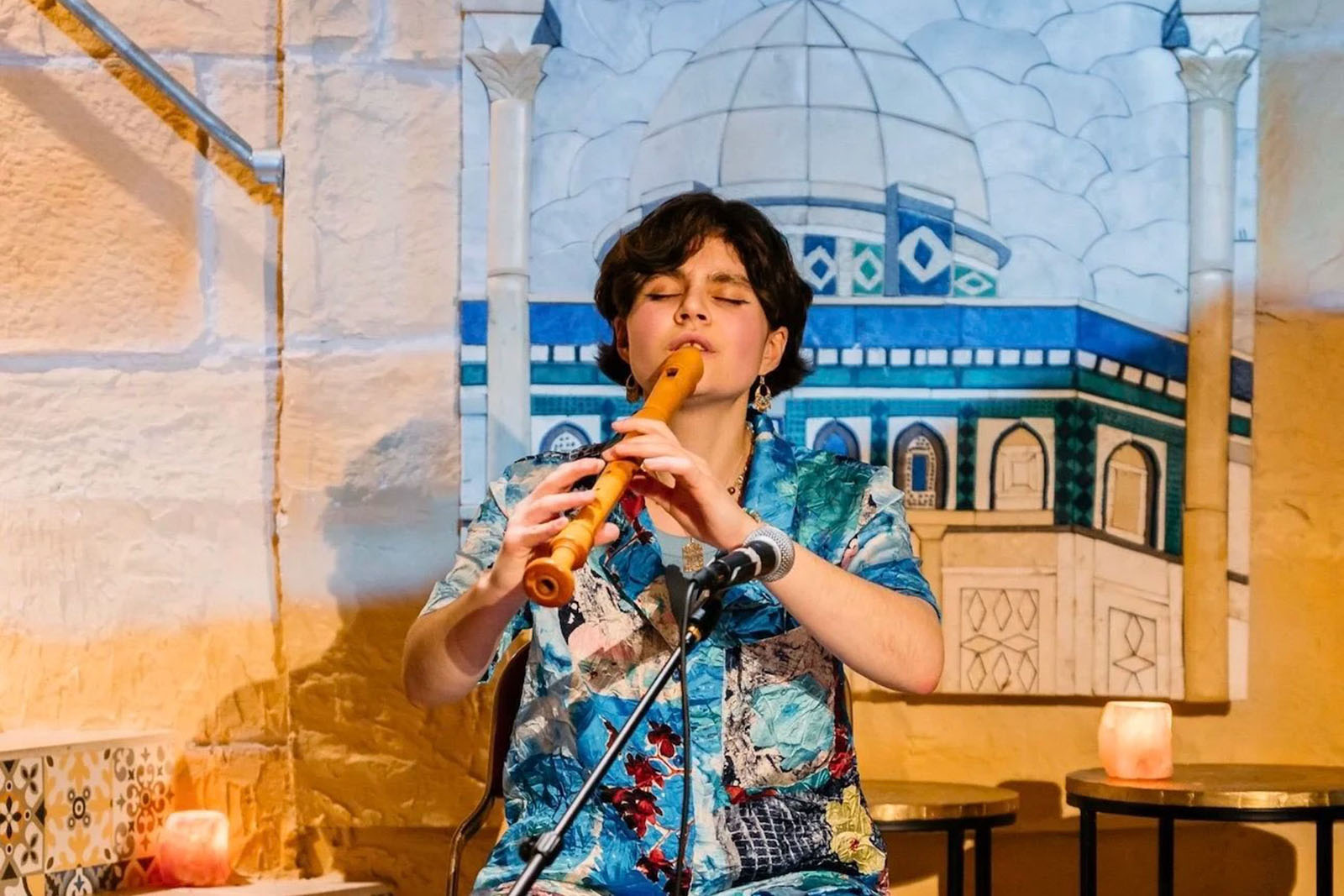
On the opening evening of the weekender, that self-expressive, open-eared curation resulted in a typically expansive lineup, ranging from woodwind improvisation to Arabic-language hip-hop. Recorder player Fatima Lahham’s set weaved baroque intonations with samples of birdsong and melismatic singing to create an atmospheric tapestry of ambient sound, while the Iranian trio HUUUM’s performance featured the mask-wearing group blending keening saxophone melody with Afrobeat rhythms and propulsive, multilingual vocals. Then Palestinian rapper Julmud whipped the otherwise stationary standing crowd into a frenzy, his vocal dexterity teamed with thunderous beats that reference everything from UK garage to jungle breaks and industrial techno.
“It’s my first time at the festival but I’ve been blown away by the breadth of the programming so far,” an attendee named Sara told me while taking a break from the dancefloor. “I’m Moroccan and I love seeing so many people from the Arab community here, as well as the fact that none of these artists are being told to be political with their work or not — it’s just a moment where we can all come together in celebration or sadness at what’s been going on.”
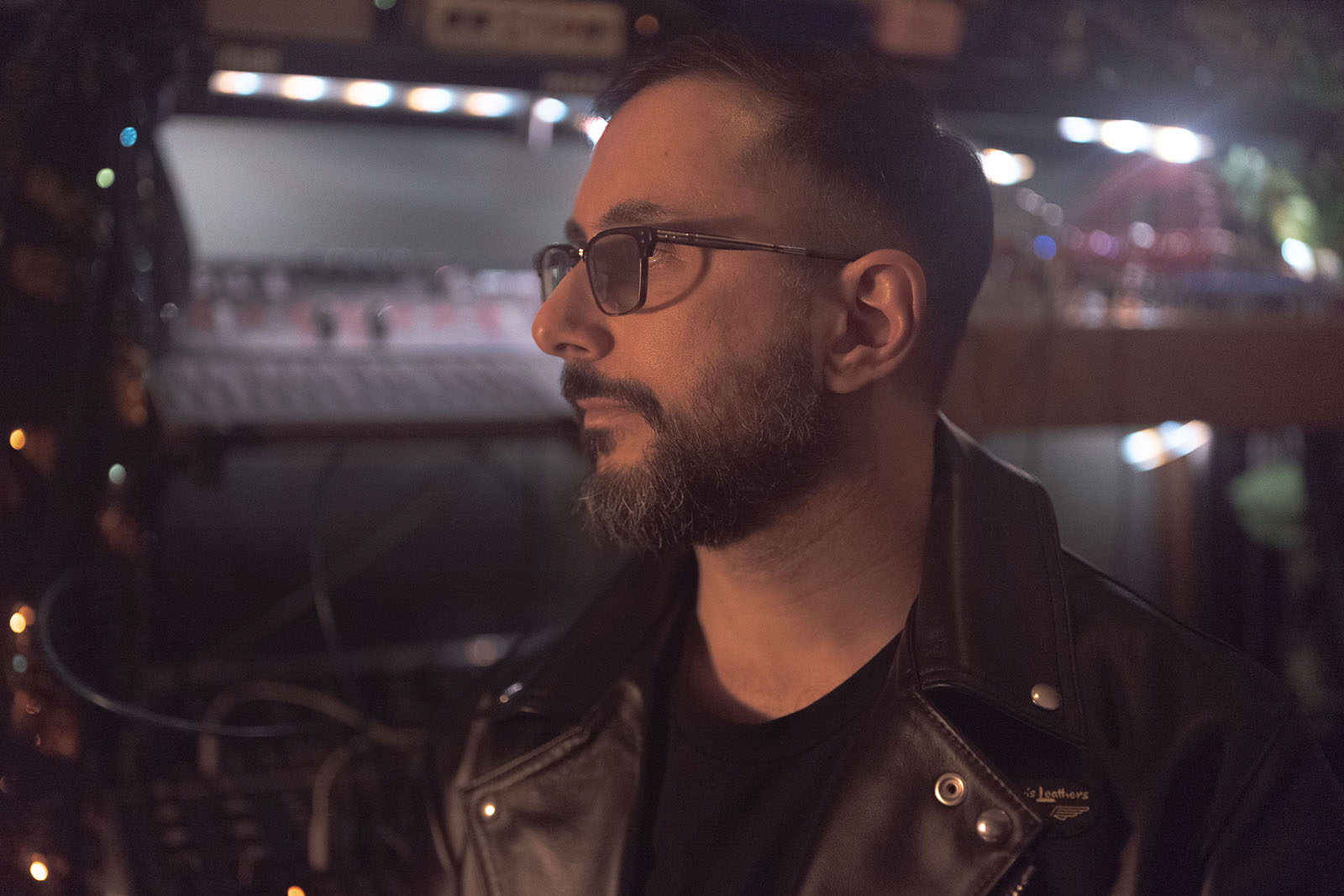
That sentiment is echoed by Salem as he explains the festival’s increasingly politicised presence in the midst of war across the Middle East. “I’m always asking myself what it might mean to put on this event, but in the face of horror and dehumanisation I ultimately think it brings us together and helps us to resist the darkness of the situation,” he says. “Some artists want to address political truths and others might want to use their time as an escape and, in the end, we don’t need them to present us with an answer.”
During his own performance the following evening, Salem premiered a new work in progress, The Museum of the Lowest Place, which treads a line between catharsis and escape. Inspired by a trip he took to Jordan to visit his grandmother’s house for the first time in 20 years, Salem was drawn to the ruins of previous colonial forces such as Christian crusader castles and Roman fortifications — those once-powerful symbols now crumbling to dust — and began writing a piece that grapples with the shifting nature of memory.
Performed by a five-piece ensemble of violin, double bass, guitar, piano and vocals, the composition builds an eerie soundscape of whispered guitar, screeching double bass and scratchy vocalisations from singer Nina Guo. Accompanied by Salem’s images of lemon trees and eroded fortifications in Jordan, the piece develops through menacing tones and finally reaches the aortic pulse of a kick drum, which heralds waves of enveloping melody. Moving through dream-like gauziness and terror-inducing atmospherics, it’s an evocative work that constantly toys with expectation.
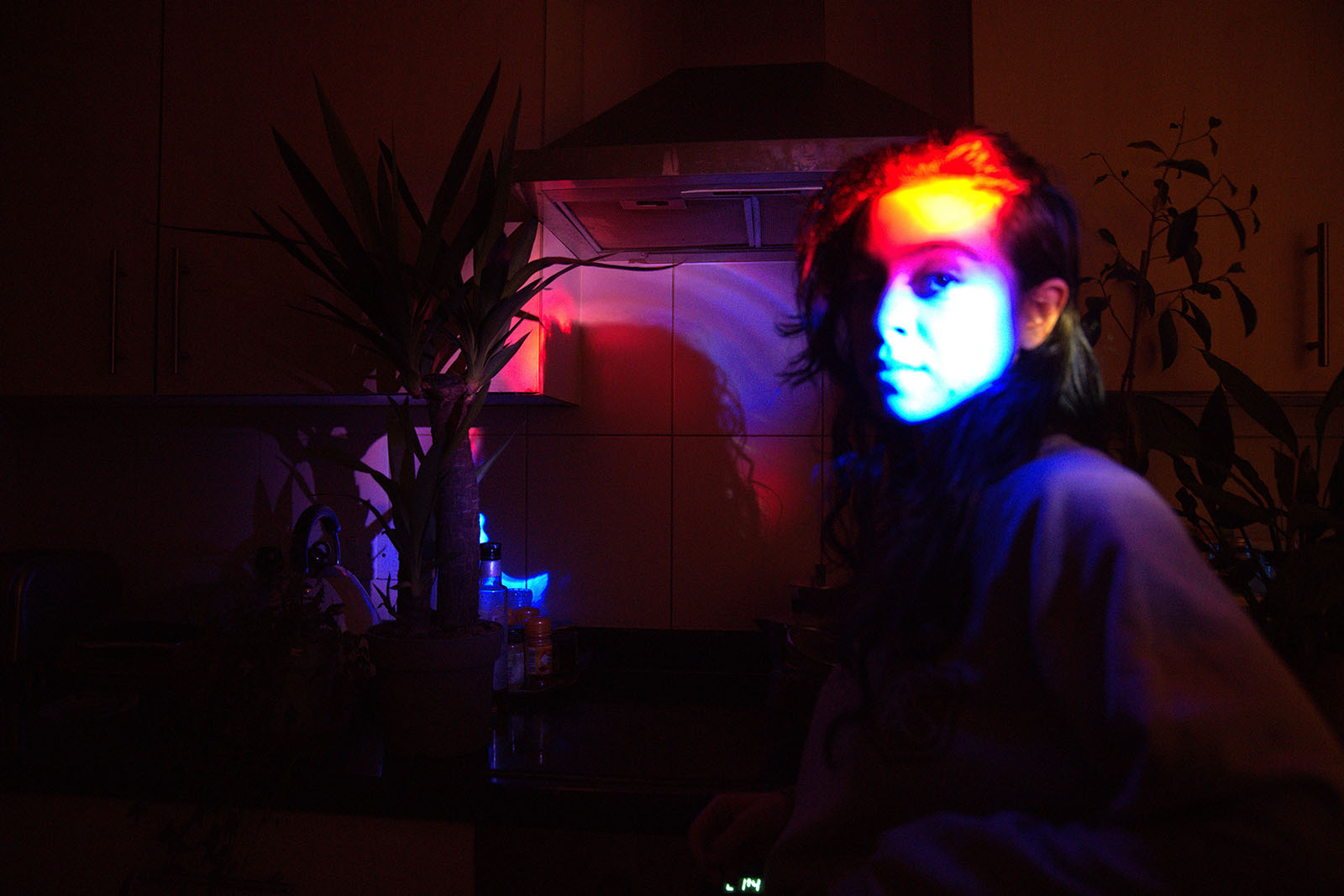
“There are things you can see at Another Sky that you just won’t see elsewhere,” Palestinian artist and researcher Dina Amro, also known as Bint Mbareh, says. “It’s not a money-making endeavour, they’re open-hearted and are always invested in organising shows about togetherness. I’ve been mentored by Sam over the past few years and the whole weekend is an expression of the network they’ve built.”
During her performance, Amro combined tape-reversed loops of her bouzouki playing with fractal electronic beats before enlisting an amateur choir to hum and hiss along with a series of plaintive piano improvisations. It was an enigmatic and strangely moving performance, showcasing the collective power of even the most basic vocalisations.
“All my work is based on research about rain-summoning rituals in Palestine,” Amro explains. “I didn’t want to just take the songs and show them to people, though, so I decided instead to make new work in the same mode, which involves call-and-response melodies and improvisation. It’s a way of asking for a ritual intimacy with the strangers in the audience and on stage with me.”
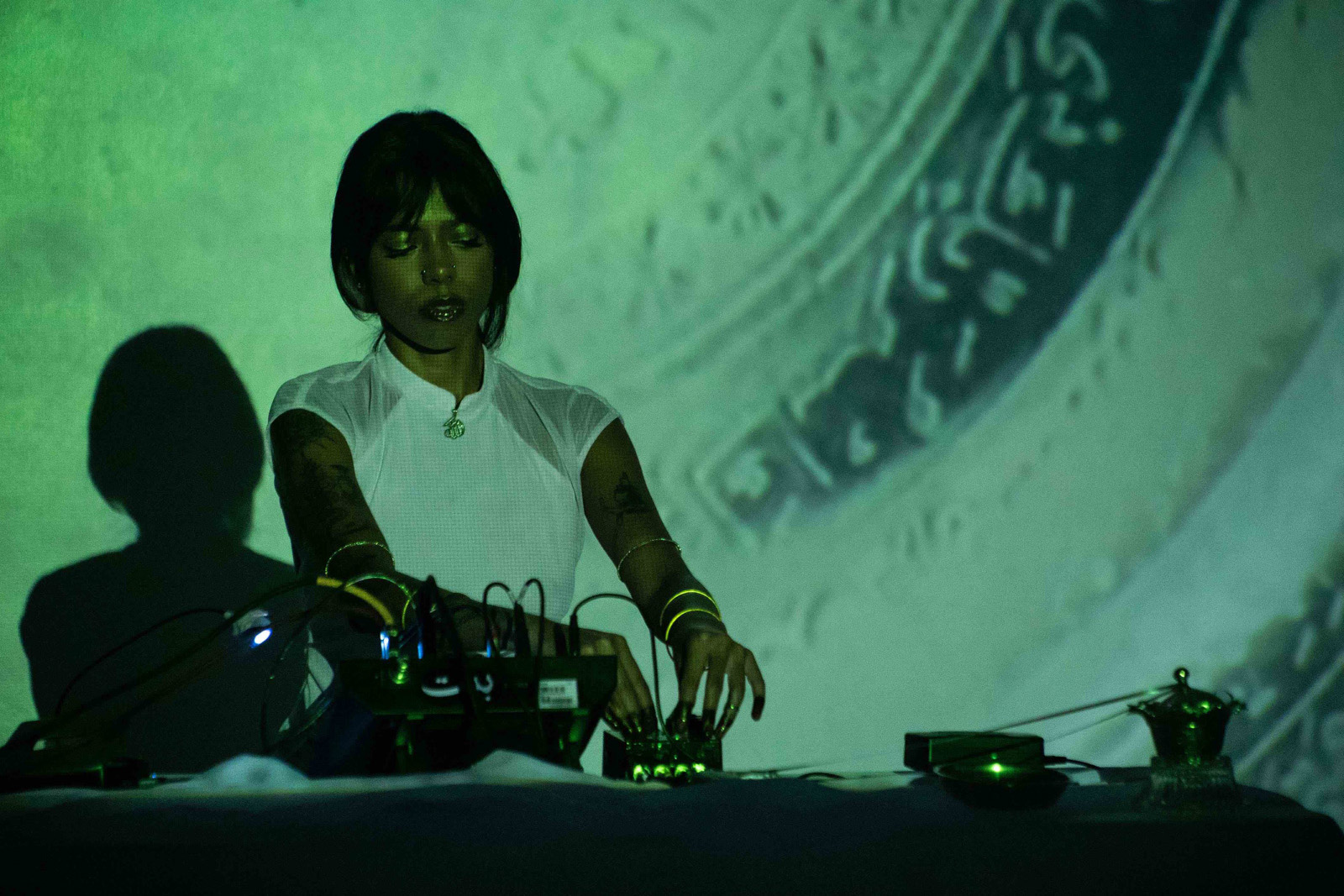
As the final evening of Another Sky drew to a close, Kurdish cellist Khabat Abas presented a new work in progress the married cello, violin and electronics, using the string instruments as percussion to create a muscular barrage of clattering sound, while Egyptian singer and producer YUNIS layered Arabic folk rhythms with shrill ney flutes and his own gentle vocals. At the end, the audience walked into the night, chatting among themselves after forming the new connections that Salem believes to be the continuing purpose of the festival.
“Funding is always the biggest challenge and that has made us think about new ways we can grow and develop,” he says. “Mentoring and sharing knowledge has become increasingly important and we’re hoping to take our network across borders through touring pieces or exhibitions that can be seen internationally. It will extend this platform for the artists we champion and that’s ultimately what it’s all about — making space so this vital work can always continue and people can continue to be inspired by it.”