
Singer-songwriter Ahmed Eid: ‘Even when hope seems far away, it’s still somewhere’
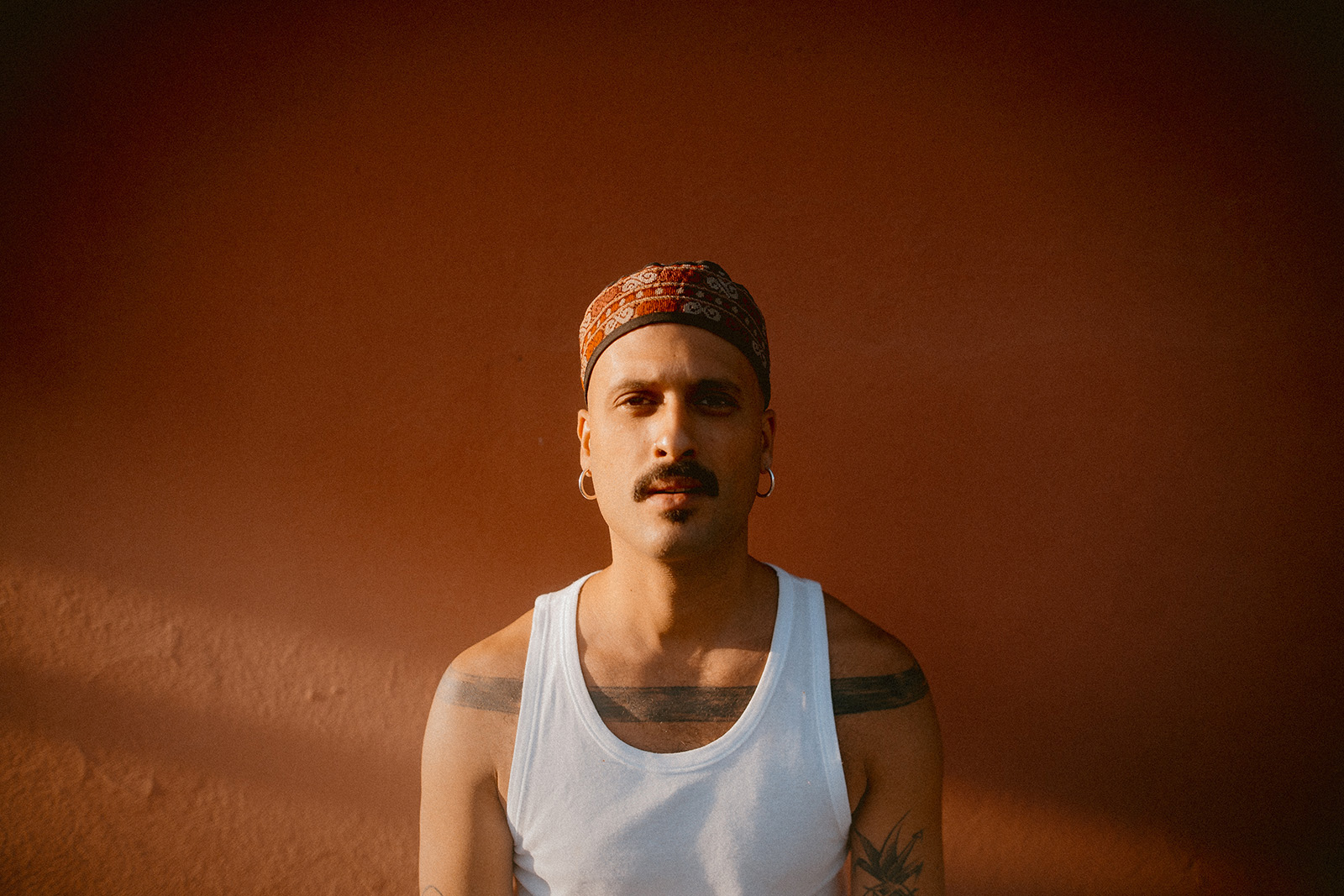
The Palestinian multi-instrumentalist on his eclectic debut album, filled with rage and despair — but mostly hope

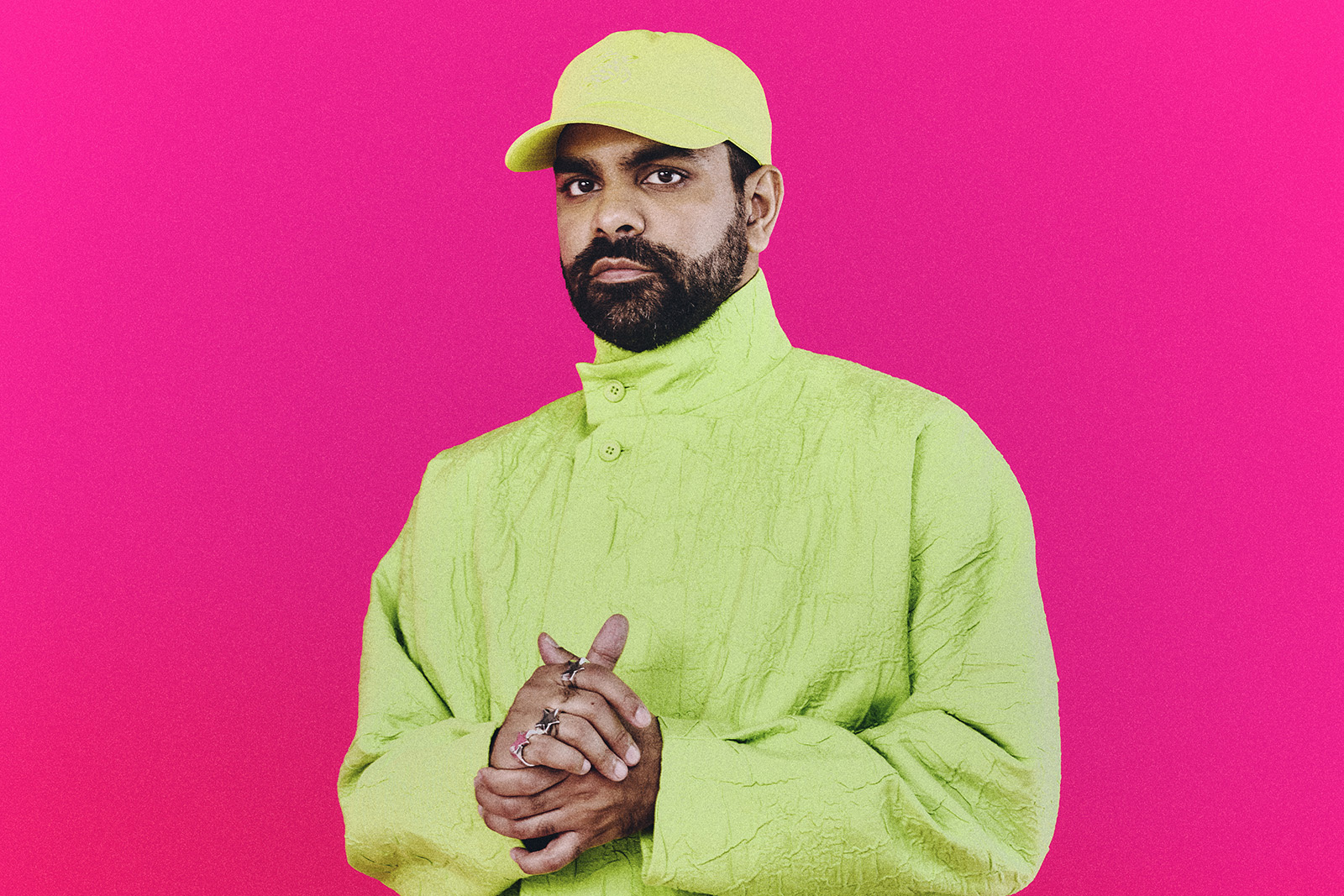
Singer-songwriter Ahmed Eid still remembers the CD that would forever change his relationship to music — though he doesn’t know exactly what’s on it. It was an unlabelled, pirated recording that he found in his family home in Ramallah and would listen to obsessively as a teenager.
“I started listening to that CD when I was 17, all the time. It was a jazz trio and it really got stuck in my head for years. I think it was an album from a pianist in the States called Keith Jarrett, though I can’t be certain,” Eid, 39, says. “Jazz music was very new to me, very exciting.”
The Palestinian multi-instrumentalist would go on to study classical and jazz at music schools in Lübeck and Cologne, Germany, and a few years later would co-found the multinational folk-pop band Bukahara.
His debut solo album, Min Ghazzeh la Baghdad Min Haifa la Beirut (From Gaza to Baghdad, from Haifa to Beirut), released on Bandcamp in February and elsewhere on 24 April, follows Eid’s solo pop-rock EP Aghani Akhira (Last Songs) from 2024.
Min Ghazzeh is a poignant reflection of Eid’s eclectic musical influences informed by a life in displacement and under occupation. Born to Palestinian parents in political exile, the young Eid had moved between Syria, Jordan, Cyprus and Palestine by the time he was eight years old.
“A big part of why I write music is to imagine a nicer, parallel reality for me and for the listeners, that we can at least live in while listening to music,” says Eid, who now divides his time between Berlin and Ramallah.
Eid first learned to play the violin aged seven, at a five-day music school for children in Jordan. But it was in Ramallah, where he spent his pre-teen and teenage years, that he blossomed musically, learning the trumpet, the piano and percussion.
“I was lucky enough to be exposed to many different kinds of music, and to play different kinds of music — from classic oriental and western music, to singer -songwriters, to jazz that I studied at university for so long, to psychedelic rock music… each phase has influenced me in different ways,” Eid says.
Rooted in classic Palestinian folk, Min Ghazzeh folds in psychedelic rock, jazz, pop and elements of reggae. The eclecticism is not jarring. Instead, these seamless arrangements by Eid and longtime collaborator Daniel Avi Schneider leave you eagerly awaiting the rhythms or instrumental flourishes that follow. Throughout the album, vocal stacking and echo create the illusion of a choir or crowd, beckoning the listener to enter Eid’s “nicer, parallel realm”, as he calls it.
“I try to find a way to connect these very different directions of music together so that they still sound like they are from the same project, the same band, same artist,” he says.
The album was written while witnessing Israel’s genocide in Gaza and increasing violence in the West Bank. That despair and rage is apparent in the emotional depth of the songwriting, yet the record is also steeped in hope.
The rock-infused track Ba’bous (Middle Finger) calls the listener to attention — “Here’s the biggest middle finger / take that,” Eid shouts, while the final track Ihku Ilkusas (Tell the Stories) is a gentle tribute to the Palestinian doctor Mahmoud Abu Nujaila who was killed by an Israeli airstrike on Gaza’s Al Awda Hospital in November 2023. Abu Nujaila wrote on a hospital whiteboard a month before his death: “Whoever stays until the end will tell the story,”, which Eid turned into lyrics as tribute.
“Within the reality of having so much rage — and rightfully so — hope always has its role to play. It’s human nature to have all of those feelings all at once, and to live these feelings all at once. And even when hope seems far away, it’s still somewhere, no matter the circumstances,” Eid says.
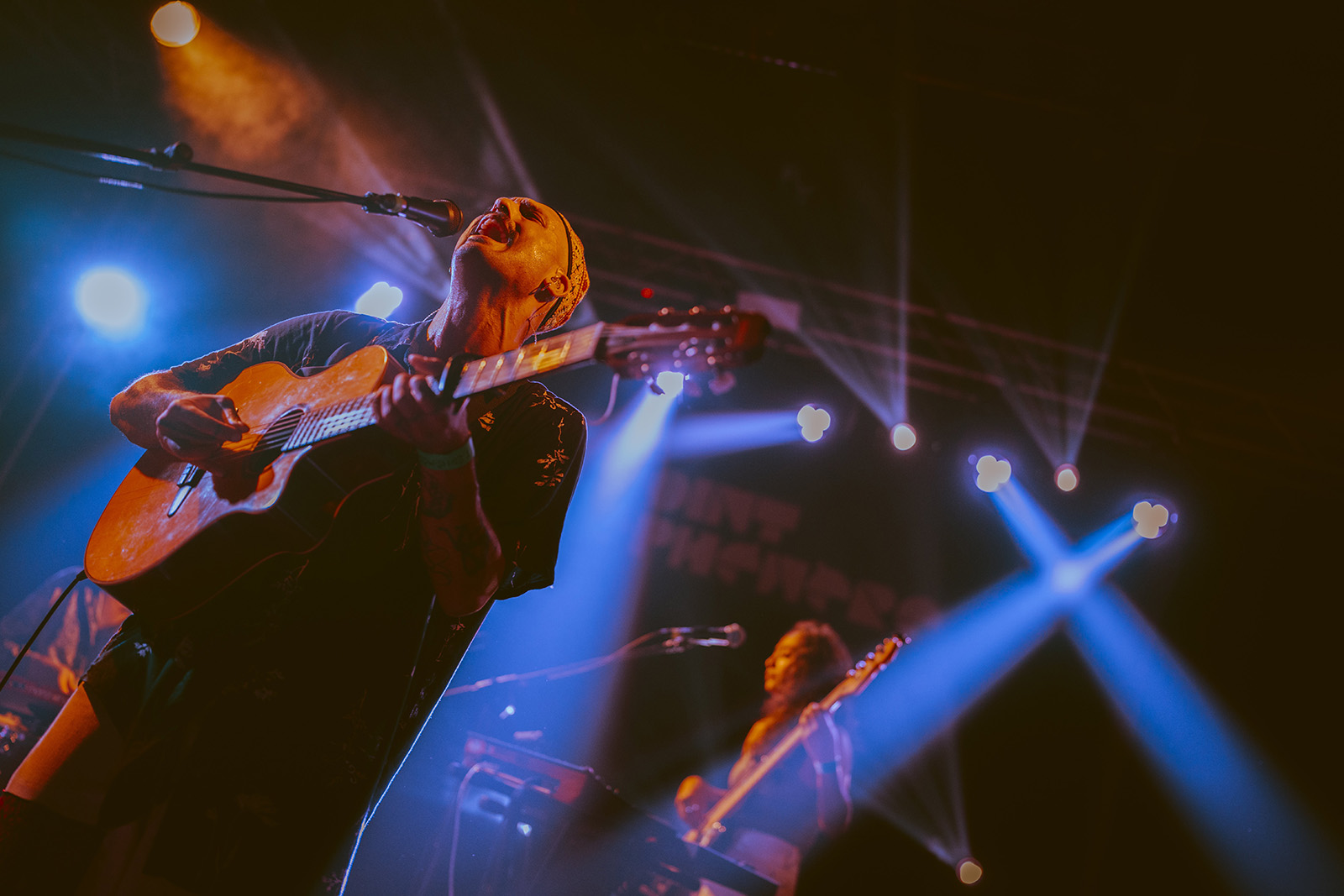
Profits from the new album and upcoming tour across the UK and Europe are going towards operating costs for the Palestine Music Space, which Ahmed co-founded in 2022 as a free-to-use hub for young musicians in Ramallah to get together and jam, learn instruments and music production.
“The dream was also to revive the live music scene in Palestine, and to let young people document their reality through music,” Eid says. “The dream was to live the teenage rockstar dream.”
The space was flourishing until six weeks ago, when the local government expelled the group from the site without offering an alternative space to use.
“We’re a non-profit and mostly volunteer-run, so it’s not been easy to find a new space. But we’re trying our best to try to find a solution somehow, so that young people have somewhere to continue playing,” he says.
Eid hopes the tour will help secure the future of Palestine Music Space, drawing in audiences through a common desire for freedom of movement and expression, and an end to imperial violence.
“Playing in Bristol is a different universe to playing in Naples, or playing in Marseille versus somewhere like Helsinki — it’s a huge continent with so many different cultures,” Eid says.
“But I think that there are a lot of similarities in the audiences at my concerts. Many have some sort of longing for this parallel, hopeful world I’m trying to create through music. There’s this same connection, even though they are very different places.”
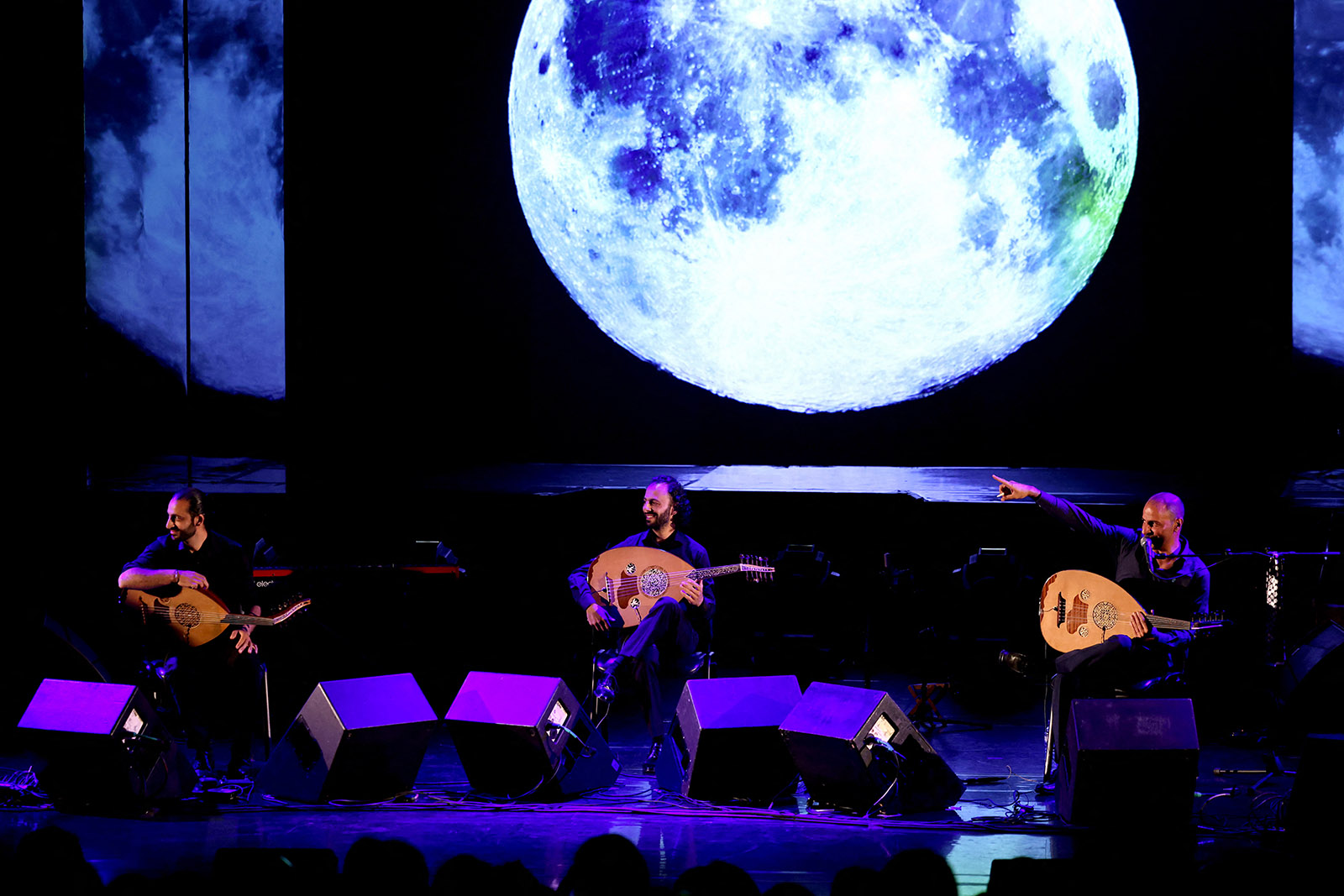
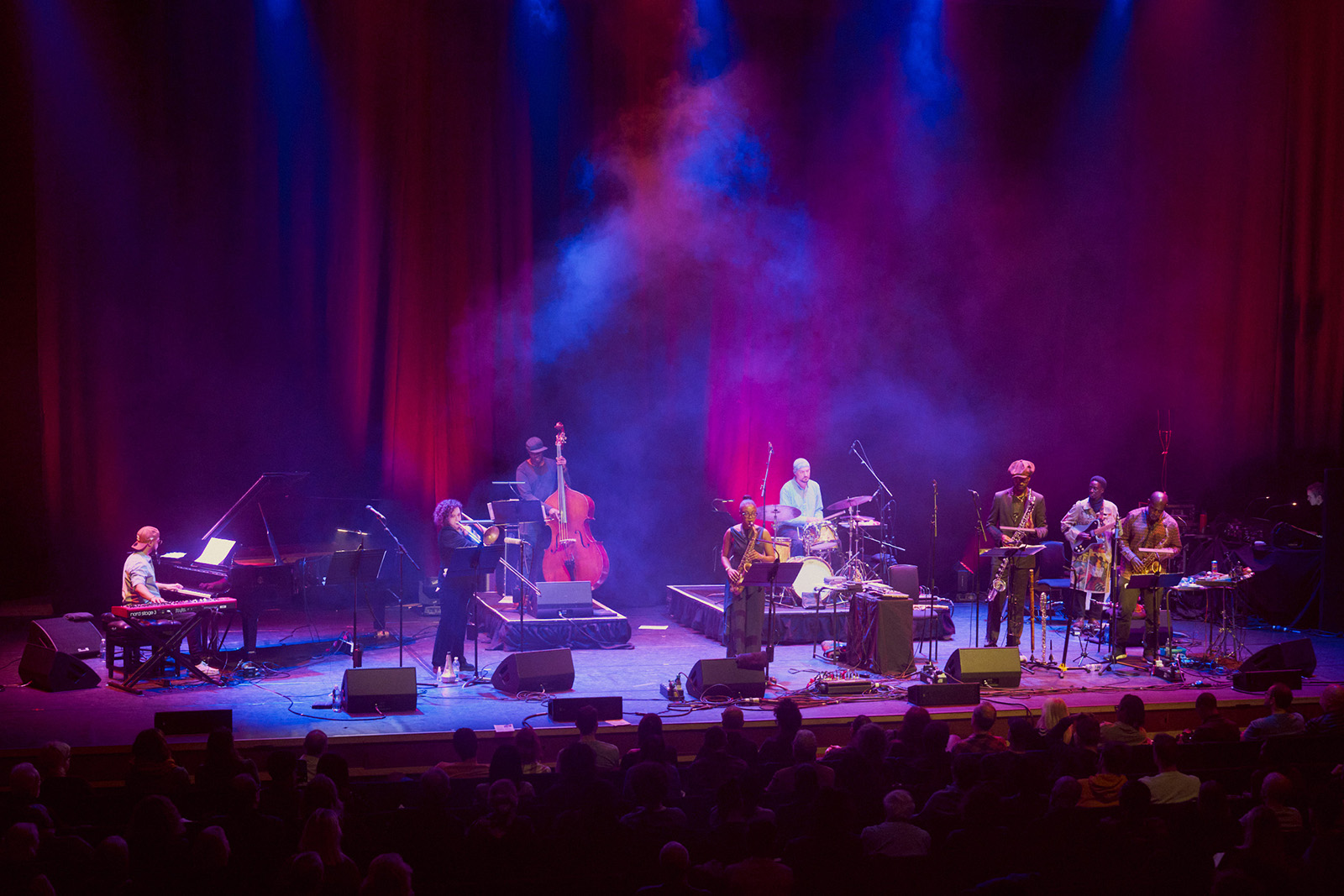
Ahmed Eid is now on tour in the UK and will play shows across Europe from 30 April in support of his debut album, out now.