
For Afghans in the Netherlands, TikTok Live can turn grief into conflict
After violence back home, TikTok Live becomes a gathering point for Afghans abroad — but users say conversations can spiral into hostility and division

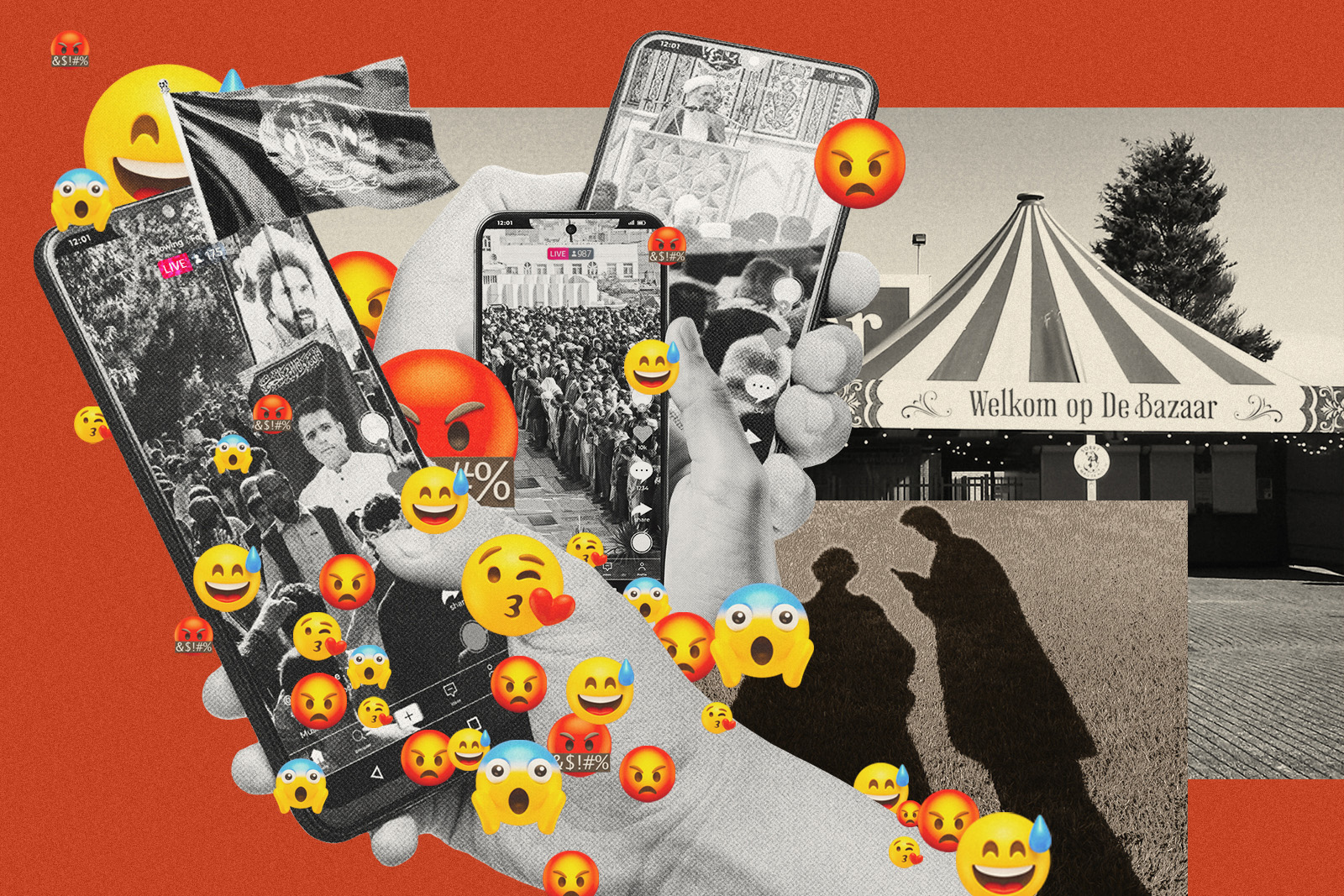
A man in a blue shirt and tie stares into the camera as the TikTok Live video stream begins. His bio calls him the founder of the Peace & Freedom Movement. Calmly, he describes a recent attack. The comments fill with prayers and condolences. Then the feed turns. Laughing emojis appear. One user praises revenge; another questions whether the victims were innocent.
Nargis, 51, watches the live stream. She has lived in the Netherlands since 1997. Her name has been changed to protect her privacy.
“For me, this is the moment I leave,” she says. “If they don’t agree, they start swearing. Very harsh words.”
Nargis knows the rhythm: news arrives from Afghanistan, people gather in shock, then old divisions rush in behind it.
“It becomes about where someone is from — Pashtun, Tajik,” she says. “It always turns into that.”
Related content
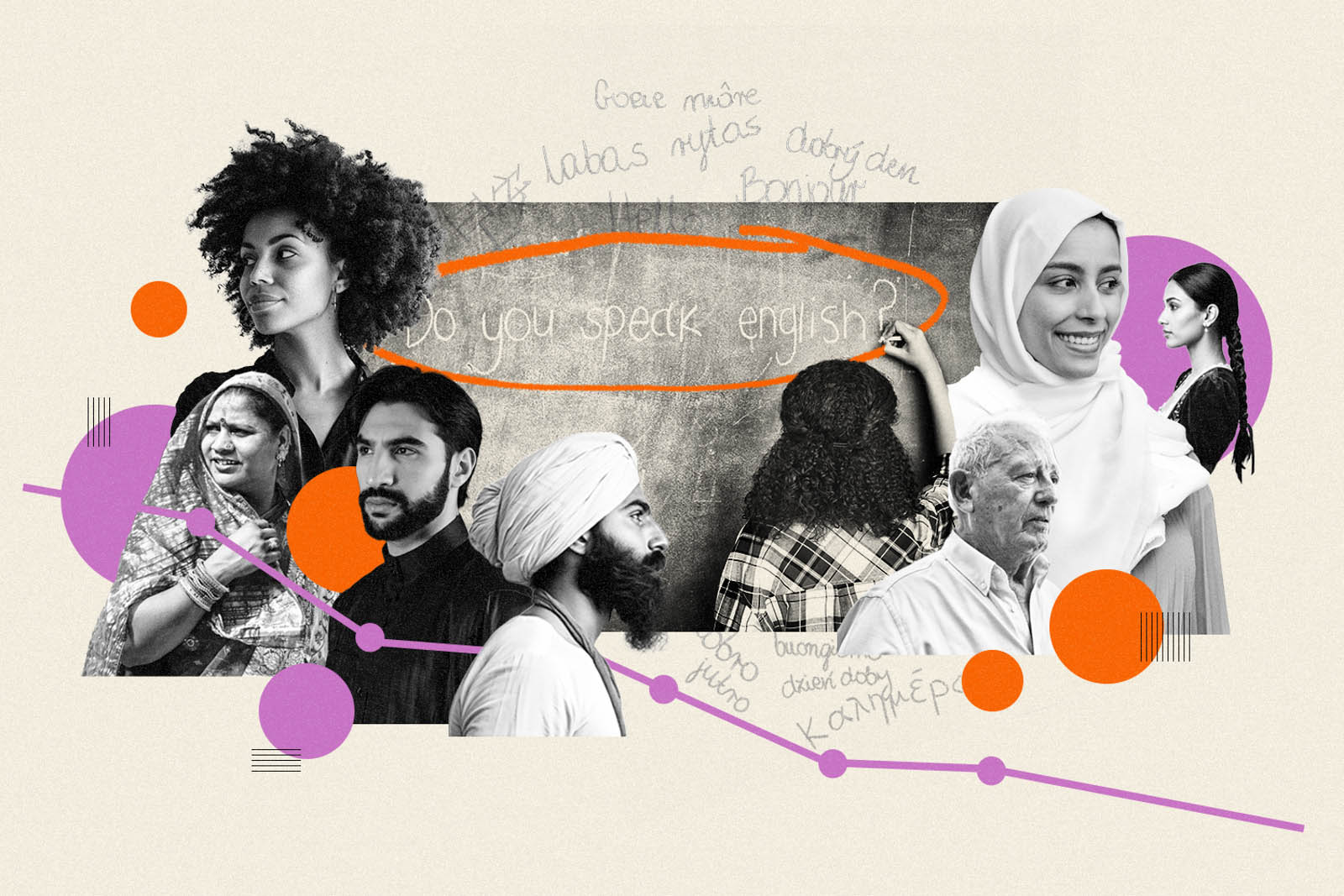
The Netherlands is home to a large Afghan diaspora of around 55,000 people, many of whom arrived in successive waves since the late 1990s, with communities concentrated in its major cities, Amsterdam and Rotterdam.
For many, TikTok has become a space for news, grief and debate. But when violence strikes back home, TikTok Live can quickly turn grief and debate into accusation, rumour and ethnic hostility — exposing and amplifying divisions within the diaspora.
Back on the live stream, a second man joins the screen. He talks over the host. The comments move too quickly to read. Users type in several languages. Some demand proof. Others repeat rumours as fact. The reported shooting goes unmentioned for several minutes.
Two hours later, clips from the live stream are circulating online with new captions and fresh accusations. The videos referred to a deadly shooting on 10 April in Herat province, where gunmen opened fire on civilians near a shrine. Casualty figures varied and responsibility remained unclear. But in reposts circulating online, the attack was quickly reframed through Afghanistan’s long-running ethnic divisions, particularly between Pashtun and Tajik communities. One post claimed that “Pashtoons have massacred 40 Tajik families in Herat province on 10/04/2026” — retaining the spelling used in the original post.
Nargis says what starts on the screen can shape how people see one another offline.
“You start to draw conclusions,” she says. “About groups. Even if you don’t want to. It changes how you see people.”
Black, red and green Afghan flags hang at the entrance of Bazaar Beverwijk — Europe’s largest covered market, 30 miles north-west of Amsterdam. Inside, they hang above restaurants, dress shops and telecom stalls. Afghan tea is poured, customers wait, and families drift in and out of the aisles. Dari rises around them. Pashto music plays from a speaker.
Behind a counter lined with phone cases, Sohrab, 16, who grew up in the Netherlands, holds a customer’s handset.
“Everyone speaks to each other. You learn about each other’s culture.”
When conversations turn to women’s rights or life under the Taliban, he says, people rarely raise their voices.
“You can see someone doesn’t agree. Then they look for customers and walk away.”
On TikTok Live, no one walks away — conflict is what keeps people watching.
Viewer numbers keep rising. One guest says Afghanistan was better before; another blames outsiders. Gifs flash across the screen. One host complains that rival viewers are sending money elsewhere, while the comments fill with labels used as insults.
Koen Leurs, associate professor in gender, media and migration studies at Utrecht University, says live streaming platforms such as TikTok Live can intensify conflict because hosts are rewarded for emotionally charged interactions that keep viewers watching.
In the bazaar, the noise is different. In a nearby restaurant, two Afghan men — in their 60s and 70s — decline interview requests, saying they take no political side. Moments later, one offers his own explanation for why Afghanistan never prospered: fear of women. Asked who succeeds there, he does not hesitate.
“If you have status, money, and you are Pashtun,” he says. The other nods, without adding anything further.
A few halls further on, Ali, 51, stands between rails of colourful shalwar kameez, watching customers pass.
“They are making followers,” he says. “If you talk negatively, people listen.”
He says he avoids political arguments with other Afghans in the bazaar.
“I am a businessman. If I talk, I talk about business.
“Mostly people say something without saying it directly,” he adds.
Asked whether background would matter if his daughter married another Afghan, he shakes his head.
“Character matters more than background,” he says.
Across the hall, Natalia, 35, quietly straightens rows of Afghan dresses trimmed with mirrors and beadwork. She describes the bazaar as “a second Afghanistan”, visited by Afghans from across Europe, North America and Australia. Politics surfaces around her, but she steps away from it.
“I don’t want negative energy. If people achieve something, they think they are above others,” she says. “Then I keep my distance.”
When conversations become uncomfortable, she changes the subject to “something positive”.
Elsewhere in the Netherlands, bus driver Seeta, 40, watches TikTok Live during long shifts between routes.
“It’s like a drug,” she says. “You know it’s bad for you, but you still keep watching.”
Passengers come and go; the Lives keep running.
“You hear things and they stay in your head. It fills up.”
Would people speak that way in person?
“They wouldn’t dare,” she says.
In Beverwijk, shopkeepers borrow change and share chai. One crosses the aisle and asks another to watch his stall for a moment. Laughter bursts from a restaurant kitchen nearby.
Late in the evening, the original Live has ended. Another has started on the same subject. The comments surge again.
Shutters come down. Tea glasses are cleared. Someone calls goodbye in Pashto from the next hall. By morning, the stalls will have opened again.
Online, another Live has begun. What starts there does not end there. It lingers in suspicion, in strained relationships, and in how people come to read one another far from home.