
No clear evidence non-stun slaughter causes more welfare breaches, FSA finds
Finding from UK Food Standards Agency comes amid charged debate over banning the practice, which is allowed in the production of halal and kosher meat

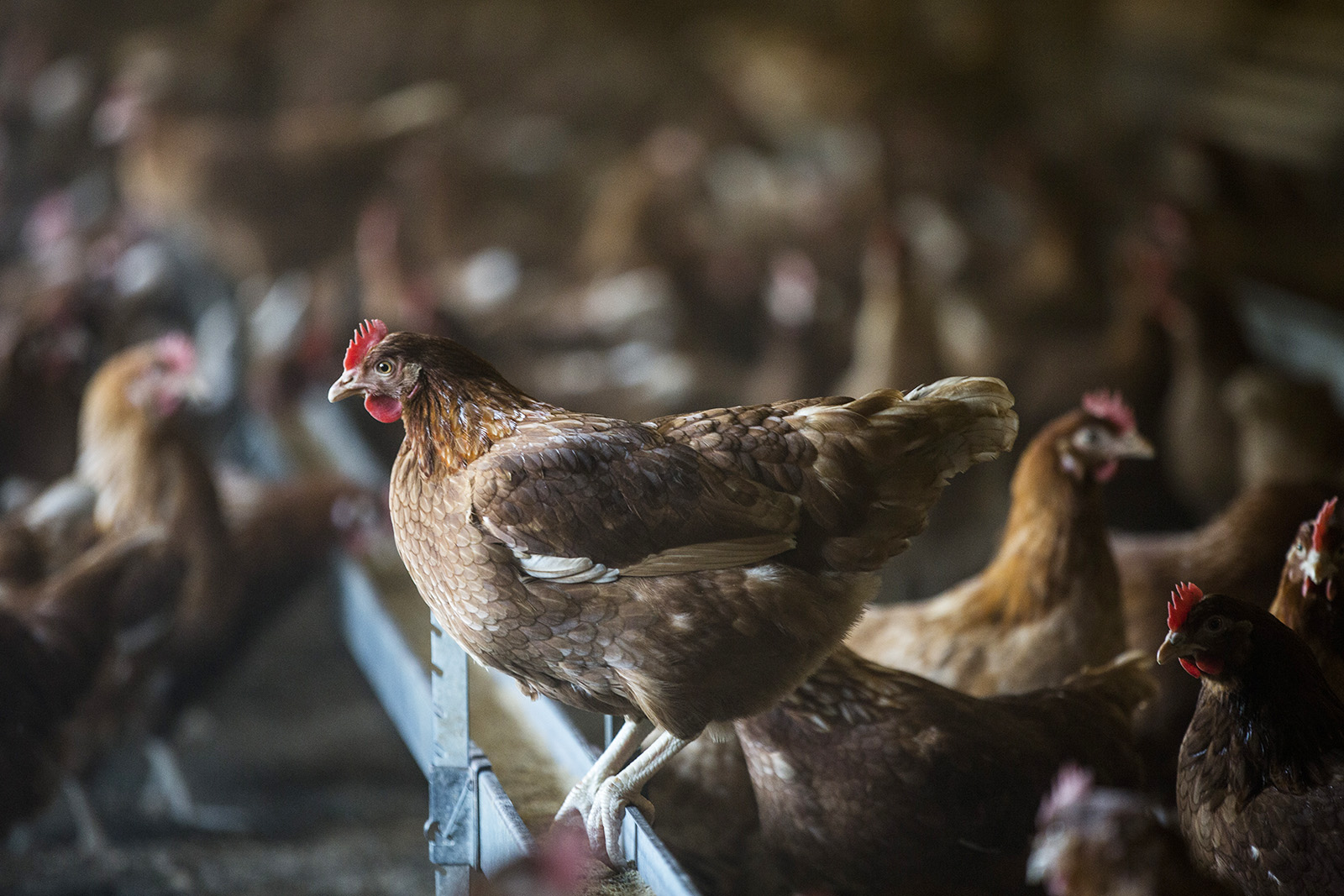
The government’s Food Standards Agency (FSA) has found “no clear evidence” that animal welfare breaches are more likely during non-stun slaughter than the alternative, challenging a key argument made by campaigners calling for the practice to be banned in the UK.
The FSA’s latest Animal Welfare Report states: “Our analysis found no clear evidence that animal welfare breaches are more or less likely to occur during non-stun slaughter compared to stunned slaughter.”
Its finding comes amid charged political debate over non-stun slaughter, including calls for a ban and concerns raised by Muslim and Jewish communities that restrictions could interfere with religious freedoms.
A religious exemption to the general requirement for livestock to be rendered unconscious before slaughter allows animals to be killed without stunning as part of the production of halal and kosher meat.
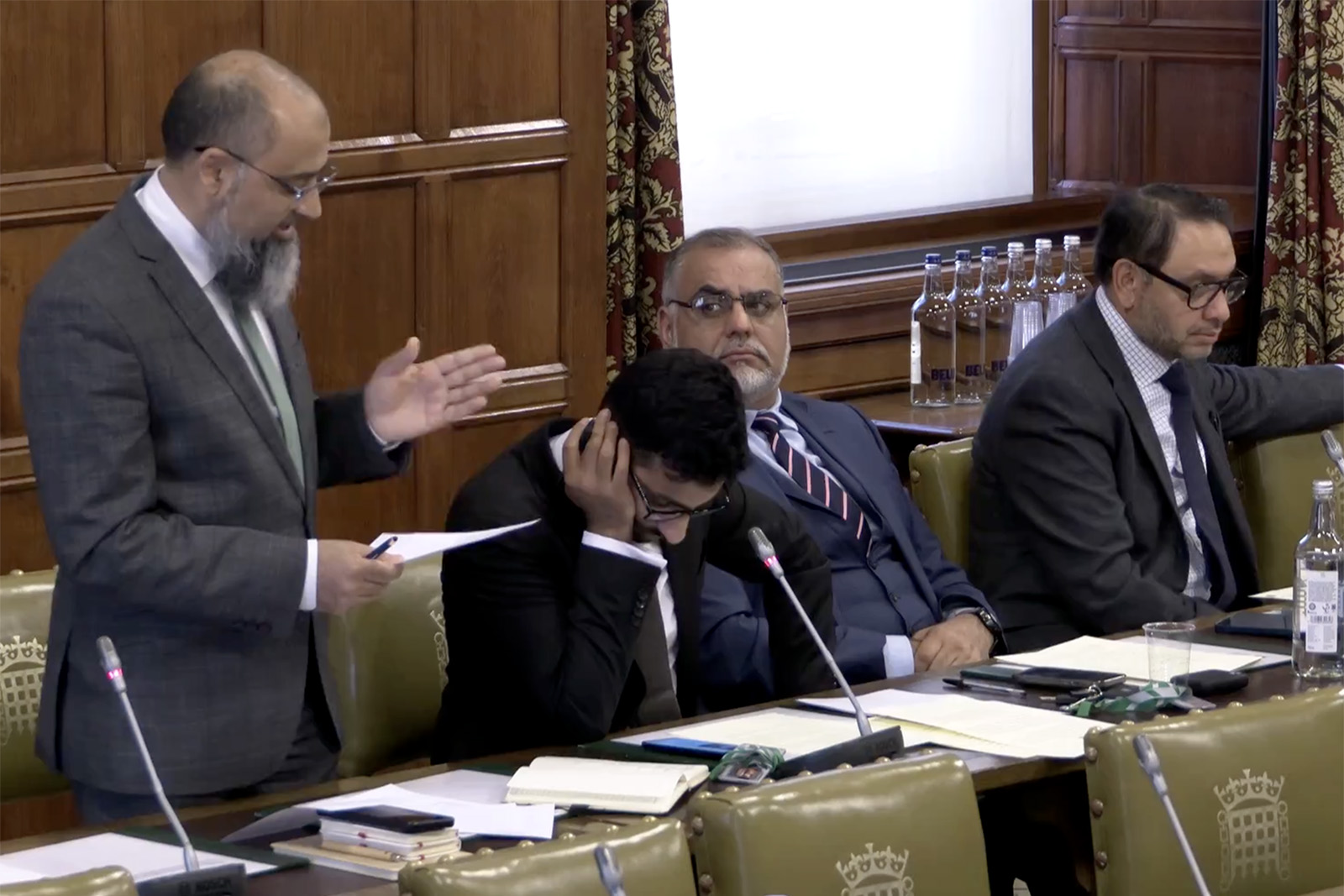
The issue remains live in parliament, with several petitions calling for a ban on non-stun slaughter, including one that has attracted almost 50,000 signatures. It is due to close on 30 September. An earlier petition reached more than 100,000 signatures and sparked a parliamentary debate in June 2025 that saw Great Yarmouth MP Rupert Lowe, who is now leader of the far-right Restore Britain party, call for the religious exemption to be scrapped.
The FSA’s annual report covers animal welfare breaches in England and Wales. It says that more than a billion animals were slaughtered in 2024-25, with inspections carried out by the agency’s veterinarians detecting 33,920 welfare breaches. A 2024 government slaughter sector survey showed that most animals are stunned before slaughter, including 97% of poultry and 85% of red meat animals.
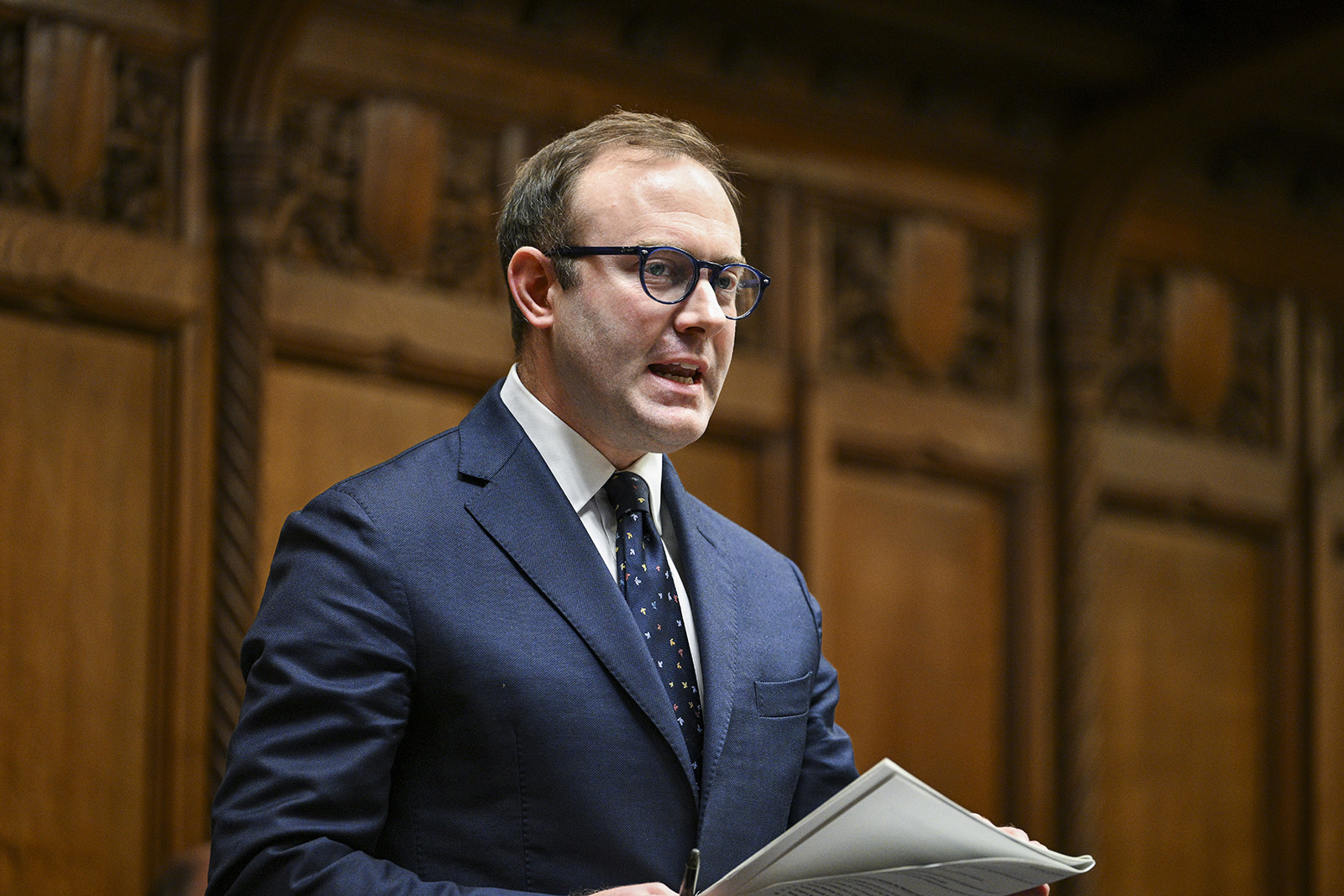
Independent MP Iqbal Mohamed, who took part in the parliamentary debate on the subject last year, said the discussion should not focus solely on whether animals are stunned.
“It’s really important this one issue of stunning or non-stunning animals before slaughter does not overtake the conversation around animal welfare,” he told Hyphen.
Mohamed said animal welfare should be considered across an animal’s entire life, including farming, transport and slaughter, arguing that non-stun slaughter was an “important aspect, but it’s only one of many”.
He also argued that the FSA finding reinforced the need for the debate to be based on evidence and science, rather than a simple distinction between stunning and non-stunning.

Mohamed said the campaign for a ban had no clear benefit for people who did not follow religious dietary practices, and described it as “dog whistle politics” being used for “clicks and likes”.
In Islam, an animal intended for food must be healthy at the time of slaughter and must be killed by a single cut to the throat.
According to the Halal Monitoring Committee, a charity that inspects and certifies halal products, some scholars believe that stunning animals causes suffering and increases the likelihood of an animal dying before its throat can be cut.
Other Islamic scholars, however, have deemed stunning before slaughter permissible, provided it does not kill the animal outright.
“This can’t just be politicised or weaponised because it impacts lots of Muslims and also many Jews,” said Mohamed. “If people object to non-stun slaughter, they have lots of access to stunned slaughter meat.”
He also noted that most halal meat in the UK is produced from animals that have been stunned. According to the RSPCA, 88% of animals slaughtered for halal meat in 2024 were stunned.
Related content
The Halal Food Authority (HFA) similarly called for a broader approach to animal welfare.
“We believe the welfare debate should not focus only on the welfare aspects of the method of slaughter,” said Amir Masoom, the authority’s chief executive, in a statement to Hyphen.
“The approach should be holistic to encompass the entire life of the animal from on-farm husbandry, transport and slaughter.”
Masoom said the HFA “recognise that there are animal welfare compromises during slaughter without stunning”, but also pointed to welfare concerns associated with stunning, including failed stuns that leave the animal conscious. “The slaughter of animals is not a comfortable procedure,” he added.
The FSA, a non-ministerial government department that acts as a watchdog to the food industry, said ministers would continue to permit religious slaughter by Muslims and Jews, including permitted non-stun methods. It is also continuing to work with the government on possible production labelling, which could provide consumers with clearer information about how meat was produced.