
The Amsterdam venue turning audiences into storytellers
At Mezrab, an open, participatory model is reshaping who gets to tell stories — and how culture is made in the city

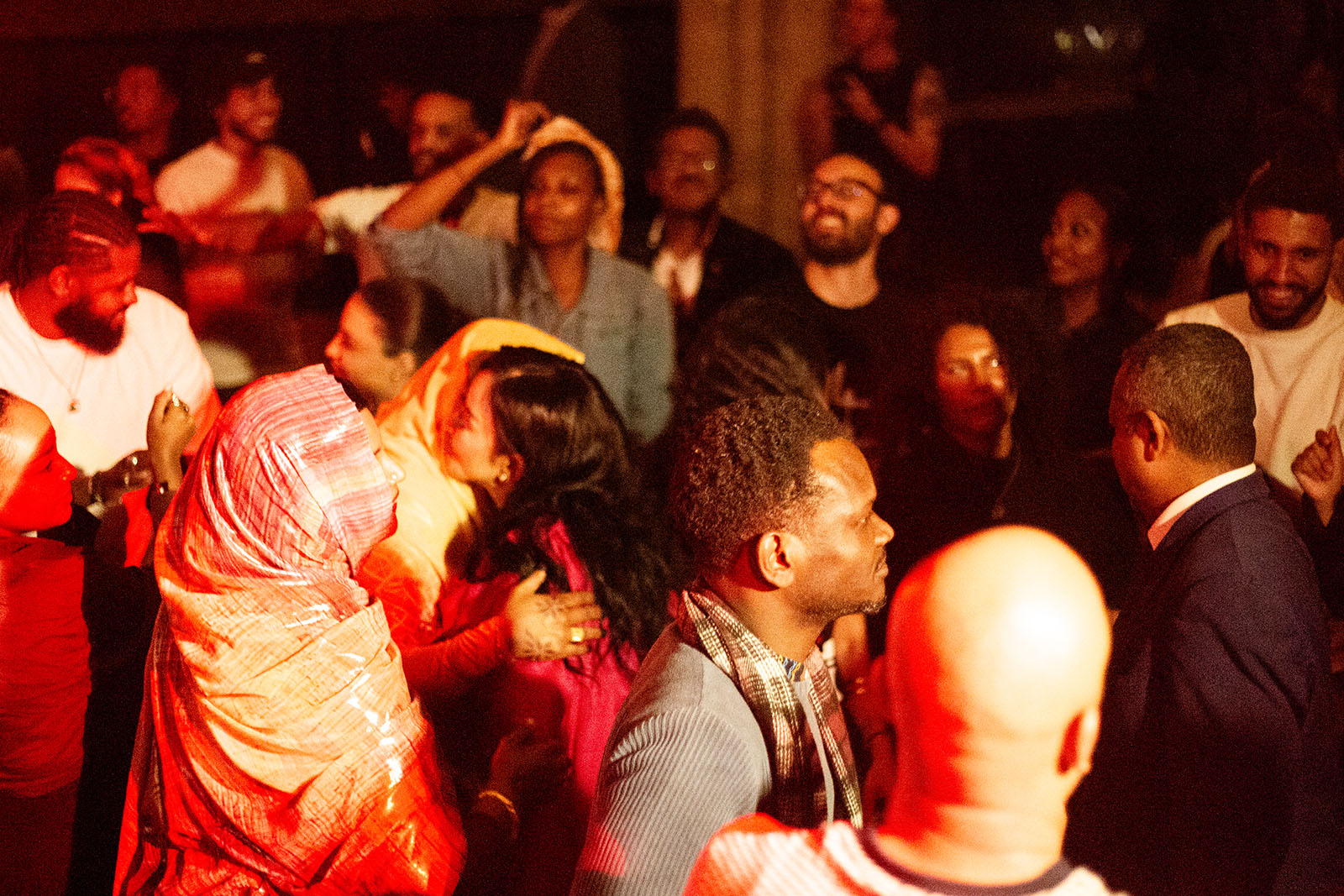
It’s a Tuesday night in Amsterdam. Along the banks of the IJ river in the east of the city, between a gym and a bagel chain, people filter into a low-lit room lined with cushions and chairs. The space looks more like a tea room than a performance venue. The lights dim and a man emerges at the front.
“Welcome to Mystery Night at the Mezrab,” says Sahand Sahebdivani, an Iranian-Dutch storyteller and the founder of Mezrab. “Who’s here for the first time?”
A few people raise their hands; many do not. The audience is a mix: first timers, writers, performers and neighbourhood locals.
“Welcome! What we do would be ludicrous if no one were watching.”
But everyone is watching.
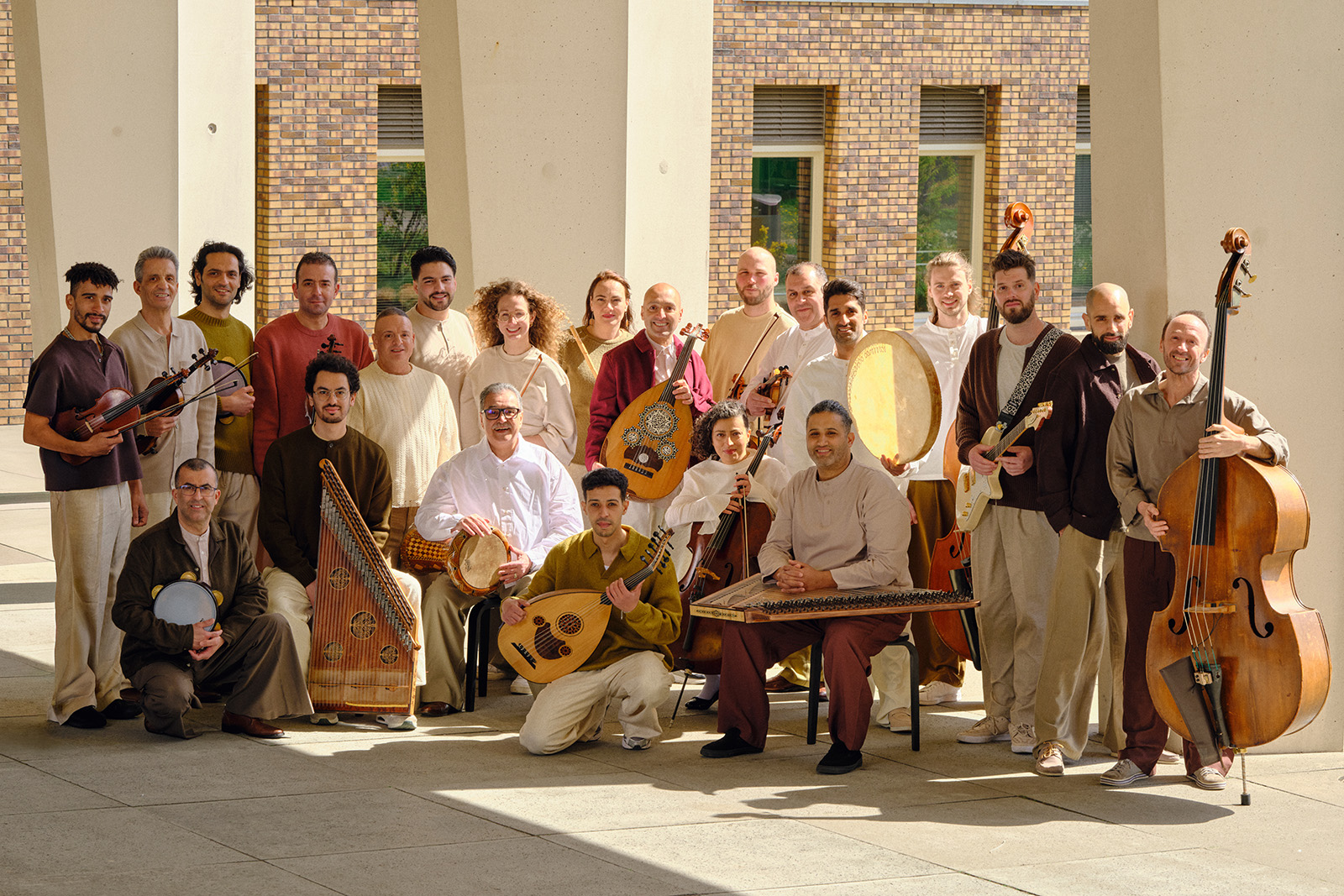
Mezrab, the House of Stories, is one of Amsterdam’s few venues dedicated to narrative performance. But its significance lies beyond the stage: by lowering the barriers to participation it is reshaping how stories are produced, shared and circulated.
Its model is deliberately open. Many nights are unticketed, performances are often in English, and weekly open mics allow audience members to step up and share tales from their lives. Demand has grown to the point that a second venue has opened in Amsterdam-West.
Performers who started at Mezrab are now appearing on stages across the city, from theatres to major museums. Its free, participatory format is beginning to influence how cultural institutions programme work and engage audiences. Mezrab is challenging who gets to tell stories — and who gets heard — in the capital.
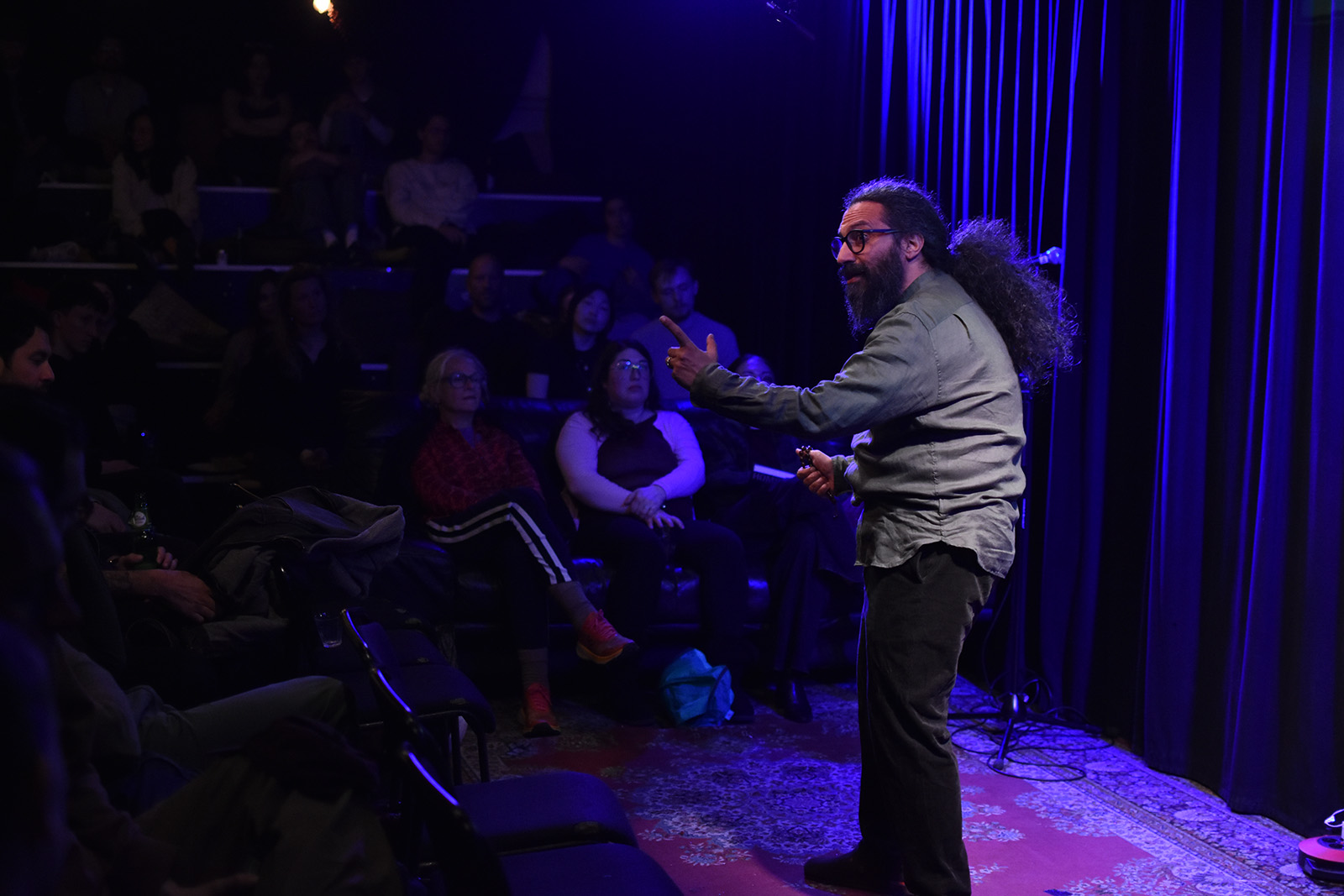
Sahebdivani arrived in the Netherlands as a refugee at the age of three in 1983, fleeing the Iranian Revolution. His family couldn’t bring anything with them, which meant his immaterial heritage, his stories, were all he had. For him, telling personal stories has always been a way to communicate who you are.
“Personal storytelling wasn’t seen as a professional, serious or important art form,” he says of when he started Mezrab. Amsterdam had a storytelling culture, but it was present in literature and film, not as an art form in its own right.
“The scene that existed [in the Netherlands] mostly used folk tales and myths, but storytellers thought telling personal stories was a bit navel-gazing.”
Now he wants to show how it can be a means of emancipation: “For people whose stories were unknown, they went from being faceless numbers to being three-dimensional individuals.”
In the Netherlands, as across Europe, major institutions often work through acquisition budgets, curators and formal programming. Mezrab’s model is looser; here the audience can become part of the programme.
“You can very easily take that step and break down the wall between being a listener and being a participant,” says Sahebdivani.
Raffi Feghali, originally from Beirut, is one of those participants. His connection to Mezrab helped spur a move to Amsterdam after years of telling stories there.
“Mezrab is so community-based that you can experiment with different kinds of stories without feeling that they will be perceived as weird or unrelatable,” he explains. “There is a richness you cannot find in many other places, mostly because Mezrab is so multicultural.”
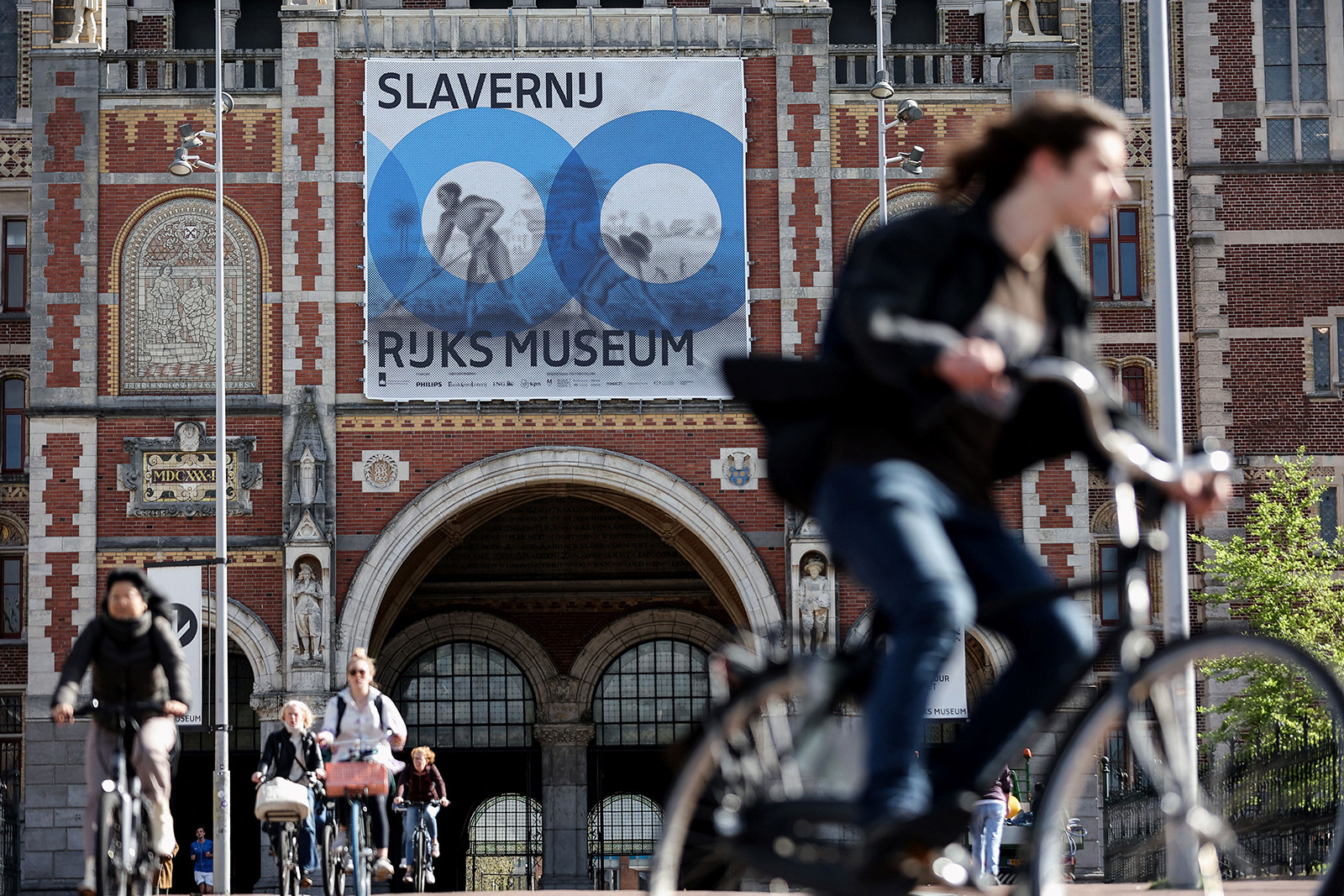
Amsterdam’s cultural establishment, in contrast, has long struggled with representation. In 2023, the Stedelijk Museum was the subject of the documentary White Balls on Walls, which followed its attempts to diversify a collection dominated by white men. The Rijksmuseum has also had to confront narrative blind spots, having staged its first ever exhibition on slavery in 2021. For Sahebdivani, institutional inclusion is only the start.
“The fact that these funded institutes are trying to be inclusive and platform diverse voices is a good step, but it’s not enough. You need people who operate outside of the official channels,” he says.
At Mezrab, participation begins with the experiences people bring into the room.
“With all the polarisation in the world right now, things are becoming extremely black or white,” says Feghali. “Storytelling recreates this grey area where we can exist. True personal stories are a bonding experience for people.”
Sahebdivani agrees: “It’s in our DNA to platform the voices that are less heard in other places, because of language, because people don’t know the cultures.”
Mezrab’s format and flexibility are beginning to shape how other art forms are presented.
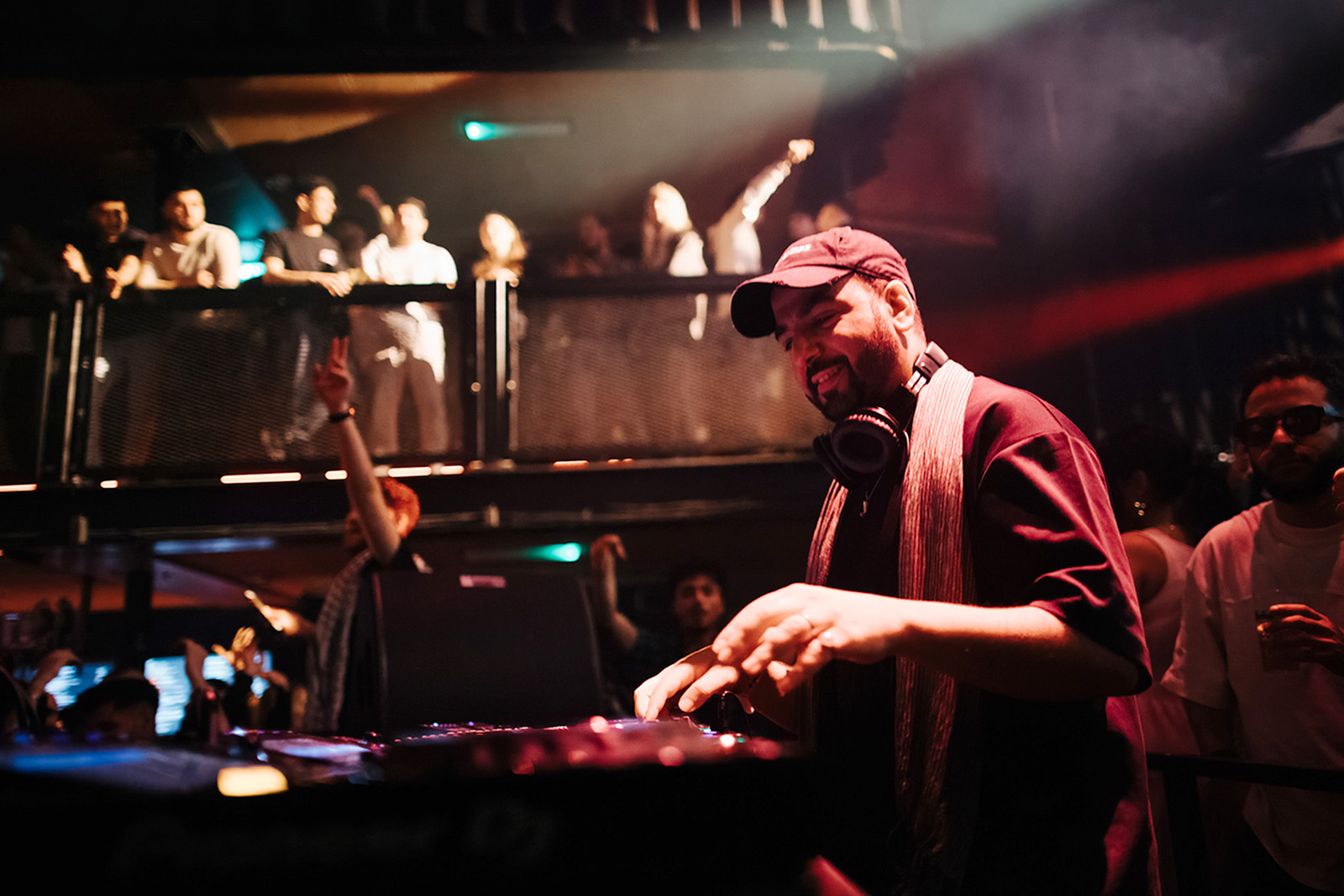
“We’re definitely influencing the scene,” he says. “But I think our influence extends beyond it.”
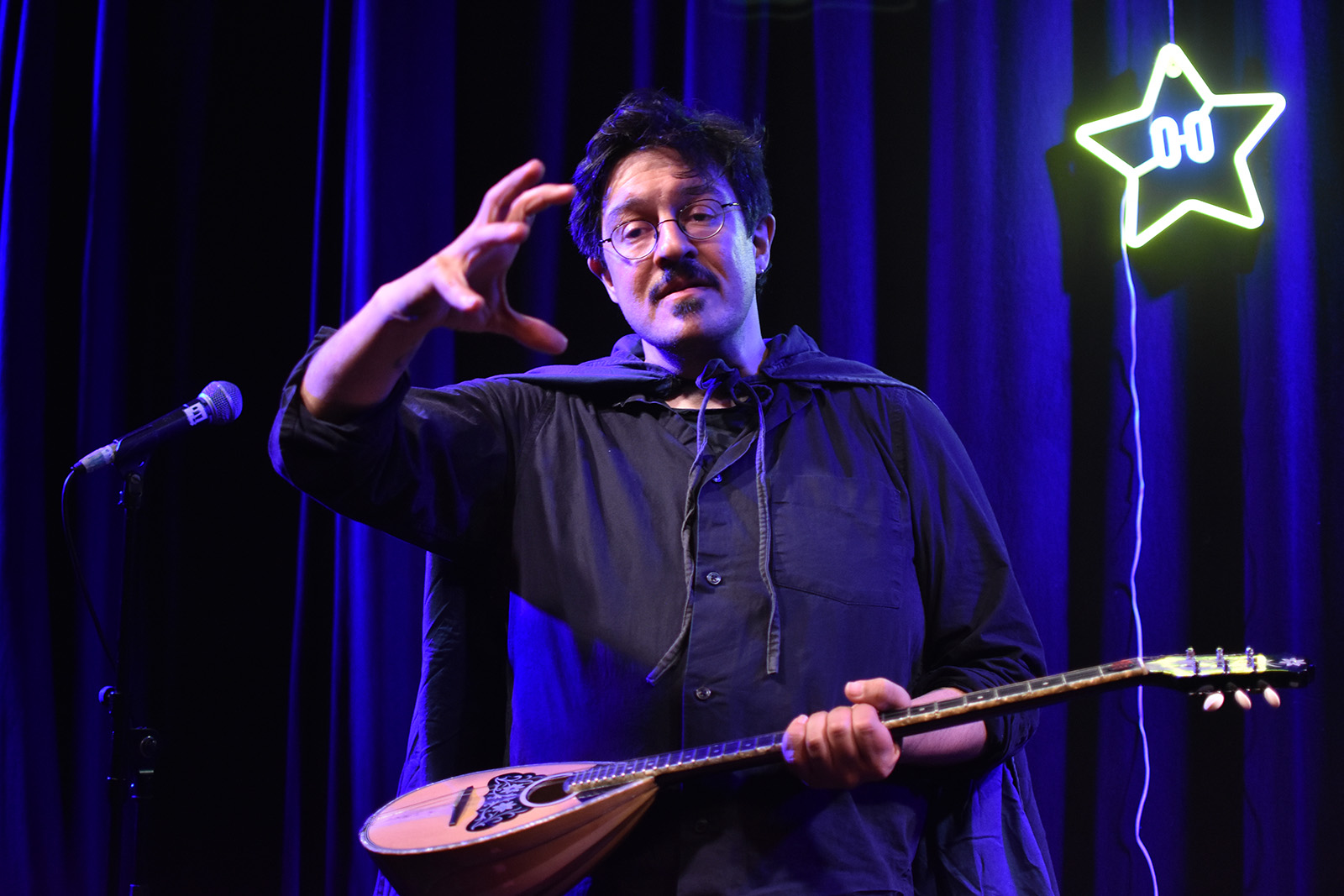
On Mystery Night, the audience heard stories from a mythical kingdom in Damascus and a spoken-word piece translated from Persian. One speaker traced his emotive near-death but cathartic experience with a great white shark in Hawaii. Another performance followed the conflicting experience of Jugal Bhinde — an Indian journalist turned performer — reporting from Kashmir.
And Mezrab’s eye for talent is being noticed. After performing at Mezrab, Bhinde says he’s since been invited to the Van Gogh Museum to tell a story in front of artwork of his choice, and these spaces have helped breathe new life into stories.
“Telling a story is deeply shaped by the location and setting in which it is shared,” says Bhinde. “I chose Van Gogh’s self-portrait and spoke about my experience of being bullied in school. The intimacy of that moment, standing in front of his gaze while sharing something so personal, gave the story a different kind of weight.”
Meanwhile, Feghali is being booked for theatre shows across the city, while Mezrab co-hosted a night at the De Nieuwe Kerk (the capital’s second-oldest church) for Museum Nacht – Amsterdam’s biggest museum event. Sahebdivani has been invited to the Eye Filmmuseum to host a storytelling event and also works as the creative director for the Amsterdam Storytelling Festival.
But for Feghali, Mezrab’s power is still most apparent in the room itself. “Everyone exists in the same space. They hear you, they understand you.”
In a city still working out how to represent its diversity, Mezrab suggests the issue is not just who is included, but who gets to speak.